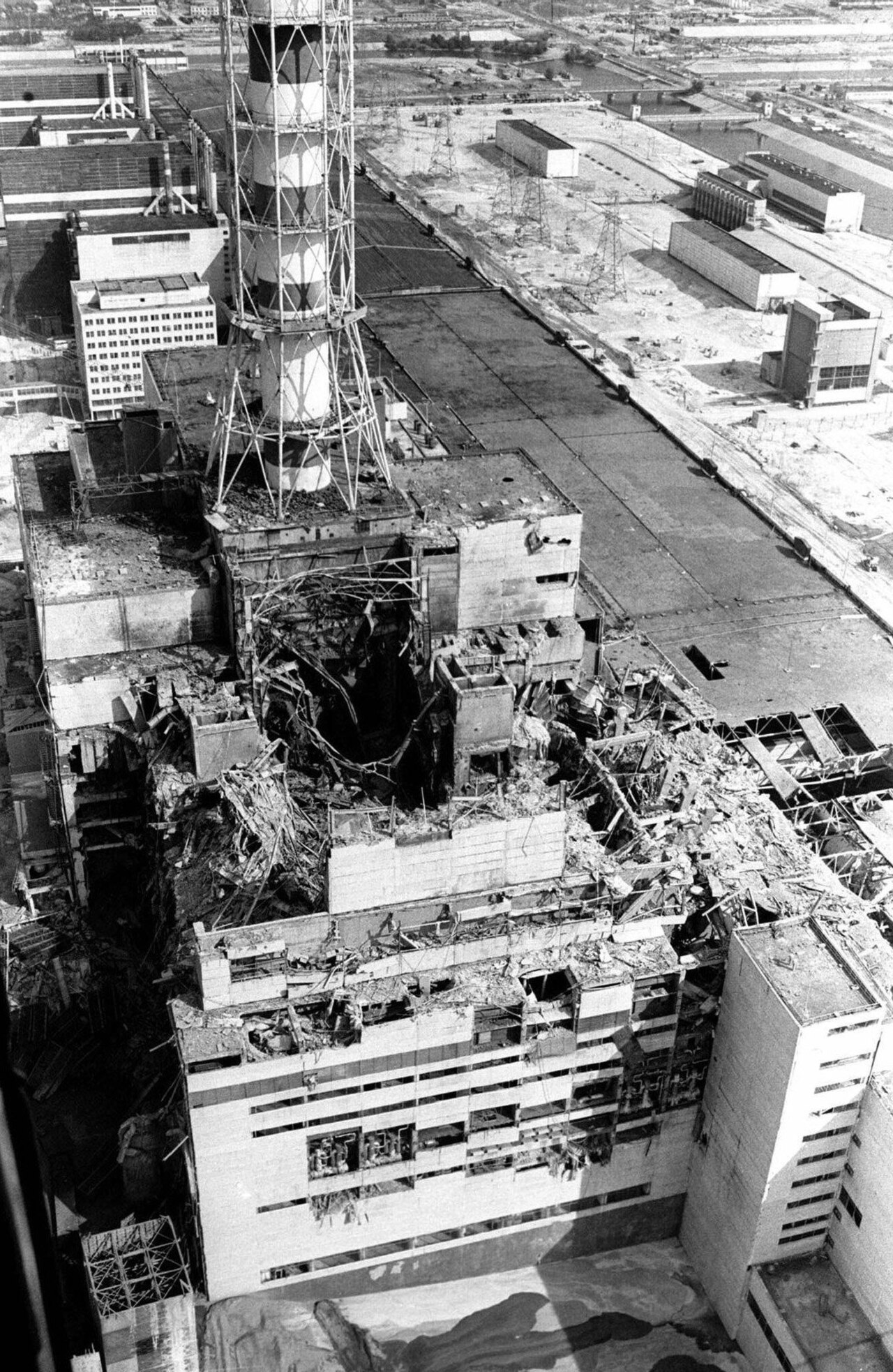
At a glance
The Convention on Early Notification of a Nuclear Accident and the Convention on Assistance were adopted in 1986. The Convention on Nuclear Safety followed in 1994. Remaining RBMKs were modified: faster rods, extra absorbers, higher enrichment and a fast-acting protection system, as INSAG-7 recorded.
Atlas Verification Checklist
0 / 4 verifiedCheck each criteria to confirm findings against the atlas verdict.
Chernobyl disaster · paras 2
Health attribution is the remaining scientific argument. UNSCEAR links a large rise in thyroid cancers among those who were children or adolescents in 1986 to iodine-131 in milk, with few deaths in that cohort by 2005 because treatment works. The 2005 Chernobyl Forum’s “up to 4,000” eventual deaths among the most exposed is a model, not a body count, and remains disputed by higher independent estimates.
Chernobyl disaster · paras 1
The Convention on Early Notification of a Nuclear Accident and the Convention on Assistance were adopted in 1986. The Convention on Nuclear Safety followed in 1994. Remaining RBMKs were modified: faster rods, extra absorbers, higher enrichment and a fast-acting protection system, as INSAG-7 recorded.
Chernobyl disaster · paras 2
Ukraine, with G7 and EBRD money, built the New Safe Confinement as a movable arch over the 1986 object shelter. The arch was in place in November 2016 and later commissioned so that debris removal could be planned toward a 2065 cleanup horizon. The exclusion zone remains a legal and ecological special regime, not a closed book.
Chernobyl disaster · lede
Chernobyl is the public-record type case for a Level 7 nuclear accident: dated official deaths, revised international reports, and a treaty wave that still governs notification and safety culture. English papers in late April 1986 treated the accident first as a Soviet secrecy story: Sweden’s detection, then Moscow’s delay, then maps of a cloud over Europe.
This is a reading check for the atlas, not personal advice, a live price, or a booking. It does not replace the full topic page.
What is the next question after this?
Ukraine, with G7 and EBRD money, built the New Safe Confinement as a movable arch over the 1986 object shelter. The arch was in place in November 2016 and later commissioned so that debris removal could be planned toward a 2065 cleanup horizon. The exclusion zone remains a legal and ecological special regime, not a closed book.
Does this page rank people or nations?
This is a reading check for the atlas, not personal advice, a live price, or a booking. It does not replace the full topic page.
Where is the longer entry?
Chernobyl is the public-record type case for a Level 7 nuclear accident: dated official deaths, revised international reports, and a treaty wave that still governs notification and safety culture. English papers in late April 1986 treated the accident first as a Soviet secrecy story: Sweden’s detection, then Moscow’s delay, then maps of a cloud over Europe.
Next question: D.B. Cooper · Open the topic: Chernobyl disaster