At a glance
Astronomer · How long does it take to become an astronomer?Roughly nine to twelve years from leaving school to a first independent…
Astronomer · What is the difference between an astronomer and an astrophysiciToday, almost nothing: the titles are used interchangeably on job…
Astronomer · How much do astronomers earn?The US Bureau of Labor Statistics put the median astronomer's wage at about…
Astronomer · Do astronomers still look through telescopes?Almost never with an eye at an eyepiece — detectors replaced eyes over a…
Today, almost nothing: the titles are used interchangeably on job advertisements and department doors. Historically, astronomy meant measuring positions and motions, while astrophysics — born with spectroscopy in the mid-1800s — meant explaining the physics behind them. Since essentially all modern astronomers work with physics, "astrophysicist" is simply the newer word; "astronomer" is the older and broader one.
Astronomer · How long does it take to become an astronomer?
Roughly nine to twelve years from leaving school to a first independent research position: a three- or four-year bachelor's in physics or astronomy, often a master's in Europe, then a PhD of three to six years. A permanent job usually takes longer still — most astronomers pass through several multi-year postdoctoral contracts, commonly landing a lasting post in their mid-to-late thirties.
Astronomer · What is the difference between an astronomer and an astrophysici
Today, almost nothing: the titles are used interchangeably on job advertisements and department doors. Historically, astronomy meant measuring positions and motions, while astrophysics — born with spectroscopy in the mid-1800s — meant explaining the physics behind them. Since essentially all modern astronomers work with physics, "astrophysicist" is simply the newer word; "astronomer" is the older and broader one.
Astronomer · How much do astronomers earn?
The US Bureau of Labor Statistics put the median astronomer's wage at about $128,000 in 2023, but that describes senior people: PhD students live on stipends of roughly $30,000–45,000 and postdocs on $60,000–75,000 (US, 2024–25). German, British and Australian academic scales run somewhat lower in nominal terms, and Indian institute salaries are far lower again.
Astronomer · Do astronomers still look through telescopes?
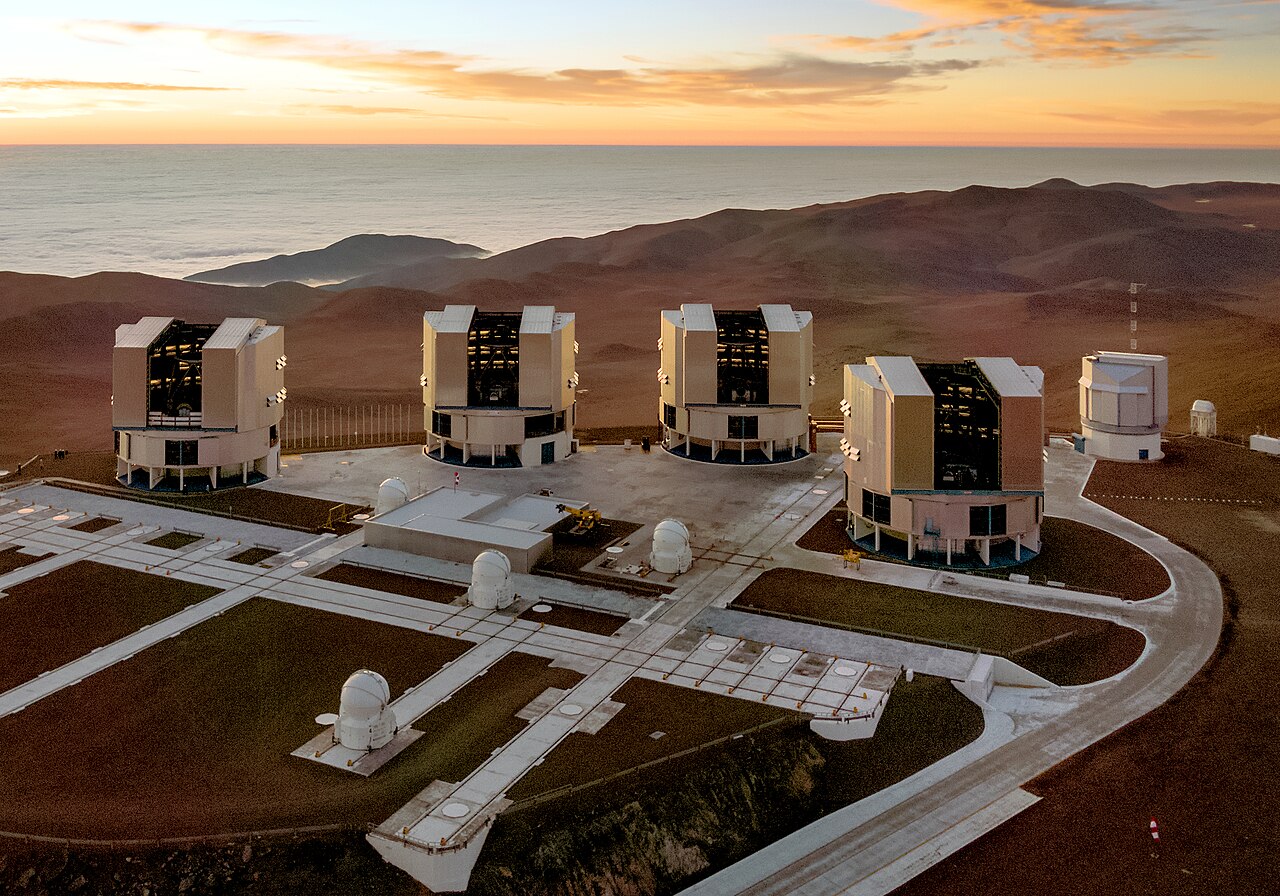
Almost never with an eye at an eyepiece — detectors replaced eyes over a century ago, and most large telescopes are now queue-scheduled: staff or robots observe, and the data arrives over the network. Many productive astronomers have never visited the telescopes they use, and a large share of papers are written entirely from archives like those of Hubble, Gaia and the Sloan survey.
This is a reading check for the atlas, not personal advice, a live price, or a booking. It does not replace the full topic page.
Questions
- What is the next question after this?
- The US Bureau of Labor Statistics put the median astronomer's wage at about $128,000 in 2023, but that describes senior people: PhD students live on stipends of roughly $30,000–45,000 and postdocs on $60,000–75,000 (US, 2024–25). German, British and Australian academic scales run somewhat lower in nominal terms, and Indian institute salaries are far lower again.
- Does this page rank people or nations?
- This is a reading check for the atlas, not personal advice, a live price, or a booking. It does not replace the full topic page.
- Where is the longer entry?
- Almost never with an eye at an eyepiece — detectors replaced eyes over a century ago, and most large telescopes are now queue-scheduled: staff or robots observe, and the data arrives over the network. Many productive astronomers have never visited the telescopes they use, and a large share of papers are written entirely from archives like those of Hubble, Gaia and the Sloan survey.
Next question: Athlete · Open the topic: Astronomer
🩺 Which licence sits before the first paid role — Surgeon (1937) · 🩺 What the first role actually is — Physician (1992) · 💉 How to read the AI exposure note — Nurse (1994) · 💊 How many years before independent work — Pharmacist (1852) · 🐾 The title versus the first-day tasks — Veterinarian (1863) · 🧠 Which institution issues the credential — Psychiatrist (1934) · How to read a career route