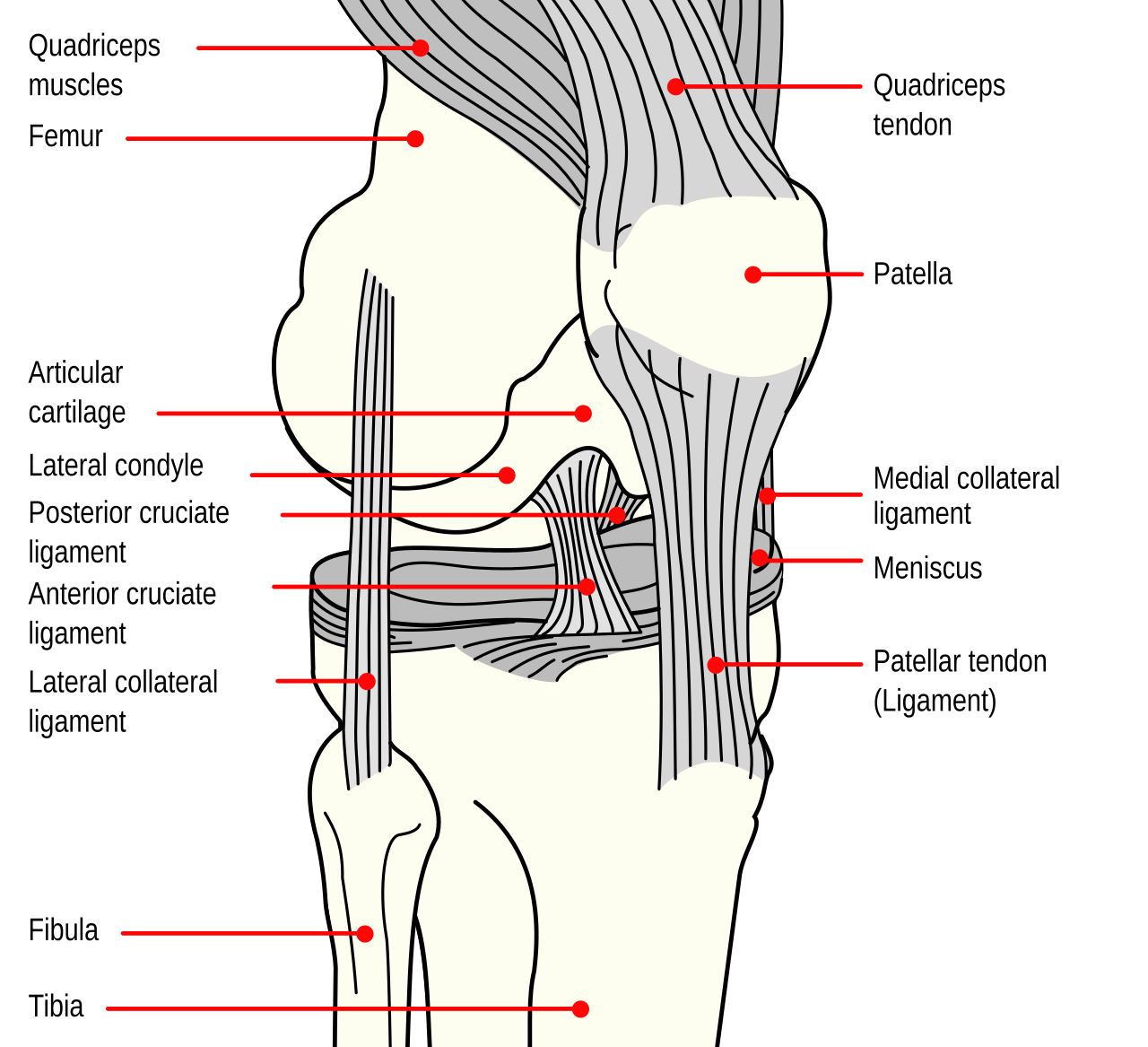
At a glance
With the knee bent to about 90 degrees, the examiner pulls the shin bone forward to assess for excessive anterior translation, though it is generally considered less sensitive than the Lachman test.
Weigh it for yourself
Mark each measure High, Any or Low for what you want. The fit number moves with every mark, and your marks follow you to the next page in this app.
| Measure | ACL | Ankle & Foot | You want |
|---|---|---|---|
| Pain frequency | |||
| Recovery length | |||
| Exercise load | |||
| Clinician need | |||
| Self-care fit | |||
| Recurrence risk |
Mark at least one measure to see a fit number.
Scores are the atlas’s 0–100 teaching marks for each topic. They are not a diagnosis, a dose or a treatment choice.
Reading checklist
Tick a point once you could explain it in your own words. Ticks stay on this device.
0 of 4 points done
All points done. Next: Open the topic: ACL
ACL · Because associated injuries are common, clinicians also examine
Because associated injuries are common, clinicians also examine the menisci and collateral ligaments, and imaging is frequently used to confirm the diagnosis and map the full extent of injury before deciding on management.
ACL · Anterior drawer test
With the knee bent to about 90 degrees, the examiner pulls the shin bone forward to assess for excessive anterior translation, though it is generally considered less sensitive than the Lachman test.
ACL · Programs typically emphasize quadriceps and hamstring strength,
Programs typically emphasize quadriceps and hamstring strength, single-leg control, and landing mechanics, since deficits in these areas are strongly associated with both slower recovery and elevated re-injury risk. As rehabilitation advances, exercises progressively add speed, unpredictability, and sport-specific demands, since these qualities better reflect the situations in which re-injury is most likely to occur.
ACL · Certain activities and habits are commonly discouraged during AC
Certain activities and habits are commonly discouraged during ACL rehabilitation because they risk overloading a healing graft or an under-prepared knee, particularly in the early and middle phases. Recognizing signs that the knee is not ready for the current level of activity is especially important in ACL rehabilitation, given the meaningfully elevated risk of re-injury during early return to pivoting sport.
This is education from the atlas. It does not diagnose and does not prescribe a dose. It does not replace the full topic page.
What is the next question after this?
Programs typically emphasize quadriceps and hamstring strength, single-leg control, and landing mechanics, since deficits in these areas are strongly associated with both slower recovery and elevated re-injury risk. As rehabilitation advances, exercises progressively add speed, unpredictability, and sport-specific demands, since these qualities better reflect the situations in which re-injury is most likely to occur.
Does this page rank people or nations?
This is education from the atlas. It does not diagnose and does not prescribe a dose. It does not replace the full topic page.
Where is the longer entry?
Certain activities and habits are commonly discouraged during ACL rehabilitation because they risk overloading a healing graft or an under-prepared knee, particularly in the early and middle phases. Recognizing signs that the knee is not ready for the current level of activity is especially important in ACL rehabilitation, given the meaningfully elevated risk of re-injury during early return to pivoting sport.