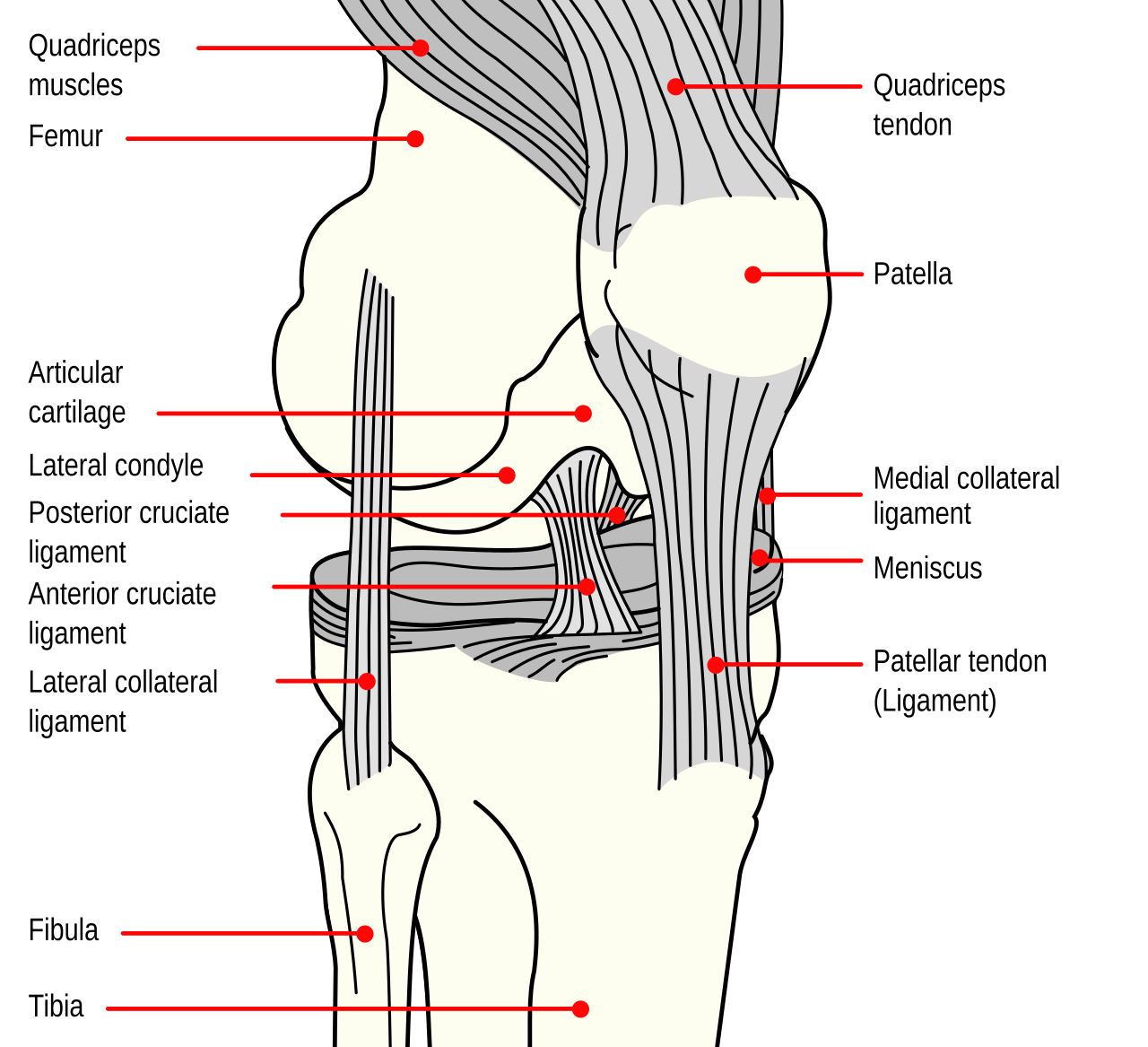
At a glance
Following surgical reconstruction, tissue taken from the patellar, hamstring, or quadriceps tendon is positioned to replicate the ACL's mechanical role while it gradually remodels and matures over many months. ACL injuries range from partial sprains that retain some functional stability to complete ruptures, and are frequently accompanied by injury to nearby structures given the shared mechanism of trauma.
Weigh it for yourself
Mark each measure High, Any or Low for what you want. The fit number moves with every mark, and your marks follow you to the next page in this app.
| Measure | ACL | Ankle & Foot | You want |
|---|---|---|---|
| Pain frequency | |||
| Recovery length | |||
| Exercise load | |||
| Clinician need | |||
| Self-care fit | |||
| Recurrence risk |
Mark at least one measure to see a fit number.
Scores are the atlas’s 0–100 teaching marks for each topic. They are not a diagnosis, a dose or a treatment choice.
Reading checklist
Tick a point once you could explain it in your own words. Ticks stay on this device.
0 of 4 points done
All points done. Next: Open the topic: ACL
ACL · closing 1
Understanding the ACL's specific stabilizing role helps explain why rehabilitation after injury focuses heavily on rebuilding the dynamic control provided by surrounding muscles, particularly when the ligament itself cannot reliably heal on its own.
ACL · Graft tissue (post-reconstruction)
Following surgical reconstruction, tissue taken from the patellar, hamstring, or quadriceps tendon is positioned to replicate the ACL's mechanical role while it gradually remodels and matures over many months. ACL injuries range from partial sprains that retain some functional stability to complete ruptures, and are frequently accompanied by injury to nearby structures given the shared mechanism of trauma.
ACL · closing 1
Because associated injuries can significantly influence both surgical decision-making and rehabilitation pace, imaging and a detailed clinical examination are typically used together to map out the full extent of the injury. A full tear of the ligament, the most common presentation among significant ACL injuries, typically producing immediate instability and often a sensation or sound of a pop at the time of injury.
ACL · Bone bruising (contusion)
Microscopic injury to the bone beneath the joint surface, commonly seen on MRI after ACL injury and generally resolving over several months without specific treatment.
This is education from the atlas. It does not diagnose and does not prescribe a dose. It does not replace the full topic page.
What is the next question after this?
Because associated injuries can significantly influence both surgical decision-making and rehabilitation pace, imaging and a detailed clinical examination are typically used together to map out the full extent of the injury. A full tear of the ligament, the most common presentation among significant ACL injuries, typically producing immediate instability and often a sensation or sound of a pop at the time of injury.
Does this page rank people or nations?
This is education from the atlas. It does not diagnose and does not prescribe a dose. It does not replace the full topic page.
Where is the longer entry?
Microscopic injury to the bone beneath the joint surface, commonly seen on MRI after ACL injury and generally resolving over several months without specific treatment.