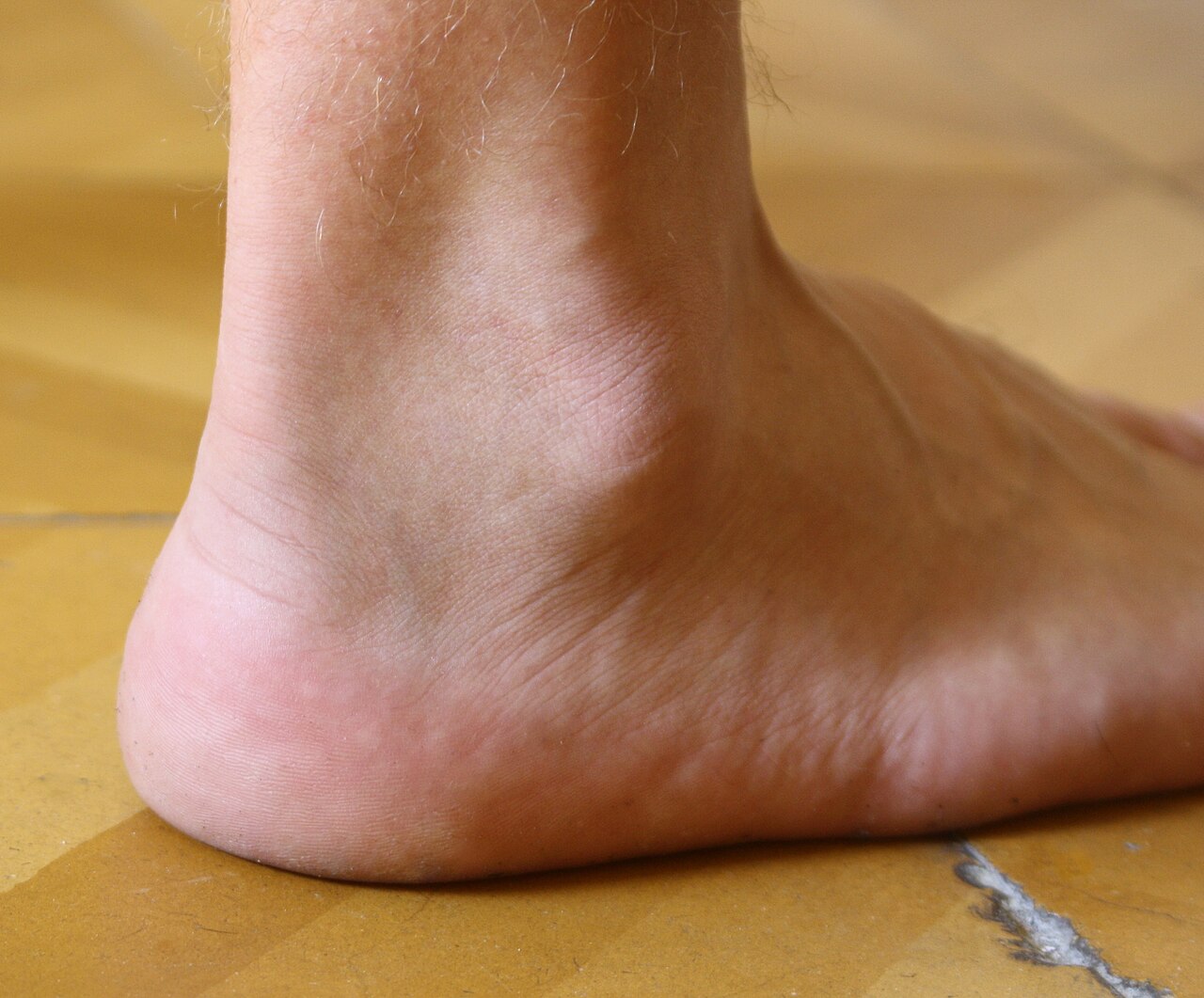
At a glance
Ankle sprains are among the most common musculoskeletal injuries in both sport and everyday life, most often occurring when the foot rolls inward and stresses the ligaments on the outer ankle. The region is also a frequent site of overuse conditions such as Achilles tendinopathy and plantar fasciitis, particularly among runners and people who spend long periods on their feet.
Weigh it for yourself
Mark each measure High, Any or Low for what you want. The fit number moves with every mark, and your marks follow you to the next page in this app.
| Measure | Ankle & Foot | Balance | You want |
|---|---|---|---|
| Pain frequency | |||
| Recovery length | |||
| Exercise load | |||
| Clinician need | |||
| Self-care fit | |||
| Recurrence risk |
Mark at least one measure to see a fit number.
Scores are the atlas’s 0–100 teaching marks for each topic. They are not a diagnosis, a dose or a treatment choice.
Reading checklist
Tick a point once you could explain it in your own words. Ticks stay on this device.
0 of 4 points done
All points done. Next: Open the topic: Ankle & Foot
Ankle & Foot · tagline
The ankle and foot absorb and redirect the full force of body weight with every step, making sprains and overuse injuries among the most common in sport and daily life. The ankle and foot together form a complex system of joints and arches that absorbs the full impact of body weight with every step while also acting as a rigid lever to propel the body forward during walking and running.
Ankle & Foot · Ankle sprains are among the most common musculoskeletal injuries
Ankle sprains are among the most common musculoskeletal injuries in both sport and everyday life, most often occurring when the foot rolls inward and stresses the ligaments on the outer ankle. The region is also a frequent site of overuse conditions such as Achilles tendinopathy and plantar fasciitis, particularly among runners and people who spend long periods on their feet.
Ankle & Foot · Despite how common ankle sprains are, a substantial proportion o
Despite how common ankle sprains are, a substantial proportion of people report ongoing instability or recurrent sprains if the initial injury is not adequately rehabilitated, which is part of why structured recovery is emphasized even for seemingly minor injuries. This page covers the region's anatomy, common conditions, assessment approaches, and general exercise and recovery patterns.
Ankle & Foot · How long does a typical ankle sprain take to heal?
Mild sprains often improve substantially within two to three weeks, while moderate to severe sprains can take four to eight weeks or longer for a full return to sport-level activity. Clinical decision rules such as the Ottawa ankle rules help determine when an X-ray is needed, generally reserving imaging for cases with specific bony tenderness or an inability to bear weight.
This is education from the atlas. It does not diagnose and does not prescribe a dose. It does not replace the full topic page.
What is the next question after this?
Despite how common ankle sprains are, a substantial proportion of people report ongoing instability or recurrent sprains if the initial injury is not adequately rehabilitated, which is part of why structured recovery is emphasized even for seemingly minor injuries. This page covers the region's anatomy, common conditions, assessment approaches, and general exercise and recovery patterns.
Does this page rank people or nations?
This is education from the atlas. It does not diagnose and does not prescribe a dose. It does not replace the full topic page.
Where is the longer entry?
Mild sprains often improve substantially within two to three weeks, while moderate to severe sprains can take four to eight weeks or longer for a full return to sport-level activity. Clinical decision rules such as the Ottawa ankle rules help determine when an X-ray is needed, generally reserving imaging for cases with specific bony tenderness or an inability to bear weight.