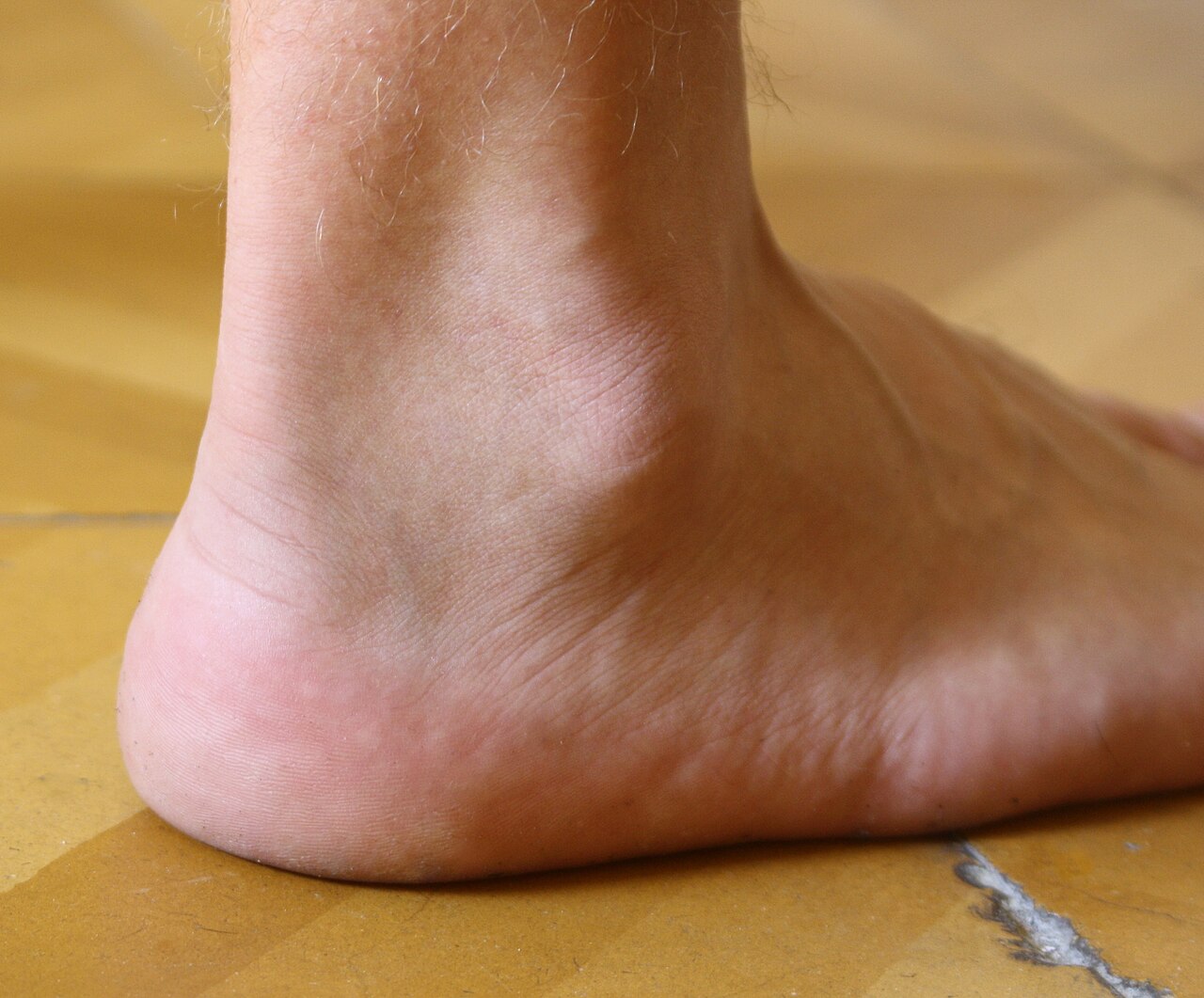
At a glance
A small crack in a bone from repetitive loading, most common among runners who rapidly increase training volume, producing localized pain that worsens with continued impact activity. A structured examination including specific ligament and tendon tests, alongside clinical decision rules for imaging, helps guide appropriate management from the first visit.
Weigh it for yourself
Mark each measure High, Any or Low for what you want. The fit number moves with every mark, and your marks follow you to the next page in this app.
| Measure | Ankle & Foot | Balance | You want |
|---|---|---|---|
| Pain frequency | |||
| Recovery length | |||
| Exercise load | |||
| Clinician need | |||
| Self-care fit | |||
| Recurrence risk |
Mark at least one measure to see a fit number.
Scores are the atlas’s 0–100 teaching marks for each topic. They are not a diagnosis, a dose or a treatment choice.
Reading checklist
Tick a point once you could explain it in your own words. Ticks stay on this device.
0 of 4 points done
All points done. Next: Open the topic: Ankle & Foot
Ankle & Foot · closing 1
While most ankle and foot conditions are self-limiting with appropriate rehabilitation, distinguishing between a simple sprain, chronic instability, and the various overuse conditions typically guides a meaningfully different treatment approach. Overuse-related irritation of the Achilles tendon, common among runners, producing pain and stiffness at the back of the heel that typically eases somewhat with warming up.
Ankle & Foot · Stress fracture (foot or ankle)
A small crack in a bone from repetitive loading, most common among runners who rapidly increase training volume, producing localized pain that worsens with continued impact activity. A structured examination including specific ligament and tendon tests, alongside clinical decision rules for imaging, helps guide appropriate management from the first visit.
Ankle & Foot · closing 1
This structured approach, combining clinical decision rules with targeted special tests, allows the majority of ankle and foot injuries to be confidently managed without unnecessary imaging while still identifying those that need it. An inability to take even a few steps immediately after an ankle injury, combined with specific bony tenderness, raises concern for fracture and typically warrants imaging.
Ankle & Foot · Ottawa ankle rules
A clinical decision tool based on specific areas of bony tenderness and weight-bearing ability that helps identify which ankle injuries need imaging to rule out fracture. Exercise for ankle and foot conditions typically progresses from restoring comfortable range of motion toward balance and proprioceptive retraining, which is particularly emphasized after a sprain given the high recurrence risk without it.
This is education from the atlas. It does not diagnose and does not prescribe a dose. It does not replace the full topic page.
What is the next question after this?
This structured approach, combining clinical decision rules with targeted special tests, allows the majority of ankle and foot injuries to be confidently managed without unnecessary imaging while still identifying those that need it. An inability to take even a few steps immediately after an ankle injury, combined with specific bony tenderness, raises concern for fracture and typically warrants imaging.
Does this page rank people or nations?
This is education from the atlas. It does not diagnose and does not prescribe a dose. It does not replace the full topic page.
Where is the longer entry?
A clinical decision tool based on specific areas of bony tenderness and weight-bearing ability that helps identify which ankle injuries need imaging to rule out fracture. Exercise for ankle and foot conditions typically progresses from restoring comfortable range of motion toward balance and proprioceptive retraining, which is particularly emphasized after a sprain given the high recurrence risk without it.