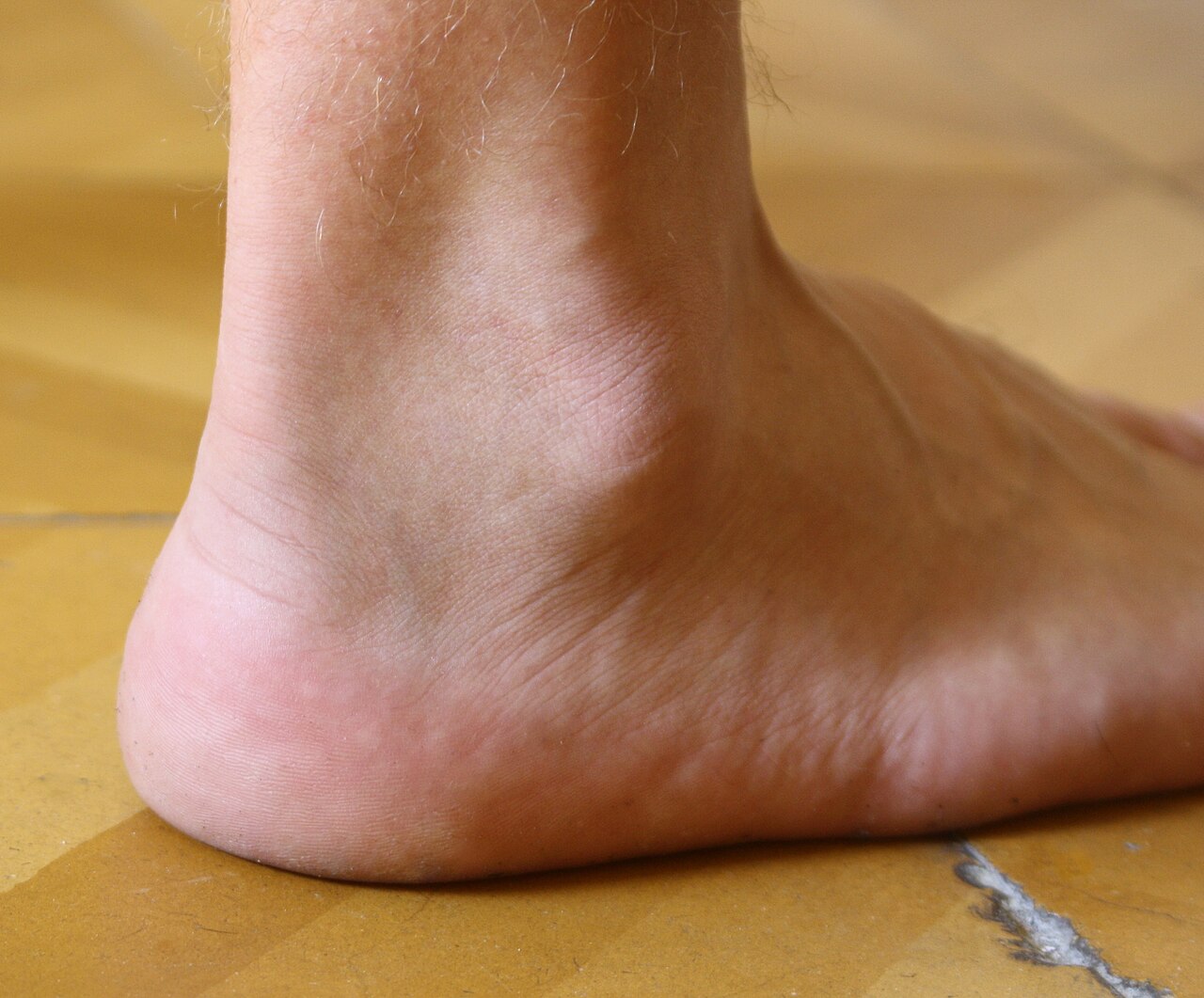
At a glance
Ice is commonly used for short-term pain and swelling relief after an acute sprain, though current guidance places comparatively more emphasis on early protected movement and graded loading for the overall recovery process.
Weigh it for yourself
Mark each measure High, Any or Low for what you want. The fit number moves with every mark, and your marks follow you to the next page in this app.
| Measure | Ankle & Foot | Balance | You want |
|---|---|---|---|
| Pain frequency | |||
| Recovery length | |||
| Exercise load | |||
| Clinician need | |||
| Self-care fit | |||
| Recurrence risk |
Mark at least one measure to see a fit number.
Scores are the atlas’s 0–100 teaching marks for each topic. They are not a diagnosis, a dose or a treatment choice.
Reading checklist
Tick a point once you could explain it in your own words. Ticks stay on this device.
0 of 4 points done
All points done. Next: Open the topic: Ankle & Foot
Ankle & Foot · What is chronic ankle instability?
Chronic ankle instability describes a persistent tendency for the ankle to give way or feel unstable, often following an inadequately rehabilitated sprain, and is associated with a higher risk of repeat sprains. Plantar fasciitis is irritation of the thick band of tissue running along the bottom of the foot, commonly producing sharp heel pain that is often most noticeable with the first steps in the morning.
Ankle & Foot · Is icing still recommended for a fresh ankle sprain?
Ice is commonly used for short-term pain and swelling relief after an acute sprain, though current guidance places comparatively more emphasis on early protected movement and graded loading for the overall recovery process.
Ankle & Foot · Why do ankle sprains recur so often?
Recurrence is common when balance and proprioceptive deficits following the initial injury are not adequately addressed, which is why balance training is a core part of most ankle rehabilitation programs.
Ankle & Foot · Ligaments on the outer and inner sides of the ankle provide stab
Ligaments on the outer and inner sides of the ankle provide stability against the sideways forces generated during uneven surfaces or sudden directional changes, while the Achilles tendon and plantar fascia play central roles in propulsion and shock absorption, respectively.
This is education from the atlas. It does not diagnose and does not prescribe a dose. It does not replace the full topic page.
What is the next question after this?
Recurrence is common when balance and proprioceptive deficits following the initial injury are not adequately addressed, which is why balance training is a core part of most ankle rehabilitation programs.
Does this page rank people or nations?
This is education from the atlas. It does not diagnose and does not prescribe a dose. It does not replace the full topic page.
Where is the longer entry?
Ligaments on the outer and inner sides of the ankle provide stability against the sideways forces generated during uneven surfaces or sudden directional changes, while the Achilles tendon and plantar fascia play central roles in propulsion and shock absorption, respectively.