At a glance
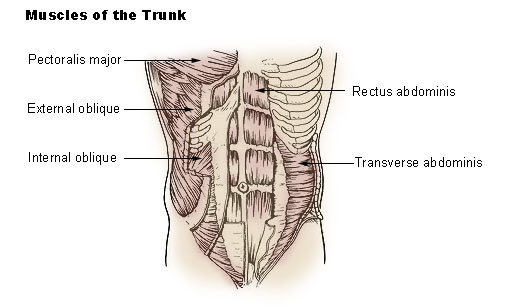
A chronic groin and lower abdominal pain syndrome related to the muscles and tendons where the core meets the hip, common in sports with repetitive cutting and kicking motions. Core assessment generally focuses on functional qualities — endurance, timing of activation, and control under load — rather than the joint-based special tests used elsewhere in the body.
Weigh it for yourself
Mark each measure High, Any or Low for what you want. The fit number moves with every mark, and your marks follow you to the next page in this app.
| Measure | Core | Elbow | You want |
|---|---|---|---|
| Pain frequency | |||
| Recovery length | |||
| Exercise load | |||
| Clinician need | |||
| Self-care fit | |||
| Recurrence risk |
Mark at least one measure to see a fit number.
Scores are the atlas’s 0–100 teaching marks for each topic. They are not a diagnosis, a dose or a treatment choice.
Reading checklist
Tick a point once you could explain it in your own words. Ticks stay on this device.
0 of 4 points done
All points done. Next: Open the topic: Core
Core · Abdominal muscle strain
Overstretching or tearing of abdominal muscle fibers, often from sudden twisting or overuse in sport, producing localized pain that typically resolves with rest and graded loading. A more significant tear of the abdominal wall seen in sports involving forceful trunk rotation or extension, sometimes requiring a longer graded return to sport.
Core · Sports hernia (athletic pubalgia)
A chronic groin and lower abdominal pain syndrome related to the muscles and tendons where the core meets the hip, common in sports with repetitive cutting and kicking motions. Core assessment generally focuses on functional qualities — endurance, timing of activation, and control under load — rather than the joint-based special tests used elsewhere in the body.
Core · A brief screen for abdominal wall integrity and referred symptom
A brief screen for abdominal wall integrity and referred symptoms helps rule out the less common but more serious causes of trunk pain before attributing symptoms to general deconditioning. Because trunk pain can occasionally reflect non-musculoskeletal causes, a brief screen for these atypical features is a standard part of even a routine core assessment.
Core · McGill endurance test battery
A set of timed holds for the front, side, and back trunk muscles compares their relative endurance, which some clinicians use to identify muscular imbalance. Gentle drawing-in of the lower abdomen while lying down, monitored by palpation or pressure biofeedback, assesses the ability to activate the transversus abdominis independently of larger muscles.
This is education from the atlas. It does not diagnose and does not prescribe a dose. It does not replace the full topic page.
What is the next question after this?
A brief screen for abdominal wall integrity and referred symptoms helps rule out the less common but more serious causes of trunk pain before attributing symptoms to general deconditioning. Because trunk pain can occasionally reflect non-musculoskeletal causes, a brief screen for these atypical features is a standard part of even a routine core assessment.
Does this page rank people or nations?
This is education from the atlas. It does not diagnose and does not prescribe a dose. It does not replace the full topic page.
Where is the longer entry?
A set of timed holds for the front, side, and back trunk muscles compares their relative endurance, which some clinicians use to identify muscular imbalance. Gentle drawing-in of the lower abdomen while lying down, monitored by palpation or pressure biofeedback, assesses the ability to activate the transversus abdominis independently of larger muscles.