At a glance
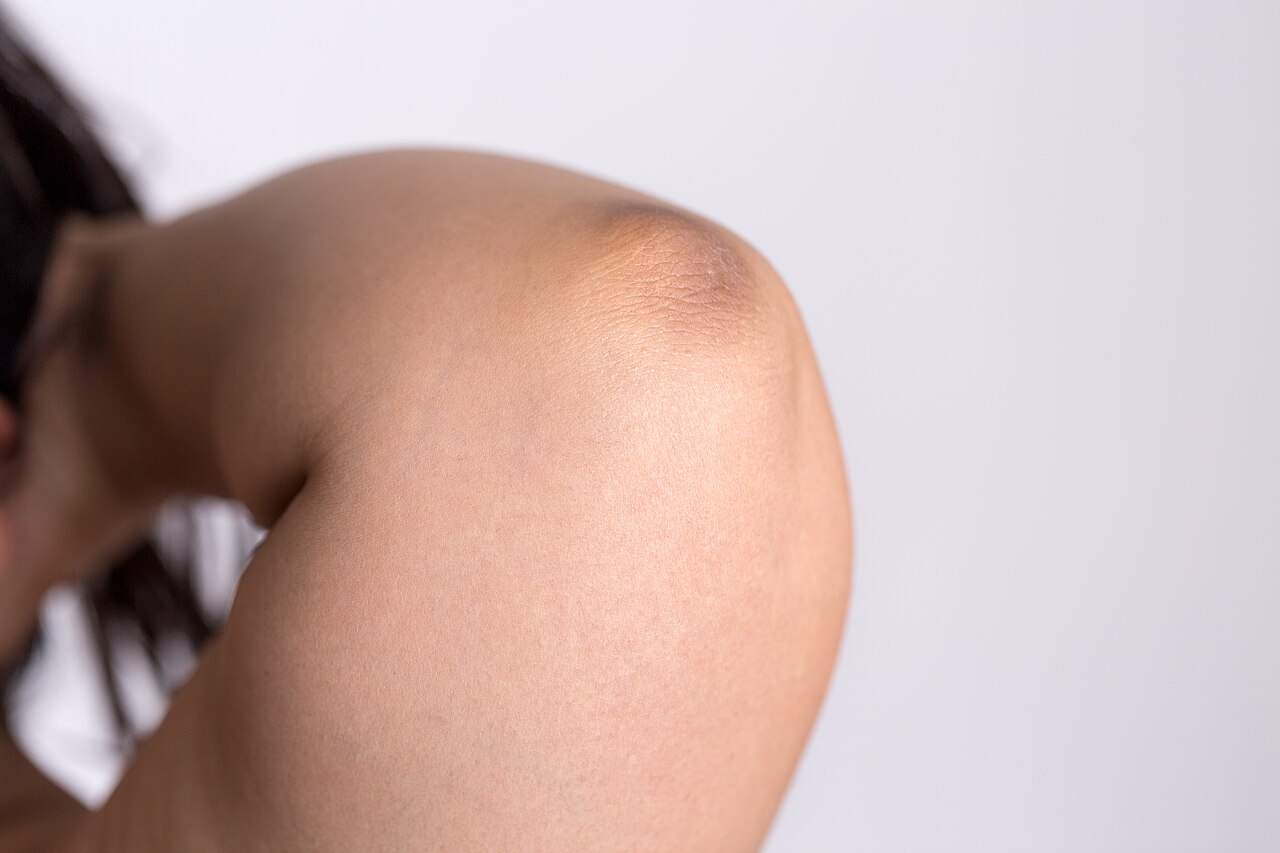
Two bony prominences at the base of the upper arm bone, the medial and lateral epicondyles, serve as attachment points for the muscles that move the wrist and fingers, which is why so many common elbow conditions are actually tendon problems rather than joint problems.
Weigh it for yourself
Mark each measure High, Any or Low for what you want. The fit number moves with every mark, and your marks follow you to the next page in this app.
| Measure | Elbow | Hip | You want |
|---|---|---|---|
| Pain frequency | |||
| Recovery length | |||
| Exercise load | |||
| Clinician need | |||
| Self-care fit | |||
| Recurrence risk |
Mark at least one measure to see a fit number.
Scores are the atlas’s 0–100 teaching marks for each topic. They are not a diagnosis, a dose or a treatment choice.
Reading checklist
Tick a point once you could explain it in your own words. Ticks stay on this device.
0 of 4 points done
All points done. Next: Open the topic: Elbow
Elbow · Is rest alone enough to treat elbow tendinopathy?
Complete rest often provides only temporary relief; current evidence generally favors a graded loading exercise program over prolonged rest for lasting improvement. The elbow joint is formed by the meeting of the upper arm bone with the two forearm bones, creating a hinge that allows bending and straightening while a separate articulation between the forearm bones allows rotation.
Elbow · Two bony prominences at the base of the upper arm bone, the medi
Two bony prominences at the base of the upper arm bone, the medial and lateral epicondyles, serve as attachment points for the muscles that move the wrist and fingers, which is why so many common elbow conditions are actually tendon problems rather than joint problems.
Elbow · Elbow flexion from full extension to a fully bent position repre
Elbow flexion from full extension to a fully bent position represents the joint's primary hinge motion, while pronation and supination each contribute roughly 80–90° of forearm rotation. This nerve passes behind the inner elbow through a narrow passage and can become compressed with prolonged bending or direct pressure, producing tingling in the ring and little fingers.
Elbow · The large majority of elbow complaints in adults relate to overu
The large majority of elbow complaints in adults relate to overuse of the tendons attaching near the epicondyles rather than to the joint itself or to acute trauma. Less common presentations include nerve entrapment, ligament injury in throwing athletes, and degenerative joint changes, each with distinct patterns of onset and risk factors.
This is education from the atlas. It does not diagnose and does not prescribe a dose. It does not replace the full topic page.
What is the next question after this?
Elbow flexion from full extension to a fully bent position represents the joint's primary hinge motion, while pronation and supination each contribute roughly 80–90° of forearm rotation. This nerve passes behind the inner elbow through a narrow passage and can become compressed with prolonged bending or direct pressure, producing tingling in the ring and little fingers.
Does this page rank people or nations?
This is education from the atlas. It does not diagnose and does not prescribe a dose. It does not replace the full topic page.
Where is the longer entry?
The large majority of elbow complaints in adults relate to overuse of the tendons attaching near the epicondyles rather than to the joint itself or to acute trauma. Less common presentations include nerve entrapment, ligament injury in throwing athletes, and degenerative joint changes, each with distinct patterns of onset and risk factors.