At a glance
Current evidence does not consistently show that recreational running increases the risk of hip osteoarthritis, and moderate running is generally considered compatible with joint health for most people. Groin pain in athletes is often categorized by the primarily affected structure — adductor muscles, iliopsoas, hip joint, or pubic symphysis — since each category responds to a somewhat different management approach.
Weigh it for yourself
Mark each measure High, Any or Low for what you want. The fit number moves with every mark, and your marks follow you to the next page in this app.
| Measure | Hip | Knee | You want |
|---|---|---|---|
| Pain frequency | |||
| Recovery length | |||
| Exercise load | |||
| Clinician need | |||
| Self-care fit | |||
| Recurrence risk |
Mark at least one measure to see a fit number.
Scores are the atlas’s 0–100 teaching marks for each topic. They are not a diagnosis, a dose or a treatment choice.
Reading checklist
Tick a point once you could explain it in your own words. Ticks stay on this device.
0 of 4 points done
All points done. Next: Open the topic: Hip
Hip · Can weak glute muscles cause hip pain?
Reduced strength or endurance in the gluteal muscles is commonly associated with several hip and even knee conditions, since these muscles are central to controlling pelvis and leg alignment during walking and running.
Hip · Is running bad for hip joints?
Current evidence does not consistently show that recreational running increases the risk of hip osteoarthritis, and moderate running is generally considered compatible with joint health for most people. Groin pain in athletes is often categorized by the primarily affected structure — adductor muscles, iliopsoas, hip joint, or pubic symphysis — since each category responds to a somewhat different management approach.
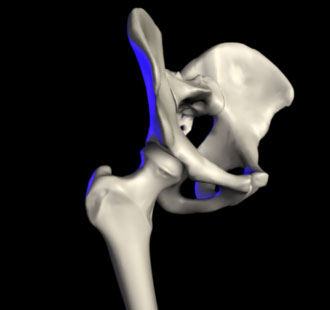
Hip · The hip joint is formed where the rounded head of the femur fits
The hip joint is formed where the rounded head of the femur fits into the deep, cup-shaped acetabulum of the pelvis, an arrangement that provides substantial inherent stability compared with more shallow joints like the shoulder.
Hip · closing 1
This combination of deep bony stability and powerful surrounding muscles explains why hip pain can originate from the joint itself, the surrounding tendons, or the muscles that control pelvic movement, each requiring a different assessment focus.
This is education from the atlas. It does not diagnose and does not prescribe a dose. It does not replace the full topic page.
What is the next question after this?
The hip joint is formed where the rounded head of the femur fits into the deep, cup-shaped acetabulum of the pelvis, an arrangement that provides substantial inherent stability compared with more shallow joints like the shoulder.
Does this page rank people or nations?
This is education from the atlas. It does not diagnose and does not prescribe a dose. It does not replace the full topic page.
Where is the longer entry?
This combination of deep bony stability and powerful surrounding muscles explains why hip pain can originate from the joint itself, the surrounding tendons, or the muscles that control pelvic movement, each requiring a different assessment focus.