At a glance
Rehabilitation after stroke relies heavily on neuroplasticity — the brain's capacity to reorganize and form new connections — to relearn movement patterns and compensate for damaged areas. The most rapid gains are typically seen in the first three to six months, though meaningful improvement can continue well beyond this window with continued, structured practice.
Weigh it for yourself
Mark each measure High, Any or Low for what you want. The fit number moves with every mark, and your marks follow you to the next page in this app.
| Measure | Post-Stroke | Shoulder | You want |
|---|---|---|---|
| Pain frequency | |||
| Recovery length | |||
| Exercise load | |||
| Clinician need | |||
| Self-care fit | |||
| Recurrence risk |
Mark at least one measure to see a fit number.
Scores are the atlas’s 0–100 teaching marks for each topic. They are not a diagnosis, a dose or a treatment choice.
Reading checklist
Tick a point once you could explain it in your own words. Ticks stay on this device.
0 of 4 points done
All points done. Next: Open the topic: Post-Stroke
Post-Stroke · A stroke occurs when blood flow to part of the brain is interrup
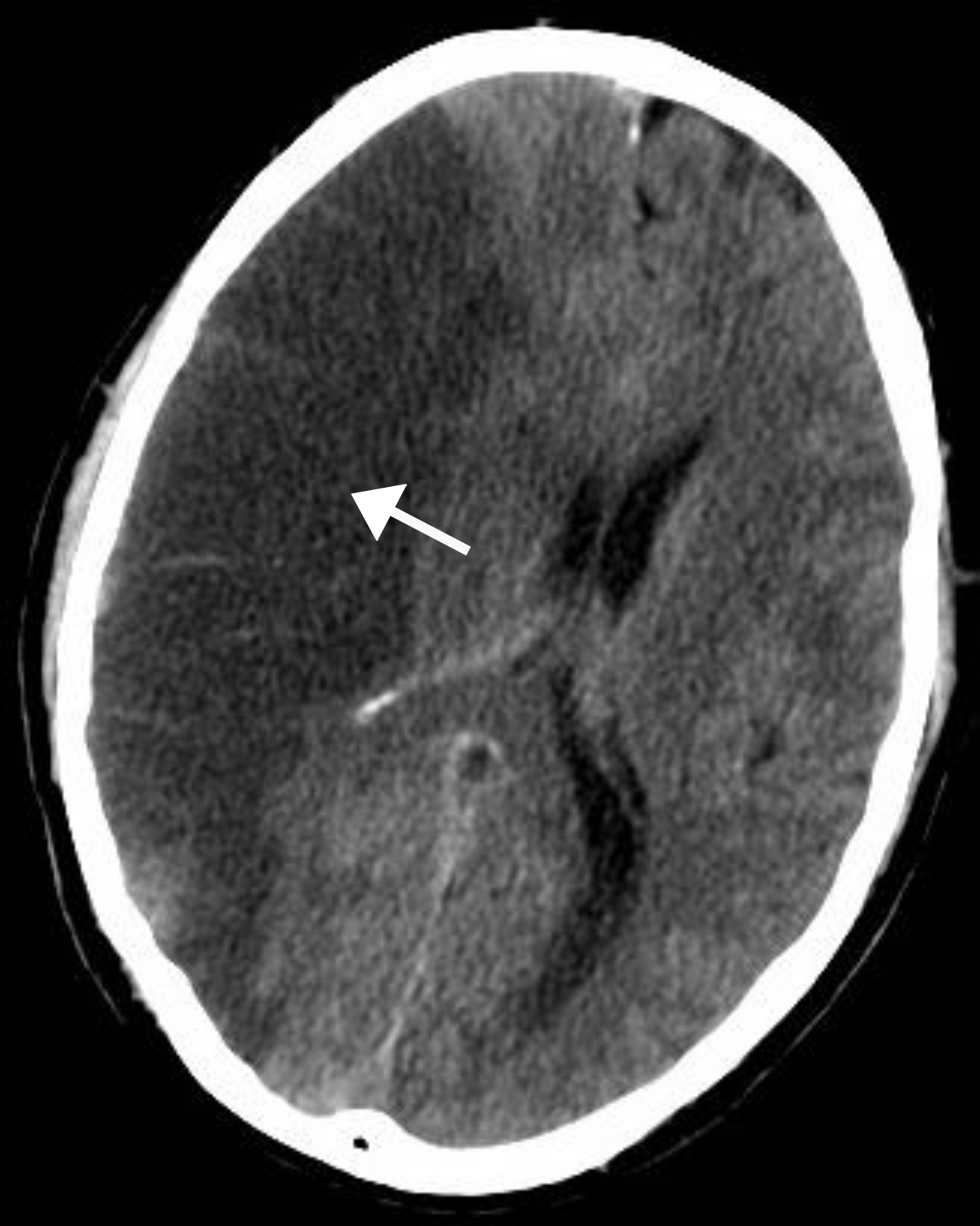
A stroke occurs when blood flow to part of the brain is interrupted, either by a blockage (ischemic stroke) or bleeding (hemorrhagic stroke), depriving brain tissue of oxygen and causing damage that can affect movement, sensation, speech, cognition, or a combination of these functions depending on the brain area involved.
Post-Stroke · Rehabilitation after stroke relies heavily on neuroplasticity —
Rehabilitation after stroke relies heavily on neuroplasticity — the brain's capacity to reorganize and form new connections — to relearn movement patterns and compensate for damaged areas. The most rapid gains are typically seen in the first three to six months, though meaningful improvement can continue well beyond this window with continued, structured practice.
Post-Stroke · Because stroke can affect so many different functions depending
Because stroke can affect so many different functions depending on its location and severity, rehabilitation is highly individualized and typically involves a multidisciplinary team including physical, occupational, and speech therapists. This page focuses on the physical rehabilitation dimension — anatomy and mechanisms, common physical effects, assessment, and general exercise and recovery patterns.
Post-Stroke · What is the difference between an ischemic and hemorrhagic strok
An ischemic stroke results from a blocked blood vessel reducing blood flow to part of the brain, while a hemorrhagic stroke results from bleeding into or around brain tissue; ischemic strokes account for the large majority of cases.
This is education from the atlas. It does not diagnose and does not prescribe a dose. It does not replace the full topic page.
What is the next question after this?
Because stroke can affect so many different functions depending on its location and severity, rehabilitation is highly individualized and typically involves a multidisciplinary team including physical, occupational, and speech therapists. This page focuses on the physical rehabilitation dimension — anatomy and mechanisms, common physical effects, assessment, and general exercise and recovery patterns.
Does this page rank people or nations?
This is education from the atlas. It does not diagnose and does not prescribe a dose. It does not replace the full topic page.
Where is the longer entry?
An ischemic stroke results from a blocked blood vessel reducing blood flow to part of the brain, while a hemorrhagic stroke results from bleeding into or around brain tissue; ischemic strokes account for the large majority of cases.