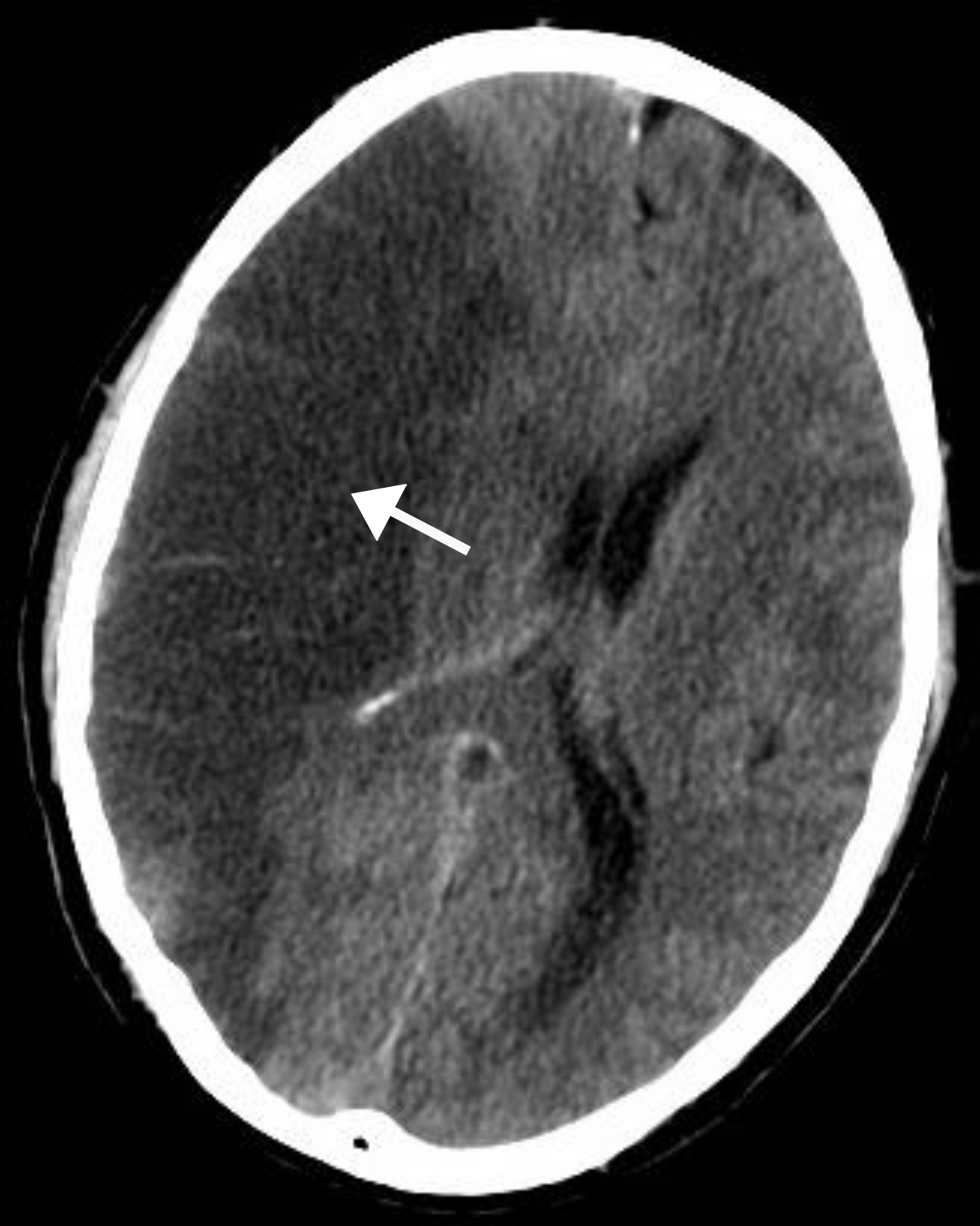
At a glance
This densely packed pathway carries movement signals from the brain to the spinal cord, and even a small area of damage here can produce significant weakness due to how tightly fibers are packed together. These deep brain structures help regulate movement smoothness and muscle tone, and their involvement can contribute to changes such as spasticity or movement initiation difficulty.
Weigh it for yourself
Mark each measure High, Any or Low for what you want. The fit number moves with every mark, and your marks follow you to the next page in this app.
| Measure | Post-Stroke | Shoulder | You want |
|---|---|---|---|
| Pain frequency | |||
| Recovery length | |||
| Exercise load | |||
| Clinician need | |||
| Self-care fit | |||
| Recurrence risk |
Mark at least one measure to see a fit number.
Scores are the atlas’s 0–100 teaching marks for each topic. They are not a diagnosis, a dose or a treatment choice.
Reading checklist
Tick a point once you could explain it in your own words. Ticks stay on this device.
0 of 4 points done
All points done. Next: Open the topic: Post-Stroke
Post-Stroke · closing 1
Understanding which brain systems were affected helps explain the specific pattern of physical, speech, or cognitive changes seen after a stroke, and helps guide a rehabilitation program tailored to the individual's particular deficits.
Post-Stroke · Internal capsule and corticospinal tract
This densely packed pathway carries movement signals from the brain to the spinal cord, and even a small area of damage here can produce significant weakness due to how tightly fibers are packed together. These deep brain structures help regulate movement smoothness and muscle tone, and their involvement can contribute to changes such as spasticity or movement initiation difficulty.
Post-Stroke · Physical effects following stroke vary widely depending on sever
Physical effects following stroke vary widely depending on severity and location, ranging from mild coordination changes to significant one-sided weakness affecting mobility and daily function. Because stroke can affect multiple systems simultaneously, physical effects are often addressed alongside speech, cognitive, and swallowing considerations as part of a comprehensive rehabilitation plan.
Post-Stroke · closing 1
Because these physical effects frequently overlap and interact — for example, weakness contributing to both gait changes and fall risk — rehabilitation typically addresses them together within an integrated program rather than in isolation. Weakness affecting one side of the body, the most common physical effect of stroke, ranging from mild to severe depending on the extent of brain injury.
This is education from the atlas. It does not diagnose and does not prescribe a dose. It does not replace the full topic page.
What is the next question after this?
Physical effects following stroke vary widely depending on severity and location, ranging from mild coordination changes to significant one-sided weakness affecting mobility and daily function. Because stroke can affect multiple systems simultaneously, physical effects are often addressed alongside speech, cognitive, and swallowing considerations as part of a comprehensive rehabilitation plan.
Does this page rank people or nations?
This is education from the atlas. It does not diagnose and does not prescribe a dose. It does not replace the full topic page.
Where is the longer entry?
Because these physical effects frequently overlap and interact — for example, weakness contributing to both gait changes and fall risk — rehabilitation typically addresses them together within an integrated program rather than in isolation. Weakness affecting one side of the body, the most common physical effect of stroke, ranging from mild to severe depending on the extent of brain injury.