Professional bouts range from four to twelve rounds of three minutes each, separated by one-minute rests. World championship fights are twelve rounds. Non-title fights are shorter, typically four to ten rounds depending on the fighters' experience. Title bouts were traditionally fifteen rounds, but the sport reduced them to twelve after the South Korean fighter Kim Duk-koo died from injuries suffered in a fifteen-round lightweight title fight against Ray Mancini in 1982. The WBC led the change that year, and the other sanctioning bodies followed, with the last fifteen-round title fight held in 1988. Amateur and Olympic men's bouts are three rounds; women's professional championship fights are usually ten two-minute rounds, though there is a push to allow three-minute rounds.
What does undisputed champion mean in boxing?
An undisputed champion holds all four major world titles in a division simultaneously: the WBA, WBC, IBF and WBO belts. Because boxing is governed by these four rival sanctioning bodies rather than one league, each division can have four different 'world champions' at once, and unifying all of them is the sport's ultimate achievement. Fragmentation made it nearly impossible for decades, but a deliberate revival has produced modern undisputed champions such as Canelo Alvarez at super middleweight in 2021 and Oleksandr Usyk, who in 2024 became the first four-belt undisputed heavyweight champion and the first undisputed heavyweight since Lennox Lewis in 1999. Undisputed titles are prized but fragile, since the bodies' conflicting mandatory-defense rules often force a champion to vacate one belt soon after unifying.
Who is the greatest boxer of all time?
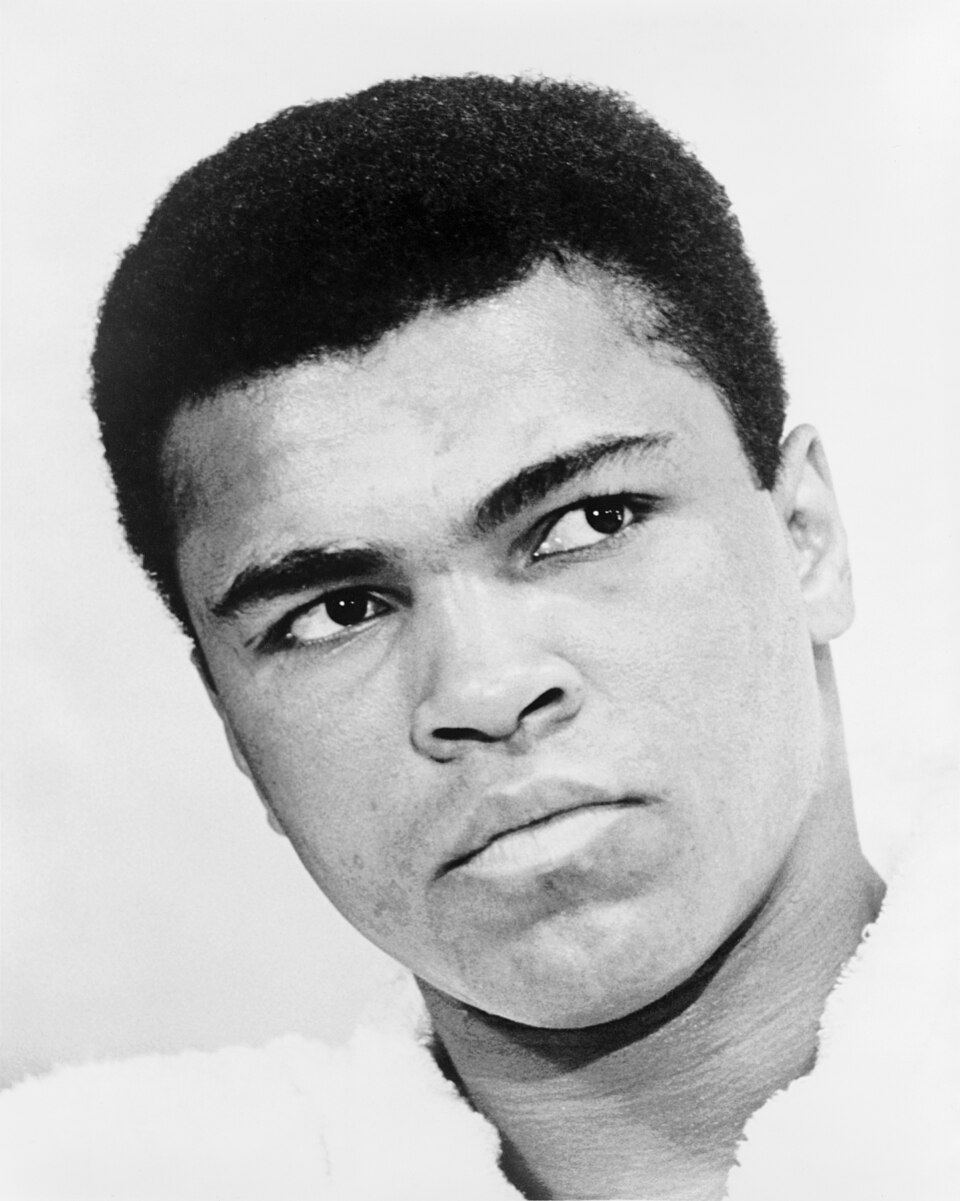
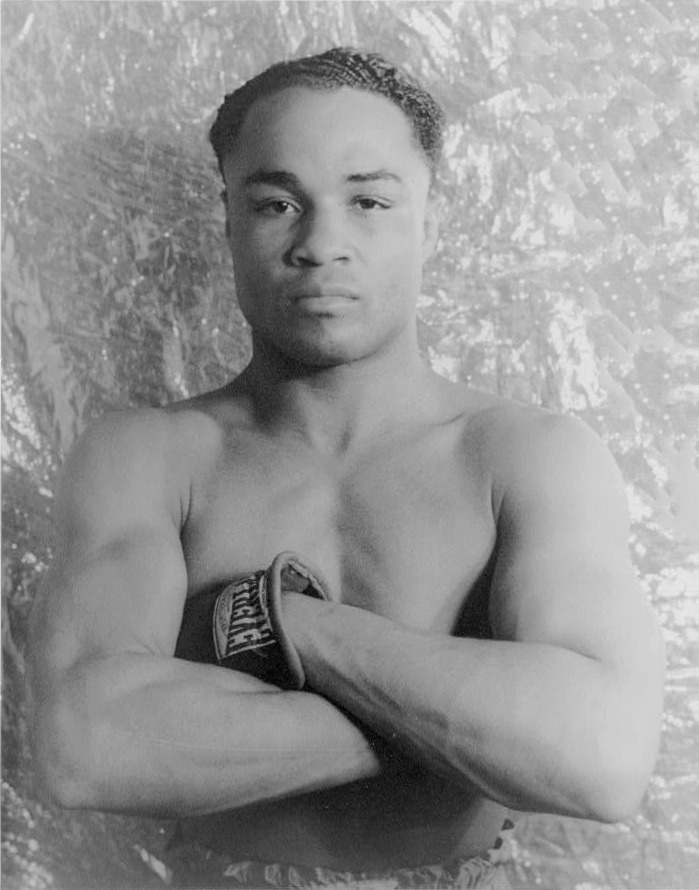
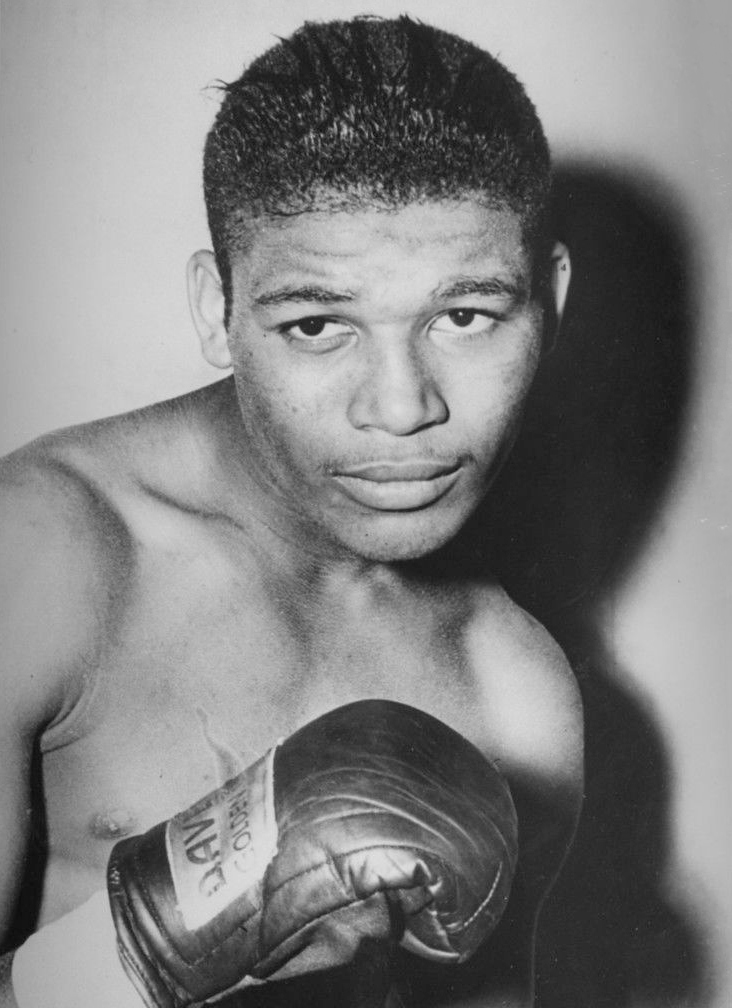
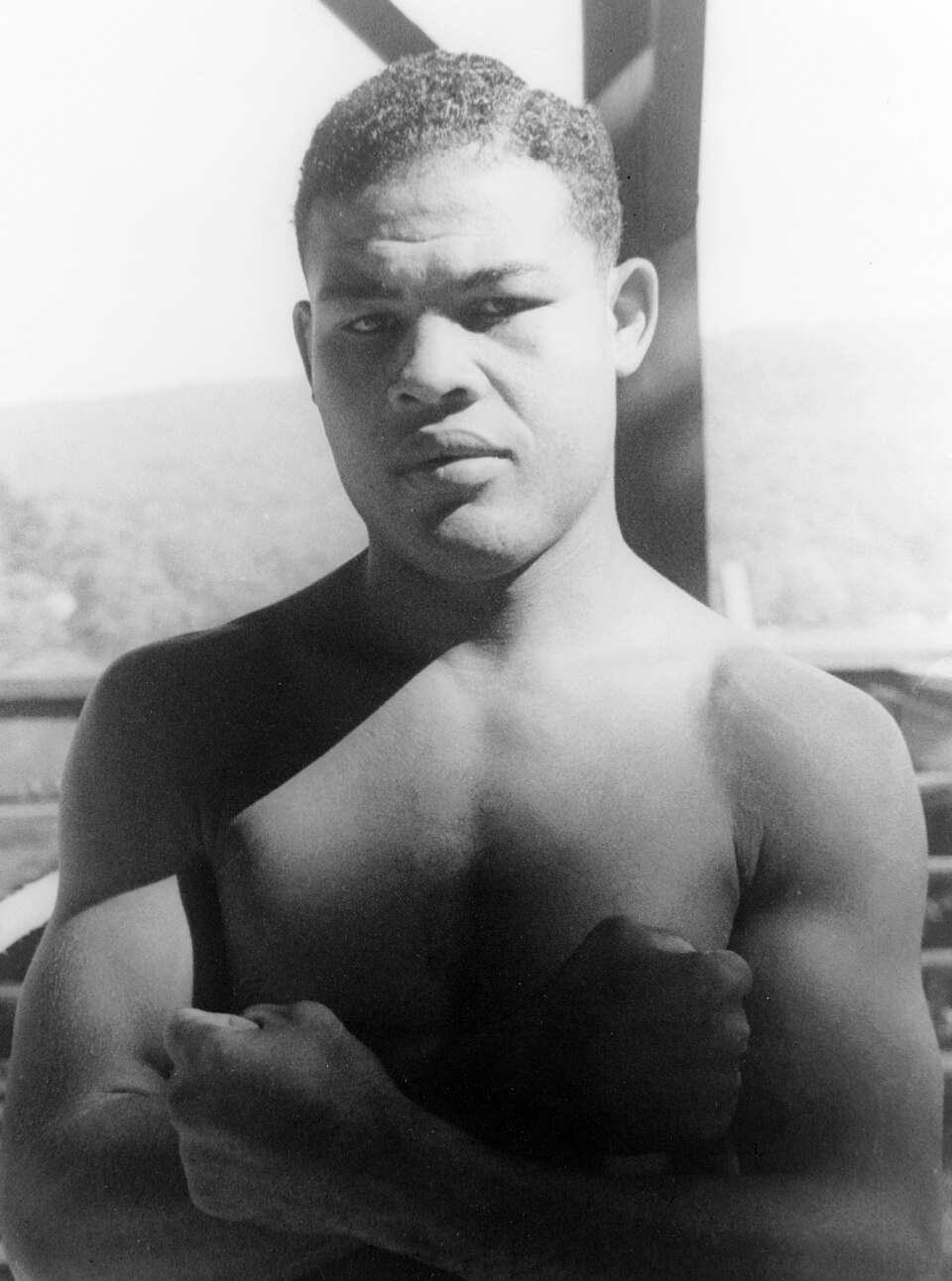
The most common answer is Sugar Ray Robinson, whom The Ring magazine and most historians rank as the greatest pound-for-pound fighter ever. Across a 25-year career he went roughly 173-19-6 with 108 knockouts, held the welterweight title and won the middleweight crown five times, and was unbeaten for 91 consecutive fights between 1943 and 1951. The phrase pound-for-pound, meaning greatness independent of weight, was coined to describe him. The debate's other leading names are Muhammad Ali, the most culturally significant boxer and a three-time heavyweight champion; Henry Armstrong, who held three world titles at once; and Joe Louis, whose heavyweight reign lasted nearly twelve years. Because fighters compete in different divisions and eras with no shared scoreboard, the ranking is a matter of informed judgment rather than settled fact.
What are the weight classes in boxing?
Professional boxing has seventeen weight divisions, matching fighters by size for safety and fairness. From lightest to heaviest they are: minimumweight (105 lb), light flyweight (108), flyweight (112), super flyweight (115), bantamweight (118), super bantamweight (122), featherweight (126), super featherweight (130), lightweight (135), super lightweight (140), welterweight (147), super welterweight (154), middleweight (160), super middleweight (168), light heavyweight (175), cruiserweight (200) and heavyweight (over 200 lb, with no upper limit). The 'super' and 'junior' prefixes denote in-between classes added over the decades. Fighters must make their division's weight limit at an official weigh-in, usually the day before the bout, and often rehydrate substantially before fighting. The proliferation of divisions is one reason boxing has so many world champions.
How is a boxing match scored?
Fights that go the distance are decided by three ringside judges using the 10-point must system. In each round, the judge awards 10 points to the fighter he believes won it and 9 or fewer to the other; a close round is 10-9, a round with a knockdown is usually 10-8, and a dominant round can be 10-8 or lower. Judges score clean, effective punching, ring generalship, defense and aggression, and they cannot see one another's cards during the fight, which is why split decisions happen. At the end, the scorecards are tallied: a fighter needs a majority of the three judges to win. Outcomes include unanimous decision (all three judges agree), split decision (two to one), majority decision (two judges plus one even card) and various draws. A knockout or stoppage ends the fight before the cards matter.
What is the difference between a KO and a TKO?
A knockout (KO) occurs when a fighter is knocked down and cannot rise before the referee counts to ten, ending the fight. A technical knockout (TKO) ends the fight while a fighter is still technically able to stand, when the referee decides he can no longer intelligently defend himself, when the ringside doctor halts the bout for injury, when a fighter's corner throws in the towel to protect him, or when a jurisdiction's three-knockdown rule triggers. Both count as stoppage wins and are recorded together in a fighter's knockout total. The distinction is essentially about how the stoppage happens: a full count for a KO, a judgment call by the referee, doctor or corner for a TKO. A related result is a retirement (RTD), when a fighter quits on his stool between rounds.
Ranking boxers across eras is harder than in most sports because there is no shared scoreboard: fighters compete in different divisions, under different rules, against fields of wildly varying depth, and the four-belt fragmentation of the modern game makes even 'champion' a slippery word. What survives comparison is the pound-for-pound idea, the notion, coined for Sugar Ray Robinson, that greatness can be judged independent of size, by how completely a fighter dominated his contemporaries and how far his skill extended across weights and years.
This ranking weighs championship achievement, dominance over quality opposition, longevity, and the historical consensus of trainers, historians and the fighters themselves. It reaches from Robinson and Henry Armstrong in the leather-thonged first half of the 20th century to Floyd Mayweather and Manny Pacquiao in the pay-per-view age, and it deliberately spans divisions from featherweight to heavyweight, because the pound-for-pound tradition insists a flyweight can be greater than a giant. Reasonable people reorder the top handful; the numbers below make each case at full strength.
All-time podium
🥈
Muhammad Ali
United States
2
🥇
Sugar Ray Robinson
United States
1
🥉
Henry Armstrong
United States
3
Comparison Lab
Toggle athletes on and off — every bar rescales to the leader of your selection.
Peak keeps each athlete’s strongest metrics; Career averages the full published set. Both stay editorial teaching marks.
5 / 12
Drag only reorders the cosmetic shortlist — it does not change teaching scores.
Default shortlist below works without JavaScript. Toggle chips after load to rebuild bars.
Compare · in selection · Career
1Sugar Ray Robinson95
2Henry Armstrong87
3Floyd Mayweather Jr.78
4Joe Louis75
5Muhammad Ali72
Career wins
Sugar Ray Robinson173
Henry Armstrong151
Joe Louis66
Muhammad Ali56
Wins by knockout
Sugar Ray Robinson108
Henry Armstrong101
Joe Louis52
Muhammad Ali37
Floyd Mayweather Jr.27
Middleweight title reigns
Sugar Ray Robinson5
Unbeaten streak
Sugar Ray Robinson91 bouts
The Ring all-time P4P
Sugar Ray RobinsonNo. 1
Titles held at once
Henry Armstrong3
Welterweight defenses
Henry Armstrong19
1937 win streak
Henry Armstrong27
Career record
Floyd Mayweather Jr.50-0
World titles
Floyd Mayweather Jr.15
Divisions won
Floyd Mayweather Jr.5
Career PPV revenue
Floyd Mayweather Jr.$1.3B+
Consecutive defenses
Joe Louis25
Reign length
Joe Louis11 yr 8 mo
Schmeling rematch
Joe LouisR1 KO, 1938
Heavyweight title reigns
Muhammad Ali3
Olympic gold
Muhammad Ali1960 Rome
Beat champs
Muhammad AliListon, Frazier, Foreman
Axis verdict on this selection
Pick one published scoring axis already on the GOAT lab. The leader is whoever is ahead among the athletes you keep selected — editorial teaching marks, not live stats.
Not a live box score, betting line, or a universal ranking. Bars stay scaled teaching marks from this sport’s published list.
Robinson is the fighter the phrase pound-for-pound was invented to describe, and The Ring's choice as the greatest of all time. He compiled a record of roughly 173-19-6 with 108 knockouts across 200 professional bouts and 25 years, and for a stretch was untouchable: he won his first 40 fights and was unbeaten for 91 consecutive bouts between 1943 and 1951. He held the welterweight crown, then won the middleweight title five separate times, the last at 37, beating Hall of Famers like Jake LaMotta, whom he defeated five times in six meetings, Kid Gavilan, Carmen Basilio and Gene Fullmer. His blend of one-punch power in either hand, hand speed, footwork and finishing instinct set the template every all-around great is measured against. Even in decline he was dangerous, and his combination of volume, dominance and artistry over a quarter century has never been matched.
The most consequential heavyweight case on this list: three-time champion, 56-5 record, and the political stage that outlived the ring. Ali never shared a ring with Mike Tyson — Ali's last fight was December 1981; Tyson's pro debut was March 1985 — so this VS page is peak-era teaching marks, not a real head-to-head.
Armstrong achieved the single most astonishing feat in boxing history: for several months in 1938 he simultaneously held world titles at featherweight, lightweight and welterweight, three divisions at once, a feat impossible under modern rules and never equaled. Nicknamed Homicide Hank and Hammerin' Hank, he fought at a suffocating, non-stop pace behind a peculiarly low heart rate that let him throw punches other men could not sustain. His record of roughly 151-21-9 with 101 knockouts includes a 1937 run of 27 straight wins, 22 by knockout, and 19 successful welterweight title defenses in barely two years. He beat Barney Ross, Lou Ambers and a who's who of the lighter divisions. Only a disputed draw with Ceferino Garcia denied him a fourth title in a fourth division. For sheer output, pressure and simultaneous multi-division mastery, no one else in the sport's history comes close.
The Brown Bomber authored the most dominant title reign in boxing history: heavyweight champion for 11 years and 8 months, from 1937 to 1949, with a record 25 consecutive successful defenses. His record was 66-3 with 52 knockouts, and his one-round destruction of Max Schmeling in their 1938 rematch, avenging his only prime loss, transcended sport as a symbol in the shadow of the Second World War. Louis combined textbook fundamentals, a compact, economical punch, and devastating two-handed power that produced the era's most feared knockouts. He fought through the so-called Bum of the Month Club against all comers, then anchored American morale as an Army champion during the war. Beyond the ring he broke barriers, becoming the first Black American widely embraced as a national hero and reshaping the heavyweight title's meaning. His combination of longevity, activity and finishing power at the sport's marquee weight remains a benchmark.
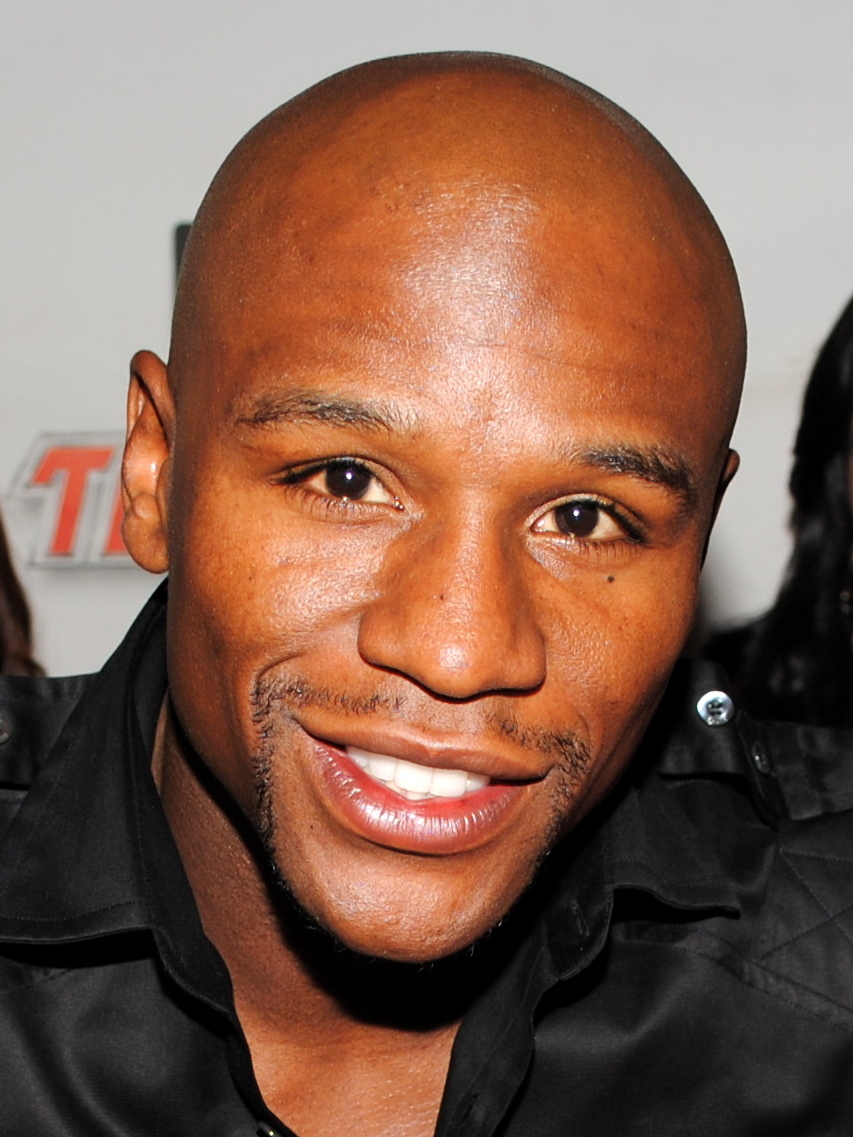
Mayweather retired at a perfect 50-0, breaking Rocky Marciano's iconic mark, having won 15 world titles across five weight divisions from super featherweight to super welterweight. The most defensively brilliant fighter of his era, he built his mastery on the Philly shell, elite reflexes, ring IQ and pinpoint counter right hands, making elite opponents miss and pay for two decades. He beat a long list of champions, Oscar De La Hoya, Manny Pacquiao, Canelo Alvarez, Juan Manuel Marquez, Miguel Cotto and Shane Mosley, and was virtually never in trouble across 26 years. He also transformed the business, becoming boxing's biggest pay-per-view attraction and generating over $1.3 billion in career PPV revenue; the 2015 Pacquiao fight alone drew roughly 4.6 million buys. Critics note a cautious, risk-averse style and carefully timed matchmaking, but the ledger, unbeaten, five divisions, a generation of top opponents defeated, is nearly unanswerable.
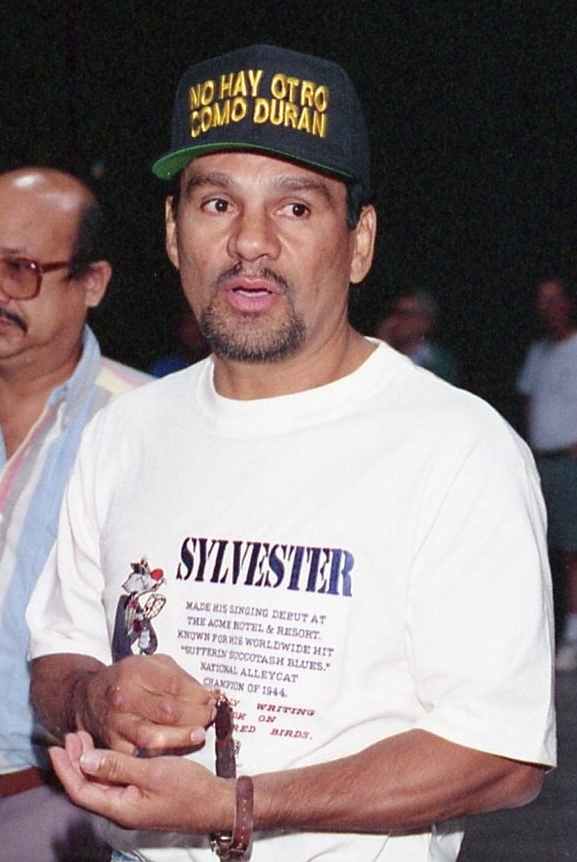
Manos de Piedra, Hands of Stone, fought across five decades and four weight divisions, from a terrifying lightweight to a middleweight champion, over 119 professional bouts. His record of roughly 103-16 with 70 knockouts is anchored by one of the great division reigns in history: as lightweight champion he made 12 defenses and lost only one of his first 72 fights, a run of destructive pressure fighting, body punching and inside mastery that many rate the finest lightweight ever. He beat Ken Buchanan, Esteban DeJesus, Sugar Ray Leonard, in the 1980 Brawl in Montreal, Iran Barkley and Davey Moore, winning titles at lightweight, welterweight, light middleweight and middleweight. The infamous No Mas surrender to Leonard in their rematch was a stain, but his ferocity, longevity, still competitive into his fifties, and sheer will made him a fighter's fighter and one of the most beloved and feared competitors the sport has known.
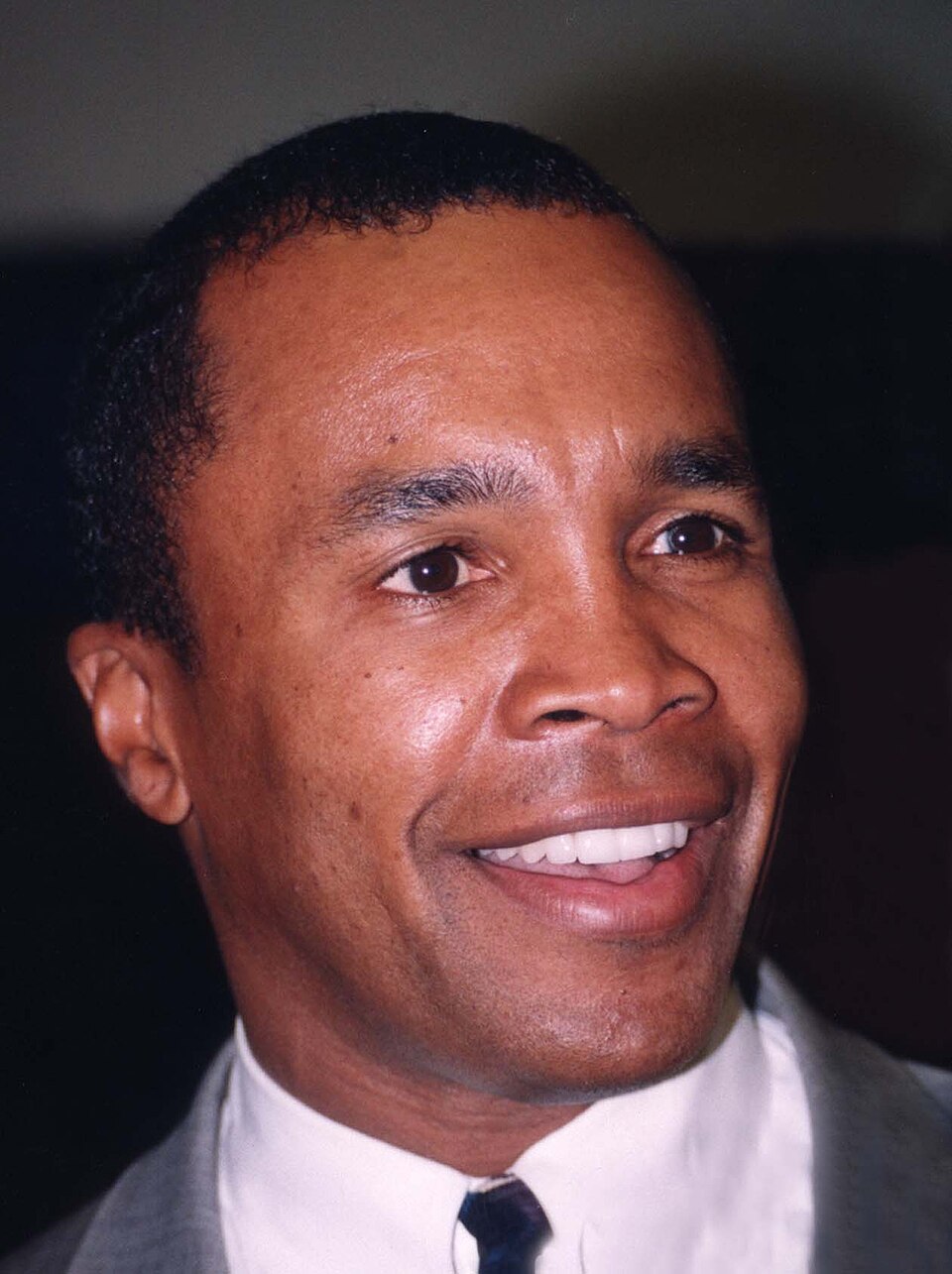
The defining star of boxing's 1980s golden age, Leonard finished 36-3-1 with 25 knockouts and won world titles in five weight divisions. A 1976 Olympic gold medalist, he combined dazzling hand speed, showmanship and, when needed, real grit and power. His greatness is measured by opposition: he beat every one of the other 'Four Kings,' outlasting Thomas Hearns in a 1981 welterweight classic, breaking Roberto Duran in the No Mas rematch, and, most improbably, coming off a multi-year retirement and detached-retina layoff to out-point the fearsome undefeated Marvin Hagler for the middleweight title in 1987. That willingness to take the hardest fights, often after long absences, and win them defines his resume. He fought less often than the all-time volume leaders, and some of his verdicts were close, but few fighters have beaten a comparable concentration of Hall of Fame peers at their peak.
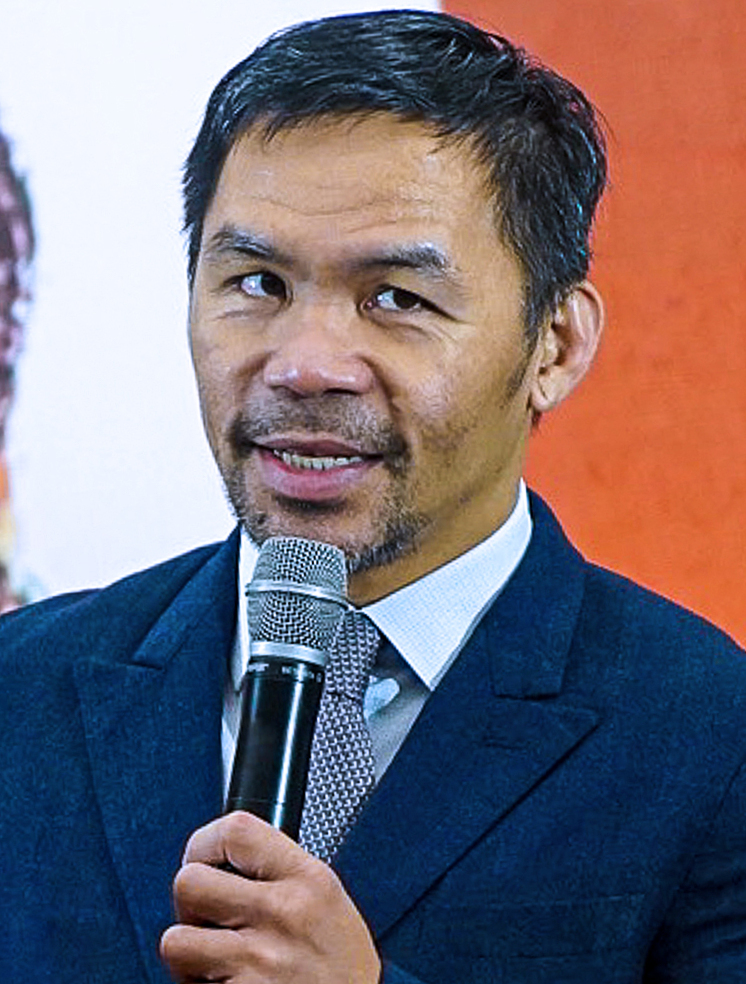
The only fighter in history to win world titles in eight weight divisions, Pacquiao climbed from a 106-pound teenager in Manila to a welterweight champion who beat the sport's biggest names. His record of 62-8-2 with 39 knockouts is decorated with lineal titles in four divisions and destructive wins over Oscar De La Hoya, Ricky Hatton, whom he knocked cold in two rounds, Miguel Cotto, Marco Antonio Barrera and Erik Morales in an epic trilogy, and Juan Manuel Marquez in a rivalry of four razor-thin fights. A whirlwind southpaw with blinding speed, an unusual angle of attack and relentless volume, he was named Fighter of the Decade for the 2000s. He carried a nation, becoming a Philippine senator while still fighting at the elite level. Only a controversial loss to Marquez and the long-delayed Mayweather defeat mark an otherwise singular ascent through the weight classes.
The greatest Mexican fighter and one of the finest body punchers who ever lived, Chavez was unbeaten in his first 90 professional fights, a run of 89-0-1 spanning 1980 to 1994 that is among the longest in boxing history. He finished roughly 107-6-2 with 86 knockouts and won world titles in three divisions, super featherweight, lightweight and light welterweight. He holds the record for most world title fights, 37, and title-fight wins, 31. His signature nights include the last-second, near-miraculous 12th-round stoppage of Meldrick Taylor in 1990 with the fight slipping away, and a title defense before roughly 132,000 fans at Estadio Azteca in 1993, a record boxing crowd. His method, methodical pressure, a granite chin, and merciless work to the liver and ribs that broke opponents down over rounds, made him a national hero in Mexico and a fixture at the top of pound-for-pound lists through his prime.
Pep won more professional fights than any world champion in history, finishing roughly 229-11-1 with 65 knockouts across 241 bouts, and is the standard-bearer for pure defensive artistry. Nicknamed Will o' the Wisp, the two-time featherweight champion was so elusive that legend holds he once won a round without throwing a punch, evading, feinting and pivoting his opponent into missing everything. He opened his career 62-0 before his first loss and reeled off multiple long winning streaks, including a return to the top after surviving a 1947 plane crash that doctors thought would end his career. His four-fight rivalry with Sandy Saddler, whom he beat once in a masterclass before losing three rougher rematches, defined the featherweight division of the 1940s and 1950s. For sheer volume of victories and the highest expression of hit-and-don't-get-hit boxing, Pep has no equal.
Youngest heavyweight champion at 20 years 4 months (1986), 50-6 record with 44 knockouts, and a peak that compressed fear into short rounds. He never fought Ali; the eras do not overlap in the paid ranks. Compare shared teaching axes on this VS page, then open the GOAT lab Peak/Career toggle.
The only heavyweight champion in history to retire undefeated and untied, Marciano finished a perfect 49-0 with 43 knockouts, an 87.8 percent knockout rate among the highest of any champion. Undersized for a heavyweight at under six feet and around 185 pounds, the Brockton Blockbuster overcame reach and skill deficits with relentless pressure, a granite chin, extraordinary conditioning and concussive power, most famously in the Suzie Q, his overhand right. He won the title in 1952 by knocking out Jersey Joe Walcott, whom he was losing to on the cards, with a single thunderous right hand in the 13th round, and defended it six times before walking away in 1956 at his peak, a rarity in any era. Critics note a shallow heavyweight field, but no one else combined a flawless record, a near-90 percent knockout rate, and the discipline to retire on top and stay retired.
Career record
49-0
Wins by knockout
43
Knockout percentage
87.8%
Title defenses
6
Retired undefeated
1956
Bars are scaled to the leader in this list.
The debate
The case for Sugar Ray Robinson at the top is the strongest in the sport, and it rests on a combination no one else offers: 173 wins with 108 knockouts, a 91-fight unbeaten streak, five middleweight title reigns stretching into his late thirties, and a body of work so complete that the very phrase pound-for-pound was minted to describe him. The counterarguments are era-relative. Muhammad Ali's supporters point to a deeper heavyweight field, a global cultural footprint no boxer has matched, and the fact that he twice reclaimed the title after prime years were confiscated by his stand against the draft. Henry Armstrong's partisans note the literally impossible feat of holding three world titles at once, which no rule now permits anyone to repeat.
Beneath the top tier the arguments turn on how to weigh different kinds of greatness. Do you rank an unbeaten defensive master like Floyd Mayweather, 50-0 across five divisions but criticized for cautious matchmaking, above a fighter like Duran or Pacquiao who took more risks, lost more often, and thrilled more? Should Willie Pep's 229 wins and defensive wizardry outrank Tyson's brief, incandescent peak? Is Marciano's perfect record diminished by a thin heavyweight era, and how much should longevity count against a fighter like Leonard who fought sparingly but beat a murderer's row of Hall of Famers? There is no shared scoreboard to settle it. What every credible list agrees on is that the pound-for-pound tradition is boxing's real measure: greatness is dominance over your contemporaries, wherever on the scale you stand, which is why a featherweight and a heavyweight can share the same argument.
Walk through this GOAT ranking once
A static pass over the published Boxing list on this page — teaching marks, not live stats.
Open the ranking block — Scroll to the numbered GOAT table below the lab. Order is editorial; bars are teaching percentages tied to each athlete card.
Read Peak vs Career as labels — The Career / Peak toggle reshapes which bars the comparison lab shows. It does not fetch new statistics — it switches published teaching marks.
Compare Sugar Ray Robinson and Muhammad Ali on Career wins — Find both names in the table and read the first published axis (Career wins). Note who leads on that axis only; other axes can disagree.
Use the axis-verdict picker second — After you have read the table, the axis-verdict block is a second pass on the same published stats — a teaching check, not a trophy ceremony.
On Boxing, Sugar Ray Robinson vs Muhammad Ali on Career wins is the smallest honest comparison the page offers before you open VS links.
Editorial teaching ranks only. Not betting advice, fantasy scoring or a live leaderboard.
Second pass: Peak toggle and another axis
After the first-axis walk on Boxing, use Peak vs Career and a second published axis already on this page.
Flip Career to Peak once — On the comparison lab, switch from Career to Peak. Bars reshape from published peak marks — no live fetch.
Read Sugar Ray Robinson and Muhammad Ali on Wins by knockout — In the GOAT table, leave the first axis behind and read the second published axis (Wins by knockout) for both names.
Note if the leader flips — If Peak or Wins by knockout reverses Sugar Ray Robinson vs Muhammad Ali from the first-axis pass, keep both results as teaching marks, not a trophy.
Axis-verdict as a check — Optionally set the axis-verdict picker to Wins by knockout and confirm the same published numbers.
On Boxing, Peak plus Wins by knockout for Sugar Ray Robinson vs Muhammad Ali is a second honest decision using only marks already printed here.
Editorial teaching only. Not betting, fantasy scoring or a live board.
Pick the published mark
Teaching read only. Not a trophy, a bet, or a live board.
How to read this GOAT list
Are these live rankings or betting odds?
No. The bars are editorial teaching marks scaled to the leader already published on this sport’s GOAT page. They are not live box scores, transfer values, or a betting line.
What is the difference between Peak and Career?
Peak keeps each athlete’s strongest published metrics. Career averages the full published set on this page. Both stay teaching marks — switch the era buttons on the lab to rescale the same list.
How do I see who leads on one published axis?
Open the axis verdict on this page, pick one scoring axis already in the lab, and keep the athletes you want selected. The line names whoever is ahead on that axis among that selection.
How do VS pages relate to this list?
A VS page uses the same published numbers as this ranking. It does not invent a new score. Open Compare if you want to rescale a custom subset.