A Test gives each side two full innings and asks them to bowl the other out twice, which simply takes time; a minimum of 90 overs is bowled each day across five days, roughly 450 overs in all. The format is designed as an examination of skill, stamina, and temperament rather than a quick result, so batters can occupy the crease for hours and bowlers must find sustained ways to take twenty wickets. If neither side completes the task in time, the match is drawn. This endurance is the point: Test cricket rewards patience and shifting momentum that shorter formats, decided in a single innings, cannot offer.
What is the difference between Test, ODI, and T20 cricket?
Three formats differ mainly by length and result pressure. Test cricket: up to five days, two innings each, no over limit, draws allowed — stamina and technique. ODI: one innings of 50 overs each, always a result unless abandoned — balance of pace and patience. T20: 20 overs each, about three hours — constant strike-rate pressure. First-class and List A mirrors of Test/ODI exist domestically. Rain in limited-overs games recalculates the chase with Duckworth-Lewis-Stern from remaining overs and wickets. Print the rules quick-ref on this page beside a first watch.
What does LBW mean in cricket?
LBW stands for leg before wicket, one of the main ways a batter is dismissed. If the ball strikes the batter's pad or body, rather than the bat, and the umpire judges that it would have gone on to hit the stumps, the batter can be given out. Several conditions apply: the ball must not pitch outside the line of leg stump, and if it strikes the pad outside the line of off stump the batter is safe provided he was attempting a shot. Ball-tracking technology now assists the decision through the review system, projecting the ball's path to show whether it would have hit the wicket.
Who is the greatest cricketer of all time?
There is near-consensus that Sir Donald Bradman is the greatest batsman, and often the greatest cricketer, purely on the strength of his Test average of 99.94, a figure no one else has approached, roughly double that of other all-time greats. Beyond Bradman the debate is genuinely open. Sachin Tendulkar holds the records for most international runs and centuries; Garfield Sobers and Jacques Kallis are the leading all-rounders; Muttiah Muralitharan and Shane Warne dominate bowling; and Brian Lara, Viv Richards, and Virat Kohli have their strong advocates. Because the game has changed so much across eras, most fans accept Bradman at the top and argue endlessly about the order below him.
Why is cricket so popular in India?
Cricket took root in India under British rule and grew into a national passion after independence, but the turning point was the 1983 World Cup, when Kapil Dev's underdog side beat the mighty West Indies at Lord's and inspired a generation. Television then carried the game into hundreds of millions of homes, and stars such as Sachin Tendulkar became national icons. India's vast population and the commercial power of its market made it the financial centre of world cricket, a status cemented by the Indian Premier League from 2008. Today cricket in India is closer to a shared cultural language than a mere sport, cutting across region, language, and class.
What is the Duckworth-Lewis-Stern method?
The Duckworth-Lewis-Stern, or DLS, method is the mathematical formula used to reset targets in limited-overs matches shortened by rain or other interruptions. It recognizes that a team's scoring potential depends on two resources, the overs remaining and the wickets in hand, and calculates a fair revised target based on how much of those resources each side had available. Developed by statisticians Frank Duckworth and Tony Lewis and later refined by Steven Stern, it replaced cruder systems that could produce absurd targets. While its calculations can look opaque to spectators, DLS is widely accepted as the fairest available way to decide interrupted white-ball matches and is used at all levels including World Cups.
Ranking cricketers across eras is fraught, because the game they played changed so profoundly, from uncovered pitches and timeless Tests to helmets, thick bats, and three formats. Batting averages, wicket tallies, and longevity give a spine of hard evidence, but they must be weighed against the conditions and opposition of the age. The list below balances peak dominance against sustained output, and specialists against all-rounders.
One name stands apart. Donald Bradman's Test average of 99.94 is not merely the best; it is an outlier so extreme that in any other sport it would be dismissed as impossible. Around him, the argument is genuinely open, between the volume of Sachin Tendulkar, the destructive brilliance of Viv Richards and Brian Lara, the bowling of Muralitharan and Warne, and the modern mastery of Virat Kohli.
All-time podium
🥈
Sachin Tendulkar
India
2
🥇
Don Bradman
Australia
1
🥉
Garfield Sobers
West Indies
3
Comparison Lab
Toggle athletes on and off — every bar rescales to the leader of your selection.
Peak keeps each athlete’s strongest metrics; Career averages the full published set. Both stay editorial teaching marks.
5 / 12
Drag only reorders the cosmetic shortlist — it does not change teaching scores.
Default shortlist below works without JavaScript. Toggle chips after load to rebuild bars.
Compare · in selection · Career
1Sachin Tendulkar100
2Muttiah Muralitharan100
3Don Bradman75
4Shane Warne68
5Garfield Sobers47
International runs
Sachin Tendulkar34,357
International 100s
Sachin Tendulkar100
Test runs
Sachin Tendulkar15,921
Garfield Sobers8,032
Don Bradman6,996
ODI runs
Sachin Tendulkar18,426
Tests played
Sachin Tendulkar200
Test wickets
Muttiah Muralitharan800
Shane Warne708
Garfield Sobers235
ODI wickets
Muttiah Muralitharan534
Shane Warne293
International wickets
Muttiah Muralitharan1,347
Shane Warne1,001
Test five-fors
Muttiah Muralitharan67
Shane Warne37
Test average
Don Bradman99.94
Garfield Sobers57.78
Test centuries
Don Bradman29
Garfield Sobers26
Double hundreds
Don Bradman12
Axis verdict on this selection
Pick one published scoring axis already on the GOAT lab. The leader is whoever is ahead among the athletes you keep selected — editorial teaching marks, not live stats.
Not a live box score, betting line, or a universal ranking. Bars stay scaled teaching marks from this sport’s published list.
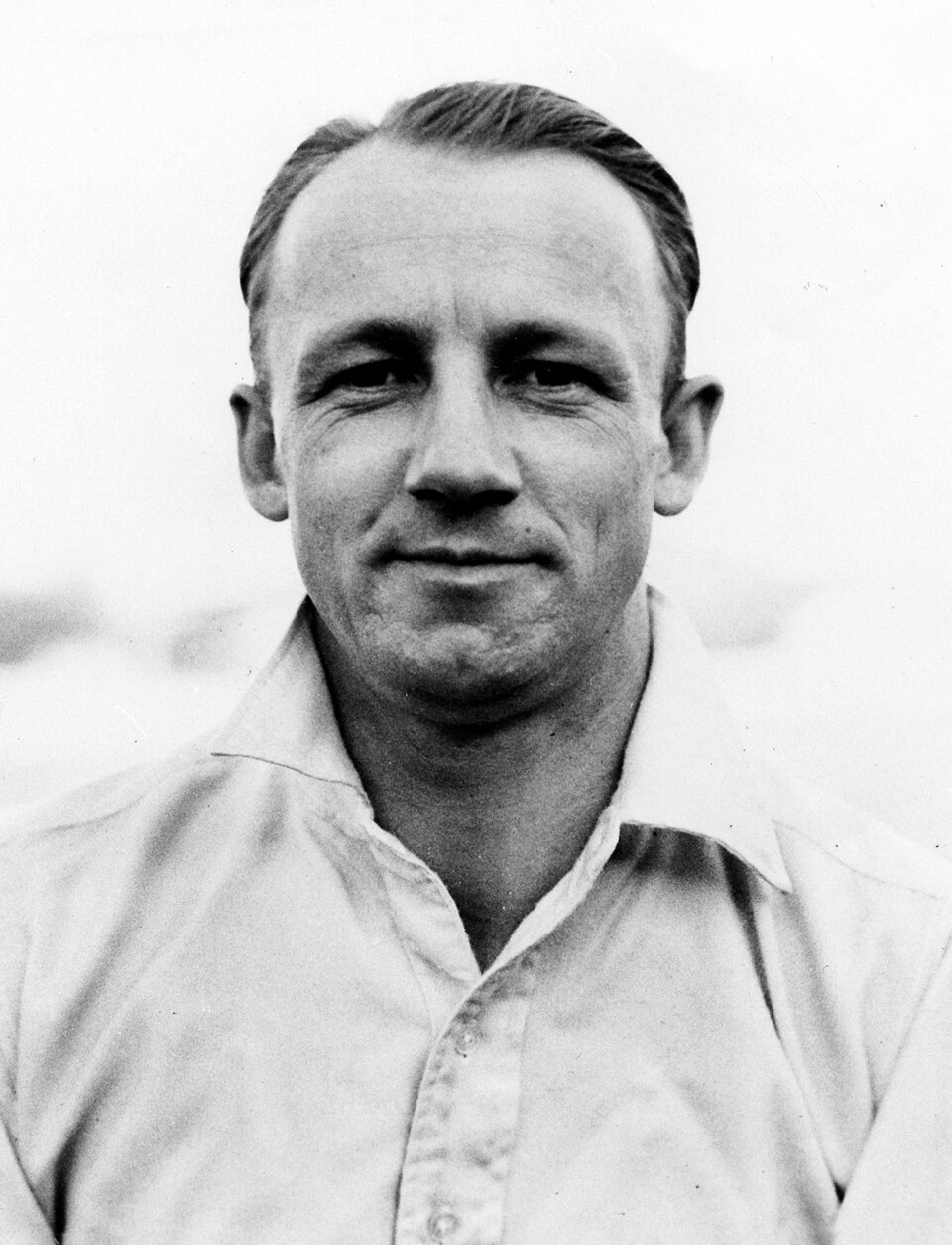
Donald Bradman's career Test average of 99.94 is the most celebrated number in cricket, and arguably in all of sport. In 52 Tests he scored 6,996 runs with 29 centuries, twelve of them double hundreds, and once made 334 against England at Leeds. He needed only four runs in his final innings, at The Oval in 1948, to average 100, but was bowled for a duck by Eric Hollies, a full stop of almost mythic cruelty. Bradman scored his runs on uncovered pitches, against Bodyline devised specifically to stop him, and averaged nearly double the next-best batsman of any era. He also captained Australia's unbeaten 1948 Invincibles. No batsman since has come close to his standard; the gap between Bradman and the field is the widest in the sport's statistical history, which is why he sits first on almost every credible list.
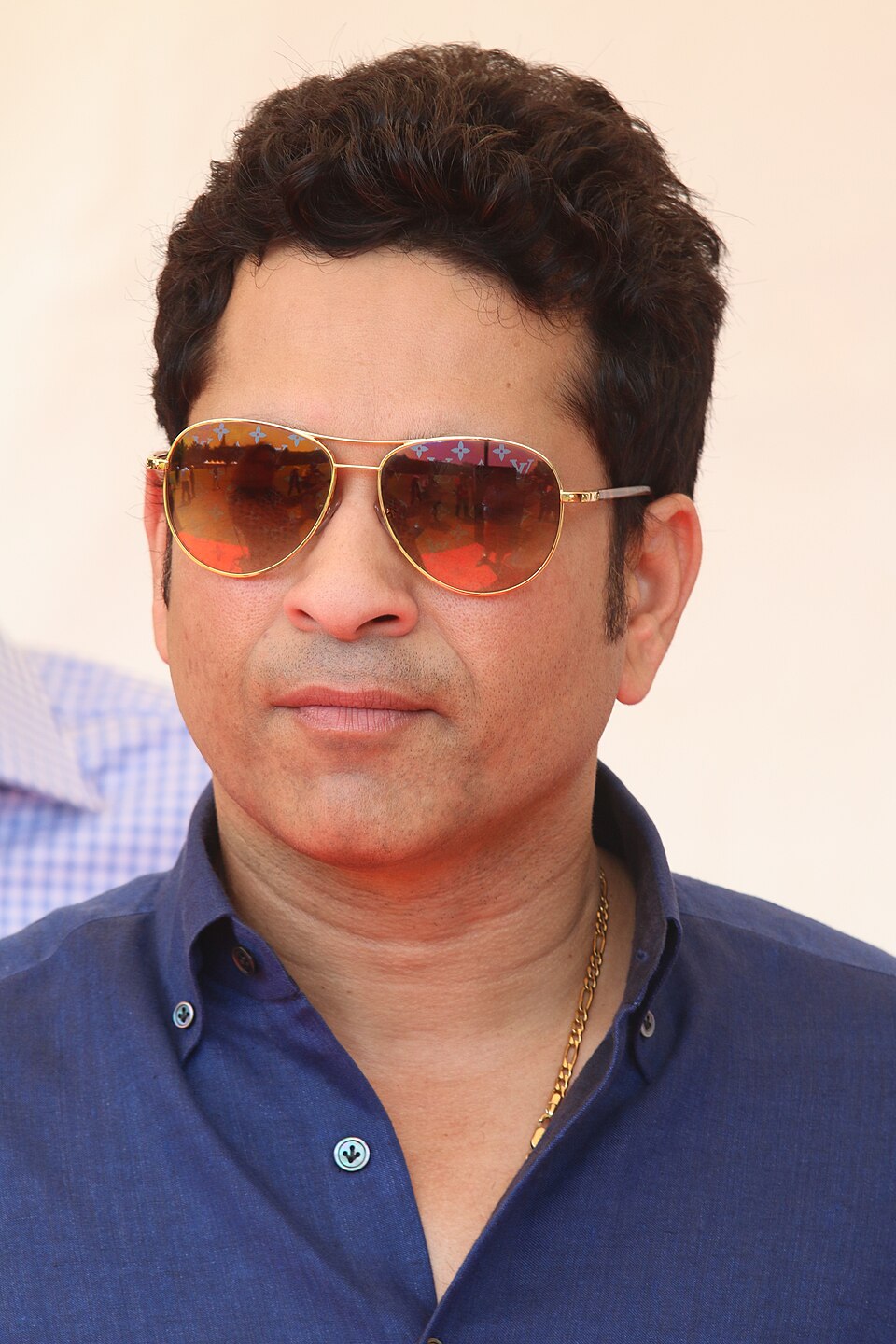
Sachin Tendulkar is the most prolific run-scorer the game has known. Across a 24-year international career he amassed 34,357 runs, 15,921 in Tests and 18,426 in ODIs, both records, and scored 100 international centuries, a milestone no one else has reached. He played 200 Tests and 463 ODIs, carrying the expectations of a cricket-obsessed nation from the age of sixteen. He finished his ODI career holding the first men's ODI double century, 200 not out against South Africa in 2010. Tendulkar's technique was near-flawless against pace and spin alike, and his straight drive became an emblem of orthodox batting. He finally won the World Cup at home in 2011, in his sixth attempt, on a wave of national emotion. For sheer weight of runs and longevity at the top, he is without peer.
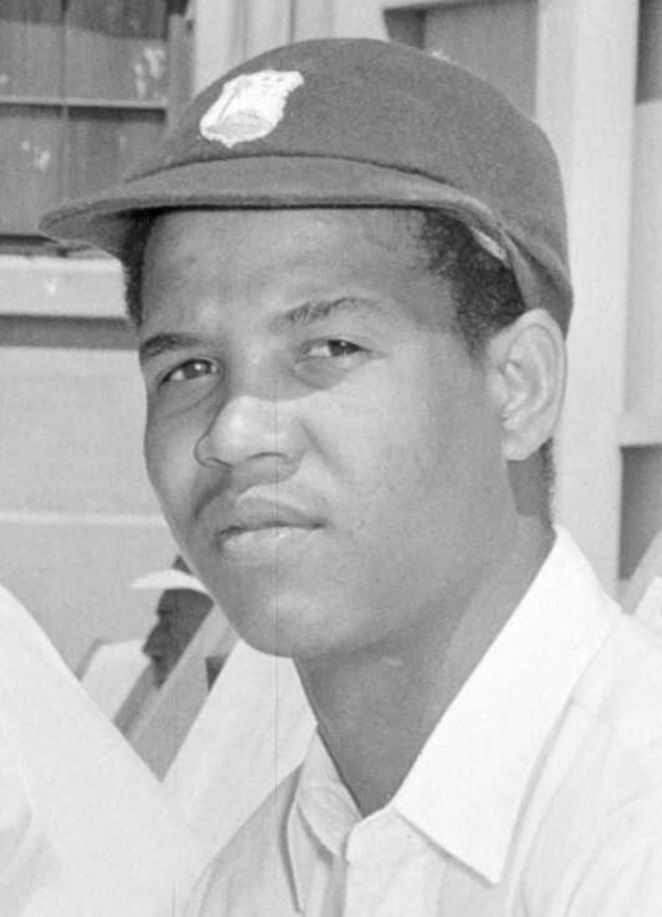
Garfield Sobers is widely regarded as the greatest all-rounder cricket has produced. He scored 8,032 Test runs at 57.78 with 26 centuries, took 235 wickets bowling three different styles, fast-medium, orthodox spin, and wrist spin, and held more than 100 catches. In 1958, aged 21, he made 365 not out against Pakistan, a Test record that stood for 36 years. In 1968 he struck six sixes in an over for Nottinghamshire, the first man to do so in first-class cricket. Sobers could open the bowling or turn to spin, bat anywhere, and field brilliantly close in or in the deep, making him a complete cricketer in a way few have matched. His blend of elegance and versatility, sustained across two decades for West Indies, places him among the two or three most gifted players ever to hold a bat.
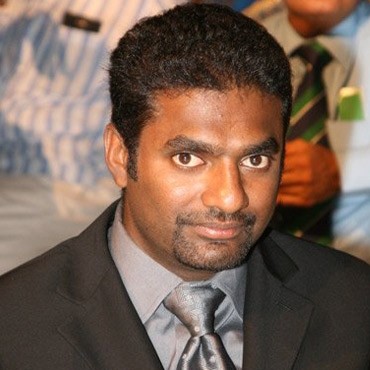
Muttiah Muralitharan is the most successful bowler in history, with 800 Test wickets and 534 in ODIs, 1,347 international wickets, a total no one else approaches. Bowling off-spin with a uniquely flexible wrist and a doosra that turned the other way, the Sri Lankan took five wickets in a Test innings 67 times and ten in a match 22 times, both records. He claimed his 800th and final Test wicket with his last delivery, against India at Galle in 2010. His action was scrutinized and twice cleared by biomechanical testing, controversy that shadowed but never diminished his output. For two decades he was Sri Lanka's match-winner, capable of running through sides on turning pitches and containing on flat ones. Sheer volume of wickets, across formats and conditions, makes him the benchmark against which all spin bowlers are measured.
Shane Warne revived the dying art of leg-spin and became one of the game's supreme match-winners. He took 708 Test wickets, second only to Muralitharan, plus 293 in ODIs. His first ball in Ashes cricket, in 1993, spun sharply from outside leg stump to clip Mike Gatting's off bail, instantly dubbed the Ball of the Century and a recruiting poster for wrist-spin worldwide. Warne combined vicious turn with drift, a well-disguised flipper, and relentless psychological pressure on batters. He was central to Australia's dominance and took 40 wickets in the classic 2005 Ashes even in defeat. A gifted lower-order batsman who finished with over 3,000 Test runs without a century, he was a showman whose cricket brain matched his fingers. No spinner did more to make the craft box-office.
Vivian Richards was the most intimidating batsman of his generation, a swaggering strokemaker who never wore a helmet even against the fastest bowling. He scored 8,540 Test runs at 50.23 and 6,721 in ODIs, and in 1976 alone he plundered 1,710 Test runs, a calendar-year record that stood for decades. His 56-ball century against England in 1986, still among the fastest in Tests, captured his disdain for bowlers. As the batting heart of the West Indies side that went fifteen years unbeaten in Test series, Richards blended Caribbean flair with ruthless dominance, walking to the crease chewing gum with an air of total authority. He later captained the team without losing a series. More than his numbers, it was the psychological ascendancy he held over every attack that marks him among the greatest and most feared batsmen ever.
Jacques Kallis was the most complete all-rounder of the modern era and, statistically, one of the greatest cricketers ever. He scored 13,289 Test runs at 55.37 with 45 centuries, figures that alone would rank him among the finest batsmen, and took 292 Test wickets with genuine fast-medium pace, plus over 200 catches at slip. Across formats he passed 25,000 international runs and 500 wickets, a double no one else has achieved at that level. Kallis batted with granite orthodoxy for South Africa, often anchoring the order, while his bowling gave his captain a genuine extra seam option. Undemonstrative and sometimes overlooked beside flashier contemporaries, he compiled a body of work whose sheer breadth, elite batting and Test-class bowling sustained for two decades, is arguably unmatched in the game's history.
Brian Lara was cricket's supreme record-breaker and its most thrilling big-innings player. The left-hander holds the highest individual Test score, 400 not out against England in 2004, and the highest first-class score, 501 not out for Warwickshire in 1994, the only man to reclaim the Test record after losing it. He scored 11,953 Test runs with 34 centuries, nine of them over 150, and averaged over 52 while often carrying a weak West Indies batting order. His high backlift and explosive strokeplay made even world-class attacks look ordinary; his 153 not out to beat Australia at Bridgetown in 1999 is regarded as one of the greatest match-winning innings ever played. Lara scored with a speed and audacity that set him apart from his contemporaries, and on his day no batsman was more capable of dominating a Test single-handedly.
Ricky Ponting was the driving force of the most dominant team of the modern era and one of Test cricket's heaviest scorers. He amassed 13,378 Test runs with 41 centuries and 13,704 ODI runs, second only to Tendulkar in both. A brilliant puller and cutter with fast hands, he anchored Australia's batting for over a decade. As captain he won 48 of his 77 Tests and lifted two of his three World Cup titles, in 2003 and 2007, leading a side that went undefeated across those tournaments. His unbeaten 140 in the 2003 World Cup final against India was a masterclass in one-day batting. Ponting's fierce competitiveness and outstanding fielding at silly point and in the covers made him the embodiment of Australian cricket's golden generation, and his combined run tally across formats ranks among the very highest ever.
Wasim Akram is regarded as the finest left-arm fast bowler in history and the master of swing, conventional and reverse. He took 414 Test wickets and 502 in ODIs, the second bowler to reach 500 one-day wickets, generating late, sharp movement from an explosive, whippy action. His two swinging deliveries in the space of three balls to dismiss Allan Lamb and Chris Lewis effectively won Pakistan the 1992 World Cup final. Akram could bowl the unplayable ball with either an old or new ball, and his reverse-swinging yorkers at the death set the template for a generation of quicks. A dangerous lower-order hitter who once made 257 not out in a Test, he was a genuine all-round talent. For skill, variety, and match-winning impact across formats, he stands at the peak of pace bowling.
Kumar Sangakkara was one of the most prolific and elegant batsmen of his era and a fine wicketkeeper for much of his career. The Sri Lankan left-hander scored 12,400 Test runs at 57.40 with 38 centuries, eleven of them over 150, and 14,234 ODI runs, the second-highest ODI tally ever. In the 2015 World Cup he became the only man to score four consecutive ODI hundreds. Sangakkara combined classical technique with a voracious appetite for big scores, and his double and triple hundreds anchored Sri Lanka's batting alongside Mahela Jayawardene, with whom he shared a record 624-run Test partnership in 2006. Articulate and cerebral off the field, he was equally commanding at the crease. Whether keeping wicket or purely batting, his run-scoring consistency across formats places him firmly among the greatest batsmen of the modern game.
Virat Kohli is the defining batsman of the post-2010 era and the greatest chaser of a target the one-day game has seen. Since debuting in 2008 he has scored more than 27,000 international runs and, as of early 2025, over 80 international centuries, including a record 50-plus ODI hundreds that surpassed Tendulkar's long-standing mark. His genius is at its clearest pursuing totals: his average in successful ODI run chases sits far above anyone else's, built on immaculate placement, running between the wickets, and control of tempo. Kohli scored heavily across all three formats, led India to the top of the Test rankings, and drove a new standard of fitness and intensity in the modern game. His 82 not out against Pakistan at the 2022 T20 World Cup is among the most celebrated innings of the era. He remains the benchmark for consistency and competitive hunger in contemporary batting.
International 100s
80+
ODI runs
14,000+
Test runs
9,230+
International runs
27,000+
Bars are scaled to the leader in this list.
The debate
The debate usually begins and ends with Bradman at the summit, because his 99.94 average brooks no argument on pure dominance. Below him, preferences reveal what one values: Tendulkar's mountain of runs and longevity, or the fear Richards and Lara struck; the wicket-taking genius of Muralitharan and Warne against the all-round completeness of Sobers and Kallis. Each case rests on a different definition of greatness, and none is obviously wrong.
Cross-era comparison remains impossible to settle. Bradman never faced a helmet or a doosra; Tendulkar never batted on uncovered pitches; Kohli plays a format Bradman never saw. What the list captures is a spectrum of greatness, the accumulators, the destroyers, the magicians with the ball, and the all-rounders who did everything. Reasonable people will reorder the middle forever, which is exactly the argument cricket loves to have.
Walk through this GOAT ranking once
A static pass over the published Cricket list on this page — teaching marks, not live stats.
Open the ranking block — Scroll to the numbered GOAT table below the lab. Order is editorial; bars are teaching percentages tied to each athlete card.
Read Peak vs Career as labels — The Career / Peak toggle reshapes which bars the comparison lab shows. It does not fetch new statistics — it switches published teaching marks.
Compare Don Bradman and Sachin Tendulkar on Test average — Find both names in the table and read the first published axis (Test average). Note who leads on that axis only; other axes can disagree.
Use the axis-verdict picker second — After you have read the table, the axis-verdict block is a second pass on the same published stats — a teaching check, not a trophy ceremony.
On Cricket, Don Bradman vs Sachin Tendulkar on Test average is the smallest honest comparison the page offers before you open VS links.
Editorial teaching ranks only. Not betting advice, fantasy scoring or a live leaderboard.
Second pass: Peak toggle and another axis
After the first-axis walk on Cricket, use Peak vs Career and a second published axis already on this page.
Flip Career to Peak once — On the comparison lab, switch from Career to Peak. Bars reshape from published peak marks — no live fetch.
Read Don Bradman and Sachin Tendulkar on Test centuries — In the GOAT table, leave the first axis behind and read the second published axis (Test centuries) for both names.
Note if the leader flips — If Peak or Test centuries reverses Don Bradman vs Sachin Tendulkar from the first-axis pass, keep both results as teaching marks, not a trophy.
Axis-verdict as a check — Optionally set the axis-verdict picker to Test centuries and confirm the same published numbers.
On Cricket, Peak plus Test centuries for Don Bradman vs Sachin Tendulkar is a second honest decision using only marks already printed here.
Editorial teaching only. Not betting, fantasy scoring or a live board.
Pick the published mark
Teaching read only. Not a trophy, a bet, or a live board.
How to read this GOAT list
Are these live rankings or betting odds?
No. The bars are editorial teaching marks scaled to the leader already published on this sport’s GOAT page. They are not live box scores, transfer values, or a betting line.
What is the difference between Peak and Career?
Peak keeps each athlete’s strongest published metrics. Career averages the full published set on this page. Both stay teaching marks — switch the era buttons on the lab to rescale the same list.
How do I see who leads on one published axis?
Open the axis verdict on this page, pick one scoring axis already in the lab, and keep the athletes you want selected. The line names whoever is ahead on that axis among that selection.
How do VS pages relate to this list?
A VS page uses the same published numbers as this ranking. It does not invent a new score. Open Compare if you want to rescale a custom subset.