At a glance
Football · A game is sixty minutes of play divided into four fifteen-minuteA game is sixty minutes of play divided into four fifteen-minute quarters,…
Football · Line of scrimmage and the snapEvery play begins from the line of scrimmage, an imaginary line running the…
Football · The down-and-distance systemThe offense is given four downs to advance the ball ten yards from where the…
Football · The passing gameOn each play the offense may throw one forward pass, and only from behind the…
Every play begins from the line of scrimmage, an imaginary line running the width of the field through the spot of the ball. The offense must line up at least seven players on that line, and the play starts when the center snaps the ball backward between the legs, usually to the quarterback. Until the snap, no offensive player except one man in motion may move.
Football · A game is sixty minutes of play divided into four fifteen-minute
A game is sixty minutes of play divided into four fifteen-minute quarters, but the clock stops frequently, on incomplete passes, out-of-bounds plays, and scores, so a broadcast runs roughly three hours. Play begins with a kickoff and proceeds snap by snap from the line of scrimmage, the imaginary line where the ball is spotted. Each play starts when the center snaps the ball to the quarterback.
Football · Line of scrimmage and the snap
Every play begins from the line of scrimmage, an imaginary line running the width of the field through the spot of the ball. The offense must line up at least seven players on that line, and the play starts when the center snaps the ball backward between the legs, usually to the quarterback. Until the snap, no offensive player except one man in motion may move.
Football · The down-and-distance system
The offense is given four downs to advance the ball ten yards from where the series began. The situation is described as down and distance, for example first-and-10 or third-and-2. Gaining the ten yards resets the count to first down and awards a new set of four. Fail on all four, and the defense takes over at the dead-ball spot, called a turnover on downs.
Football · The passing game
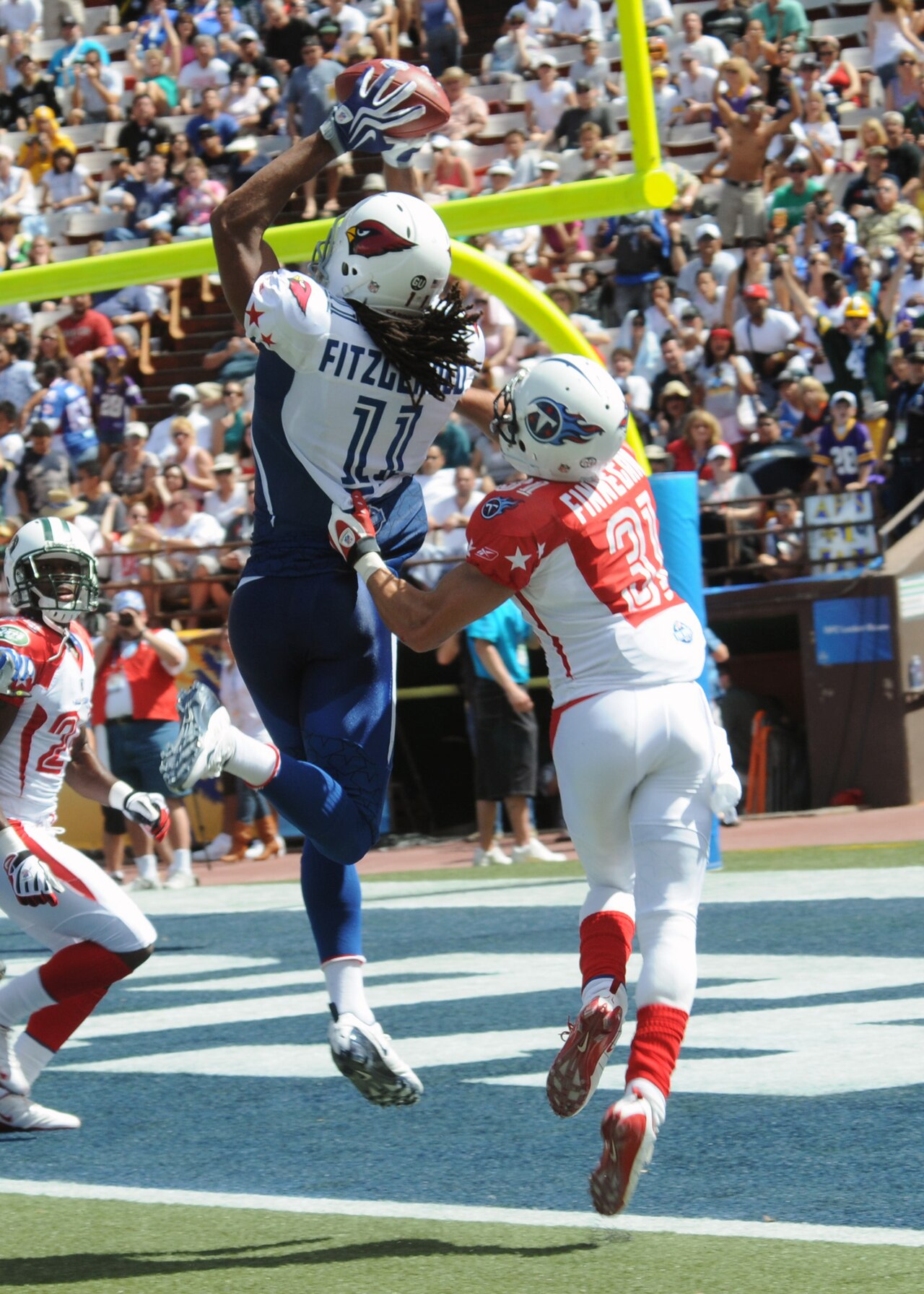
On each play the offense may throw one forward pass, and only from behind the line of scrimmage. Eligible receivers, chiefly wide receivers, tight ends, and running backs, may catch it; interior linemen generally may not. A completion counts once a receiver controls the ball and gets both feet, or another body part, down inbounds.
This is a reading check for the atlas, not personal advice, a live price, or a booking. It does not replace the full topic page.
Questions
- What is the next question after this?
- The offense is given four downs to advance the ball ten yards from where the series began. The situation is described as down and distance, for example first-and-10 or third-and-2. Gaining the ten yards resets the count to first down and awards a new set of four. Fail on all four, and the defense takes over at the dead-ball spot, called a turnover on downs.
- Does this page rank people or nations?
- This is a reading check for the atlas, not personal advice, a live price, or a booking. It does not replace the full topic page.
- Where is the longer entry?
- On each play the offense may throw one forward pass, and only from behind the line of scrimmage. Eligible receivers, chiefly wide receivers, tight ends, and running backs, may catch it; interior linemen generally may not. A completion counts once a receiver controls the ball and gets both feet, or another body part, down inbounds.
Next question: Track & Field · Open the topic: Football
⚽ How to read the GOAT score — Soccer (2022) · 🏀 When peak versus career changes the order — Basketball (1946) · 🎾 What a fair head-to-head holds constant — Tennis (1968) · ⚾ How a rules card differs from a record — Baseball (1903) · 🏎️ Which years the era window includes — F1 (1950) · ⛳ A shared prize versus one name — Golf (1860) · How to read a sports comparison