Lobo gris es una de las veinticuatro especies de este atlas. No es un catálogo: trata evolución, anatomía, conducta, cultura, iconos, conservación y área como un solo sistema.
Las puntuaciones comparan velocidad, inteligencia, área, resiliencia, impacto cultural y rol ecológico. Son juicios editoriales relativos, no un ranking de laboratorio.
Siete capítulos profundizan: orígenes, cuerpo y sentidos, vida y conducta, cultura, iconos, presión de conservación y el área que se comparte con la gente.
Introducción profunda
Inmersión: Lobo gris
Lobo gris no es un animal de postal. Es un conjunto de poblaciones, subespecies y reglas humanas dentro de la familia fauna de este atlas.
Diversidad, cuerpos, cultura y áreas — más una lente de esta región lingüística.
Diversidad dentro del tipo
Las guías de campo comprimen muchos linajes en la palabra Lobo gris. Subespecies, rutas y líneas cautivas no comparten un solo destino.
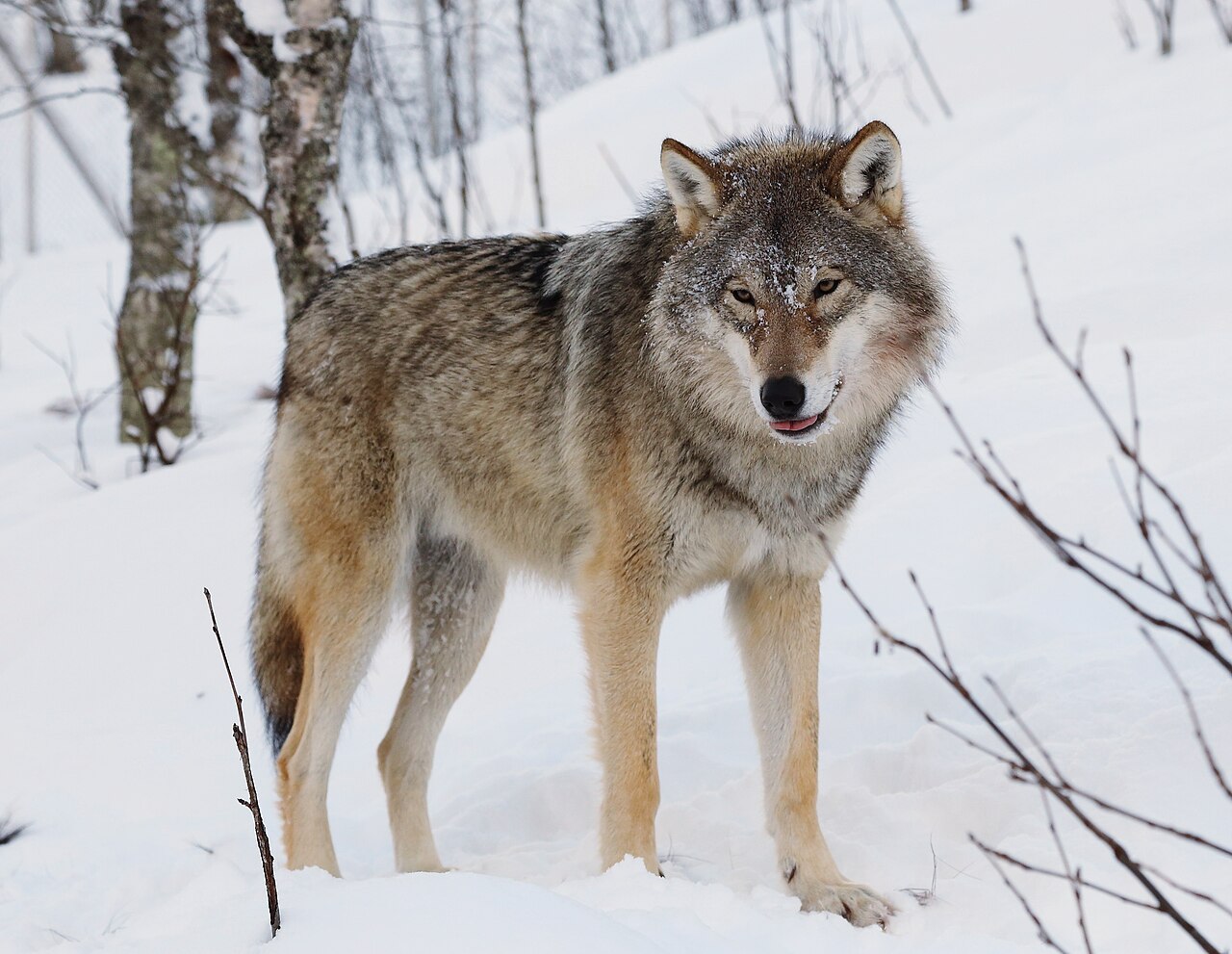
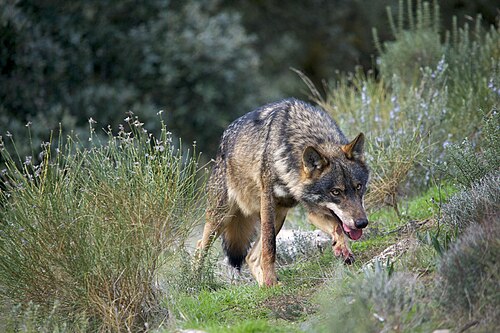
Este atlas elige un título de Wikipedia como imagen heroica y deja a la vista el resto del grado para que una población recuperada no lave a una prima En peligro crítico.
Life in the landscape
A long-legged canid with a sagittal crest for temporalis muscle and a dentition for both flesh and bone. Packs are families more often than Hollywood armies.
Endurance chase and ambush on ungulates; winter moose or elk, summer more deer and beaver. Scavenge is ordinary.
Cultura y significado
Cine, ley, heráldica, zoológicos y relato local encontraron a Lobo gris. Esas imágenes mueven dinero; no son un censo de campo.
El capítulo de cultura fecha carteles y leyes para que una película de 1975 o un logotipo de 1961 no finjan ser la Lista Roja de los años 2020.
Conservation and money
Least Concern globally after recoveries in parts of Europe and North America; Mexican and some regional wolves remain separately endangered.
Tourism, conflict payments, quotas and captive loans are dated economic bands in the market chapter -- not live prices and not a best-species prize.
Inmersión de ciencias de la vida
Biología a fondo: Lobo gris
La biología de Lobo gris es una pila de estructura, energía, sentidos y límites. Los cuatro apartados usan los mismos títulos del atlas para comparar sin un marco de mejor especie.
Anatomía, sentidos, conducta y límites — más el lenguaje de campo de esta región.
Structure
A long-legged canid with a sagittal crest for temporalis muscle and a dentition for both flesh and bone. Packs are families more often than Hollywood armies.
Load paths and tissues (not metals) are expanded in the anatomy chapter.
Energy and foraging
Endurance chase and ambush on ungulates; winter moose or elk, summer more deer and beaver. Scavenge is ordinary.
The how-it-works diagrams reduce that budget to a six-node loop.
Senses and control
Smell and a howl that spaces packs. Night hunts use hearing as much as the postcard stare.
Control here means the animal steering itself -- not a vehicle ECU.
Limits
Lead, poison, and a ballot. LC globally does not retire a rancher or a Mexican-wolf recovery plan.
Resilience scores encode those limits relative to the other 23 types.
Four other atlas types, six terms, three threads and three local notes -- a map out of the Lobo gris page without leaving the 24-id taxonomy.
Especies relacionadas, términos, hilos adyacentes y notas regionales de este idioma.
Véase también
🐅TigreAnother predator whose recovery is national and method-dependent.
🦁LeónSocial hunter -- pride versus pack, VU versus global LC.
🦅ÁguilaRecovered North American emblem (bald eagle) on a different clade.
🐟SalmónYellowstone-to-river nutrient stories sometimes over-claim; salmon are the clearer ocean-to-forest pump.
Términos clave
Yellowstone 1995
Reintroduction of Canadian wolves -- the most cited predator-return experiment.
Trophic cascade
Elk-willow-beaver story; later papers added nuance and climate.
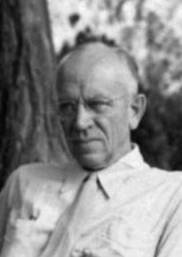
Leopold
Thinking Like a Mountain (1949) -- the wolf as an ethics turn.
Lobo
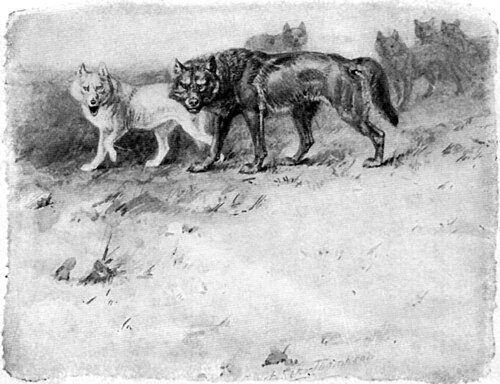
Ernest Thompson Seton 1890s New Mexico -- King of Currumpaw as a guilt story.
Mexican wolf
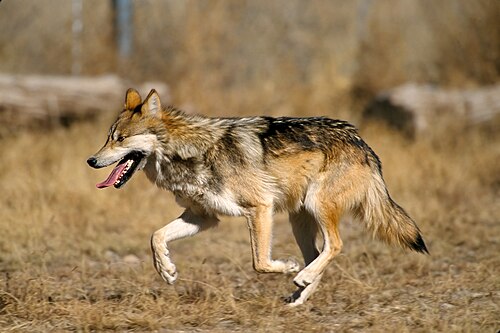
C. l. baileyi -- captive-bred releases in the Southwest, still a few hundred.
Isle Royale
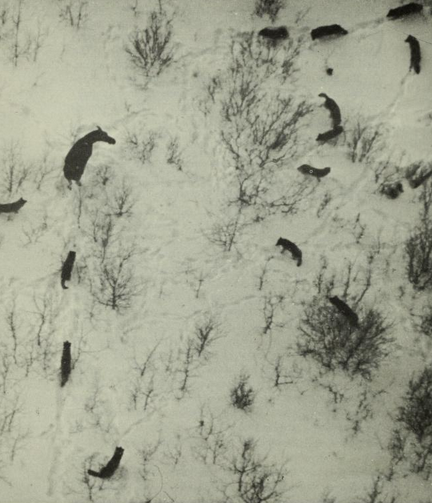
Wolf-moose study since 1958 -- the longest predator-prey project.
Habitat and movement
Where the Lobo gris breeds and feeds is the first constraint. Single lakes, islands and forests appear again in the history timeline.
Range scores in this atlas mark how widely that movement runs -- albatross and blue whale high, koi and panda low -- not a quality ranking.
Research and law
Named projects (Project Tiger, ACAP, ICCAT, Amboseli) are the English-language bureaucracy of the type.
Listings and downlists are dated events in the timeline, not eternal essences.
Culture and price
Film, auction and logo years are filed under culture and market so they cannot masquerade as demography.
The icons chapter keeps eight real Wikipedia titles so a later language pack can attach the same faces.
Notas de campo visuales
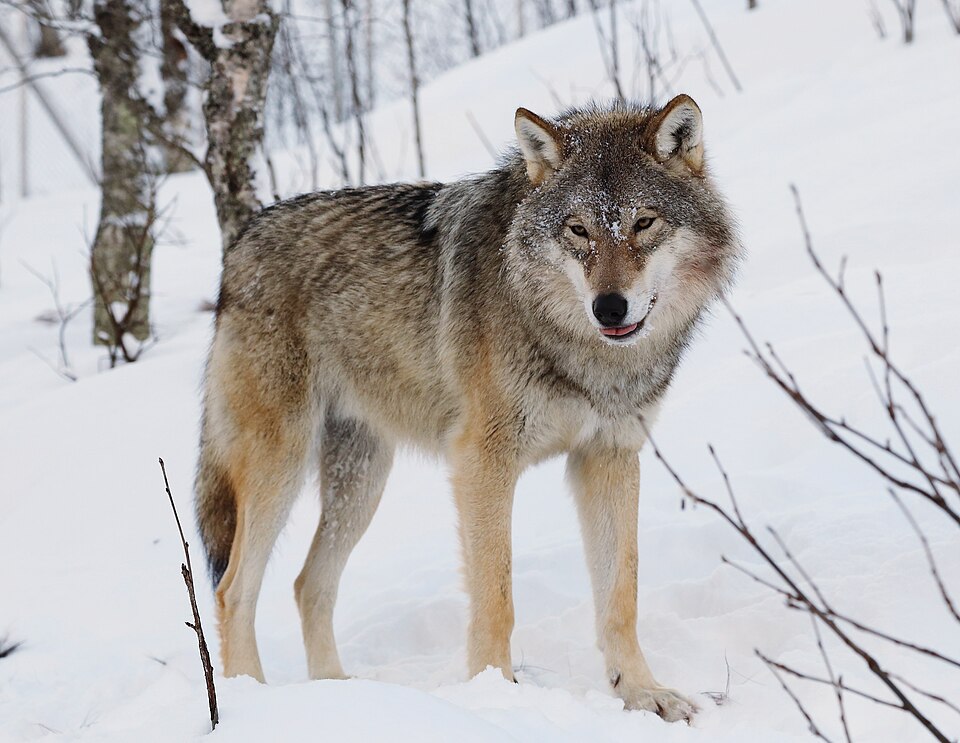
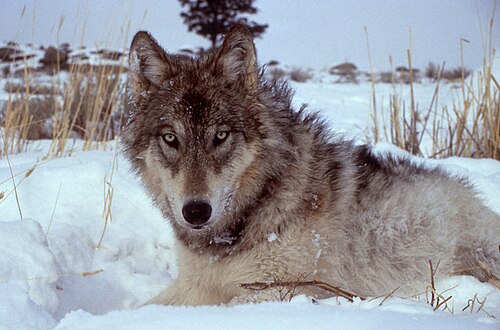
Fotos con licencia de esta especie — héroes, eras e iconos en un muro.
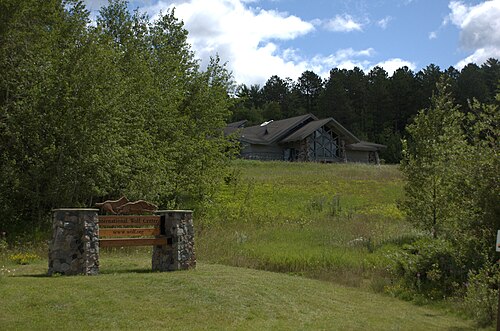
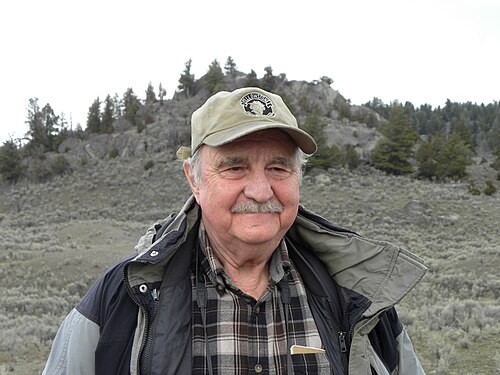
User:Mas3cfUser:Mas3cfDoug SmithHoward ZahniserIllustrated by the author, Ernest Seton ThompsonClark, Jim (U.S. Fish and Wildlife Service)ShakataGaNaiL. David MechArturo de Frias MarquesL. David Mech
El perfil
Velocidad66
Inteligencia83
Área75
Resiliencia62
Impacto cultural85
Rol ecológico94
Fijar anatomía frente a conducta
Elija un sistema anatómico y un hecho de operación ya en esta página de especie. Un par de lectura — no un tablero de ganadores.
Ayuda de navegación de este atlas. La biología de campo y la ley local deciden cualquier encuentro real. Sin feed en vivo.
Global LC hides Mexican wolves, some European growing pains, and US delisting fights. Resilience here is mid-high because many Holarctic populations rebounded -- not because conflict ended.
What happened in Yellowstone in 1995?
Fourteen wolves from Canada were released (more in 1996). Elk behaviour and riparian vegetation became a long argument, not a cartoon instant forest.
Is the trophic cascade settled?
Early popular accounts over-simplified. Later work kept wolves important and added drought, human hunting, and beaver. The cascade is a research programme, not a poster.
Who was Aldo Leopold here?
A forester who had killed wolves and later wrote the mountain-as-ethics essay (1949). The US environmental canon still starts many wolf talks there.
What is Isle Royale?
A closed wolf-moose system studied since 1958. Inbreeding and later genetic rescue (2018-) made it a lab of isolation.
Are wolves more intelligent than big cats in this atlas?
Pack coordination and canine social cognition sit high. Gorillas and elephants still outrank them. Scores are relative, not IQ certificates.
Did Europe recover wolves too?
Yes in parts of Germany, France, Spain and Italy after legal protection. Livestock compensation is the daily politics, not a Yellowstone clone.
What about the Three Little Pigs?
Folklore is a cultural-impact input. It is not a diet study.
Rol, no un ganador
Alfabetización de conservación. No es una consulta IUCN en vivo.
Insertar este ranking
Pega este código en tu blog o web; el ranking se mantiene actualizado.
¡Copiado!
Especies similares
Vecinos más cercanos en los seis ejes — velocidad, inteligencia, área, resiliencia, cultura y rol ecológico.