Urso-polar é uma das vinte e quatro espécies deste atlas. Não é um catálogo: evolução, anatomia, comportamento, cultura, ícones, conservação e área formam um só sistema.
As pontuações comparam velocidade, inteligência, área, resiliência, impacto cultural e papel ecológico. São juízos editoriais relativos, não um ranking de laboratório.
Sete capítulos aprofundam: origens, corpo e sentidos, vida e comportamento, cultura, ícones, pressão de conservação e a área partilhada com as pessoas.
Introdução profunda
Mergulho: Urso-polar
Urso-polar não é um animal de postal. É um conjunto de populações, subespécies e regras humanas na família fauna deste atlas.
Diversidade, corpos, cultura e áreas — mais uma lente desta região linguística.
Diversidade dentro do tipo
Os guias de campo comprimem muitas linhagens na palavra Urso-polar. Subespécies, rotas e linhas cativas não partilham um só destino.
Este atlas escolhe um título da Wikipédia como imagem-herói e deixa o resto do grau visível para que um stock recuperado não lave uma prima Criticamente em perigo.
Life in the landscape
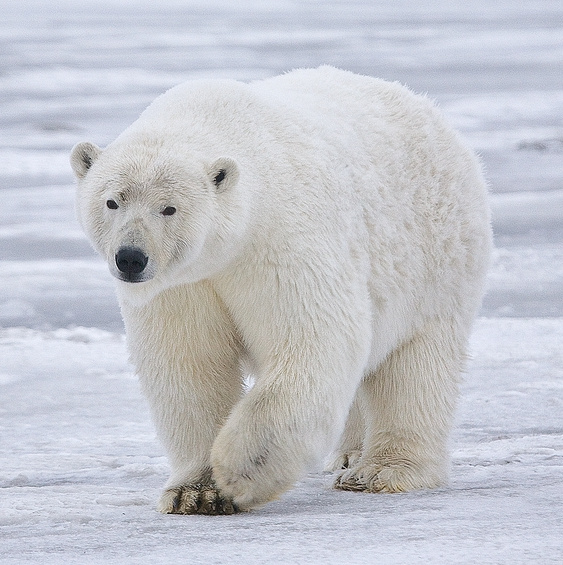
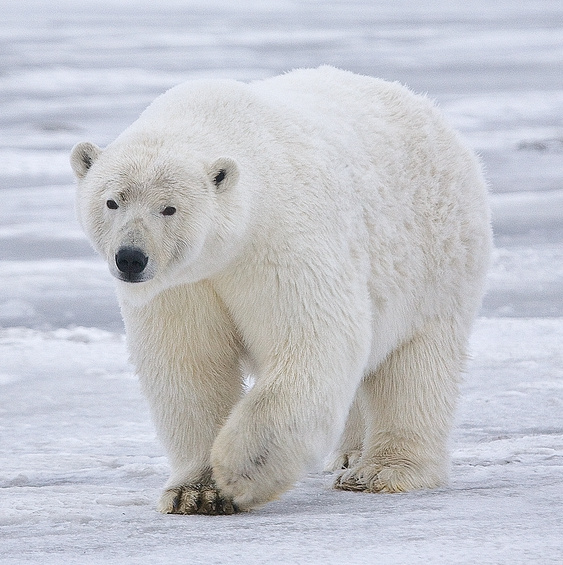
A long-skulled ursid with huge forepaws, black skin under hollow guard hairs, and a gut built for seal fat. It is a marine mammal in habit, a bear in clade.
Still-hunt at seal holes and break-in on birth lairs. Fat, not lean meat, pays the ice year. Onshore summers are a deficit for many stocks.
Cultura e significado
Cinema, lei, heráldica, zoos e relato local encontraram Urso-polar. Esses retratos movem dinheiro; não são um censo de campo.
O capítulo de cultura data cartazes e leis para que um filme de 1975 ou um logótipo de 1961 não finjam ser a Lista Vermelha dos anos 2020.
Conservation and money
Vulnerable. The 2008 US ESA listing treated sea-ice loss as the primary threat -- a climate instrument more than a hunt story.
Tourism, conflict payments, quotas and captive loans are dated economic bands in the market chapter -- not live prices and not a best-species prize.
Imersão em ciências da vida
Biologia a fundo: Urso-polar
A biologia de Urso-polar empilha estrutura, energia, sentidos e limites. As quatro secções usam os mesmos títulos do atlas para comparar sem um quadro de melhor espécie.
Anatomia, sentidos, comportamento e limites — mais a linguagem de campo desta região.
Structure
A long-skulled ursid with huge forepaws, black skin under hollow guard hairs, and a gut built for seal fat. It is a marine mammal in habit, a bear in clade.
Load paths and tissues (not metals) are expanded in the anatomy chapter.
Energy and foraging
Still-hunt at seal holes and break-in on birth lairs. Fat, not lean meat, pays the ice year. Onshore summers are a deficit for many stocks.
The how-it-works diagrams reduce that budget to a six-node loop.
Senses and control
Smell through ice and a patience that looks like stillness. Vision is secondary to a hole in the ice.
Control here means the animal steering itself -- not a vehicle ECU.
Limits
Ice-season length. A stable stock in one basin does not retire a VU card written on a melt curve.
Resilience scores encode those limits relative to the other 23 types.
Why is resilience low if some subpopulations look stable?
IUCN VU and the 2008 ESA listing rest on ice-season length. A few stable stocks do not cancel a circumpolar ice forecast. High resilience in this atlas means secure (koi, many owls), not famous.
What did the 2008 US listing change?
It treated greenhouse gases as a listed-species threat. Courts later limited how far that could reach power plants; the biological finding stayed.
Is Churchill typical?
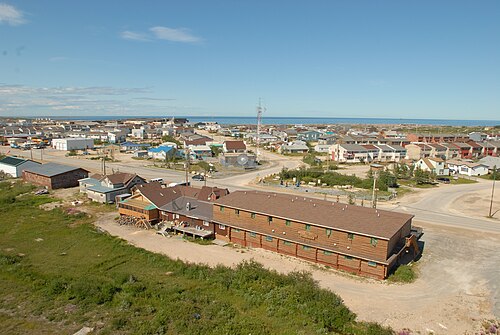
Western Hudson Bay is an early-ice-loss stock and a tourist town. It is a visible subpopulation, not the whole Arctic.
Who was Knut?
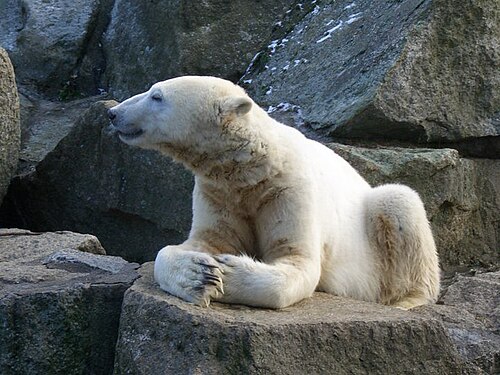
A hand-reared Berlin cub (2006-2011) whose fame and death made zoo ethics a tabloid. He is culture, not a sea-ice time series.
Do polar bears eat only seals?
Seals (especially ringed) are the fat that pays. Bird eggs, carrion and land food appear more in long ice-free summers -- a budget problem, not a new niche that replaces ice.
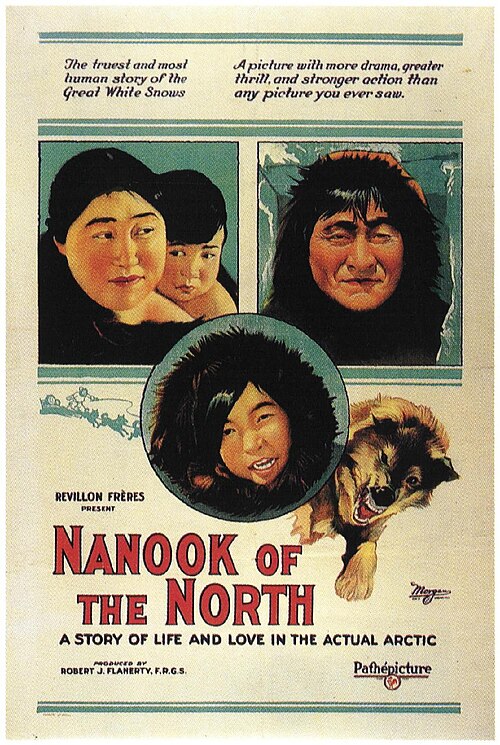
What is Nanook of the North to this file?
The 1922 film staged Inuit life for a southern camera. It is a portrayal, not an ethnography of nanuq knowledge.
Are Coca-Cola bears biology?
No. They are cultural impact. The atlas keeps them off the scores for ice.
How do USGS and PBSG fit?
The IUCN Polar Bear Specialist Group and USGS ice-bear models are the technical chorus behind the VU card.
Papel, não um vencedor
Literacia de conservação. Não é uma consulta IUCN ao vivo.
Incorporar este ranking
Cole este código no seu blog ou site — o ranking permanece atualizado.
Copiado!
Espécies semelhantes
Vizinhos mais próximos nos seis eixos — velocidade, inteligência, área, resiliência, cultura e papel ecológico.