At a glance
Union Carbide Corporation of the United States and the Union of India settled civil claims for US$470 million in February 1989, a sum the Supreme Court of India approved and later revisited. Criminal charges against Indian UCIL officials were reduced in 1996 from culpable homicide to causing death by negligence (IPC section 304A).
Atlas Verification Checklist
0 / 4 verifiedCheck each criteria to confirm findings against the atlas verdict.
Bhopal disaster · tagline
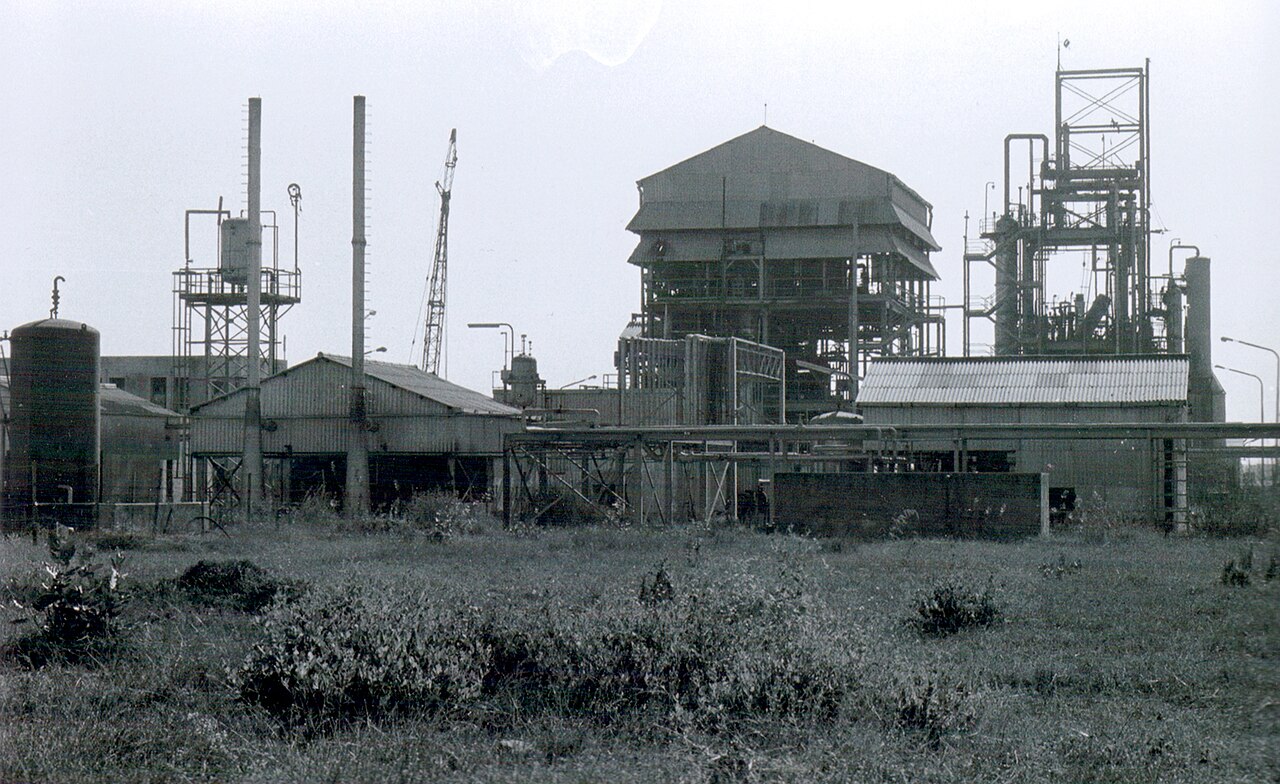
On the night of 2–3 December 1984 a methyl isocyanate leak at the Union Carbide plant in Bhopal killed thousands and left a mixed legal record that still shapes industrial-disaster law. On the night of 2–3 December 1984, methyl isocyanate (MIC) escaped from Tank 610 at the Union Carbide India Limited pesticide plant in Bhopal, Madhya Pradesh.
Bhopal disaster · Union Carbide Corporation of the United States and the Union of
Union Carbide Corporation of the United States and the Union of India settled civil claims for US$470 million in February 1989, a sum the Supreme Court of India approved and later revisited. Criminal charges against Indian UCIL officials were reduced in 1996 from culpable homicide to causing death by negligence (IPC section 304A).
Bhopal disaster · Status is mixed because a civil settlement and limited criminal
Status is mixed because a civil settlement and limited criminal convictions sit beside an unfinished site-cleanup and unfinished arguments about parent-company duty. Dow Chemical’s 2001 acquisition of UCC inherited a legal dispute, not a closed moral ledger. English-language memory treats Bhopal as the type case of a poor neighbourhood next to a rich company’s tank.
Bhopal disaster · paras 1
UCIL, majority-owned by Union Carbide Corporation, made carbamate pesticides at Bhopal. The MIC unit dated from the late 1970s. By 1984 the plant sat beside densely inhabited wards. Safety systems on Tank 610 — refrigeration, scrubbing, flaring — were not in the state the design assumed, according to later Indian investigation and civil discovery.
This is a reading check for the atlas, not personal advice, a live price, or a booking. It does not replace the full topic page.
What is the next question after this?
Status is mixed because a civil settlement and limited criminal convictions sit beside an unfinished site-cleanup and unfinished arguments about parent-company duty. Dow Chemical’s 2001 acquisition of UCC inherited a legal dispute, not a closed moral ledger. English-language memory treats Bhopal as the type case of a poor neighbourhood next to a rich company’s tank.
Does this page rank people or nations?
This is a reading check for the atlas, not personal advice, a live price, or a booking. It does not replace the full topic page.
Where is the longer entry?
UCIL, majority-owned by Union Carbide Corporation, made carbamate pesticides at Bhopal. The MIC unit dated from the late 1970s. By 1984 the plant sat beside densely inhabited wards. Safety systems on Tank 610 — refrigeration, scrubbing, flaring — were not in the state the design assumed, according to later Indian investigation and civil discovery.
Next question: Charles Ponzi · Open the topic: Bhopal disaster