At a glance
English memory split the gang into types: Reynolds the planner, Biggs the escapee, Edwards the likeable face after his 1960s exile and return. That casting is tabloid dramaturgy. The Aylesbury sentences treated them as robbers who had hurt a driver. Later English coverage — Piers Paul Read's The Train Robbers, memoirs, and the 2013 anniversary — often sounds half-admiring.
Atlas Verification Checklist
0 / 4 verifiedCheck each criteria to confirm findings against the atlas verdict.
Great Train Robbery · lede
The Great Train Robbery is Britain's most retold cash theft: a dated sum, a named bridge, an Aylesbury dock and a cultural afterlife that outran the missing notes. British papers in August 1963 treated the robbery as both a Post Office disaster and a gangland epic. The Daily Express, the Daily Mail and the BBC made Bridego Bridge and Leatherslade Farm household geography within a week.
Great Train Robbery · paras 2
English memory split the gang into types: Reynolds the planner, Biggs the escapee, Edwards the likeable face after his 1960s exile and return. That casting is tabloid dramaturgy. The Aylesbury sentences treated them as robbers who had hurt a driver. Later English coverage — Piers Paul Read's The Train Robbers, memoirs, and the 2013 anniversary — often sounds half-admiring.
Great Train Robbery · When and where was the Great Train Robbery?
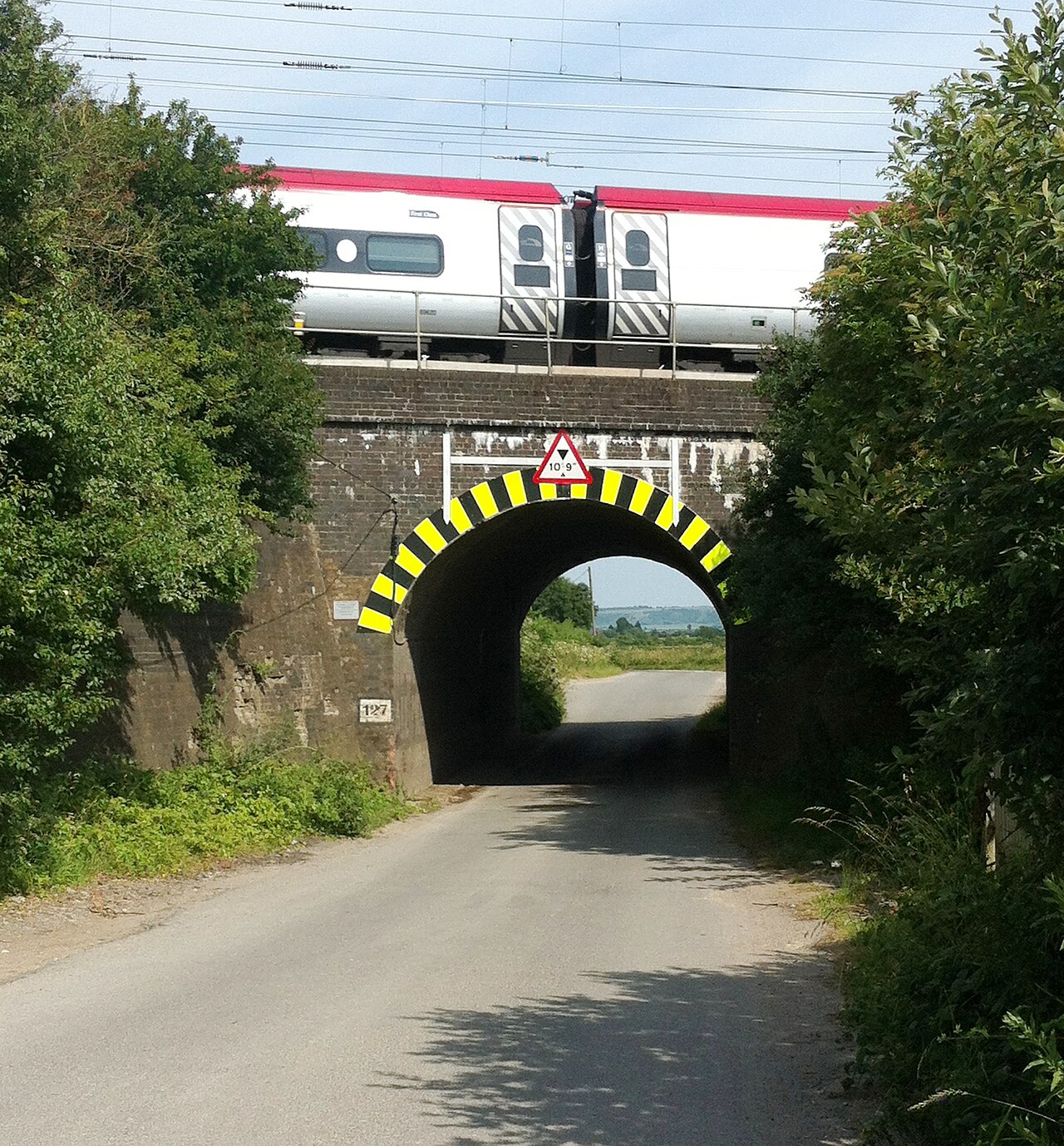
In the early hours of 8 August 1963, at Bridego Bridge near Ledburn, Buckinghamshire. The Glasgow-to-Euston Travelling Post Office was stopped and 120 mailbags were taken. The official sum was about £2.6 million in used notes. Most of the gang were convicted at Aylesbury in 1964, including Charles Wilson, Roy James, Ronald 'Buster' Edwards and others, with terms up to thirty years.
Great Train Robbery · Was the money recovered?
Only in part. Police found some cash at Leatherslade Farm and in later arrests. A large share of the £2.6 million never came back to the Royal Mail or the banks. Convictions and full restitution are different outcomes. Mills, the train driver, was assaulted during the stop and became the public victim of the night. He returned to work but was remembered as a man whose health never fully recovered.
This is a reading check for the atlas, not personal advice, a live price, or a booking. It does not replace the full topic page.
What is the next question after this?
In the early hours of 8 August 1963, at Bridego Bridge near Ledburn, Buckinghamshire. The Glasgow-to-Euston Travelling Post Office was stopped and 120 mailbags were taken. The official sum was about £2.6 million in used notes. Most of the gang were convicted at Aylesbury in 1964, including Charles Wilson, Roy James, Ronald 'Buster' Edwards and others, with terms up to thirty years.
Does this page rank people or nations?
This is a reading check for the atlas, not personal advice, a live price, or a booking. It does not replace the full topic page.
Where is the longer entry?
Only in part. Police found some cash at Leatherslade Farm and in later arrests. A large share of the £2.6 million never came back to the Royal Mail or the banks. Convictions and full restitution are different outcomes. Mills, the train driver, was assaulted during the stop and became the public victim of the night. He returned to work but was remembered as a man whose health never fully recovered.
Next question: Jack the Ripper · Open the topic: Great Train Robbery