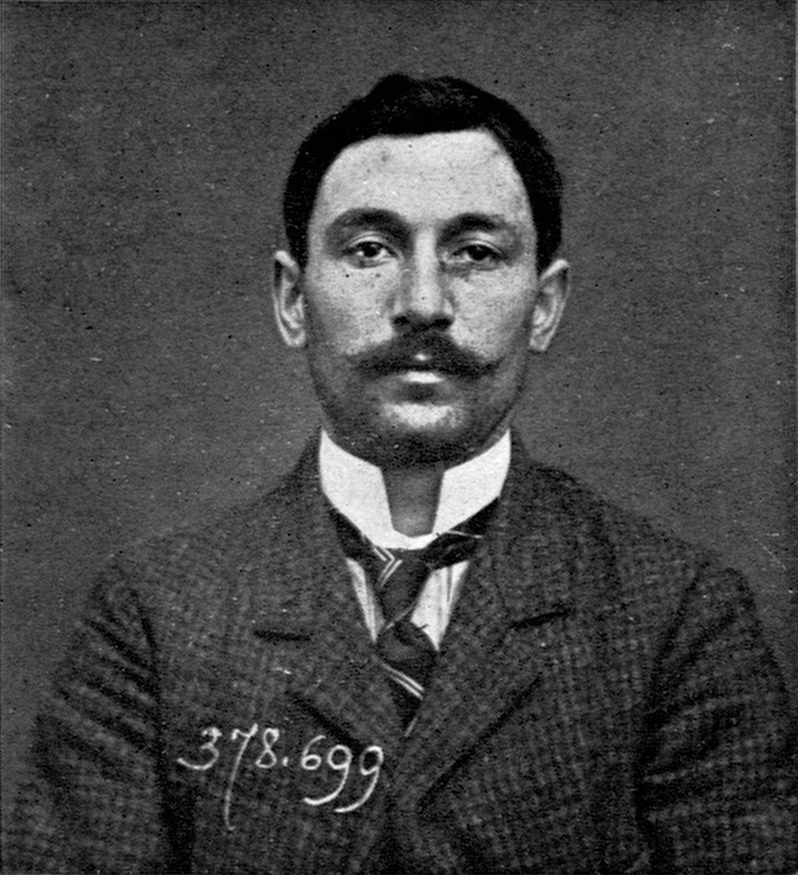
At a glance
In November–December 1913 a man using the name Leonardo Vincenzo contacted Florentine dealer Alfredo Geri and Uffizi director Giovanni Poggi, offering the painting. Peruggia, a former Louvre glazier and handyman of Italian birth, was arrested in Florence. The portrait was authenticated, shown briefly in Italy and returned to the Louvre in January 1914.
Atlas Verification Checklist
0 / 4 verifiedCheck each criteria to confirm findings against the atlas verdict.
1911 Mona Lisa theft · tagline
On 21 August 1911 the Mona Lisa left the Louvre. Vincenzo Peruggia was caught in Florence in December 1913; the portrait returned to Paris in January 1914 and became a global celebrity. On Monday 21 August 1911, Leonardo da Vinci's portrait known in French as La Joconde and in English as the Mona Lisa was taken from the Salon Carré of the Musée du Louvre in Paris. Staff noticed the empty wall on 22 August.
1911 Mona Lisa theft · In November–December 1913 a man using the name Leonardo Vincenzo
In November–December 1913 a man using the name Leonardo Vincenzo contacted Florentine dealer Alfredo Geri and Uffizi director Giovanni Poggi, offering the painting. Peruggia, a former Louvre glazier and handyman of Italian birth, was arrested in Florence. The portrait was authenticated, shown briefly in Italy and returned to the Louvre in January 1914.
1911 Mona Lisa theft · The case is convicted and the object is back
The case is convicted and the object is back. What the theft changed was fame. A painting already respected by specialists became, after two years of 'WANTED' reproductions in newspapers, the most recognised portrait on earth. This page records the loss, the Florence recovery and the court. It does not reconstruct how a worker walked a panel out of a palace.
1911 Mona Lisa theft · paras 1
The object is a poplar-panel portrait painted by Leonardo in the early sixteenth century, already in the French royal then national collection. In 1911 it was important; it was not yet a pilgrimage image. The empty wall, photographed and described in Le Petit Parisien and foreign wires, did more for its fame than any salon catalogue.
This is a reading check for the atlas, not personal advice, a live price, or a booking. It does not replace the full topic page.
What is the next question after this?
The case is convicted and the object is back. What the theft changed was fame. A painting already respected by specialists became, after two years of 'WANTED' reproductions in newspapers, the most recognised portrait on earth. This page records the loss, the Florence recovery and the court. It does not reconstruct how a worker walked a panel out of a palace.
Does this page rank people or nations?
This is a reading check for the atlas, not personal advice, a live price, or a booking. It does not replace the full topic page.
Where is the longer entry?
The object is a poplar-panel portrait painted by Leonardo in the early sixteenth century, already in the French royal then national collection. In 1911 it was important; it was not yet a pilgrimage image. The empty wall, photographed and described in Le Petit Parisien and foreign wires, did more for its fame than any salon catalogue.
Next question: Panama Papers · Open the topic: 1911 Mona Lisa theft