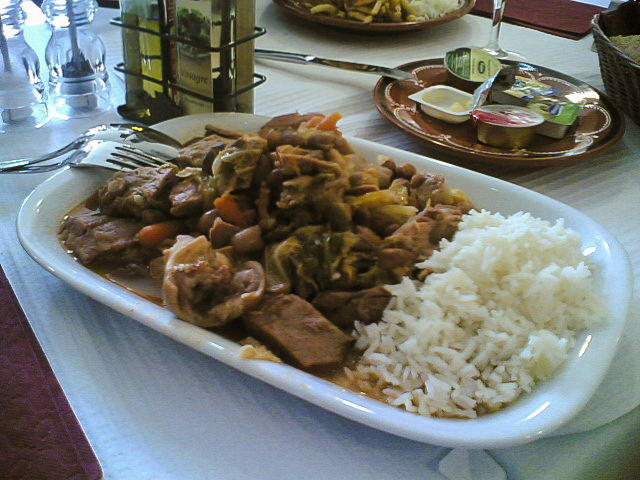
pre-1500
Manioc and fish
Indigenous starches of the coast and Amazon.
Brazilian cuisine · Beans, farofa and a Saturday feijoada: churrasco, street açaí and an African-Portuguese-Indigenous map.
Milestones in order. This is history, not a weekly activity grid.
Darker cells mean a higher score for this topic on that metric.
LessMore
Last reviewed Sources & creditsMedia creditsMethodology
Brazilian cuisine (Culinária brasileira) grew from cachaça / tucupi / cheese bread dough and rice / beans / cassava. Feijoada is the postcard, not the whole map.
Brazilian cuisine sits at spice 56 in this atlas. Feijoada and Pão de queijo show the range better than a single heat number.
Feijoada plus one regional plate — not only the export icon.
Bean-and-pork Saturday stew.
São Paulo, Rio de Janeiro and Salvador do not cook the same dinner. Regional stubbornness is the cuisine, not a footnote.
The home pantry around Feijoada and the labour behind Pão de queijo rarely fit a takeaway box.
Brazilian cuisine did not arrive as a single national plate. Its older structure is visible in Feijoada, Feijoada and the regional kitchens that still disagree.
Court, village and street cooked on different clocks. The ten-point timeline below keeps those clocks in view rather than flattening them into a brand story.
Brazilian cuisine (Culinária brasileira) grew from cachaça / tucupi / cheese bread dough and rice / beans / cassava. Feijoada is the postcard, not the whole map.
Indigenous starches of the coast and Amazon.
A plantation pantry and African skill.
Dendê, okra, acarajé as resistance and craft.
A Brazilian cuisine is named.
Gaucho grill as restaurant theatre.
Condensed milk as national sweet.
Skewer houses go global.
Açaí and tucupi enter chef menus.
The world's most restaurant-diverse immigrant city argument.
Party food as a global snack image.
Indigenous starches of the coast and Amazon.
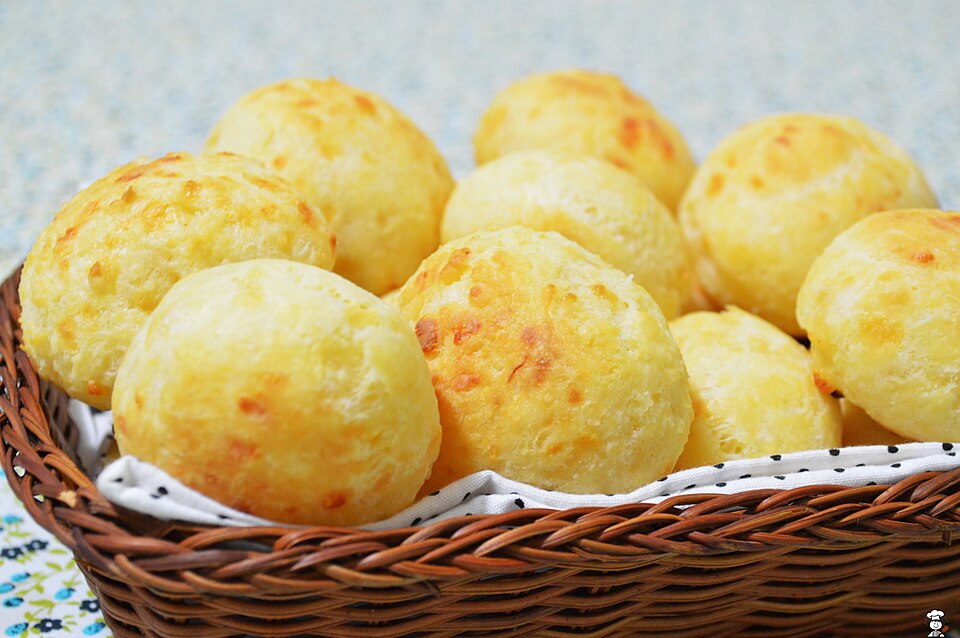
Dendê, okra, acarajé as resistance and craft.
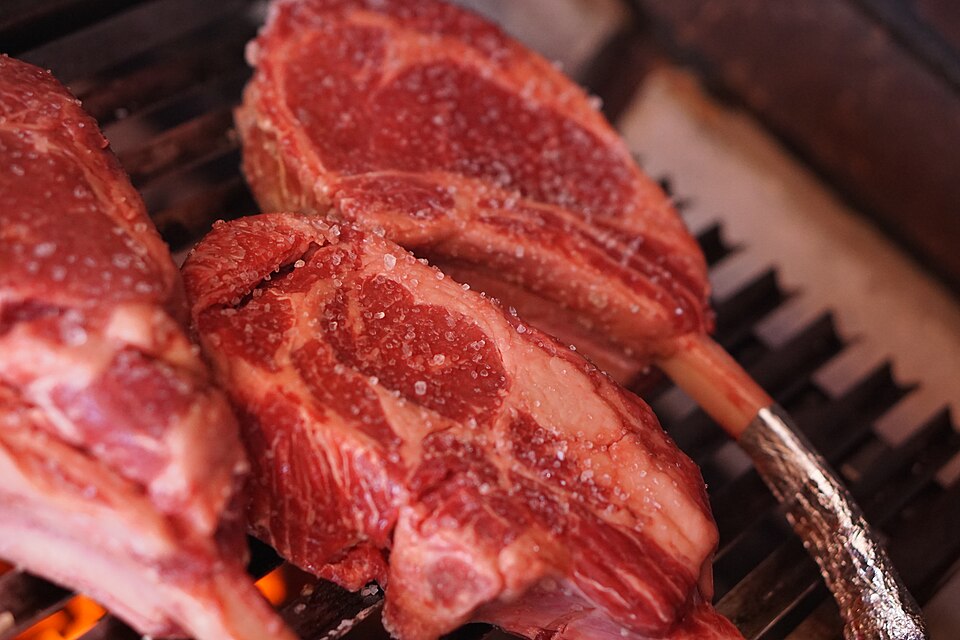
Gaucho grill as restaurant theatre.
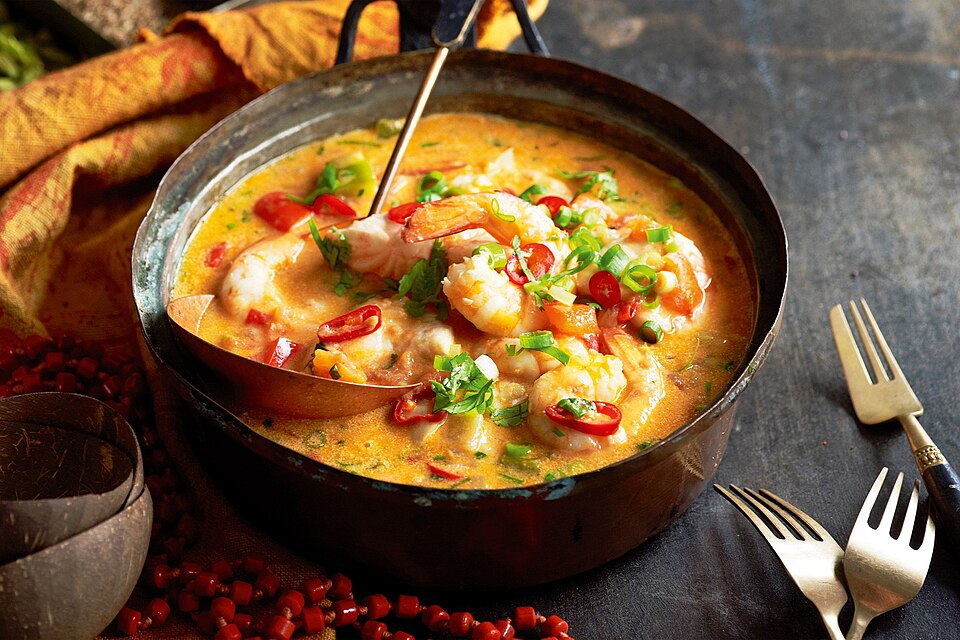
Skewer houses go global.
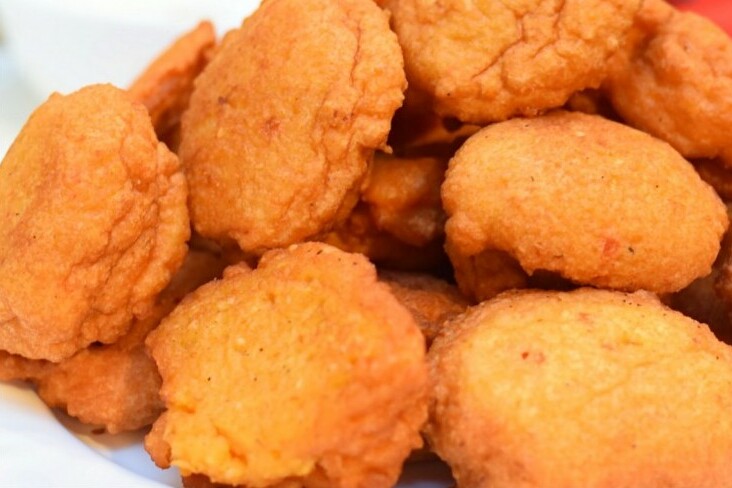
The world's most restaurant-diverse immigrant city argument.
A plantation pantry and African skill.
Gaucho grill as restaurant theatre.
The world's most restaurant-diverse immigrant city argument.
A history of Brazilian cuisine that starts at the airport restaurant will miss the ferments, markets and labour that actually built the table.
Nixtamal, chili and a street-taco clock: mole, salsa and one of the atlas spice leaders.
Overall 78 🍔The most accessible table in the atlas: barbecue, diner eggs and a cuisine made of regions and immigrants.
Overall 68 🍋Chili, lime and a potato map: ceviche, aji and the Andean-Pacific table that chefs made famous.
Overall 69 🥩Beef, fire and a dulce de leche clock: asado, empanadas and an Italian-Spanish immigrant table.
Overall 55 🌶️Allspice, Scotch bonnet and a jerk-pit clock: ackee, curry goat and a Caribbean table with high heat.
Overall 65