15th c.
Malacca sultanate
A port mixed Malay, Indian and Chinese pantries.
Malaysian cuisine · Malay, Chinese and Indian tables under one roof: nasi lemak, laksa and the mamak shop.
Milestones in order. This is history, not a weekly activity grid.
Darker cells mean a higher score for this topic on that metric.
LessMore
Last reviewed Sources & creditsMedia creditsMethodology
Malaysian cuisine is three kitchens in one country: Malay sambal-and-coconut, Chinese-Malaysian hawkers and Indian-Muslim mamak breads. Nasi lemak is the breakfast that politicians call national.
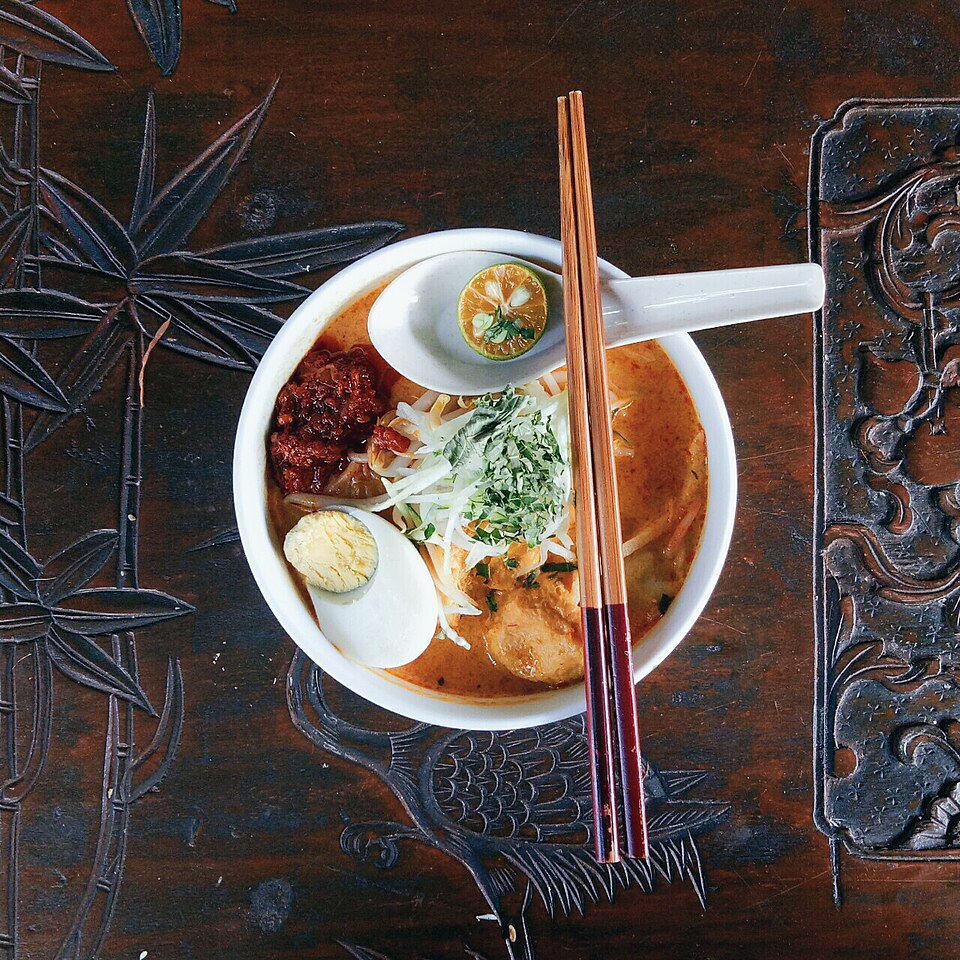
Malaysian cuisine sits at spice 80 in this atlas. Nasi lemak and Laksa show the range better than a single heat number.
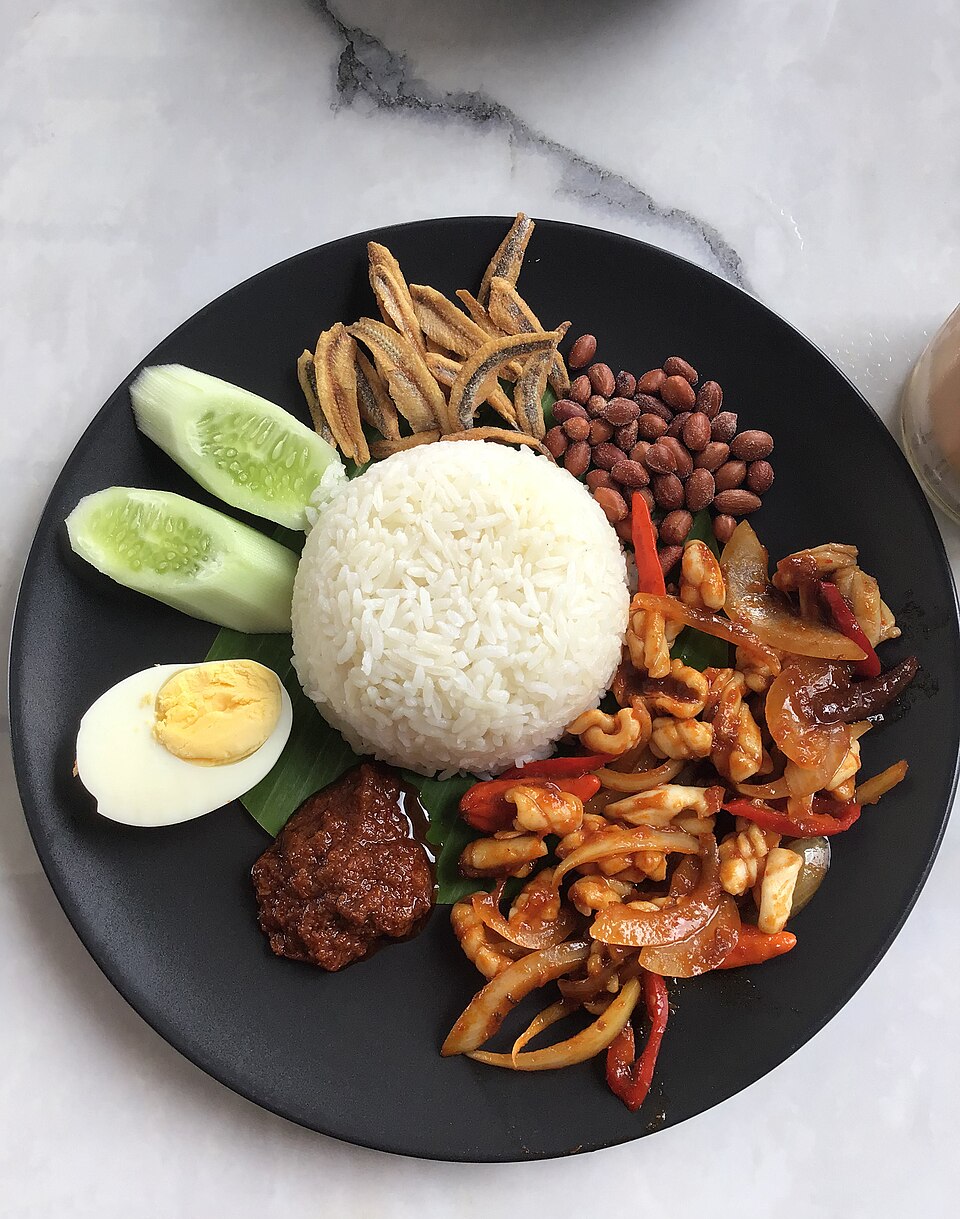
Nasi lemak plus one regional plate — not only the export icon.
Coconut rice with sambal, anchovy, egg and cucumber.
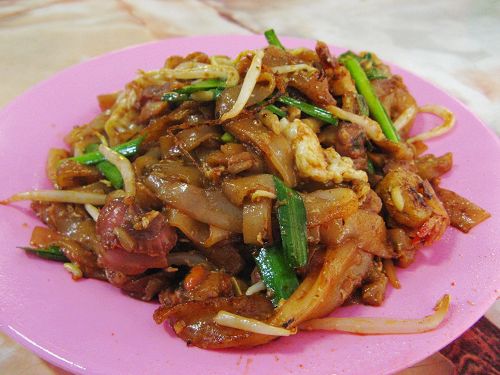
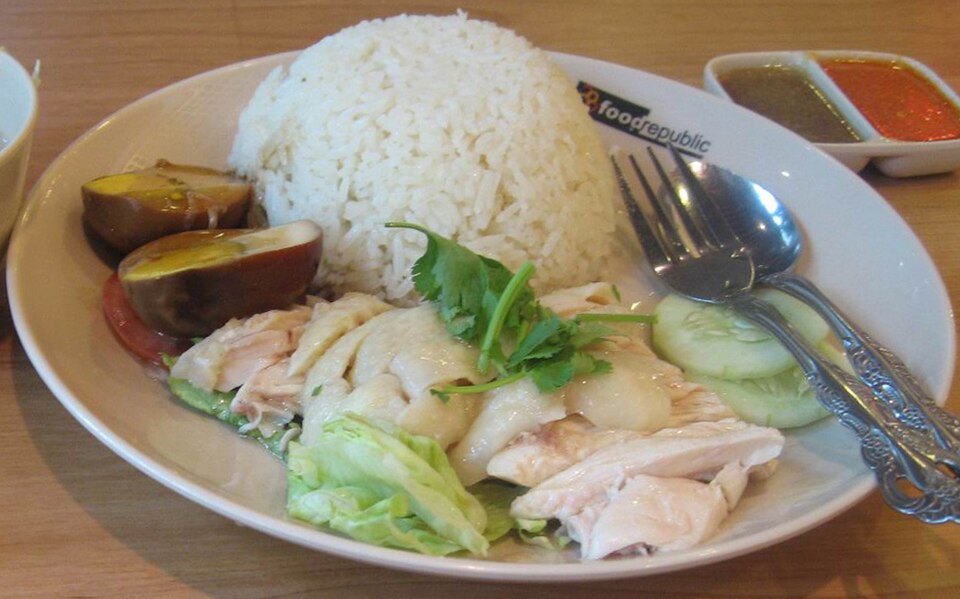
Belacan shrimp paste and chili make the Malay bass. Char kway teow and Hainanese chicken rice show the Chinese-Malaysian wok. Mamak shops fry roti at 2 a.m.
The home pantry around Nasi lemak and the labour behind Laksa rarely fit a takeaway box.
Malaysian cuisine did not arrive as a single national plate. Its older structure is visible in Nasi lemak, Nasi lemak and the regional kitchens that still disagree.
Court, village and street cooked on different clocks. The ten-point timeline below keeps those clocks in view rather than flattening them into a brand story.
Malaysian cuisine is three kitchens in one country: Malay sambal-and-coconut, Chinese-Malaysian hawkers and Indian-Muslim mamak breads. Nasi lemak is the breakfast that politicians call national.
A port mixed Malay, Indian and Chinese pantries.
Capsicum met shrimp paste on the peninsula.
British Penang concentrated Chinese hawkers and mamak shops.
Migrant kitchens built the three-table hawker court.
Coconut-rice breakfast was asked to stand for a country.
Malay, Chinese and Indian food became a political pluralism.
24-hour roti shops became urban social infrastructure.
Penang and KL began to museum-label living stalls.
Coconut laksa became the export soup.
Hawker culture entered heritage debates without freezing the wok.
A port mixed Malay, Indian and Chinese pantries.
British Penang concentrated Chinese hawkers and mamak shops.
Coconut-rice breakfast was asked to stand for a country.
24-hour roti shops became urban social infrastructure.
Coconut laksa became the export soup.
Capsicum met shrimp paste on the peninsula.
Coconut-rice breakfast was asked to stand for a country.
Coconut laksa became the export soup.
A history of Malaysian cuisine that starts at the airport restaurant will miss the ferments, markets and labour that actually built the table.
Tadka, dal and a subcontinental map: masala, rice, breads and heat that is not one curry.
Overall 76 🥥Islands of sambal and coconut: rendang, nasi goreng and a spice-trade pantry across 17,000 islands.
Overall 68 🍗Vinegar, garlic and a fiesta table: adobo, sinigang and the Chinese-Spanish-American pantry of the islands.
Overall 62