pre-16th c.
Rice and bagoong
Austronesian souring and fish paste were in place before Spain.
Filipino cuisine · Vinegar, garlic and a fiesta table: adobo, sinigang and the Chinese-Spanish-American pantry of the islands.
Milestones in order. This is history, not a weekly activity grid.
Darker cells mean a higher score for this topic on that metric.
LessMore
Last reviewed Sources & creditsMedia creditsMethodology
Filipino cuisine is sour more than chili-hot: adobo in vinegar and soy, sinigang in tamarind. Chinese noodles, Spanish fiesta roasts and American sweet-sauces sit on an Austronesian rice-and-bagoong base.
Filipino cuisine sits at spice 52 in this atlas. Adobo and Sinigang show the range better than a single heat number.
Adobo plus one regional plate — not only the export icon.
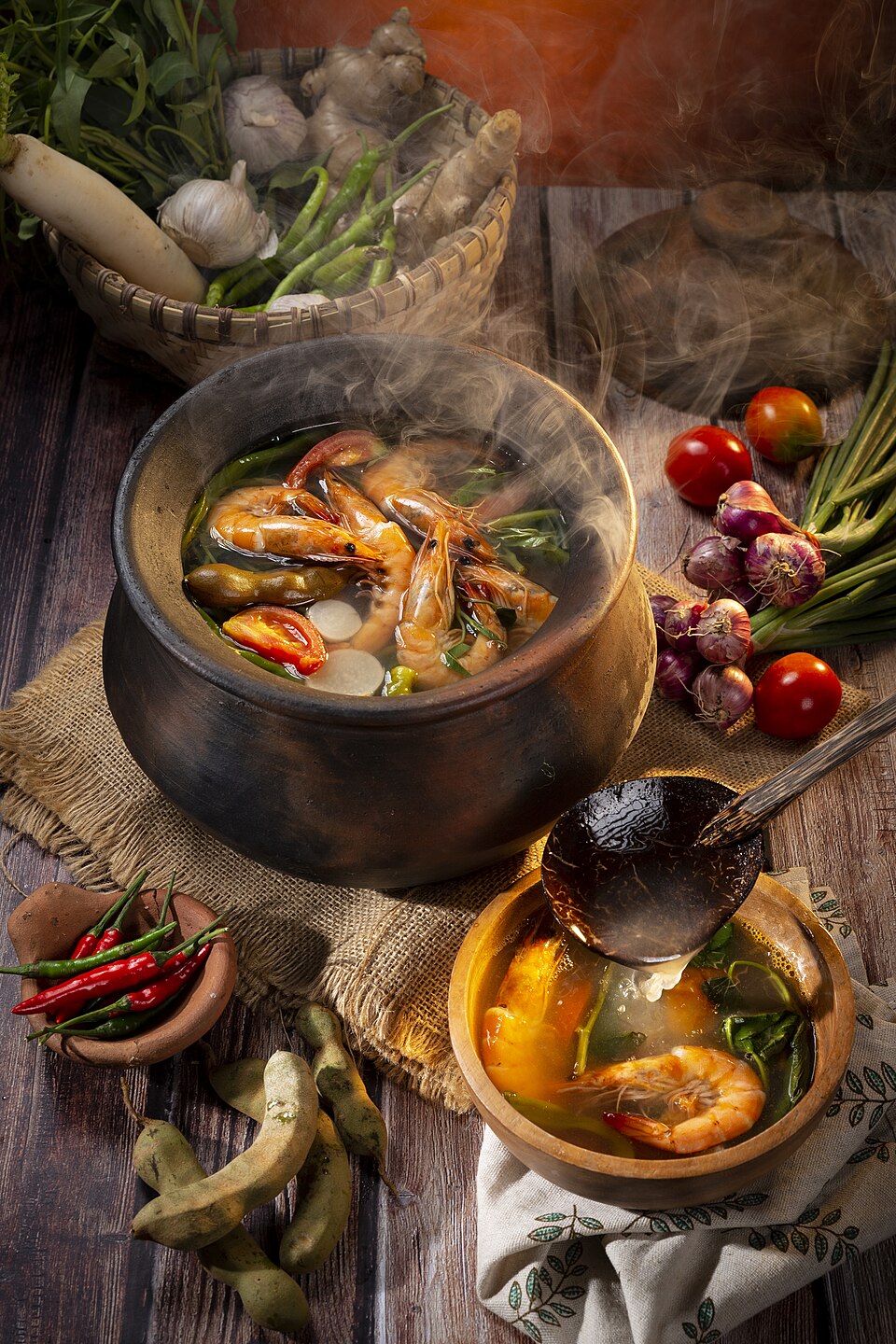
Vinegar-garlic stew method, many meats.
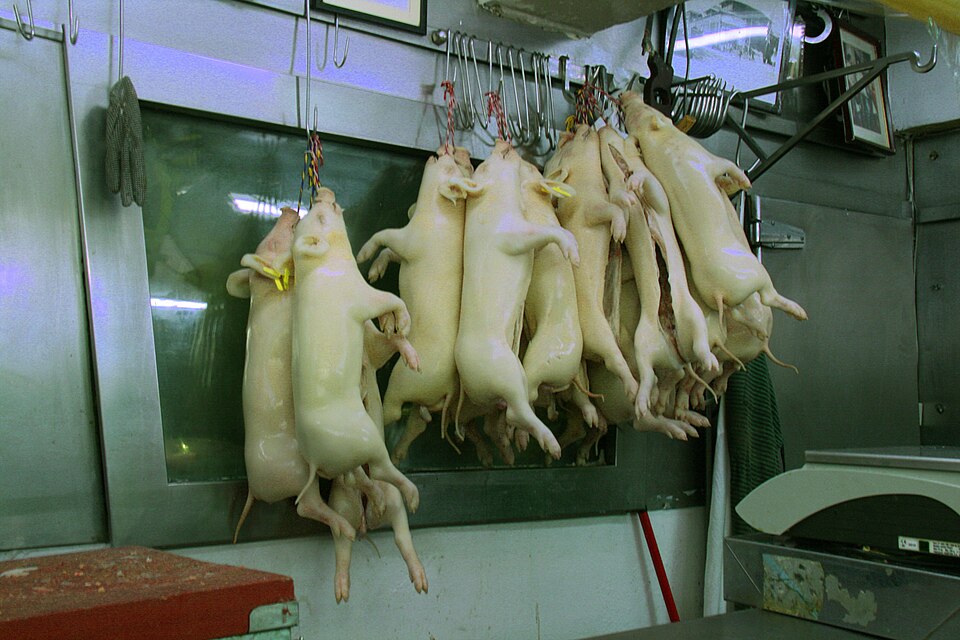
A fiesta is lechon and a table that does not run out. A Tuesday is rice, a sour soup and leftover adobo that tastes better on day two.
The home pantry around Adobo and the labour behind Sinigang rarely fit a takeaway box.
Filipino cuisine did not arrive as a single national plate. Its older structure is visible in Adobo, Adobo and the regional kitchens that still disagree.
Court, village and street cooked on different clocks. The ten-point timeline below keeps those clocks in view rather than flattening them into a brand story.
Filipino cuisine is sour more than chili-hot: adobo in vinegar and soy, sinigang in tamarind. Chinese noodles, Spanish fiesta roasts and American sweet-sauces sit on an Austronesian rice-and-bagoong base.
Austronesian souring and fish paste were in place before Spain.
Spanish and Mexican ingredients (tomato, chili, corn) entered via Manila galleons.
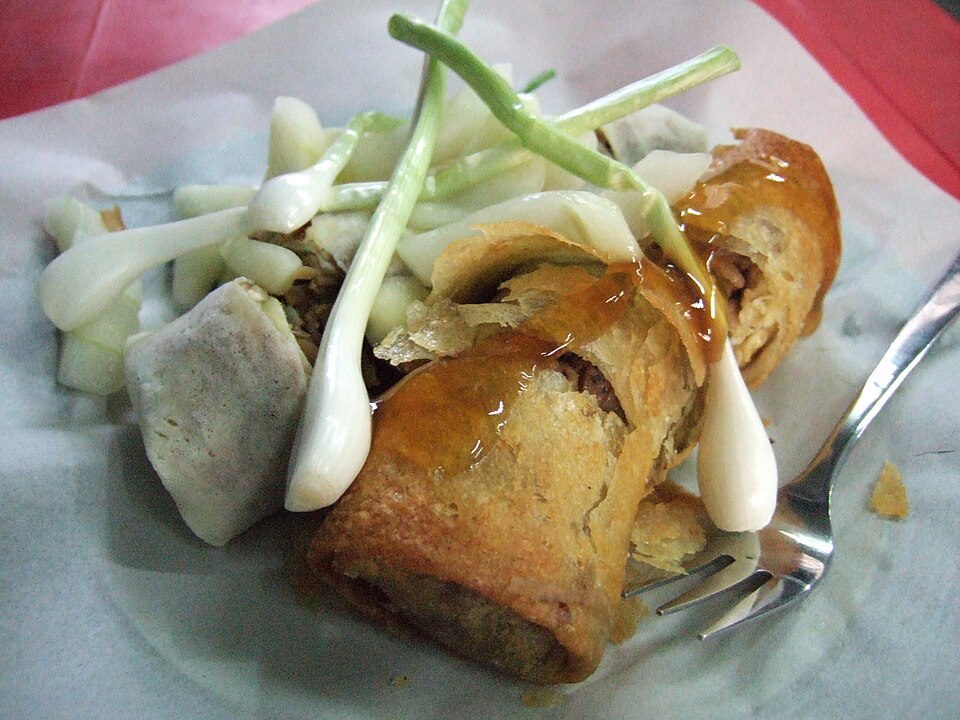
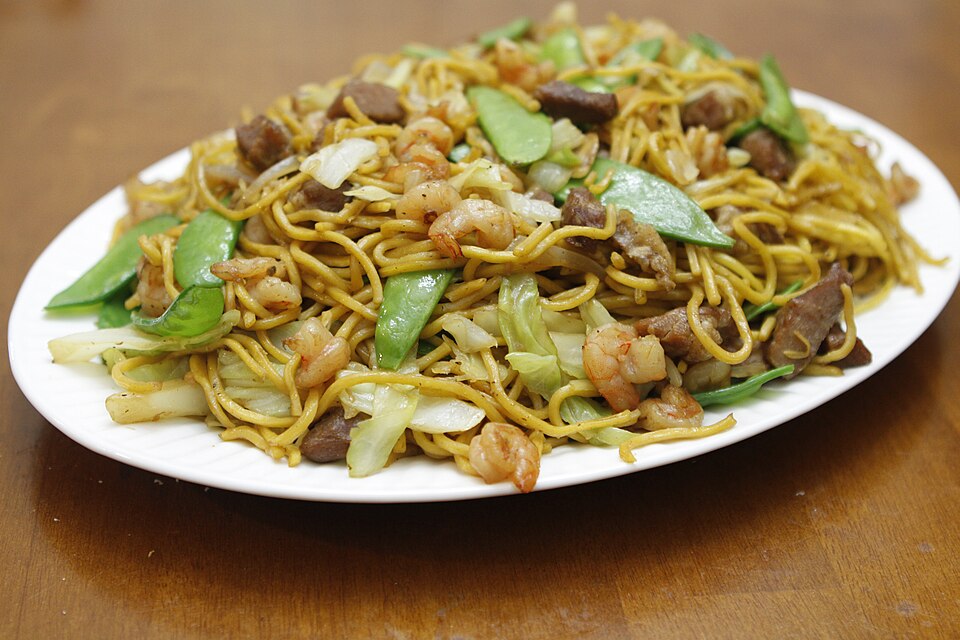
Pancit and lumpia became Filipino, not guest food.
Canned goods, Spam and soda entered the fiesta and the everyday.
Home recipes multiplied; no single official adobo won.
Migrant labour carried sinigang mix and rice cookers worldwide.
A Filipino fast-food taste became a national brand.
Pampanga bar food went national and then overseas.
Banana-leaf feasts became a diaspora restaurant format.
Ilocano, Bicol and Mindanao rooms pushed back against Manila-only menus.
Austronesian souring and fish paste were in place before Spain.
Pancit and lumpia became Filipino, not guest food.
Home recipes multiplied; no single official adobo won.
A Filipino fast-food taste became a national brand.
Banana-leaf feasts became a diaspora restaurant format.
Spanish and Mexican ingredients (tomato, chili, corn) entered via Manila galleons.
Home recipes multiplied; no single official adobo won.
Banana-leaf feasts became a diaspora restaurant format.
A history of Filipino cuisine that starts at the airport restaurant will miss the ferments, markets and labour that actually built the table.
Tadka, dal and a subcontinental map: masala, rice, breads and heat that is not one curry.
Overall 76 🥥Islands of sambal and coconut: rendang, nasi goreng and a spice-trade pantry across 17,000 islands.
Overall 68 🍜Malay, Chinese and Indian tables under one roof: nasi lemak, laksa and the mamak shop.
Overall 70