Skip to content Skip to a section
Citrus

Icons & legends

Eight bottles and noses that still define Citrus.

At a glance
Score intensity

Darker cells mean a higher score for this topic on that metric.

Last reviewed Sources & creditsMedia creditsMethodology

Quick answers

What is Citrus?

Bergamot, lemon, yuzu peel — the bright opening of cologne, watched by IFRA for phototoxicity.

EDP vs EDT — what changes?

Concentration is oil in alcohol, not a quality score. EDT (about 5–15%) shows more top; EDP (about 15–20%) shows more heart and base. Houses vary; this is not a lab assay.

How should I wear Citrus?

One or two sprays on skin or cloth — sternum or hair, not a cloud in a lift. Let it turn an hour before you add more.

Which season fits?

Hot weather, morning. The family is happier as cologne and EDT than as a heavy EDP.

Does skin chemistry change it?

Yes. Warm, moist skin amplifies sweet and spice; dry or cool skin can turn the same juice woody, soapy or short. Test on your skin, not only a blotter.

What about IFRA and oakmoss?

Some citrus oils are phototoxic. IFRA limits leave-on doses. Do not treat cologne as sunscreen, and do not use this page as a safety sheet.
Icons for Citrus are bottles and people — Nahéma, Chanel, Guerlain stay as names.

Scores below are editorial marks inside this atlas, not lab assays.

People

Farina 1709

1709– · Germany

Giovanni Maria Farina’s Aqua Mirabilis; the cologne template.

Farina 1709 (1709–, Germany) is still the story a counter tells when this family needs a name.

Read Farina 1709 as dose and geometry, not a mood board — that is how Citrus is argued.

4711

1792– · Germany

Number-address Kölnisch Wasser; Germany’s public citrus.

4711 (1792–, Germany) is still the story a counter tells when this family needs a name.

Read 4711 as dose and geometry, not a mood board — that is how Citrus is argued.

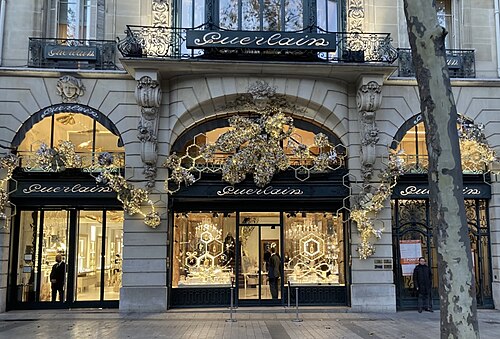
Eau de Cologne Impériale — France
Thomon · CC BY-SA 4.0 · Wikimedia Commons

Eau de Cologne Impériale

1853– · France

Guerlain’s bees and bergamot for Empress Eugénie.

Eau de Cologne Impériale (1853–, France) is still the story a counter tells when this family needs a name.

Read Eau de Cologne Impériale as dose and geometry, not a mood board — that is how Citrus is argued.

Acqua di Parma Colonia

1916– · Italy

Italian colonia as tailoring and hotel citrus.

Acqua di Parma Colonia (1916–, Italy) is still the story a counter tells when this family needs a name.

Read Acqua di Parma Colonia as dose and geometry, not a mood board — that is how Citrus is argued.

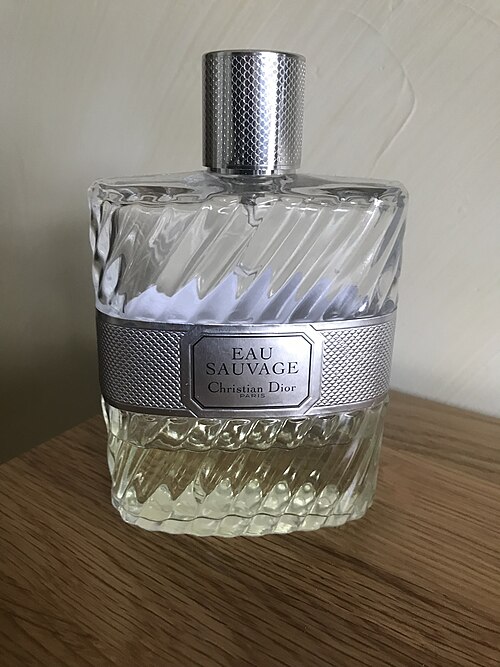
Eau Sauvage — France
Olinone · CC BY-SA 4.0 · Wikimedia Commons

Eau Sauvage

1966– · France

Roudnitska’s hedione citrus; modern masculine freshness.

Eau Sauvage (1966–, France) is still the story a counter tells when this family needs a name.

Read Eau Sauvage as dose and geometry, not a mood board — that is how Citrus is argued.

Neroli Portofino

2007– · United States

Resort neroli at boutique price; cologne as luxury object.

Neroli Portofino (2007–, United States) is still the story a counter tells when this family needs a name.

Read Neroli Portofino as dose and geometry, not a mood board — that is how Citrus is argued.

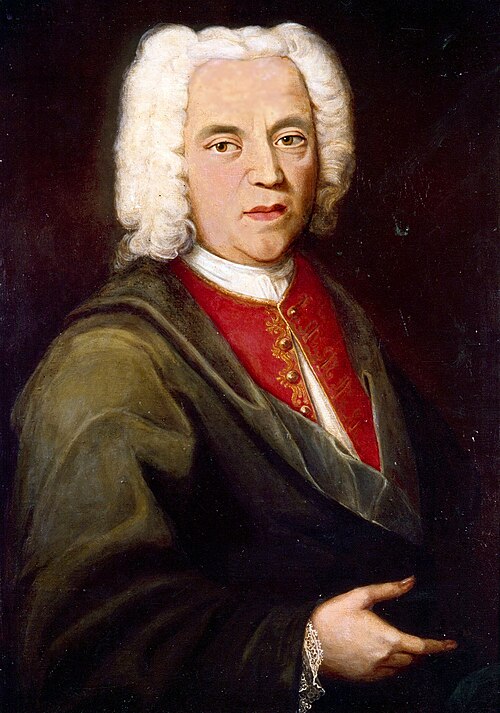
Giovanni Maria Farina — Italy
Farina Archiv · Public domain · Wikimedia Commons

Giovanni Maria Farina

1685–1766 · Italy

The Italian in Cologne who named eau de Cologne.

Giovanni Maria Farina (1685–1766, Italy) is still the story a counter tells when this family needs a name.

Read Giovanni Maria Farina as dose and geometry, not a mood board — that is how Citrus is argued.

Edmond Roudnitska

1905–1996 · France

Eau Sauvage’s author; citrus with a brain.

Edmond Roudnitska (1905–1996, France) is still the story a counter tells when this family needs a name.

Read Edmond Roudnitska as dose and geometry, not a mood board — that is how Citrus is argued.

Debate

An icon is a brief that other Citrus formulas still answer.

Origins & milestonesNotes & accordsCraft & methodCulture & meaningIcons & legendsHow to wearMarket & bottles