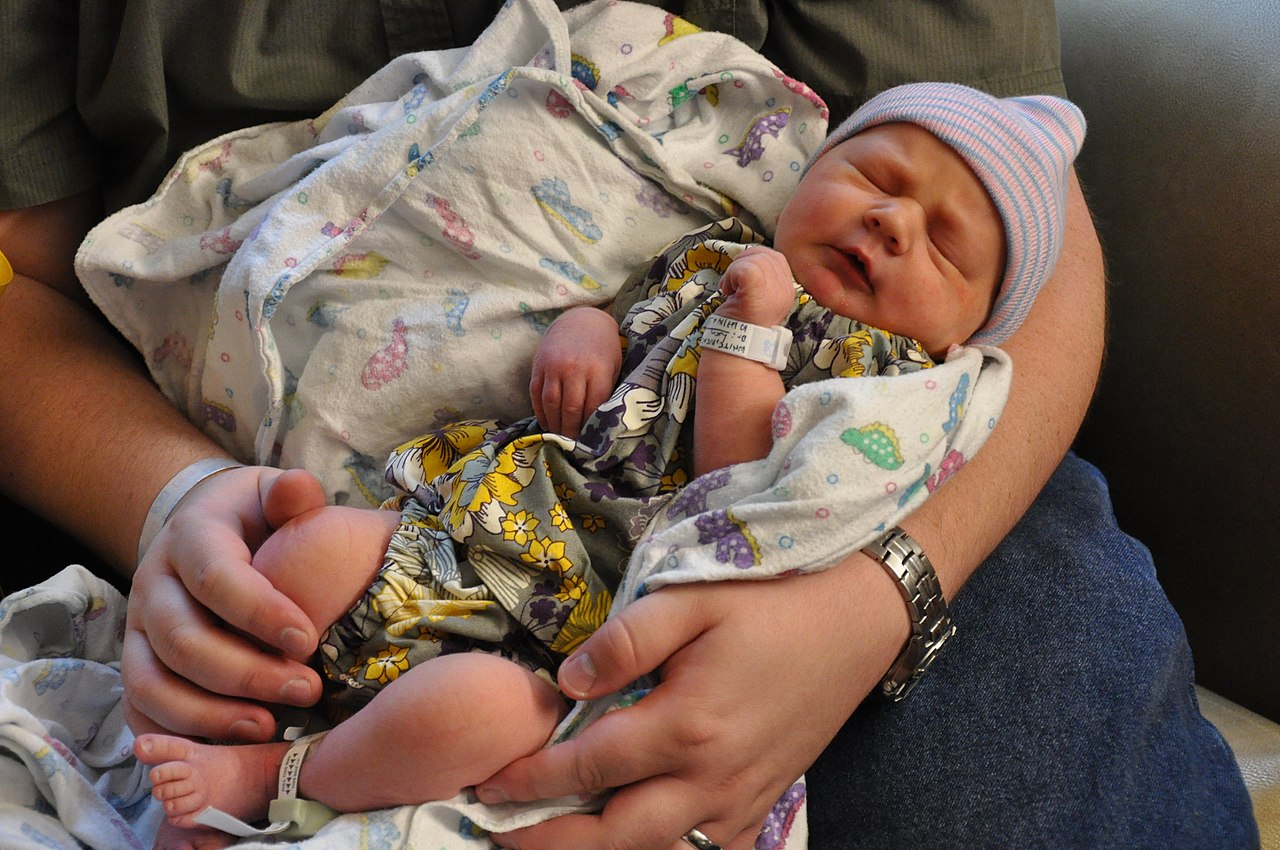
At a glance
Global guidance from WHO and national pediatric societies emphasises skin-to-skin contact, safe sleep, and responsive feeding rather than rigid schedules. Roughly 14–17 hours in 24, in short bouts — wake cycles are normal and not a sign of poor sleep training need.
Weigh it for yourself
Mark each measure High, Any or Low for what you want. The fit number moves with every mark, and your marks follow you to the next page in this app.
| Measure | Newborn | Play & Connection | You want |
|---|---|---|---|
| Evidence strength | |||
| Daily impact | |||
| Difficulty | |||
| Age span | |||
| Expert consensus | |||
| Urgency |
Mark at least one measure to see a fit number.
Scores are the atlas’s 0–100 teaching marks for each topic. They are not a diagnosis, a dose or a treatment choice.
Reading checklist
Tick a point once you could explain it in your own words. Ticks stay on this device.
0 of 4 points done
All points done. Next: Open the topic: Newborn
Newborn · The newborn period spans roughly the first four weeks after birt
The newborn period spans roughly the first four weeks after birth — a time of rapid physiological adaptation, establishing feeding, and early attachment. Research from Bowlby and Ainsworth onward treats these weeks as foundational for stress regulation and caregiver synchrony, though individual trajectories vary widely.
Newborn · Global guidance from WHO and national pediatric societies emphas
Global guidance from WHO and national pediatric societies emphasises skin-to-skin contact, safe sleep, and responsive feeding rather than rigid schedules. Roughly 14–17 hours in 24, in short bouts — wake cycles are normal and not a sign of poor sleep training need.
Newborn · Is cluster feeding normal?
Yes, especially evenings in the first weeks; it supports milk supply and growth spurts rather than indicating insufficient milk alone. Strong evidence links immediate and ongoing skin-to-skin with temperature stability, breastfeeding success, and parent-infant synchrony.
Newborn · What about visitors?
Limit exposure in early weeks; hand hygiene and vaccination status of visitors reduce infection risk for immature immune systems. No — responsive comfort builds secure attachment; infants cannot manipulate or form habits of being held at this age.
This is education from the atlas. It does not diagnose and does not prescribe a dose. It does not replace the full topic page.
What is the next question after this?
Yes, especially evenings in the first weeks; it supports milk supply and growth spurts rather than indicating insufficient milk alone. Strong evidence links immediate and ongoing skin-to-skin with temperature stability, breastfeeding success, and parent-infant synchrony.
Does this page rank people or nations?
This is education from the atlas. It does not diagnose and does not prescribe a dose. It does not replace the full topic page.
Where is the longer entry?
Limit exposure in early weeks; hand hygiene and vaccination status of visitors reduce infection risk for immature immune systems. No — responsive comfort builds secure attachment; infants cannot manipulate or form habits of being held at this age.