At a glance
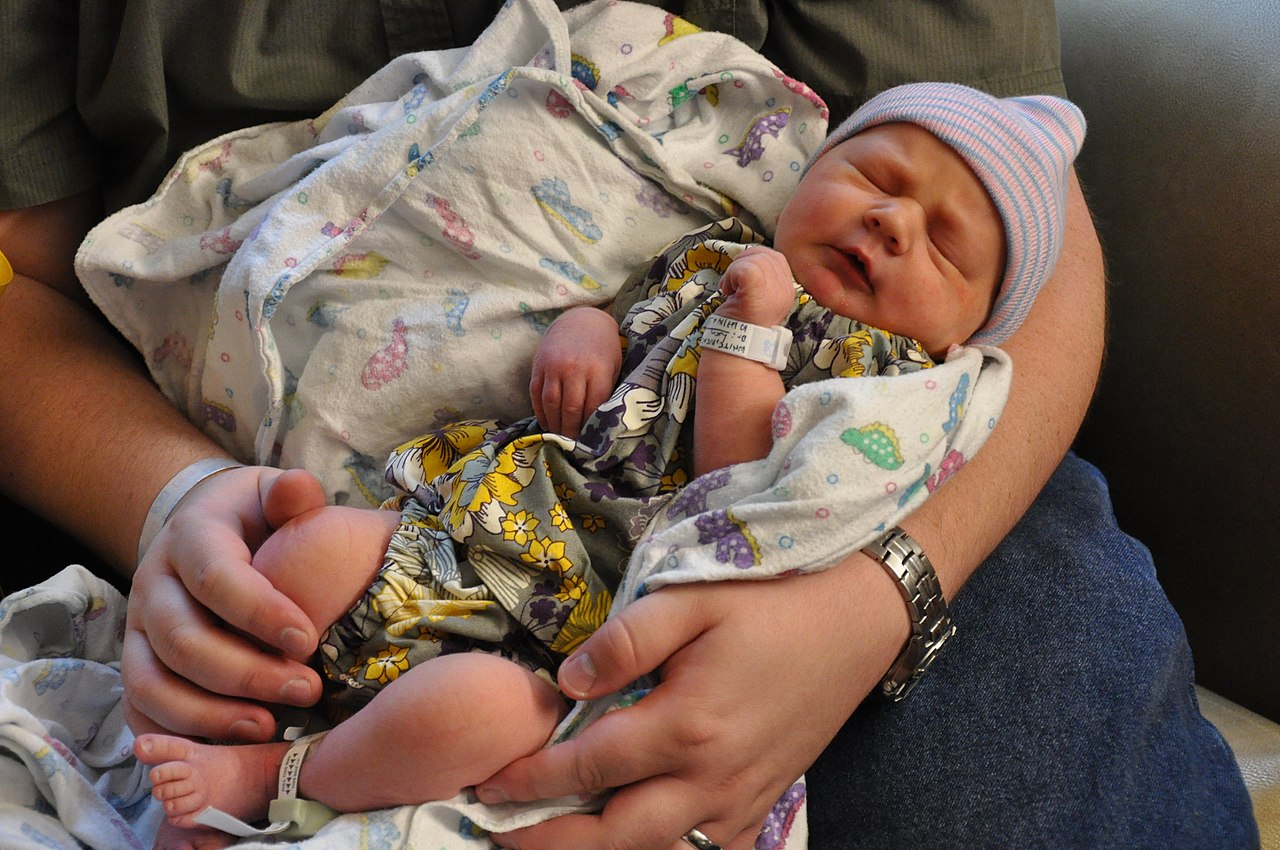
John Bowlby linked early separation from mothers to later distress, challenging hospital nursery norms. Edgar Rey Sanabria in Bogotá showed skin-to-skin could stabilise preterm infants without costly incubators.
Weigh it for yourself
Mark each measure High, Any or Low for what you want. The fit number moves with every mark, and your marks follow you to the next page in this app.
| Measure | Newborn | Play & Connection | You want |
|---|---|---|---|
| Evidence strength | |||
| Daily impact | |||
| Difficulty | |||
| Age span | |||
| Expert consensus | |||
| Urgency |
Mark at least one measure to see a fit number.
Scores are the atlas’s 0–100 teaching marks for each topic. They are not a diagnosis, a dose or a treatment choice.
Reading checklist
Tick a point once you could explain it in your own words. Ticks stay on this device.
0 of 4 points done
All points done. Next: Open the topic: Newborn
Newborn · Each shift — separation, bonding research, kangaroo care — chang
Each shift — separation, bonding research, kangaroo care — changed what parents were told to do in the first hours and days. Martin Couney displayed premature infants in incubators at fairs, popularising neonatal warmth technology.
Newborn · Bowlby attachment
John Bowlby linked early separation from mothers to later distress, challenging hospital nursery norms. Edgar Rey Sanabria in Bogotá showed skin-to-skin could stabilise preterm infants without costly incubators.
Newborn · Bonding research
Bowlby, Klaus & Kennell, and Ainsworth shifted policy toward early contact and maternal presence. Modern newborn care crystallised as hospital birth became common; incubator technology (Couney, 1900s) and later WHO Kangaroo Mother Care (1970s, Bogotá) reshaped how fragile infants are held and fed.
Newborn · Dr
Dr. Spock successors and La Leche League pushed breastfeeding and closeness into mainstream magazines. The first 28 days are a string of named events, not a generic newborn-care wrapper: the first stable skin-to-skin hold, the first night of cluster feeding, the 3–5 day pediatric visit, and the first week of wet-nappy counts.
This is education from the atlas. It does not diagnose and does not prescribe a dose. It does not replace the full topic page.
What is the next question after this?
Bowlby, Klaus & Kennell, and Ainsworth shifted policy toward early contact and maternal presence. Modern newborn care crystallised as hospital birth became common; incubator technology (Couney, 1900s) and later WHO Kangaroo Mother Care (1970s, Bogotá) reshaped how fragile infants are held and fed.
Does this page rank people or nations?
This is education from the atlas. It does not diagnose and does not prescribe a dose. It does not replace the full topic page.
Where is the longer entry?
Dr. Spock successors and La Leche League pushed breastfeeding and closeness into mainstream magazines. The first 28 days are a string of named events, not a generic newborn-care wrapper: the first stable skin-to-skin hold, the first night of cluster feeding, the 3–5 day pediatric visit, and the first week of wet-nappy counts.