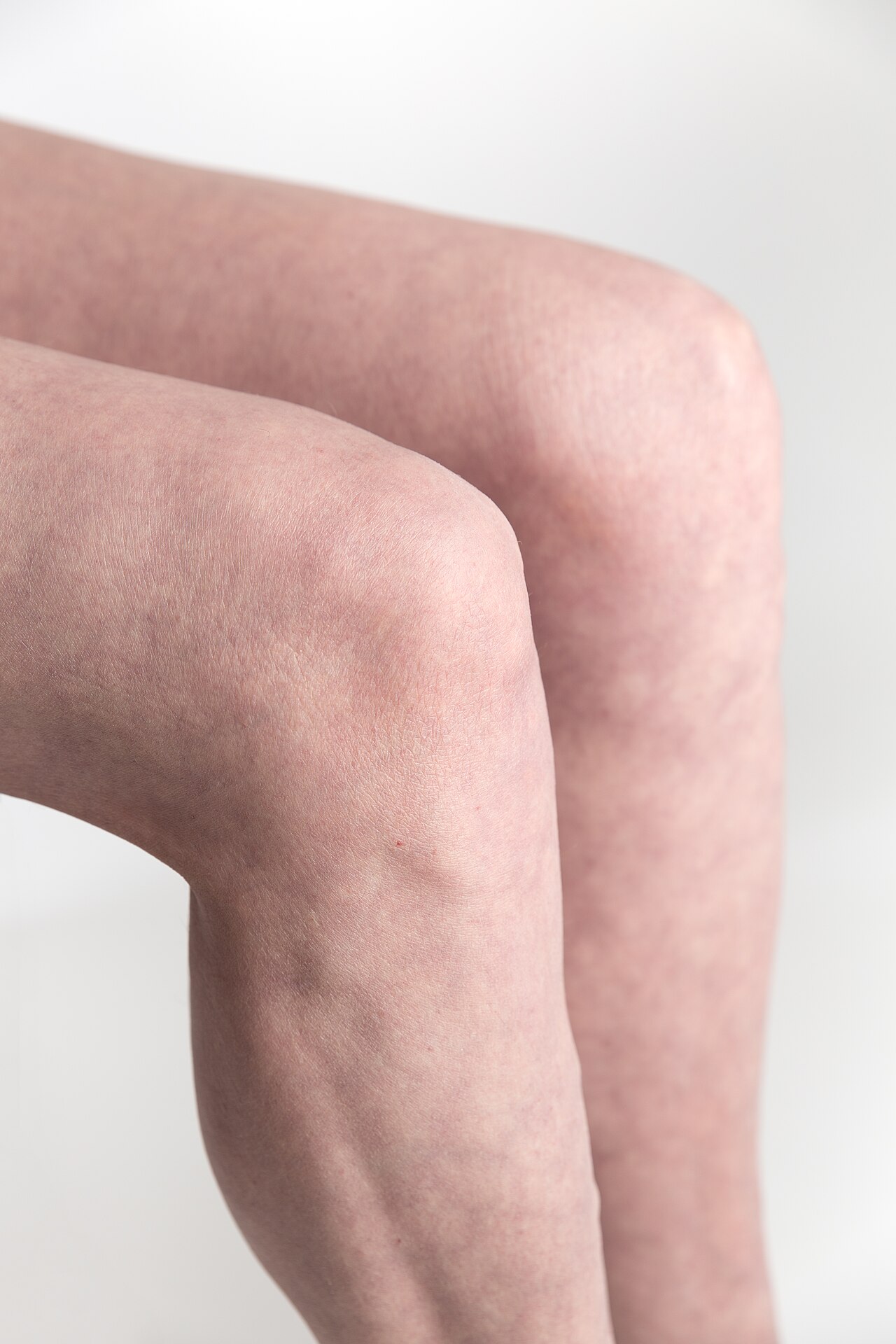
At a glance
Gradual degeneration of joint cartilage, most common in older adults, producing pain, stiffness, and reduced function that typically progresses over months to years. Knee assessment typically begins with a history of onset, mechanism of injury if applicable, and pain location, followed by observation of swelling, alignment, and active range of motion.
Weigh it for yourself
Mark each measure High, Any or Low for what you want. The fit number moves with every mark, and your marks follow you to the next page in this app.
| Measure | Knee | Lower Back | You want |
|---|---|---|---|
| Pain frequency | |||
| Recovery length | |||
| Exercise load | |||
| Clinician need | |||
| Self-care fit | |||
| Recurrence risk |
Mark at least one measure to see a fit number.
Scores are the atlas’s 0–100 teaching marks for each topic. They are not a diagnosis, a dose or a treatment choice.
Reading checklist
Tick a point once you could explain it in your own words. Ticks stay on this device.
0 of 4 points done
All points done. Next: Open the topic: Knee
Knee · Knee conditions span a wide range, from overuse-related pain aro
Knee conditions span a wide range, from overuse-related pain around the kneecap in younger, active individuals to degenerative osteoarthritis in older adults, with ligament and meniscus injuries most common during sport. Given the range of tissues that can be involved, knee assessment typically considers the pattern of pain location, activity triggers, and any history of trauma to help narrow the likely diagnosis.
Knee · Knee osteoarthritis
Gradual degeneration of joint cartilage, most common in older adults, producing pain, stiffness, and reduced function that typically progresses over months to years. Knee assessment typically begins with a history of onset, mechanism of injury if applicable, and pain location, followed by observation of swelling, alignment, and active range of motion.
Knee · A battery of special tests then helps assess ligament stability,
A battery of special tests then helps assess ligament stability, meniscus integrity, and patellofemoral mechanics, guiding whether further imaging or referral is warranted. This combination of history, special tests, and functional assessment allows clinicians to distinguish between the knee's many possible sources of pain and determine whether imaging or specialist referral is warranted.
Knee · Functional single-leg squat
Observing alignment and control during a single-leg squat helps identify movement patterns, such as excessive inward knee collapse, relevant to several overuse conditions. Knee exercise programs typically emphasize quadriceps and hip strengthening, since these muscle groups play a central role in absorbing load and controlling alignment during walking, running, and jumping.
This is education from the atlas. It does not diagnose and does not prescribe a dose. It does not replace the full topic page.
What is the next question after this?
A battery of special tests then helps assess ligament stability, meniscus integrity, and patellofemoral mechanics, guiding whether further imaging or referral is warranted. This combination of history, special tests, and functional assessment allows clinicians to distinguish between the knee's many possible sources of pain and determine whether imaging or specialist referral is warranted.
Does this page rank people or nations?
This is education from the atlas. It does not diagnose and does not prescribe a dose. It does not replace the full topic page.
Where is the longer entry?
Observing alignment and control during a single-leg squat helps identify movement patterns, such as excessive inward knee collapse, relevant to several overuse conditions. Knee exercise programs typically emphasize quadriceps and hip strengthening, since these muscle groups play a central role in absorbing load and controlling alignment during walking, running, and jumping.