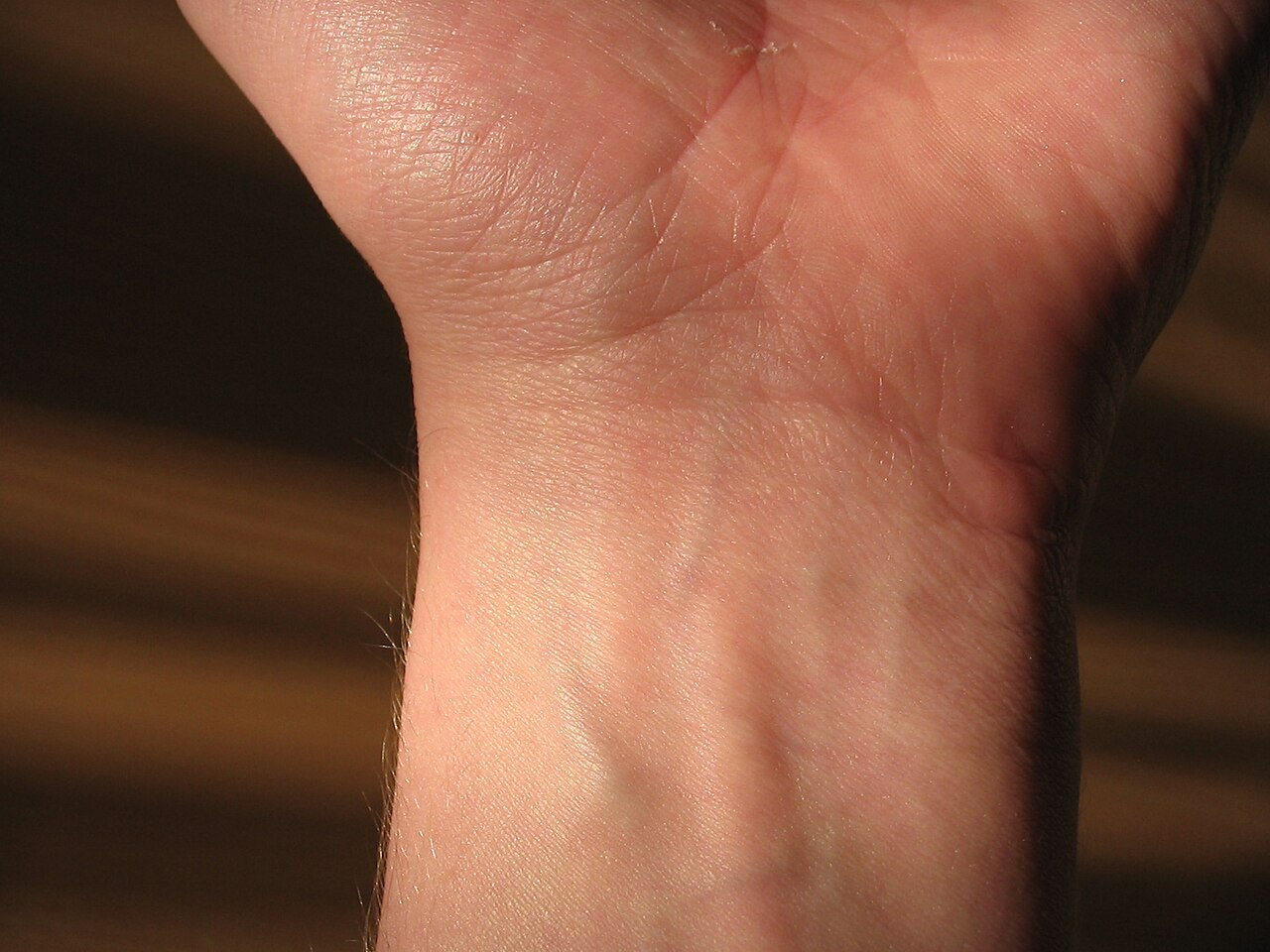
At a glance
A visible deformity or an inability to move the wrist or fingers following a fall or direct injury raises concern for fracture and warrants urgent evaluation. A sudden and complete loss of sensation in the hand, especially after trauma, should be evaluated urgently to rule out significant nerve or vascular injury.
Weigh it for yourself
Mark each measure High, Any or Low for what you want. The fit number moves with every mark, and your marks follow you to the next page in this app.
| Measure | Wrist & Hand | Lower Back | You want |
|---|---|---|---|
| Pain frequency | |||
| Recovery length | |||
| Exercise load | |||
| Clinician need | |||
| Self-care fit | |||
| Recurrence risk |
Mark at least one measure to see a fit number.
Scores are the atlas’s 0–100 teaching marks for each topic. They are not a diagnosis, a dose or a treatment choice.
Reading checklist
Tick a point once you could explain it in your own words. Ticks stay on this device.
0 of 4 points done
All points done. Next: Open the topic: Wrist & Hand
Wrist & Hand · Because nerve compression is common in this region, several test
Because nerve compression is common in this region, several tests specifically aim to reproduce or provoke nerve-related symptoms, alongside tests targeting specific tendons and ligaments. This combination of provocative nerve tests, strength measures, and trauma screening allows clinicians to efficiently distinguish between the region's common nerve, tendon, and joint conditions.
Wrist & Hand · Deformity or inability to move after trauma
A visible deformity or an inability to move the wrist or fingers following a fall or direct injury raises concern for fracture and warrants urgent evaluation. A sudden and complete loss of sensation in the hand, especially after trauma, should be evaluated urgently to rule out significant nerve or vascular injury.
Wrist & Hand · Tinel's sign at the wrist
Tapping over the median nerve at the wrist that reproduces tingling in the thumb, index, and middle fingers suggests nerve irritation at that level. Exercise for wrist and hand conditions varies significantly by diagnosis, ranging from gentle nerve gliding techniques for carpal tunnel syndrome to progressive tendon loading for tenosynovitis.
Wrist & Hand · Because fine motor control is central to hand function, exercise
Because fine motor control is central to hand function, exercise programs often include both general strengthening and task-specific practice relevant to the individual's daily or occupational demands. Exercise choice generally follows the specific diagnosis — nerve gliding for compression syndromes, tendon-specific loading for tenosynovitis, and general strengthening for post-injury or degenerative conditions.
This is education from the atlas. It does not diagnose and does not prescribe a dose. It does not replace the full topic page.
What is the next question after this?
Tapping over the median nerve at the wrist that reproduces tingling in the thumb, index, and middle fingers suggests nerve irritation at that level. Exercise for wrist and hand conditions varies significantly by diagnosis, ranging from gentle nerve gliding techniques for carpal tunnel syndrome to progressive tendon loading for tenosynovitis.
Does this page rank people or nations?
This is education from the atlas. It does not diagnose and does not prescribe a dose. It does not replace the full topic page.
Where is the longer entry?
Because fine motor control is central to hand function, exercise programs often include both general strengthening and task-specific practice relevant to the individual's daily or occupational demands. Exercise choice generally follows the specific diagnosis — nerve gliding for compression syndromes, tendon-specific loading for tenosynovitis, and general strengthening for post-injury or degenerative conditions.