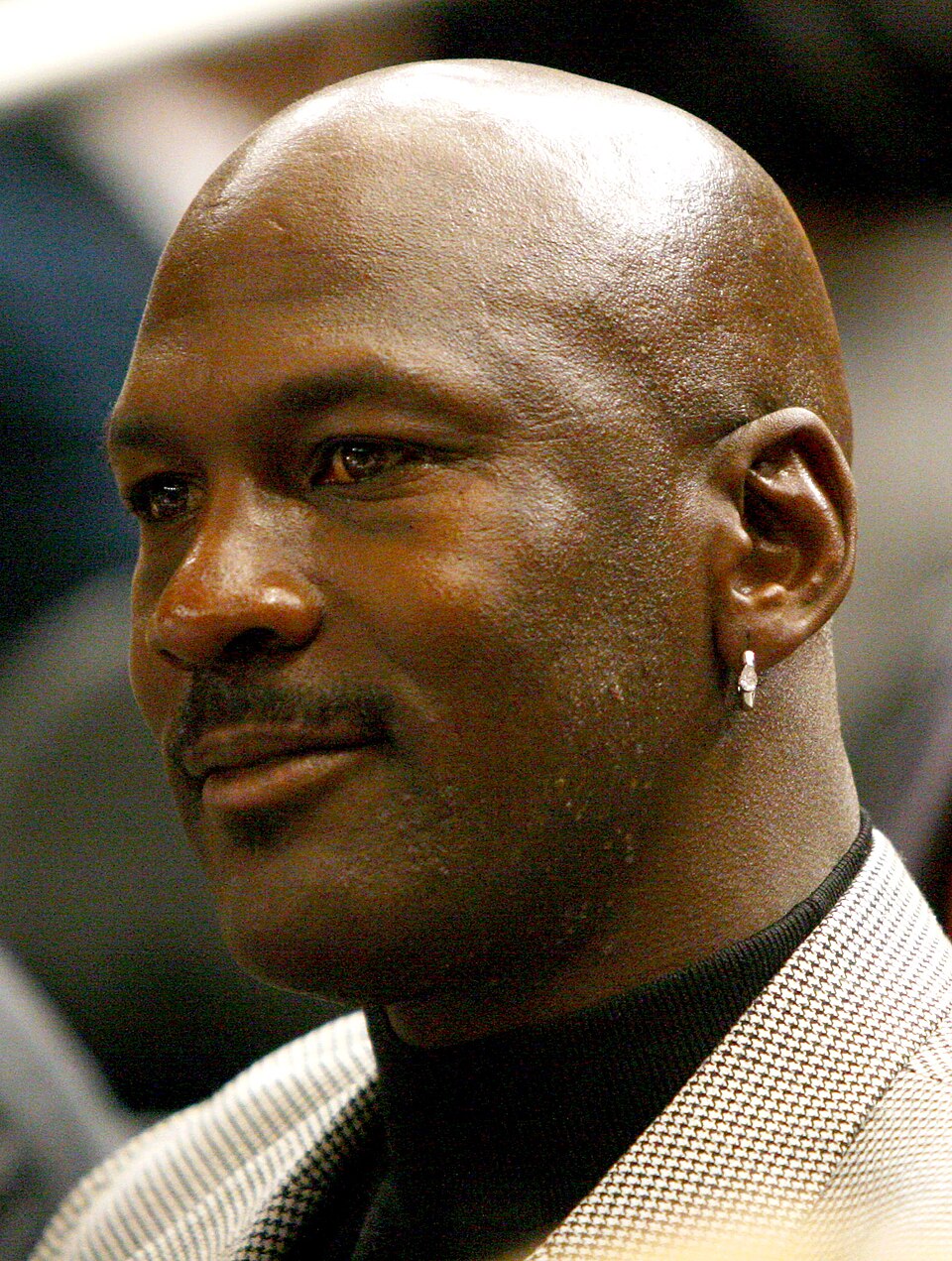
Michael Jordan
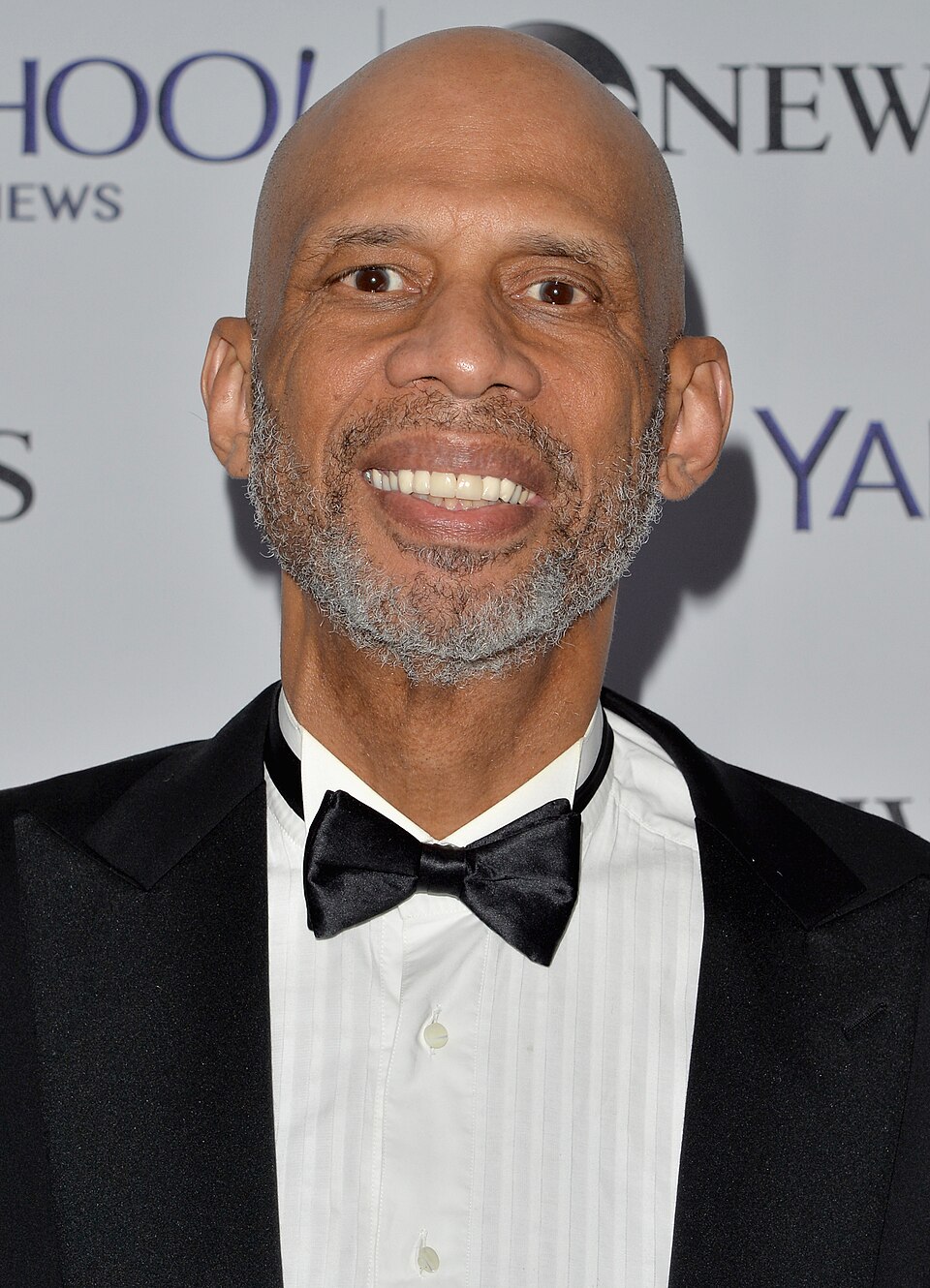
Kareem Abdul-Jabbar
Stat by stat
Bars are scaled to the leader in this list.
The verdict
Dead even across the measured categories. Our all-time ranking places Michael Jordan at #1 and Kareem Abdul-Jabbar at #3.
Head-to-head FAQ
Who leads more shared metrics?
How do the published ranks compare?
Are these live stats?
The case for Michael Jordan
The most complete resume at the highest peak. Jordan won six championships in six Finals appearances, took Finals MVP all six times, and never allowed a series to reach a Game 7. He won five regular-season MVPs, ten scoring titles — both records for a perimeter player — and retired with the highest career scoring average in NBA history at 30.1 points per game. The two-way case seals it: 1988 Defensive Player of the Year, nine All-Defensive First Team selections, and 2,514 career steals, third all-time. His 1990–91 through 1992–93 and 1995–96 through 1997–98 three-peats bracket a 6–0 decade in which his teams beat Hall of Fame opposition — Magic's Lakers, Barkley's Suns, Malone and Stockton's Jazz twice — and his 33.4 points per game across 179 playoff games remains the highest postseason average ever. The 72–10 season of 1995–96 and the 1998 title-winning shot in Utah are the era's defining monuments. No player has combined scoring supremacy, defensive excellence and flawless Finals results at his level.
The case for Kareem Abdul-Jabbar
The most decorated player ever by individual hardware, and the owner of the most unstoppable single weapon in basketball history. Abdul-Jabbar's six regular-season MVPs remain the record, his 38,387 points stood as the scoring record for 39 years, and his six championships span an almost implausible arc — Finals MVP as a second-year player in Milwaukee in 1971, Finals MVP again at age 38 in 1985. The skyhook gave him a shot that was never solved: he shot 55.9 percent for his career and remained an elite scorer past age 40, retiring with 19 All-Star selections and 17,440 rebounds. His dominance predates the NBA: three straight NCAA titles and three tournament Most Outstanding Player awards at UCLA, where the NCAA banned dunking in 1967 largely because of him — he answered by perfecting the skyhook. The knock is that he was the clear second star on several 1980s title teams, but a career that runs from beating Wilt Chamberlain to feeding off Magic Johnson, spanning 20 elite seasons, has no parallel for sustained excellence at the center position.