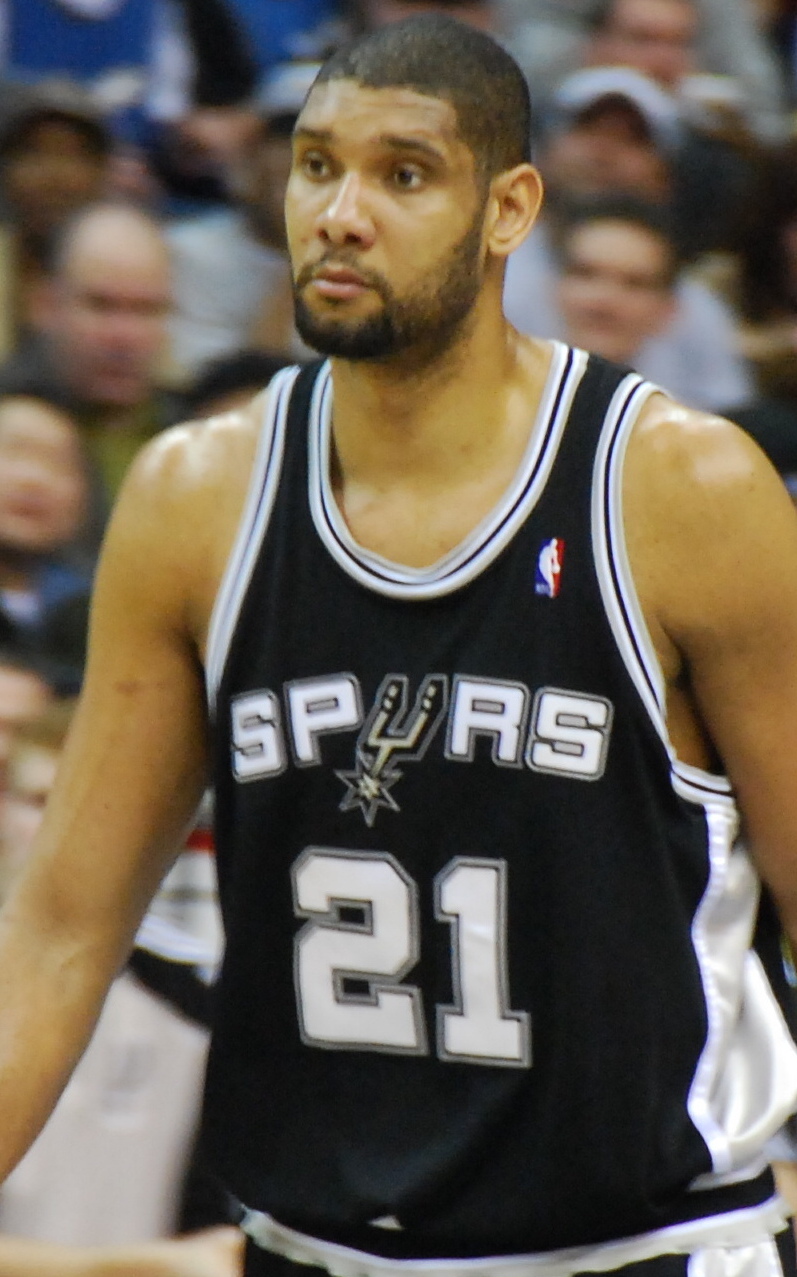
Tim Duncan
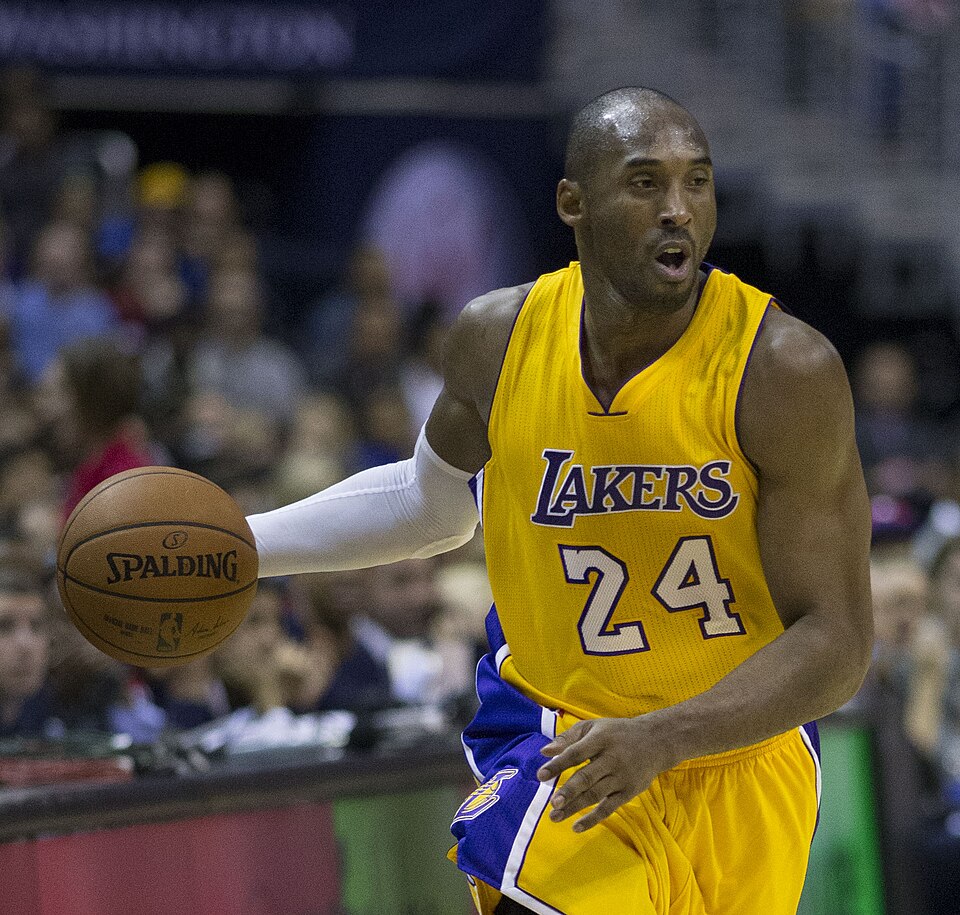
Kobe Bryant
Stat by stat
Bars are scaled to the leader in this list.
The verdict
Tim Duncan leads 1 of 2 categories. Our all-time ranking places Tim Duncan at #8 and Kobe Bryant at #10.
Head-to-head FAQ
Who leads more shared metrics?
How do the published ranks compare?
Are these live stats?
The case for Tim Duncan
The most reliable great player in NBA history and the anchor of the modern era's longest-running excellence. Duncan won five championships spread across three different decades of Finals — 1999, 2003, 2005, 2007 and 2014 — with three Finals MVPs and back-to-back regular-season MVPs in 2002 and 2003. His 15 All-Defensive selections are the most ever, the statistical spine of a two-way case built on flawless positioning rather than highlights. The team record is the argument: San Antonio never missed the playoffs in his 19 seasons and won 71 percent of its regular-season games across his career — the best sustained run of any franchise in the four major American leagues over that span. His peak was higher than the humble reputation suggests: in the 2003 title run he averaged 24.7 points, 15.4 rebounds, 5.3 assists and 3.3 blocks in the Finals, closing with a near quadruple-double in the clincher. Career averages of 19.0 points, 10.8 rebounds and 2.2 blocks, delivered with identical temperament in November and June, made him the standard for winning without noise.
The case for Kobe Bryant
Five titles, 18 All-Star nods, and the closest stylistic heir to Jordan in the shot-creation lab. He never stacked LeBron's counting-career length; this VS keeps both on the same published axes so Peak and Career can disagree honestly.