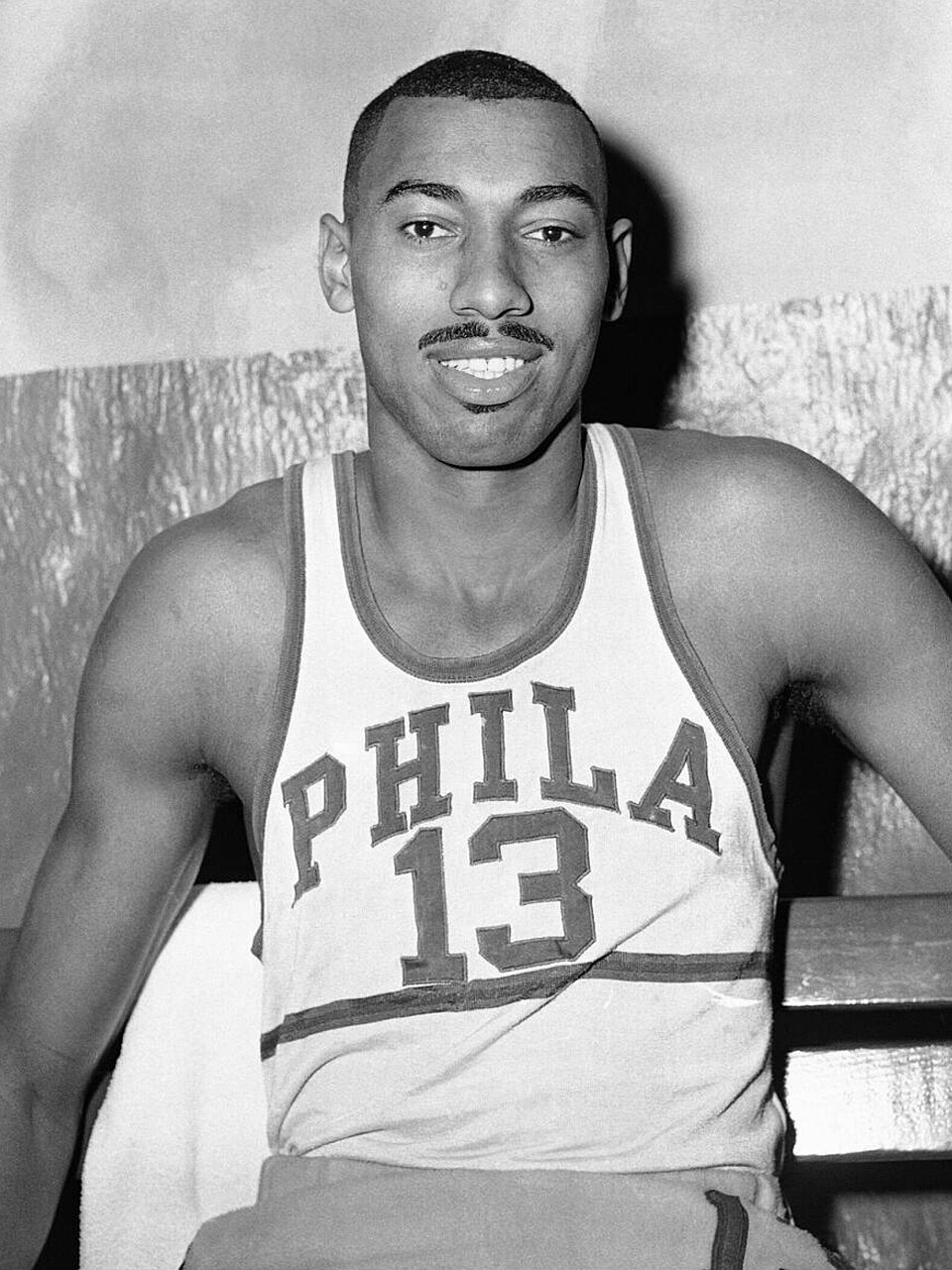
Wilt Chamberlain
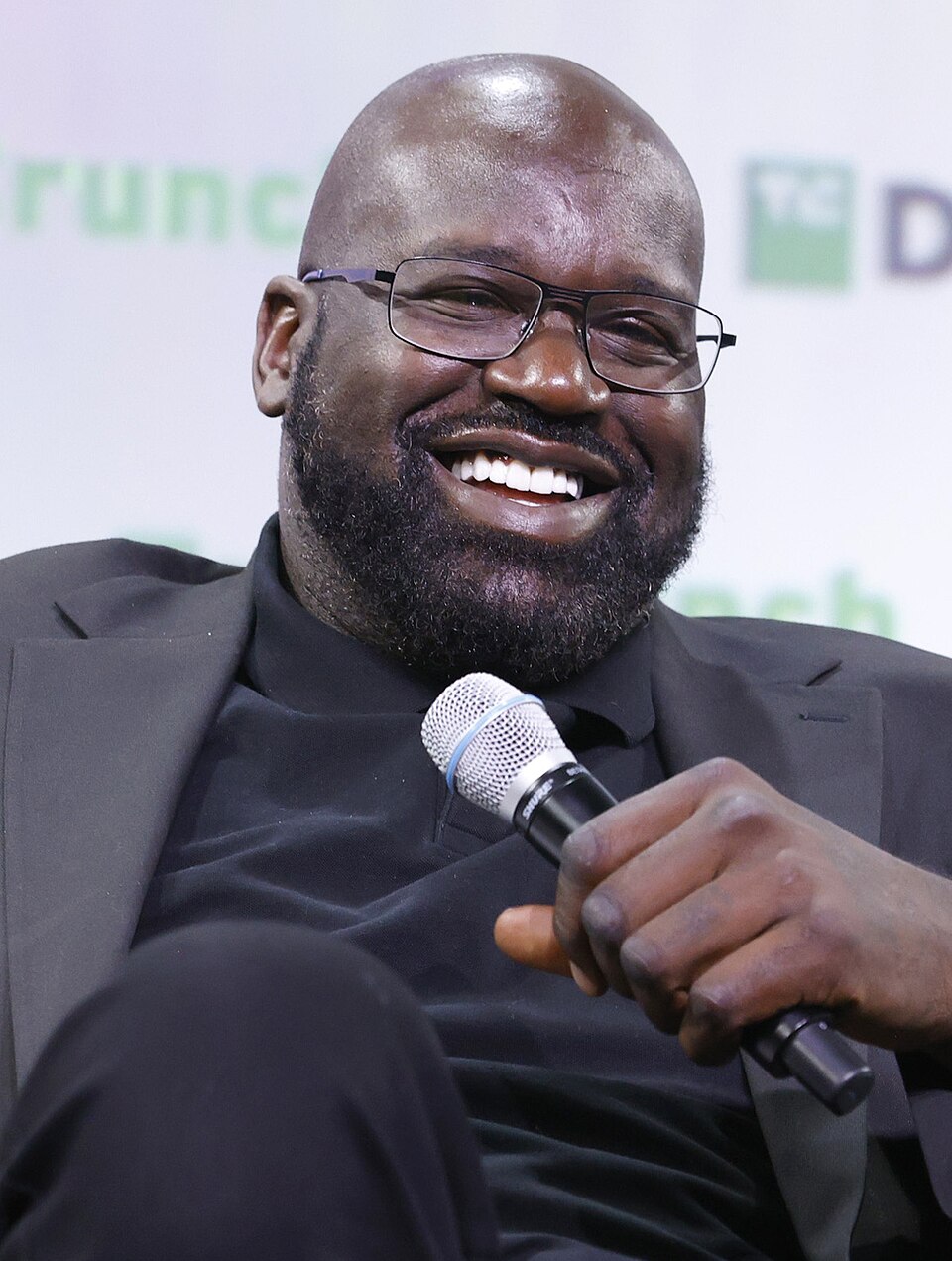
Shaquille O'Neal
Stat by stat
Bars are scaled to the leader in this list.
The verdict
Wilt Chamberlain leads 2 of 3 categories. Our all-time ranking places Wilt Chamberlain at #6 and Shaquille O'Neal at #9.
Head-to-head FAQ
Who leads more shared metrics?
How do the published ranks compare?
Are these live stats?
The case for Wilt Chamberlain
The most statistically dominant athlete any team sport has produced. Chamberlain's 1961–62 season — 50.4 points and 25.7 rebounds per game, including the 100-point game in Hershey on March 2, 1962 — will never be approached; he averaged 48.5 minutes that season by playing overtimes on top of full games. He led the NBA in scoring seven straight times, in rebounding 11 times, and, after being criticized as selfish, led the league in total assists in 1967–68 — the only center ever to do so. His career marks of 30.1 points and a record 22.9 rebounds per game came with four MVPs and, contrary to the empty-stats caricature, two of the most dominant championship teams ever: the 68–13 Philadelphia 76ers of 1967 and the 69–13 Lakers of 1972, both of which broke the Celtics' grip. The honest case against him is Russell — a 1–7 head-to-head playoff series record and repeated Game 7 defeats — plus chronic free-throw shooting near 51 percent. But as a force of nature, no one else comes close.
The case for Shaquille O'Neal
The most physically overwhelming player of the modern era, with a three-year peak that belongs in any conversation about the best basketball ever played. From 2000 to 2002, O'Neal won three consecutive Finals MVPs — a feat matched only by Jordan — as the Lakers three-peated, opening with a 2000 Finals against Indiana in which he averaged 38.0 points and 16.7 rebounds. His 2000 MVP was one first-place vote short of unanimous, and that season he led the league at 29.7 points per game while shooting 57.4 percent. He added a fourth ring as the co-star of Miami's 2006 title. The career totals — 28,596 points, 23.7 points and 10.9 rebounds per game, 58.2 percent from the field, the best mark of any 28,000-point scorer — undersell a player whose true effect was strategic: opponents built rosters, defensive schemes and the intentional Hack-a-Shaq foul strategy specifically for him, and the NBA's zone-defense legalization in 2001 was widely understood as a response to his unguardability. Conditioning lapses and 52.7 percent free-throw shooting are the asterisks; the peak is untouchable.