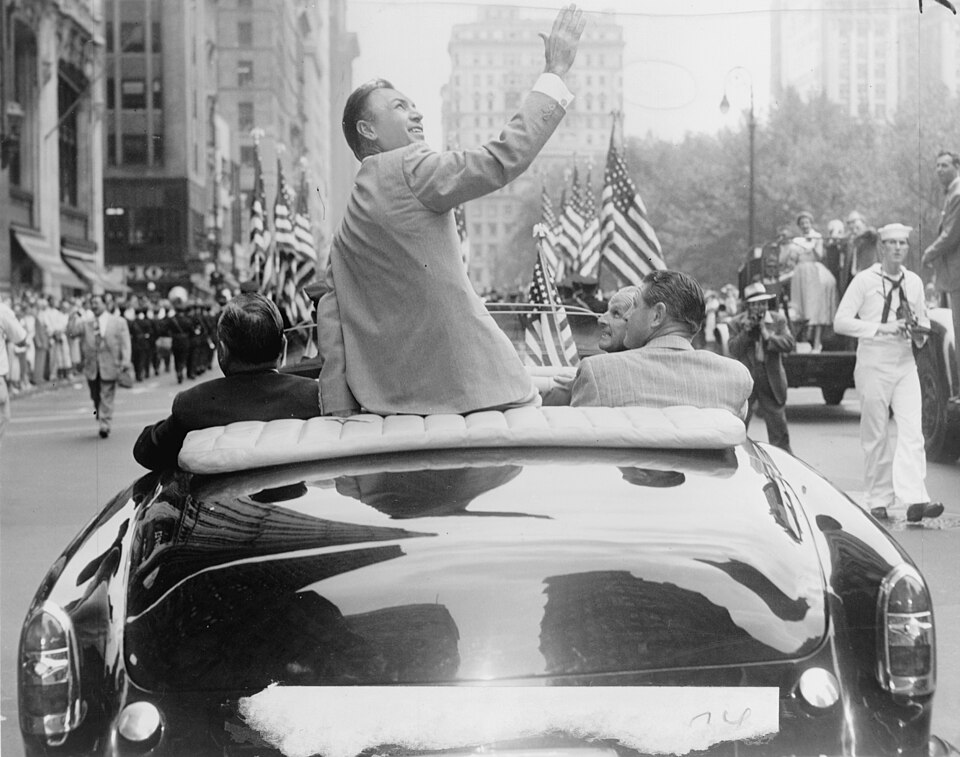
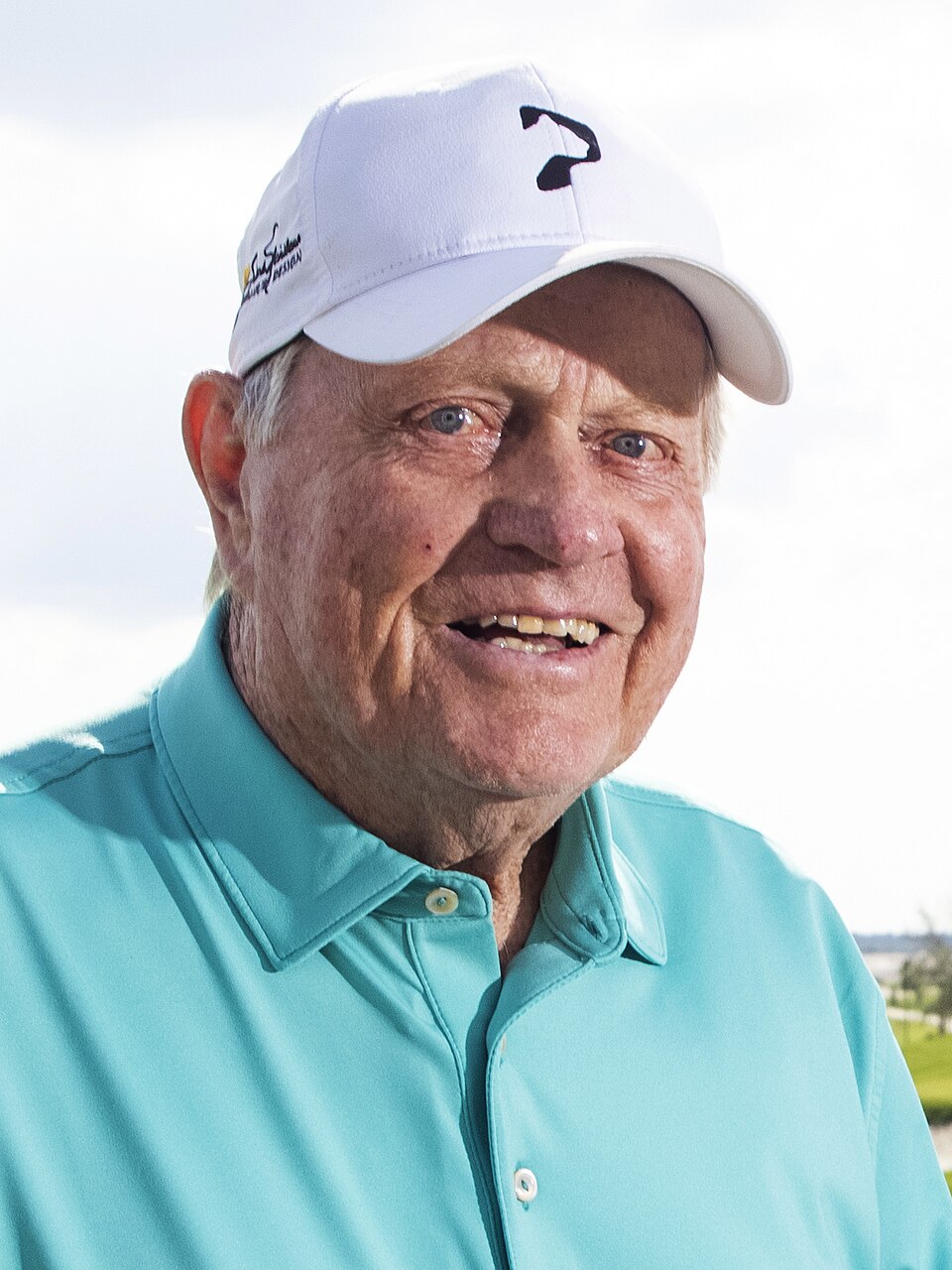
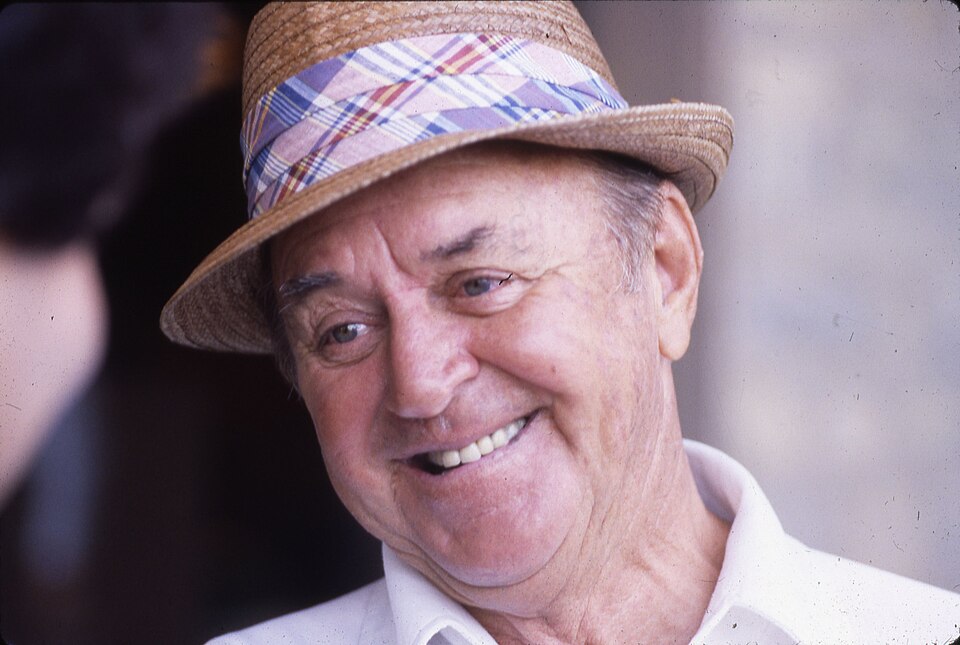
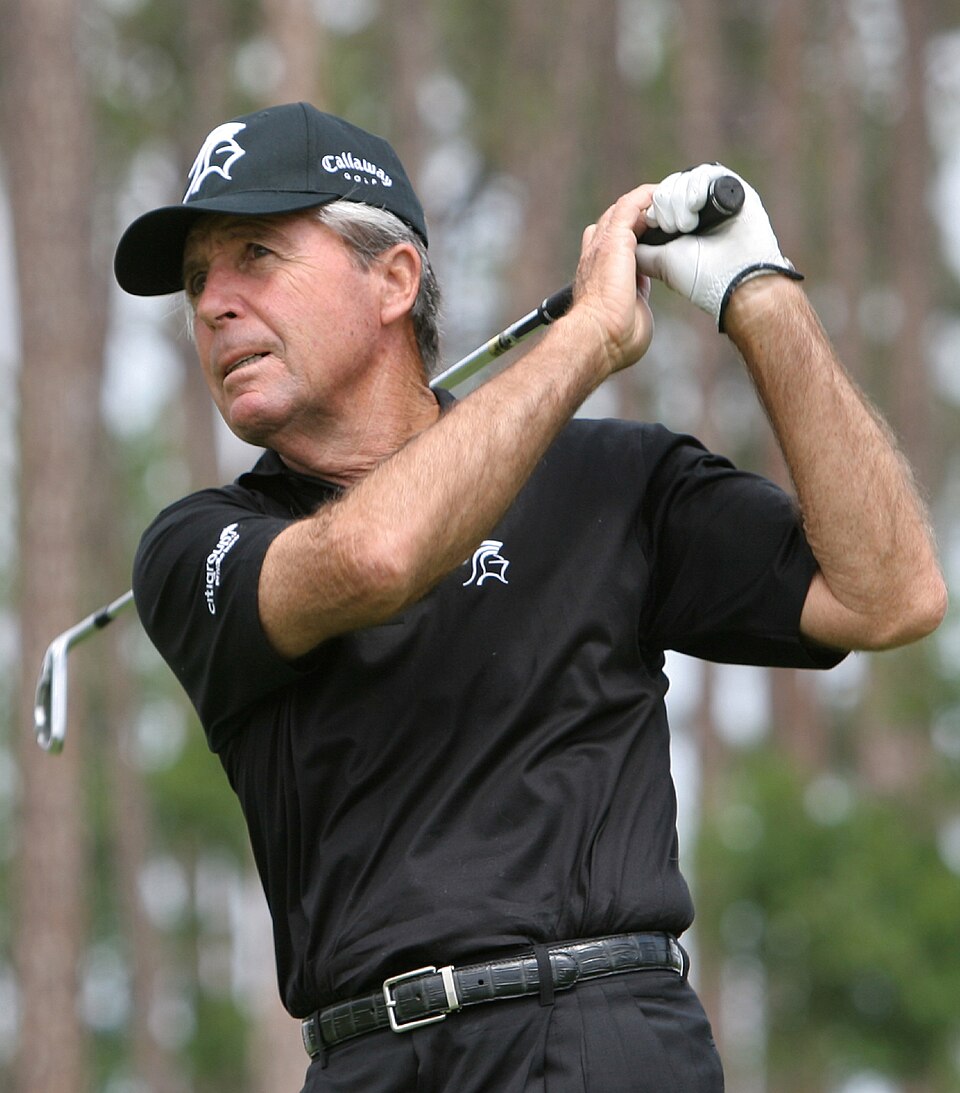
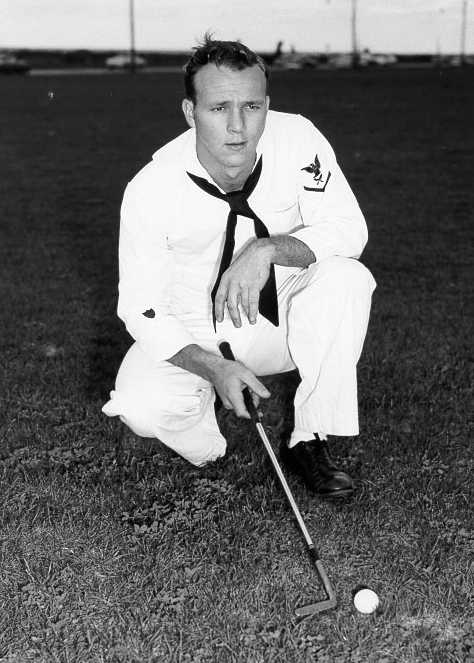
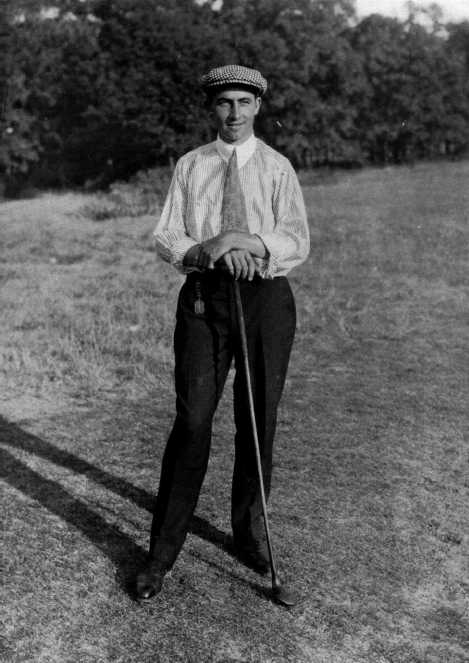
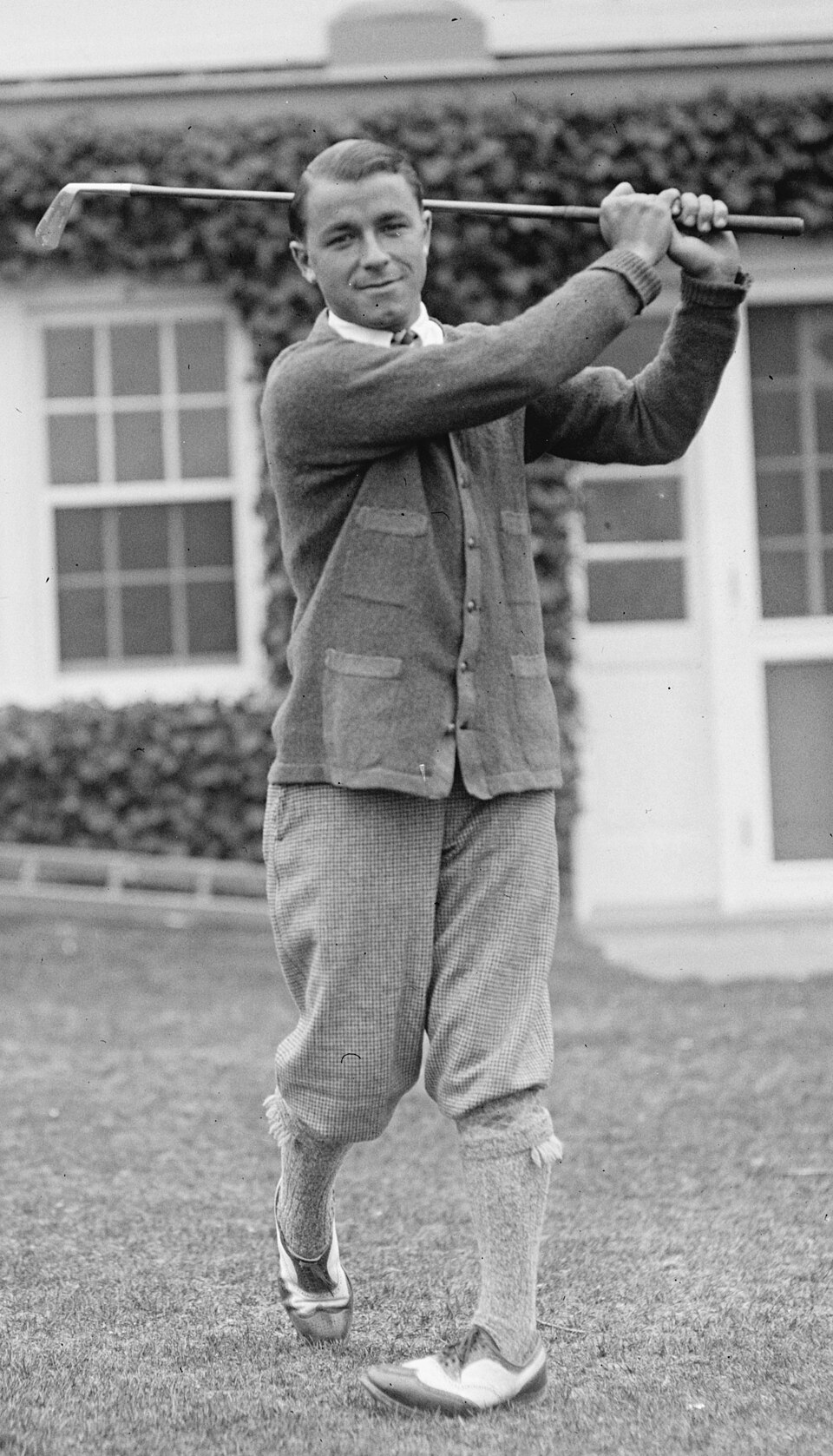
The four men's major championships are the Masters, the PGA Championship, the U.S. Open and the Open Championship, played in that order between April and July each year. The Masters, at Augusta National since 1934, is the only major staged at the same venue annually. The Open, first played in 1860, is the oldest and the only major held outside the United States, on British links courses. Winning all four in a career is the Grand Slam, achieved by only six men: Gene Sarazen, Ben Hogan, Gary Player, Jack Nicklaus, Tiger Woods and, in 2025, Rory McIlroy. The women's game has its own separate set of majors.
How does the golf handicap system work?
A handicap is a number that represents a golfer's demonstrated ability, allowing players of different standards to compete fairly. Under the World Handicap System, your handicap index is calculated from the best 8 of your most recent 20 rounds, adjusted for course difficulty. In a match, the higher-handicap player receives strokes on the hardest holes, so a net score, gross strokes minus handicap, decides the result. This means a beginner off a handicap of 24 and a scratch player off zero can play a genuinely competitive match. The maximum handicap index is 54.0, and lower numbers indicate better players, with the elite competing at plus figures.
What does par mean and what is a good score?
Par is the number of strokes an expert golfer is expected to need on a hole or course, based on length: par 3, 4 or 5 for holes, and typically 70 to 72 for a full course. Scoring is described relative to par. One under is a birdie, two under an eagle; one over is a bogey. For most amateurs, breaking 100 for 18 holes is a solid milestone, breaking 90 is good, and breaking 80 is very good. Professionals routinely shoot several strokes under par; a round in the mid-60s is excellent, and anything in the 50s, like Jim Furyk's 58, is historically rare.
What is strokes gained in golf?
Strokes gained is a statistic that measures how much better or worse a player performs than the field average on each shot. From any given distance and lie there is an expected number of strokes to finish the hole, and a shot is credited with the difference it makes to that expectation. Developed by Mark Broadie and introduced on the PGA Tour in 2011, it is split into four categories: off-the-tee, approach, around-the-green and putting. Its great insight is that approach play, not putting, is the biggest factor separating the best players, and that distance is generally worth more than accuracy. It has become the standard way analysts, coaches and players evaluate performance.
Who is the greatest golfer of all time?
The debate centres on two players. Jack Nicklaus holds the record of 18 professional majors and 19 runner-up finishes across a career spanning from the 1960s to the 1980s, the strongest argument by the sport's most valued measure. Tiger Woods has 15 majors but an unmatched peak: he won the 2000 U.S. Open by 15 shots, held all four majors at once, and spent a record 683 weeks at world number one. Most observers place these two at the top and argue the order according to whether they value total achievement and longevity, which favours Nicklaus, or peak dominance, which favours Woods. There is no settled answer.
What is the difference between the PGA Tour and LIV Golf?
The PGA Tour is the long-established elite men's circuit, running dozens of 72-hole, four-day tournaments a year with a 36-hole cut and a season-long FedEx Cup. LIV Golf, launched in 2022 with Saudi Public Investment Fund backing, is a rival league that signed many stars to large guaranteed contracts and uses a different format: 54 holes, no cut, shotgun starts and a team competition alongside the individual event. The split caused suspensions and lawsuits, and a 2023 framework agreement between the PGA Tour and LIV's backers to combine commercial interests has not yet produced a final deal, leaving the men's professional game divided across competing tours.
Ranking golf's greatest is complicated by more than a century of changing equipment, courses and competition. A major in the 1920s was contested by shallow fields on primitive gear; a major today draws the deepest talent pool in history over 7,500 yards. The one currency that spans eras is the professional major championship, and by that measure two men stand apart, but the argument beneath them is endlessly rich.
This list weighs total majors above all, then dominance, longevity and worldwide victories, while acknowledging that peak brilliance and historical impact resist any single number. It covers the men's professional game across its whole arc, from the amateur ideal of Bobby Jones to the modern power of Rory McIlroy, and it deliberately leaves the argument open, because the pleasure of the debate is that no formula settles it.
All-time podium
🥈
Tiger Woods
United States
2
🥇
Jack Nicklaus
United States
1
🥉
Ben Hogan
United States
3
Comparison Lab
Toggle athletes on and off — every bar rescales to the leader of your selection.
Peak keeps each athlete’s strongest metrics; Career averages the full published set. Both stay editorial teaching marks.
5 / 12
Drag only reorders the cosmetic shortlist — it does not change teaching scores.
Default shortlist below works without JavaScript. Toggle chips after load to rebuild bars.
Compare · in selection · Career
1Jack Nicklaus92
2Tiger Woods90
3Bobby Jones85
4Sam Snead72
5Ben Hogan68
Majors
Jack Nicklaus18
Tiger Woods15
Ben Hogan9
Sam Snead7
PGA Tour wins
Tiger Woods82
Sam Snead82
Jack Nicklaus73
Ben Hogan64
Worldwide wins
Sam Snead165+
Jack Nicklaus117
Tiger Woods110+
Ben Hogan69
Major runner-ups
Jack Nicklaus19
Masters titles
Jack Nicklaus6
Sam Snead3
Weeks at No. 1
Tiger Woods683
Consecutive cuts
Tiger Woods142
Major titles
Bobby Jones7
U.S. Open titles
Bobby Jones4
Ben Hogan4
U.S. Amateur titles
Bobby Jones5
Majors in 1930
Bobby Jones4
Axis verdict on this selection
Pick one published scoring axis already on the GOAT lab. The leader is whoever is ahead among the athletes you keep selected — editorial teaching marks, not live stats.
Not a live box score, betting line, or a universal ranking. Bars stay scaled teaching marks from this sport’s published list.
The Golden Bear set the standard by which every golfer is measured: 18 professional major championships between the 1962 U.S. Open and the 1986 Masters, a record that has stood for nearly four decades. Beyond the wins lies an even more staggering statistic, 19 runner-up finishes in majors, giving him 37 top-two results on the biggest stages. Nicklaus won 73 PGA Tour events and captured each of the four majors at least three times, the only player to complete the career Grand Slam three times over. His 1986 Masters victory at age 46, closing with a back-nine 30, remains the sport's most beloved single moment. Renowned for peerless course management and a genius for peaking at the majors, he combined prodigious power in his youth with the finest strategic mind the game has known, finishing in the top ten in an astonishing 73 major championships.
No player has ever dominated as completely as Tiger Woods at his peak. He has won 15 professional majors, second only to Nicklaus, and 82 PGA Tour events, tying Sam Snead's all-time record. Woods held all four major titles simultaneously across 2000 and 2001, the feat known as the Tiger Slam, and won the 2000 U.S. Open at Pebble Beach by a record 15 strokes. He spent a record 683 weeks at World No. 1 and made 142 consecutive cuts, a streak unlikely ever to be broken. His 1997 Masters win by 12 shots at age 21 transformed the sport's demographics, athleticism and prize money at a stroke. After career-threatening back surgeries, his 2019 Masters victory at 43 completed the greatest comeback in golf, a fifth green jacket eleven years after his fourteenth major.
Ben Hogan is the game's ideal of ball-striking perfection, the man whose swing has been studied frame by frame for seventy years. He won nine majors despite losing prime years to World War II service and a near-fatal 1949 car crash that shattered his pelvis and legs. Sixteen months later he won the 1950 U.S. Open at Merion, and in 1953 he produced the greatest single season of his era, winning the Masters, U.S. Open and Open Championship, the only three majors he entered that year, a run remembered as the Hogan Triple. He captured 64 PGA Tour titles and four U.S. Opens across his career. His 1957 book, Five Lessons: The Modern Fundamentals of Golf, remains the most influential instruction manual ever written and shaped how generations understood the swing.
Bobby Jones is the greatest amateur who ever lived and, to many, simply one of the greatest golfers of all. He never turned professional, yet between 1923 and 1930 he won 7 of the era's major championships and, in 1930, completed the only single-season Grand Slam in history: the U.S. Open, U.S. Amateur, Open Championship and British Amateur, then dubbed the Impregnable Quadrilateral. He won four U.S. Opens and five U.S. Amateurs. Having conquered everything at 28, he retired from competition, co-founded Augusta National and created the Masters Tournament in 1934. A lawyer who played only part-time, Jones defined sportsmanship, once famously calling a penalty on himself that cost him a U.S. Open, and he remains the enduring moral touchstone of the game and its ideal of the gentleman competitor.
Sam Snead owned the most natural swing in golf and the record that proves it: 82 PGA Tour victories, the all-time mark until Tiger Woods tied it in 2019. Known as Slammin' Sammy for his effortless power and flexibility, he could still kick the top of a door frame in his seventies. Snead won 7 majors, including three Masters and three PGA Championships. His career-long frustration was the U.S. Open, which he never won despite four runner-up finishes, the single gap in an otherwise complete record. His professional career spanned five decades; in 1979 he became the first player to shoot his age on the PGA Tour, carding a 66 at 67, then repeating the feat, a testament to the longevity of the smoothest action the game has produced.
Gary Player, the Black Knight from South Africa, is golf's greatest globetrotter, credited with more than 165 professional victories worldwide across six decades and an estimated 15 million air miles. He won 9 majors and became the third man to complete the career Grand Slam, at 29, winning each of the four at least once, including the 1965 U.S. Open, three Masters and three Open Championships. A fanatical devotee of fitness and diet decades before it was fashionable, the diminutive Player overcame a lack of length through iron will, a superb short game and outstanding bunker play. He was also an advocate for the game's growth on every continent and, in his later years, a tireless ambassador who has remained a visible presence at the Masters into his late eighties, a symbol of golf's global reach.
Arnold Palmer did not merely win; he made golf popular. The King brought a swashbuckling, go-for-broke style and blue-collar charisma that, wedded to the arrival of television, turned golf into a mass-market sport in the late 1950s and 1960s. He won 7 majors, four Masters, one U.S. Open and two Open Championships, and 62 PGA Tour events, and his decision to cross the Atlantic in 1960 revived the Open's global standing when American stars had been ignoring it. Palmer's devoted galleries became Arnie's Army. Though his major haul was smaller than his great rivals', his commercial impact was unmatched: he was the first athlete to build a business empire around his own name, and he defined the modern professional's reach and earning power far beyond the ropes of the course.
Walter Hagen was golf's first superstar professional and its greatest match-play performer. He won 11 professional majors, a total surpassed only by Nicklaus and Woods, including four consecutive PGA Championships from 1924 to 1927, when the event was contested at grueling match play. Hagen claimed five PGA Championships and four Open Championships in all, plus two U.S. Opens, and won 45 PGA Tour events. Flamboyant and theatrical, he did as much as anyone to raise the professional from servant to celebrity, famously refusing to accept the second-class treatment of pros until clubhouse doors were opened to them. His gamesmanship, showmanship and ice-cold clutch putting made him the dominant figure of the 1920s alongside the amateur Bobby Jones, and he reportedly earned and spent a fortune in the process.
Tom Watson inherited the mantle of best player in the world in the late 1970s, dueling Jack Nicklaus in some of the sport's most famous encounters. He won 8 majors, including five Open Championships and two Masters, and his 1977 Duel in the Sun against Nicklaus at Turnberry, where Watson shot 65-65 to win by a single stroke, is regarded as the finest head-to-head in golf history. A brilliant links player and a fearless putter in his prime, he won 39 PGA Tour titles. Remarkably, at age 59 in 2009 he came within an eight-foot putt of winning a sixth Open at Turnberry, losing a playoff to Stewart Cink, the closest any player has come to capturing a major championship in his sixties, a near-miss that stunned the sport.
Gene Sarazen, the son of an immigrant carpenter, was the first player to win all four of the modern professional majors, completing the career Grand Slam in 1935. He won 7 majors in total, including two U.S. Opens, three PGA Championships and the 1935 Masters, and 39 PGA Tour events across a career that began in 1920. That Masters victory featured the shot heard round the world, a holed 4-wood for an albatross two on the 15th that forced a playoff he went on to win. Sarazen also changed the game's equipment forever by inventing the modern sand wedge in 1932, adding a flange that let the sole bounce through sand rather than dig, a design principle still used in every wedge made today, and one of golf's most important innovations.
Severiano Ballesteros was the most thrilling and imaginative player of his generation, a Spaniard whose flair reignited European golf. He won 5 majors, three Open Championships and two Masters, and more than 90 titles worldwide, including 50 on the European Tour, a tour record. Famous for wild drives and miraculous recoveries, Seve seemed to score from places no one else could reach, an artist of the short game and improvisation who turned trouble into birdies. Beyond his own victories he was the emotional engine of Europe's Ryder Cup revival, inspiring the breakthrough triumphs of 1985 and 1987 that ended American dominance, and later captaining the winning 1997 side at Valderrama in his native Spain. He died in 2011 at the age of 54, mourned across the game as the very soul of modern European golf.
Rory McIlroy is the finest ball-striker of his era and, since April 2025, a member of golf's most exclusive club. His victory at the 2025 Masters completed the career Grand Slam, making him only the sixth man to win all four professional majors and ending an eleven-year major drought that had come to define his prime. McIlroy has won 5 majors in all, including the 2011 U.S. Open by eight shots and back-to-back majors in the summer of 2014, along with roughly 29 PGA Tour titles and more than 120 weeks at World No. 1. Blessed with prodigious clubhead speed and a classic, rhythmic swing, he has topped the European order of merit repeatedly and stood as the leading voice and on-course face of professional golf through the tour's era of upheaval.
Majors
5
PGA Tour wins
29+
Weeks at No. 1
120+
European Tour wins
18+
Worldwide wins
45+
Bars are scaled to the leader in this list.
The debate
The heart of the debate is Nicklaus versus Woods. Nicklaus holds the number that matters most, 18 majors to 15, and stayed elite across an extraordinary span, contending in majors from the 1960s to the 1980s against deep fields that included Palmer, Player, Trevino and Watson. Woods's supporters counter with sheer dominance: no one has ever separated from a field the way Tiger did from 1999 to 2008, winning by 15 at Pebble Beach, holding all four majors at once, and reaching 683 weeks at World No. 1. Longevity and totals favour Jack; peak and separation favour Tiger, and reasonable people land on either side.
Ranking the rest is a study in comparing eras. How do you weigh Bobby Jones's amateur Grand Slam and Walter Hagen's 11 majors, won when fields were shallow and equipment primitive, against modern athletes playing 7,500-yard courses for tens of millions? Hogan's ball-striking, Snead's 82 wins, Player's global record and Ballesteros's genius each argue for a different definition of greatness. This list also omits the women's game, where Mickey Wright, Kathy Whitworth and Annika Sorenstam have claims as strong as any man's. There is no single answer, only the endless, pleasurable argument that keeps golf history alive.
Walk through this GOAT ranking once
A static pass over the published Golf list on this page — teaching marks, not live stats.
Open the ranking block — Scroll to the numbered GOAT table below the lab. Order is editorial; bars are teaching percentages tied to each athlete card.
Read Peak vs Career as labels — The Career / Peak toggle reshapes which bars the comparison lab shows. It does not fetch new statistics — it switches published teaching marks.
Compare Jack Nicklaus and Tiger Woods on Majors — Find both names in the table and read the first published axis (Majors). Note who leads on that axis only; other axes can disagree.
Use the axis-verdict picker second — After you have read the table, the axis-verdict block is a second pass on the same published stats — a teaching check, not a trophy ceremony.
On Golf, Jack Nicklaus vs Tiger Woods on Majors is the smallest honest comparison the page offers before you open VS links.
Editorial teaching ranks only. Not betting advice, fantasy scoring or a live leaderboard.
Second pass: Peak toggle and another axis
After the first-axis walk on Golf, use Peak vs Career and a second published axis already on this page.
Flip Career to Peak once — On the comparison lab, switch from Career to Peak. Bars reshape from published peak marks — no live fetch.
Read Jack Nicklaus and Tiger Woods on PGA Tour wins — In the GOAT table, leave the first axis behind and read the second published axis (PGA Tour wins) for both names.
Note if the leader flips — If Peak or PGA Tour wins reverses Jack Nicklaus vs Tiger Woods from the first-axis pass, keep both results as teaching marks, not a trophy.
Axis-verdict as a check — Optionally set the axis-verdict picker to PGA Tour wins and confirm the same published numbers.
On Golf, Peak plus PGA Tour wins for Jack Nicklaus vs Tiger Woods is a second honest decision using only marks already printed here.
Editorial teaching only. Not betting, fantasy scoring or a live board.
Pick the published mark
Teaching read only. Not a trophy, a bet, or a live board.
How to read this GOAT list
Are these live rankings or betting odds?
No. The bars are editorial teaching marks scaled to the leader already published on this sport’s GOAT page. They are not live box scores, transfer values, or a betting line.
What is the difference between Peak and Career?
Peak keeps each athlete’s strongest published metrics. Career averages the full published set on this page. Both stay teaching marks — switch the era buttons on the lab to rescale the same list.
How do I see who leads on one published axis?
Open the axis verdict on this page, pick one scoring axis already in the lab, and keep the athletes you want selected. The line names whoever is ahead on that axis among that selection.
How do VS pages relate to this list?
A VS page uses the same published numbers as this ranking. It does not invent a new score. Open Compare if you want to rescale a custom subset.