Last reviewed Sources & creditsMedia creditsMethodology
Quick answers
What are the four majors in golf?
The four men's major championships are the Masters, the PGA Championship, the U.S. Open and the Open Championship, played in that order between April and July each year. The Masters, at Augusta National since 1934, is the only major staged at the same venue annually. The Open, first played in 1860, is the oldest and the only major held outside the United States, on British links courses. Winning all four in a career is the Grand Slam, achieved by only six men: Gene Sarazen, Ben Hogan, Gary Player, Jack Nicklaus, Tiger Woods and, in 2025, Rory McIlroy. The women's game has its own separate set of majors.
How does the golf handicap system work?
A handicap is a number that represents a golfer's demonstrated ability, allowing players of different standards to compete fairly. Under the World Handicap System, your handicap index is calculated from the best 8 of your most recent 20 rounds, adjusted for course difficulty. In a match, the higher-handicap player receives strokes on the hardest holes, so a net score, gross strokes minus handicap, decides the result. This means a beginner off a handicap of 24 and a scratch player off zero can play a genuinely competitive match. The maximum handicap index is 54.0, and lower numbers indicate better players, with the elite competing at plus figures.
What does par mean and what is a good score?
Par is the number of strokes an expert golfer is expected to need on a hole or course, based on length: par 3, 4 or 5 for holes, and typically 70 to 72 for a full course. Scoring is described relative to par. One under is a birdie, two under an eagle; one over is a bogey. For most amateurs, breaking 100 for 18 holes is a solid milestone, breaking 90 is good, and breaking 80 is very good. Professionals routinely shoot several strokes under par; a round in the mid-60s is excellent, and anything in the 50s, like Jim Furyk's 58, is historically rare.
What is strokes gained in golf?
Strokes gained is a statistic that measures how much better or worse a player performs than the field average on each shot. From any given distance and lie there is an expected number of strokes to finish the hole, and a shot is credited with the difference it makes to that expectation. Developed by Mark Broadie and introduced on the PGA Tour in 2011, it is split into four categories: off-the-tee, approach, around-the-green and putting. Its great insight is that approach play, not putting, is the biggest factor separating the best players, and that distance is generally worth more than accuracy. It has become the standard way analysts, coaches and players evaluate performance.
Who is the greatest golfer of all time?
The debate centres on two players. Jack Nicklaus holds the record of 18 professional majors and 19 runner-up finishes across a career spanning from the 1960s to the 1980s, the strongest argument by the sport's most valued measure. Tiger Woods has 15 majors but an unmatched peak: he won the 2000 U.S. Open by 15 shots, held all four majors at once, and spent a record 683 weeks at world number one. Most observers place these two at the top and argue the order according to whether they value total achievement and longevity, which favours Nicklaus, or peak dominance, which favours Woods. There is no settled answer.
What is the difference between the PGA Tour and LIV Golf?
The PGA Tour is the long-established elite men's circuit, running dozens of 72-hole, four-day tournaments a year with a 36-hole cut and a season-long FedEx Cup. LIV Golf, launched in 2022 with Saudi Public Investment Fund backing, is a rival league that signed many stars to large guaranteed contracts and uses a different format: 54 holes, no cut, shotgun starts and a team competition alongside the individual event. The split caused suspensions and lawsuits, and a 2023 framework agreement between the PGA Tour and LIV's backers to combine commercial interests has not yet produced a final deal, leaving the men's professional game divided across competing tours.
Golf has no franchises. In their place stand clubs that own courses and stage championships, and the sport's power structure rests largely on these institutions and the bodies they created. The Masters is owned by a single private club, Augusta National, which sends the invitations and even writes its own rules. The Open Championship began at St Andrews in 1754 under the R&A, which still rotates among roughly ten links venues in Britain and Ireland; the U.S. Open, founded in 1894 when five clubs formed the USGA, returns to the courses that built the game, from Oakmont to Shinnecock Hills. Players come and go, but the courses remain — the one constant that lets generations be compared on the same holes.
The twelve clubs below were chosen by hosting record, history and the influence of the course itself. They span three Scottish links, one English venue, American private clubs and public courses, and one Australian Sandbelt representative. All twelve are compared on the same four measures: men's major championships hosted, years since founding, championship yardage and number of courses in the club or complex. Figures are as of the end of the 2025 season. Yardages vary slightly from event to event, so the most recent championship setup is used and rounded.
Key teams
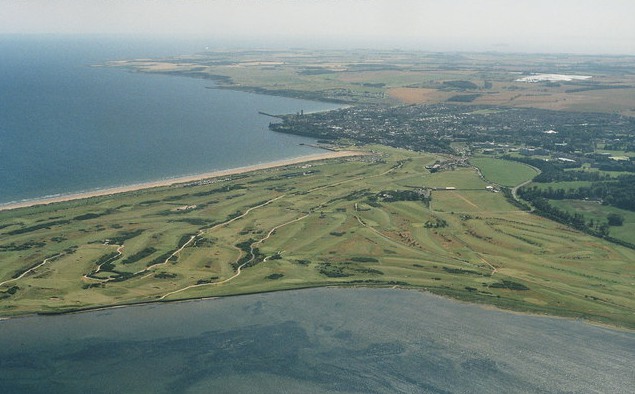
St Andrews Links
Explore →
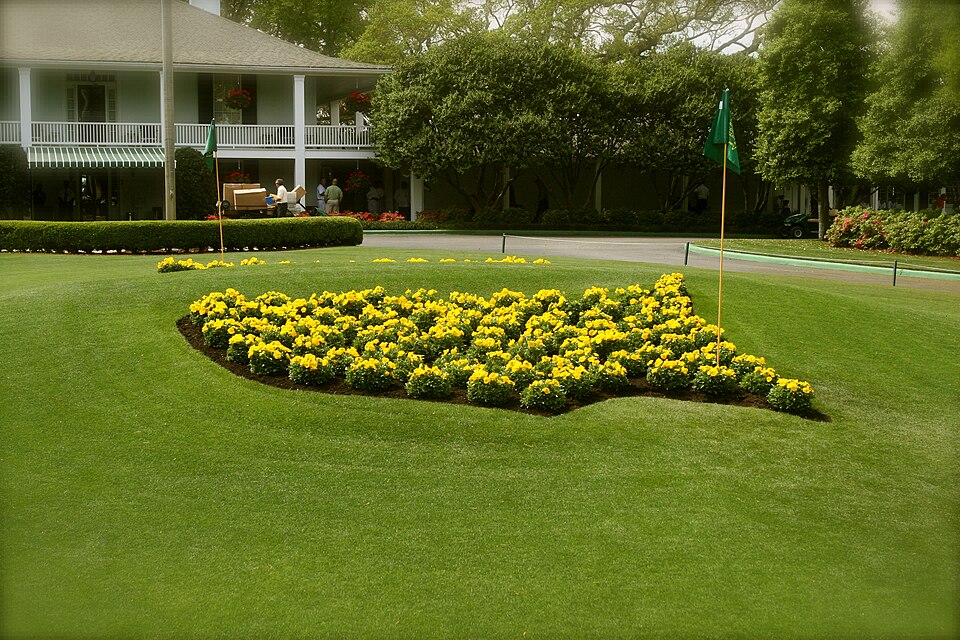
Augusta National Golf Club
Explore →
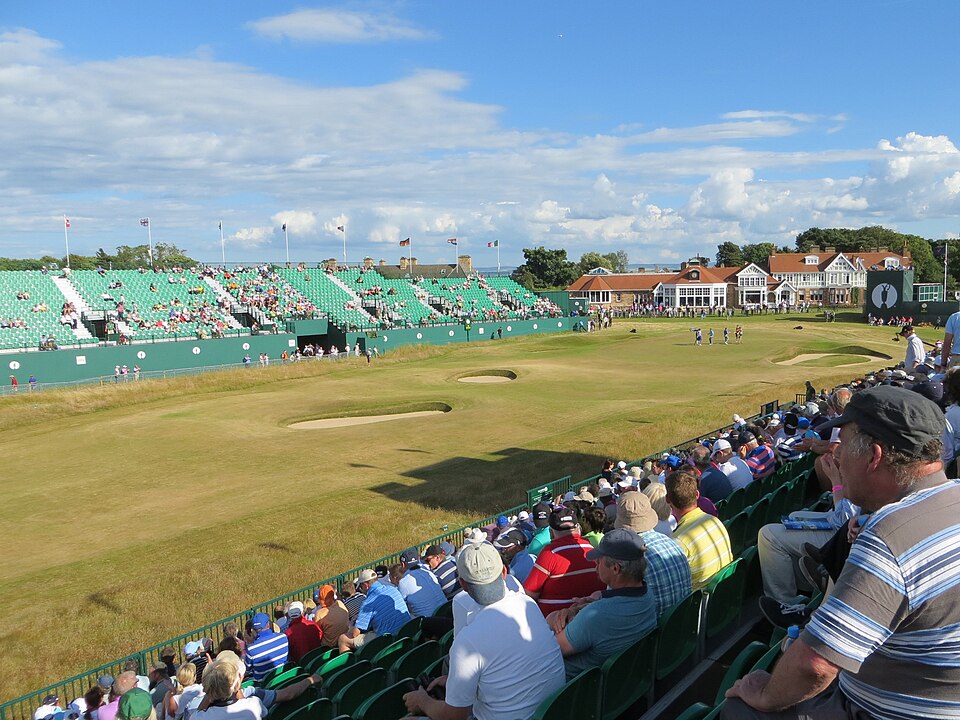
Muirfield
Explore →

Oakmont Country Club
Explore →

Pebble Beach Golf Links
Explore →
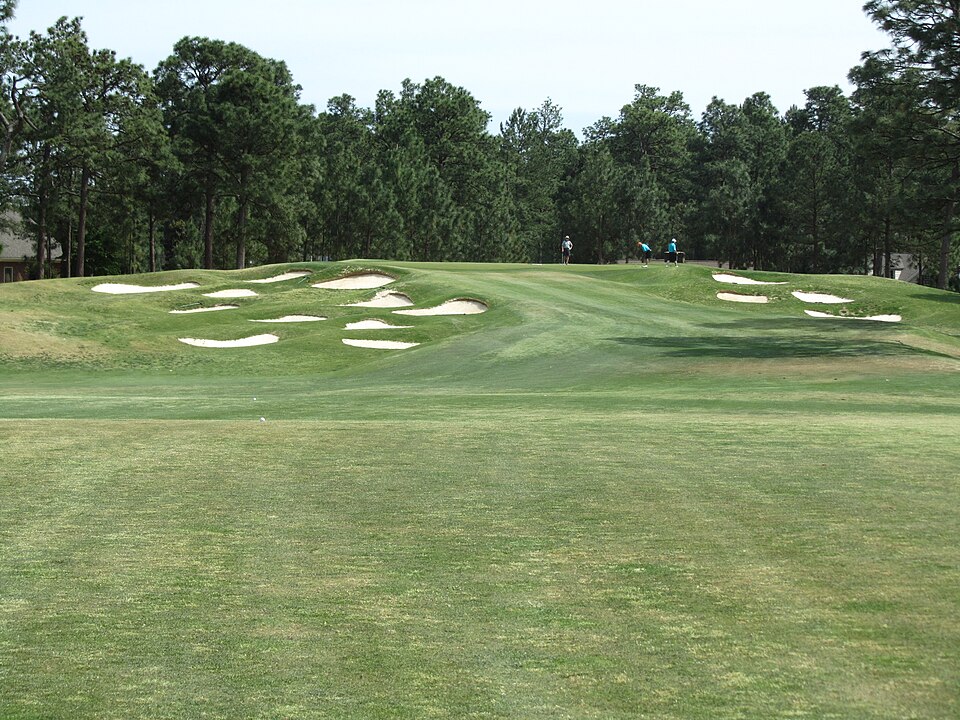
Pinehurst Resort
Explore →
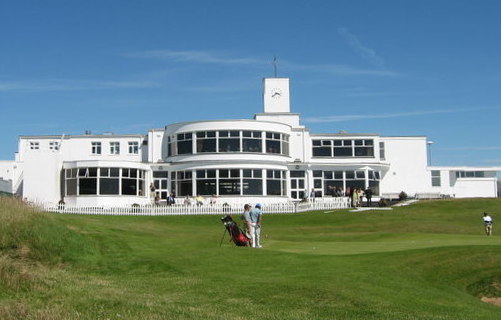
Royal Birkdale Golf Club
Explore →
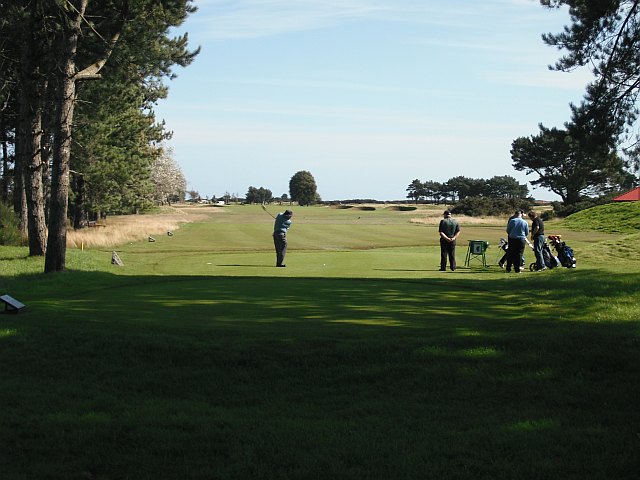
Carnoustie Golf Links
Explore →

Winged Foot Golf Club
Explore →
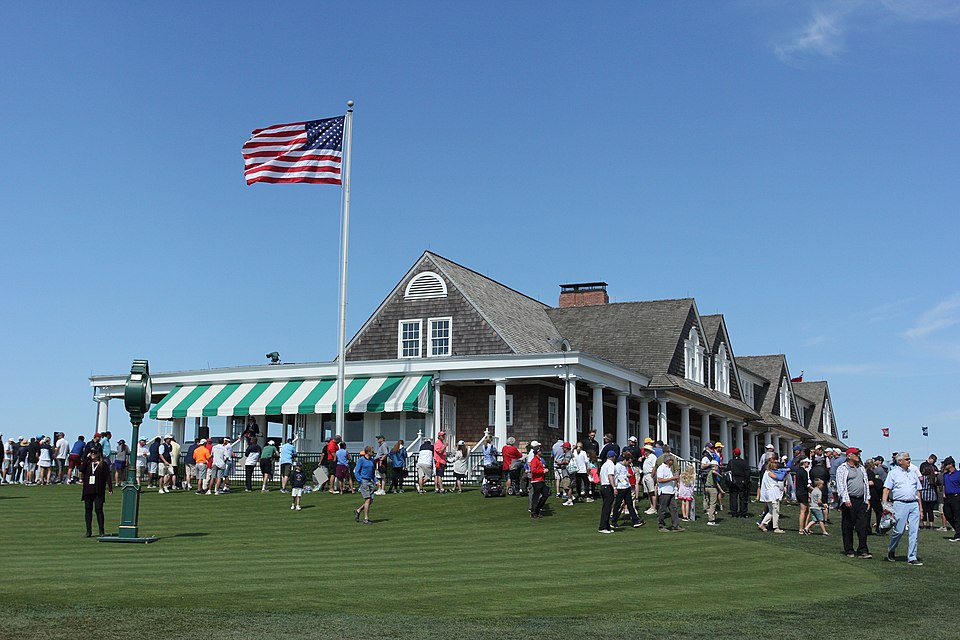
Shinnecock Hills Golf Club
Explore →
Royal Melbourne Golf Club
Explore →
Bethpage Black
Explore →