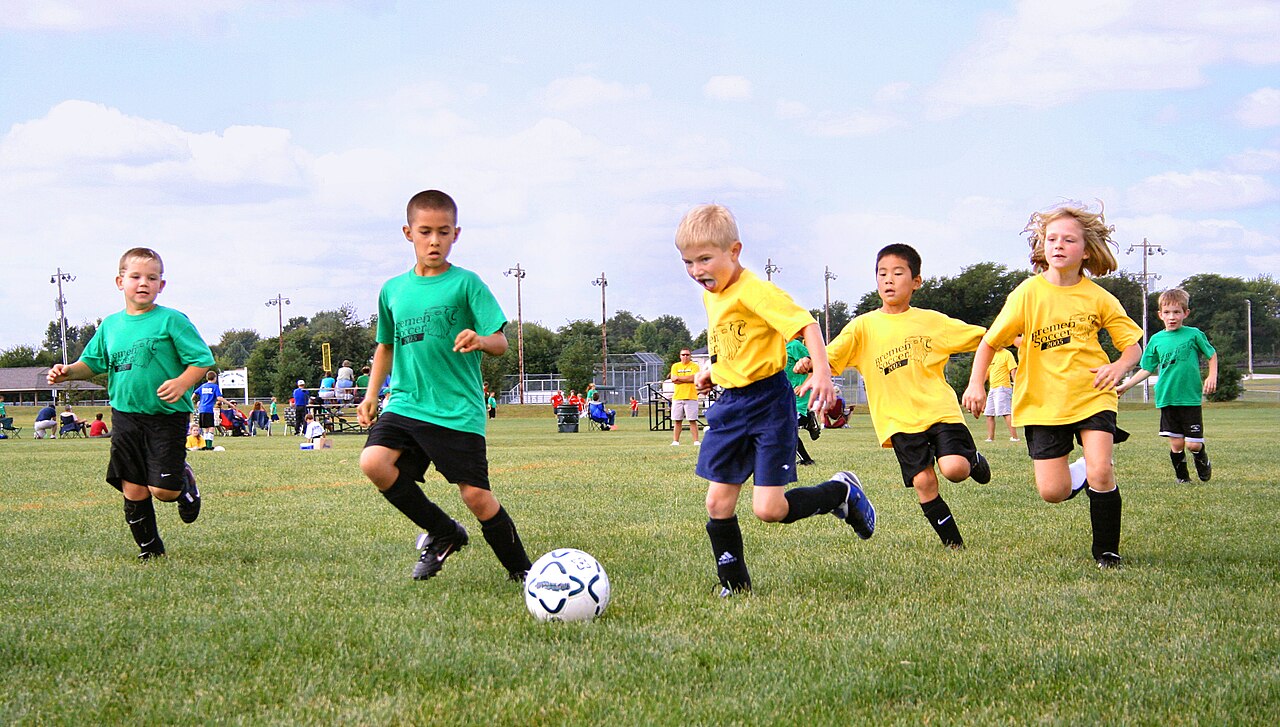
Athletic talent is sport-specific potential plus the training, health and selection systems that turn it into performance.
Ericsson’s sport diaries and Macnamara’s 2014 sports band (~18% of variance for deliberate practice) sit beside anthropometry, injury, and who gets a coach. Bloom’s 1985 swimmers and tennis players were family-and-teacher stories as much as body stories.
This page will not rank ancestral groups. Iten and Bekoji are places, labour and culture — not a racial essence. Brazil’s football academies are institutions, not a climate gene.
How this talent is seen here
English-speaking systems · US, UK, Canada, Australia and related school markets
Athletic talent shows up here through tests, conservatories, academies and workplace stories — windows that already mix training with starting points.
What follows is a map of institutions, not a diagnosis. Selection usually measures current performance.
Culinary talentSame atlas neighbourhood as Athletic talent (body).
Spatial talentSame atlas neighbourhood as Athletic talent (body).
Leadership talentSame atlas neighbourhood as Athletic talent (body).
Key terms
Corridor
Route, season or institution that sets access.
Envelope
Safe operating band — speed, depth, load or dose.
Certification
Agency or type-approval gate before public use.
Transfer
Skill carry-over across domains; usually limited.
Era bound
Figures valid only inside a dated window.
Local lens
Country/language notes that must not stay English under a local URL.
Local lens
schools, clubs and labs.
selection systems without group rankings.
Field note
coaches, teachers and clinics.
conservatories, gyms and classrooms.
Caveat
Prefer dated bands over current live figures.
Scores here are browsing aids.
68innateWeightEditorial 0-100 browsing score
78trainabilityEditorial 0-100 browsing score
82earlyWindowEditorial 0-100 browsing score
80evidenceEditorial 0-100 browsing score
Athletic talent: concrete atlas depth on Tool-Lifes.
Frequently asked questions
Does this atlas rank groups by IQ, race or nation?
No. Pathways and evidence stay individual. Scores are browsing aids — never group biological or racial ranks.
How much does practice explain in sport?
Macnamara et al. 2014: about 18% in their sports coding — a minority. Hours still matter; they are not the whole ranking.
Do early specialisers always win?
Some sports (women’s gymnastics) have early peaks. Many field sports reward later specialisation. The “10,000 hours from age five” poster is Gladwell, not a periodisation plan.
Are East African runners a racial proof?
No. Altitude towns, running to school, camps in Iten and Bekoji, and selection are the first variables. This atlas will not turn medals into a biological hierarchy of peoples.
What did Bloom 1985 add?
Families and coaches around high achievers — play, then a serious teacher, then a master. Qualitative and still useful.
Do talent ID camps work?
They measure current performance plus size. Late developers and late bloomers get cut. Australia’s AIS is a famous, imperfect machine.
Is transfer across sports high?
Often low. A sprinter’s file is not a rower. See also kinesthetic-talent for the general motor cousin.