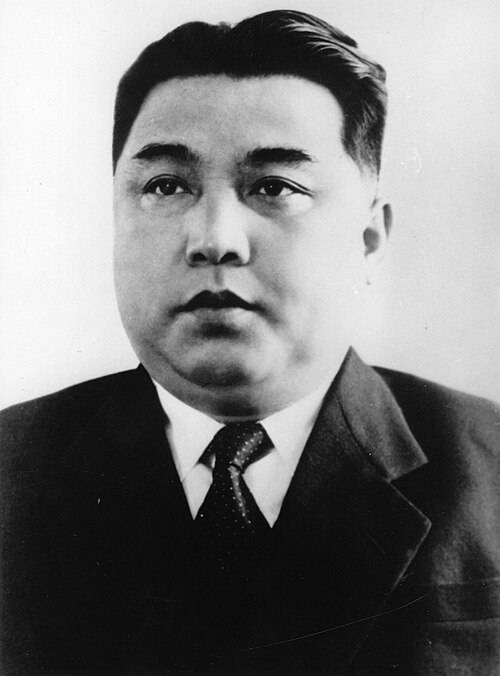
Kim Il-sung
Kim obtained Stalin's go-ahead after repeated requests and launched the June 1950 offensive to unify Korea by force. He survived the near-collapse of his state and ruled until 1994.
Power
3
War start
3
After
3
Kim, Rhee, MacArthur, Ridgway, Peng, Paik and the Truman-MacArthur crisis.
Educational history. Casualty figures are documented ranges. This is not operational advice, a ranking of nations, or a how-to for weapons or coups.
Darker cells mean a higher score for this topic on that metric.
LessMore
Last reviewed Sources & creditsMedia creditsMethodology
No. Scores are browsing aids inside an era-bounded atlas — not live league tables of countries.
Korean civilian deaths are often estimated at about 2-3 million. ROK military deaths are about 137,000; DPRK military deaths are less certain. US deaths are about 36,000. Chinese deaths are cited in a wide scholarly range, often 180,000-400,000. All figures are ranges, not precise censuses.
The US took the war to the Security Council. Resolutions 83 and 84 (June-July 1950) recommended members assist the ROK. The Soviet Union was boycotting the Council over China's seat, so it did not veto. Sixteen countries sent combat forces; others sent medical units.
A surprise amphibious landing on 15 September 1950 at a port with extreme tides, designed to cut KPA supply lines to the Pusan Perimeter. It succeeded operationally and led to Seoul's recapture. It did not end the war, because the UN then drove north and China entered.
As UN forces approached the Yalu and the DPRK neared collapse, Mao's government -- after debate -- sent the People's Volunteer Army from mid-October 1950. Chinese accounts stress defending the border and supporting a socialist ally; UN accounts stress surprise and winter retreats from the north.
MacArthur (until relieved 11 April 1951), then Ridgway and Clark for the UN; Rhee and ROK chiefs including Chung Il-kwon and Paik Sun-yup; Kim Il-sung and Choi Yong-kun in the north; Peng Dehuai for Chinese forces. Truman's relief of MacArthur is a central civil-military episode.
MacArthur's corncob pipe is the English visual cliche. Paik Sun-yup, Peng Dehuai and the Korean presidents are the necessary correction.
Truman versus MacArthur is taught in US civil-military courses more often than the Korean political story is taught at all.
Kim obtained Stalin's go-ahead after repeated requests and launched the June 1950 offensive to unify Korea by force. He survived the near-collapse of his state and ruled until 1994.
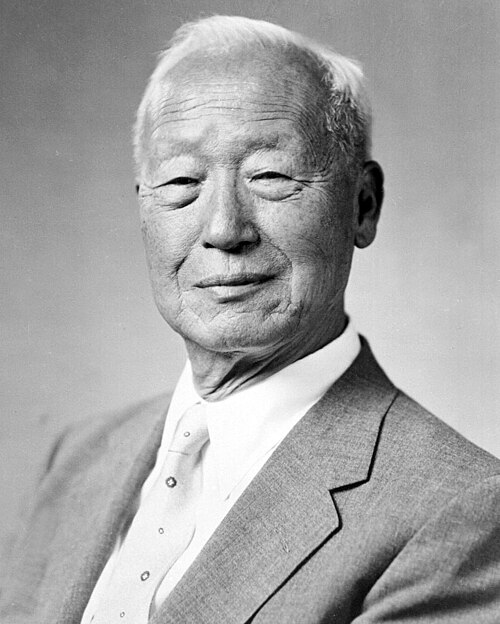
Rhee's government nearly fell in June 1950, then opposed an armistice that froze partition. His authoritarianism and wartime mass killings are part of the southern record, later investigated.
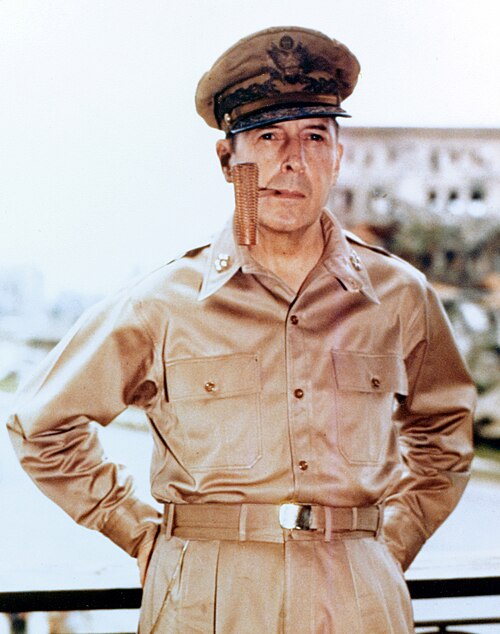
MacArthur designed Inchon and then pressed toward the Yalu. Truman relieved him on 11 April 1951 after public conflict over widening the war. The relief is a classic civilian-control case.
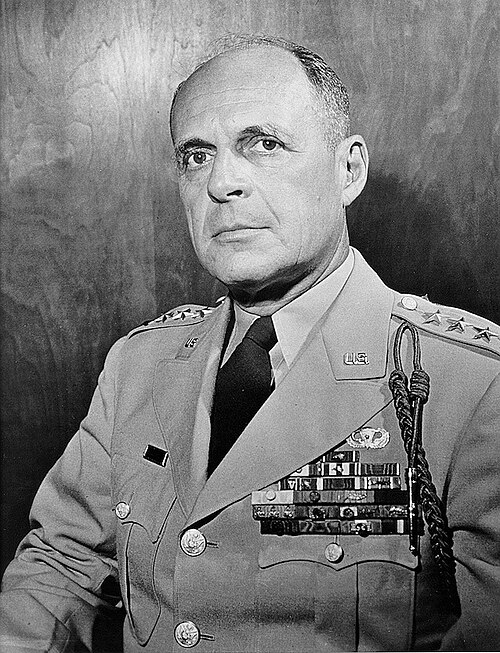
Ridgway rebuilt morale in January 1951, restored a defensive-offensive rhythm, and later succeeded MacArthur. Historians often credit him with saving the UN position after the winter collapse.
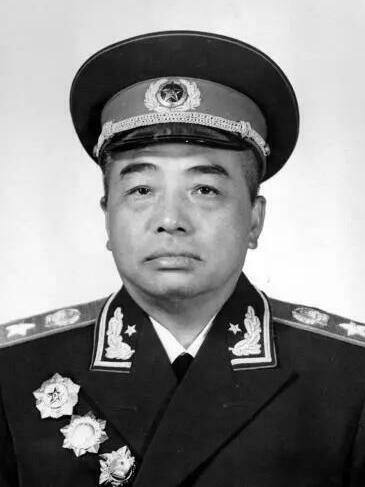
Peng led Chinese forces from late 1950, accepting enormous casualties to push UN troops south of the 38th, then to hold a line through two years of talks. He was purged in 1959 for other reasons.
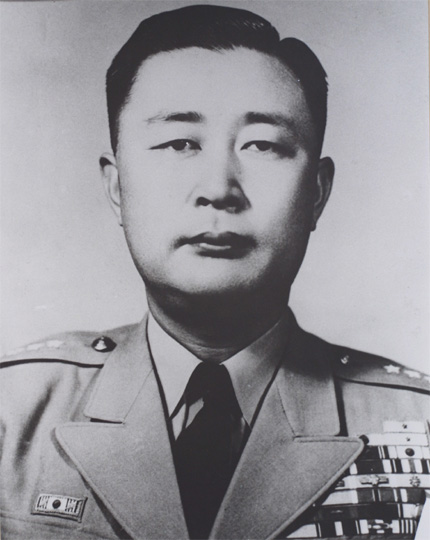
Paik commanded ROK I Corps and became the youngest ROK four-star. His career embodies the wartime professionalisation of the southern army -- later a long-lived public figure in Seoul.
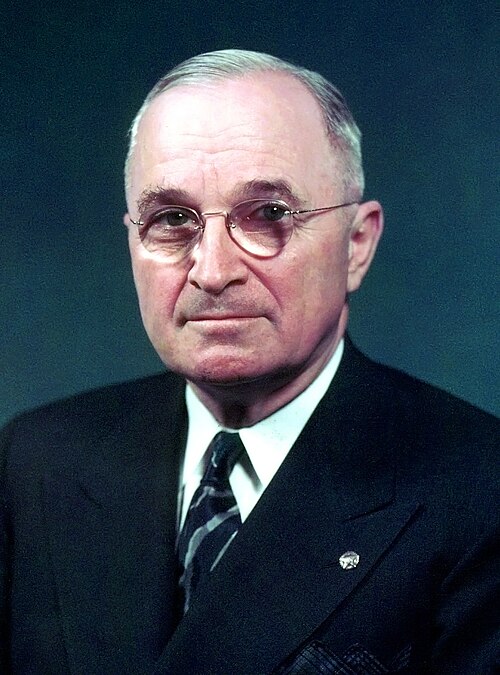
Truman committed US air, then ground forces, chose the UN legal path, and fired MacArthur. He fought a limited war he would not expand to nuclear use against China -- a decision still argued.
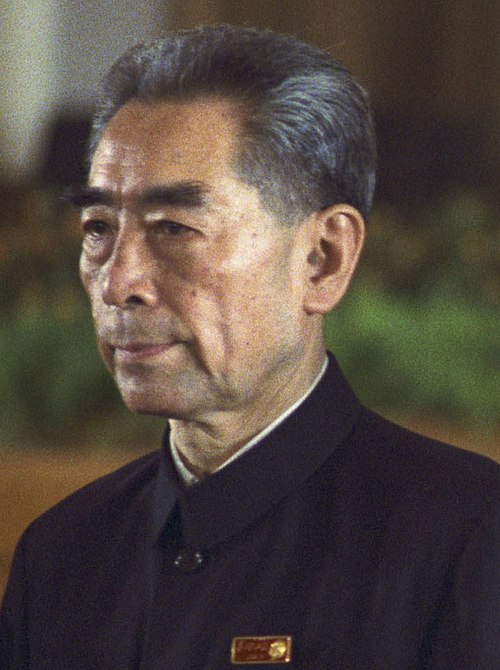
Zhou managed the diplomacy of intervention and the Panmunjom talks, including the POW issue. He was the political face of a war Mao had decided to fight.
The June 1950 offensive was a northern decision with Soviet and Chinese assent. Debate continues on US signals (Acheson's perimeter speech) and on whether a different 1945 trusteeship could have avoided two states.
Whether US nuclear signalling in 1953 hastened the armistice, and whether Truman was right to keep the war limited, remain live among historians and strategists.
Women appear in the record as refugees, labour, and (in the north) as mobilised workers; they are still under-portrayed in English film.
M*A*S*H surgeons became the US folk memory -- a satire of Vietnam filmed as Korea -- which tells you how memory slips.