At a glance
United States military · taglineFrom a Revolutionary militia-and-line mix to the 1947 Pentagon and a Korean…
United States military · Korea is not a footnote hereKorea is not a footnote here. 25 June 1950 to the 27 July 1953 armistice was…
United States military · Anglophone memory is thick to the point of distortion: WWII as "Anglophone memory is thick to the point of distortion: WWII as "the good…
United States military · paras 1Militia politics, a small regular core, a navy of the early republic, then a…
Korea is not a footnote here. 25 June 1950 to the 27 July 1953 armistice was the first large hot war of the 1947 department: MacArthur, then Ridgway; Inchon (15 September 1950); a Chinese intervention; a war that created the US-ROK Mutual Defense Treaty (1 October 1953). Matthew Ridgway is the correction to the MacArthur photograph.
United States military · tagline
From a Revolutionary militia-and-line mix to the 1947 Pentagon and a Korean War alliance -- force-structure history, not a live ORBAT. The United States military is a set of services whose legal modern shape is the National Security Act of 26 July 1947 (Department of Defense, CIA, a separate Air Force) laid over a much older story: 1775 Continental forces, a small nineteenth-century regular army and navy, a mass
United States military · Korea is not a footnote here
Korea is not a footnote here. 25 June 1950 to the 27 July 1953 armistice was the first large hot war of the 1947 department: MacArthur, then Ridgway; Inchon (15 September 1950); a Chinese intervention; a war that created the US-ROK Mutual Defense Treaty (1 October 1953). Matthew Ridgway is the correction to the MacArthur photograph.
United States military · Anglophone memory is thick to the point of distortion: WWII as "
Anglophone memory is thick to the point of distortion: WWII as "the good war," Korea as the forgotten one, Vietnam as the argument. This file will keep 1950-53 in the second paragraph on purpose. No current ORBAT, no special-operations method, no nuclear employment content (see ICBM).
United States military · paras 1
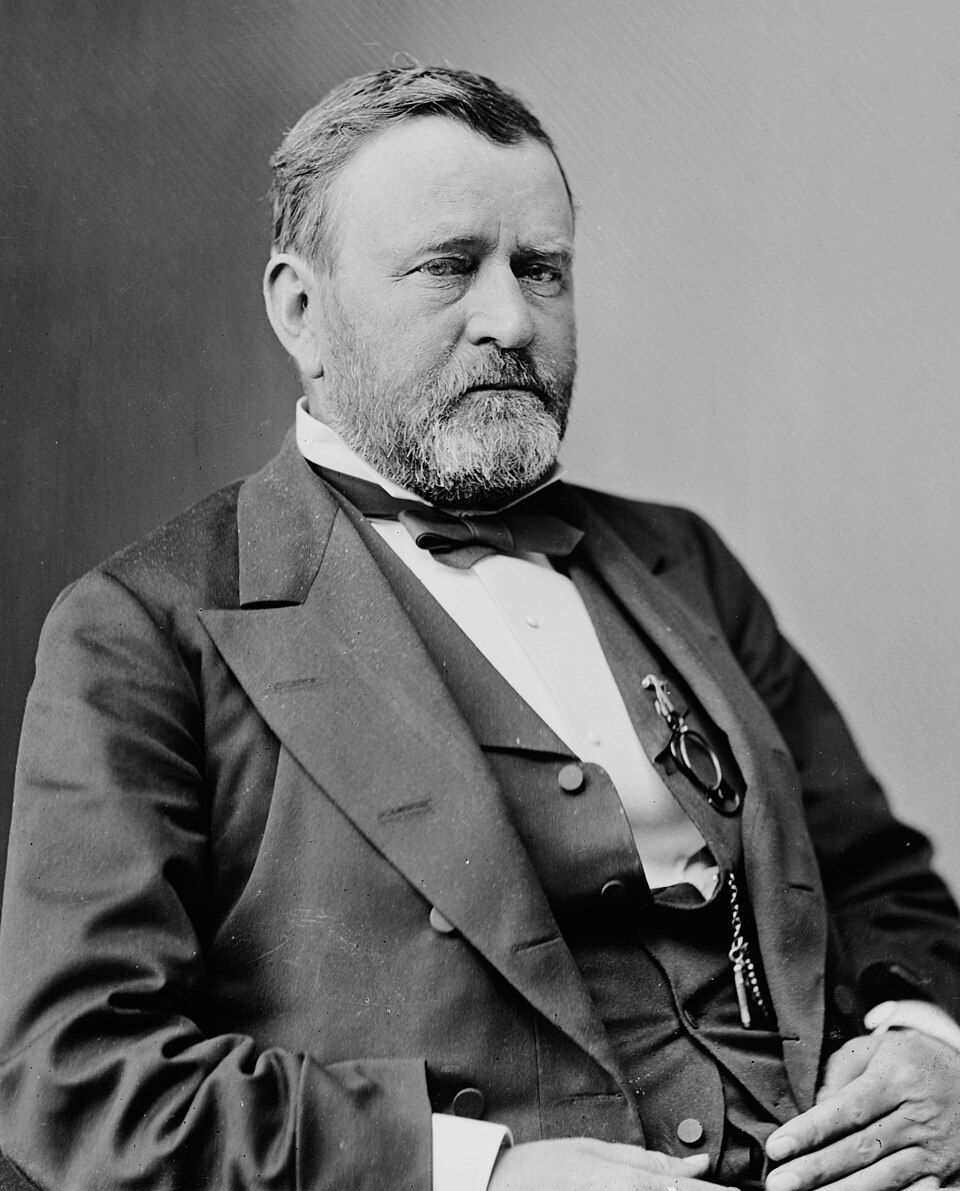
Militia politics, a small regular core, a navy of the early republic, then a mass industrial civil war. Grant is the named closer; the cost band lives on the American Civil War page. A late entry in WW1; a global mobilisation in WW2. Marshall as the institutional builder; Eisenhower and Nimitz as the two-theatre faces. The bomb is an ICBM-and-WW2 file as well as this one.
This explains a campaign, battle, or weapon in context. It is not a league of nations. It does not replace the full topic page.
Questions
- What is the next question after this?
- Anglophone memory is thick to the point of distortion: WWII as "the good war," Korea as the forgotten one, Vietnam as the argument. This file will keep 1950-53 in the second paragraph on purpose. No current ORBAT, no special-operations method, no nuclear employment content (see ICBM).
- Does this page rank people or nations?
- This explains a campaign, battle, or weapon in context. It is not a league of nations. It does not replace the full topic page.
- Where is the longer entry?
- Militia politics, a small regular core, a navy of the early republic, then a mass industrial civil war. Grant is the named closer; the cost band lives on the American Civil War page. A late entry in WW1; a global mobilisation in WW2. Marshall as the institutional builder; Eisenhower and Nimitz as the two-theatre faces. The bomb is an ICBM-and-WW2 file as well as this one.
Next question: Vietnam War · Open the topic: United States military
Why is "a single assassination headline" the wrong stop when reading the August mobilization in 1914? · Why is "a paper count of tanks" the wrong stop when reading the campaign in France in 1940? · Why is "the landing nickname alone" the wrong stop when reading the Inchon landing in 1950? · Why is "a body-count column" the wrong stop when reading the Tet offensive in 1968? · Why is "the battle nickname alone" the wrong stop when reading Austerlitz in 1805? · Why is "one casualty total" the wrong stop when reading Gettysburg in 1863? · 50 campaign reading notes