Why is "a single assassination headline" the wrong stop when reading the August mobilization in 1914?
Use 1914 as the clock for the August mobilization. In August 1914 railway timetables moved several armies before a written political off-ramp existed, so the month is a logistics clock rather than a moral summary. Stopping at "a single assassination headline" answers a thinner question than the linked chapter can support.
Why is "a paper count of tanks" the wrong stop when reading the campaign in France in 1940?
Keep two clocks for the campaign in France in 1940: the document and the later story. The 1940 campaign turned on the crossing of the Meuse at Sedan and the speed of the drive to the coast, so a paper inventory of tanks answers a different question from the one the calendar asks. Stopping at "a paper count of tanks" answers a thinner question than the linked chapter can support.
Why is "the landing nickname alone" the wrong stop when reading the Inchon landing in 1950?
Treat the figure inside this 1950 note on the Inchon landing as a limit, not a medal. The landing on 15 September 1950 only makes sense beside the supply strain of the Pusan perimeter in the same month, so the nickname without that second place is an incomplete card. Stopping at "the landing nickname alone" answers a thinner question than the linked chapter can support.
Why is "a body-count column" the wrong stop when reading the Tet offensive in 1968?
A map arrow for the Tet offensive in 1968 is not the same thing as endurance. The attacks of January 1968 changed what many audiences believed even where positions were later retaken, so the calendar of belief and the body-count column are two different notes. Stopping at "a body-count column" answers a thinner question than the linked chapter can support.
Why is "the battle nickname alone" the wrong stop when reading Austerlitz in 1805?
Start by naming the misreading of Austerlitz in 1805, then replace it. The day of 2 December 1805 was a one-day decision inside a campaign that had already fixed how the allied columns marched, so the nickname without that march is a thinner card. Stopping at "the battle nickname alone" answers a thinner question than the linked chapter can support.
Why is "one casualty total" the wrong stop when reading Gettysburg in 1863?
Name the term before you score Gettysburg in 1863. From 1 to 3 July 1863 the fight is three days of ground, and a single casualty sum hides which day the flanks failed. Stopping at "one casualty total" answers a thinner question than the linked chapter can support.
Why is "one famous battle" the wrong stop when reading the thirty-year political war in 1618?
Use 1618 as the clock for the thirty-year political war. The span from 1618 to 1648 is thirty years of politics, famine, and shifting alliances, so one famous battle cannot be the whole verdict. Stopping at "one famous battle" answers a thinner question than the linked chapter can support.
Why is "a decisive-day headline" the wrong stop when reading the long war of attrition in 1980?
Keep two clocks for the long war of attrition in 1980: the document and the later story. From 1980 to 1988 the war was a long attrition, and a day called decisive rarely closed the political file. Stopping at "a decisive-day headline" answers a thinner question than the linked chapter can support.
Why is "a single victory parade" the wrong stop when reading the mainland political date in 1949?
Treat the figure inside this 1949 note on the mainland political date as a limit, not a medal. The year 1949 marks a political end on the mainland, while campaigns and memory kept different clocks after that date. Stopping at "a single victory parade" answers a thinner question than the linked chapter can support.
Why is "one cavalry charge" the wrong stop when reading the century of campaigns in 1206?
A map arrow for the century of campaigns in 1206 is not the same thing as endurance. From 1206 onward the campaigns are a century of horses, forage, and sieges, not one cavalry charge on an open map. Stopping at "one cavalry charge" answers a thinner question than the linked chapter can support.
Why is "the city name alone" the wrong stop when reading the Stalingrad pocket in 1942?
Start by naming the misreading of the Stalingrad pocket in 1942, then replace it. After the ring closed in November 1942, the pocket turned on an airlift that did not deliver the roughly 300 tons a day the army was estimated to need. Stopping at "the city name alone" answers a thinner question than the linked chapter can support.
Why is "the code name alone" the wrong stop when reading the Normandy landing date in 1944?
Name the term before you score the Normandy landing date in 1944. 6 June 1944 was fixed by tide, moonlight, and a short weather gap, so the date is a list of constraints rather than a symbol. Stopping at "the code name alone" answers a thinner question than the linked chapter can support.
Why is "a ship-count scoreboard" the wrong stop when reading the carrier search in 1942?
Use 1942 as the clock for the carrier search. From 4 to 7 June 1942 the battle was a search problem, and the late-morning dive-bomber timing is the hinge rather than a scoreboard of ships. Stopping at "a ship-count scoreboard" answers a thinner question than the linked chapter can support.
Why is "a one-line victory slogan" the wrong stop when reading the day at Waterloo in 1815?
Keep two clocks for the day at Waterloo in 1815: the document and the later story. On 18 June 1815 the day turned on when the Prussian columns reached the field, so the hour of arrival belongs on the card. Stopping at "a one-line victory slogan" answers a thinner question than the linked chapter can support.
Why is "a league table of aces" the wrong stop when reading the air campaign over Britain in 1940?
Treat the figure inside this 1940 note on the air campaign over Britain as a limit, not a medal. The 1940 air campaign was a problem of radar, airfields, and pilot replacement across weeks, not a league table of famous aces. Stopping at "a league table of aces" answers a thinner question than the linked chapter can support.
Why is "a tank beauty contest" the wrong stop when reading the Kursk defensive depth in 1943?
A map arrow for the Kursk defensive depth in 1943 is not the same thing as endurance. In July 1943 Kursk was prepared depth, mine belts, and reserves, not a contest of which tank silhouette looked stronger. Stopping at "a tank beauty contest" answers a thinner question than the linked chapter can support.
Why is "the beach name alone" the wrong stop when reading the Inchon calendar in 1950?
Start by naming the misreading of the Inchon calendar in 1950, then replace it. The landing of 15 September 1950 is an amphibious calendar that only works if the perimeter it was meant to loosen is on the same card. Stopping at "the beach name alone" answers a thinner question than the linked chapter can support.
Why is "a fleet list as a verdict" the wrong stop when reading the Tsushima gunnery report in 1905?
Name the term before you score the Tsushima gunnery report in 1905. On 27 and 28 May 1905 the battle is a gunnery and maneuver report, and the fleet list is not a verdict about peoples. Stopping at "a fleet list as a verdict" answers a thinner question than the linked chapter can support.
Why is "a later myth of inevitability" the wrong stop when reading the Santiago hour log in 1973?
Use 1973 as the clock for the Santiago hour log. 11 September 1973 is a coup counted in hours of communiques and garrisons, and later public memory is a second document. Stopping at "a later myth of inevitability" answers a thinner question than the linked chapter can support.
Why is "a later story about strength" the wrong stop when reading the three Moscow days in 1991?
Keep two clocks for the three Moscow days in 1991: the document and the later story. The Moscow coup of 19 to 21 August 1991 failed inside three days, so the useful reading is the first communiques, not a later story about strength. Stopping at "a later story about strength" answers a thinner question than the linked chapter can support.
Why is "the song instead of the timeline" the wrong stop when reading the Lisbon April date in 1974?
Treat the figure inside this 1974 note on the Lisbon April date as a limit, not a medal. 25 April 1974 in Lisbon is a dated political break, and the songs people remember are not the operational timeline. Stopping at "the song instead of the timeline" answers a thinner question than the linked chapter can support.
Why is "the later presidency as that night" the wrong stop when reading the Seoul night movement in 1979?
A map arrow for the Seoul night movement in 1979 is not the same thing as endurance. The night of 12 December 1979 was a movement inside the capital, and the later presidency is a different chapter with a different clock. Stopping at "the later presidency as that night" answers a thinner question than the linked chapter can support.
Why is "a best-tank list" the wrong stop when reading the tank debut on the Somme in 1916?
Start by naming the misreading of the tank debut on the Somme in 1916, then replace it. The tank debut in September 1916 on the Somme showed a machine limited by mud, breakdowns, and the need to stay with infantry. Stopping at "a best-tank list" answers a thinner question than the linked chapter can support.
Why is "turn performance alone" the wrong stop when reading the fighter interception in 1940?
Name the term before you score the fighter interception in 1940. In 1940 a fighter turn meant little without the radar chain that queued the interception before the pilot saw the raid. Stopping at "turn performance alone" answers a thinner question than the linked chapter can support.
Why is "deck length alone" the wrong stop when reading the carrier deck cycle in 1942?
Use 1942 as the clock for the carrier deck cycle. A 1942 carrier day was a deck cycle of launch and recovery, so the length of the flight deck is not the whole story. Stopping at "deck length alone" answers a thinner question than the linked chapter can support.
Why is "maximum range alone" the wrong stop when reading the submarine problem in 1917?
Keep two clocks for the submarine problem in 1917: the document and the later story. In 1917 the submarine problem was merchant tonnage against convoys, and the theoretical range of a boat was only half of the reading. Stopping at "maximum range alone" answers a thinner question than the linked chapter can support.
Why is "a league of states" the wrong stop when reading a missile warning time in 1960?
Treat the figure inside this 1960 note on a missile warning time as a limit, not a medal. A flight of roughly 30 minutes for an intercontinental missile is a warning-time fact from the early 1960s, not a league of the states that field such weapons. Stopping at "a league of states" answers a thinner question than the linked chapter can support.
Why is "a single heroic pass" the wrong stop when reading a loiter measured in hours in 2014?
A map arrow for a loiter measured in hours in 2014 is not the same thing as endurance. After 2014 a loiter measured in hours changed campaign diaries because the sensor could stay overhead instead of making one pass. Stopping at "a single heroic pass" answers a thinner question than the linked chapter can support.
Why is "a country-ahead claim" the wrong stop when reading a defence contract year in 2020?
Start by naming the misreading of a defence contract year in 2020, then replace it. A contract year such as 2020 shows what was ordered and what a firm could deliver, and it does not say which country is ahead. Stopping at "a country-ahead claim" answers a thinner question than the linked chapter can support.
Why is "a flag" the wrong stop when reading a monthly shell figure in 2023?
Name the term before you score a monthly shell figure in 2023. A published monthly shell figure, read on a 2023 clock, explains a factory bottleneck of labour and steel, and it is not a flag. Stopping at "a flag" answers a thinner question than the linked chapter can support.
Why is "a supremacy slogan" the wrong stop when reading a legion marching day in 117?
Use 117 as the clock for a legion marching day. Around the year 117 a routine legion march of about 20 Roman miles is a logistics fact about roads and baggage, not a supremacy slogan. Stopping at "a supremacy slogan" answers a thinner question than the linked chapter can support.
Why is "a navy crown" the wrong stop when reading an escort timetable in 1942?
Keep two clocks for an escort timetable in 1942: the document and the later story. A 1942 escort pattern is a timetable of convoys and submarines, and it does not crown one navy over the peoples who sailed. Stopping at "a navy crown" answers a thinner question than the linked chapter can support.
Why is "a national medal" the wrong stop when reading a daily tonnage figure in 1944?
Treat the figure inside this 1944 note on a daily tonnage figure as a limit, not a medal. In 1944 a daily tonnage figure for truck columns is a supply reading about fuel, food, and ammunition, not a medal for a country. Stopping at "a national medal" answers a thinner question than the linked chapter can support.
Why is "a league place" the wrong stop when reading an army service term in 2020?
A map arrow for an army service term in 2020 is not the same thing as endurance. A table around 2020 that shows an army term of about 18 months explains rotation and training load, not a place in a league of countries. Stopping at "a league place" answers a thinner question than the linked chapter can support.
Why is "a one-day turning point" the wrong stop when reading the Leningrad siege clock in 1941?
Start by naming the misreading of the Leningrad siege clock in 1941, then replace it. The siege of Leningrad is counted at about 872 days from 1941, so a one-day turning point under-reads the clock of hunger and winter. Stopping at "a one-day turning point" answers a thinner question than the linked chapter can support.
Why is "a score" the wrong stop when reading the word theater on a map in 1944?
Name the term before you score the word theater on a map in 1944. On a 1944 map the word theater names a geographic command problem, and it is not a score you can award to a people. Stopping at "a score" answers a thinner question than the linked chapter can support.
Why is "the high number as a trophy" the wrong stop when reading a casualty band in 1945?
Use 1945 as the clock for a casualty band. A casualty band in a 1945 reading is a documented range, and the high number is not a trophy for the side that prints it. Stopping at "the high number as a trophy" answers a thinner question than the linked chapter can support.
Why is "the arrow length" the wrong stop when reading a ten-day stock in 1812?
Keep two clocks for a ten-day stock in 1812: the document and the later story. A stock of about 10 days on an 1812 campaign arrow expires, so the length of the arrow is not the same thing as endurance. Stopping at "the arrow length" answers a thinner question than the linked chapter can support.
Why is "the occupation date alone" the wrong stop when reading the retreat from Moscow in 1812?
Treat the figure inside this 1812 note on the retreat from Moscow as a limit, not a medal. The 1812 retreat from Moscow is a calendar of weather and fodder, and occupying the city in September was not the closing fact. Stopping at "the occupation date alone" answers a thinner question than the linked chapter can support.
Why is "the ground arrow alone" the wrong stop when reading a count of air-cover days in 1944?
A map arrow for a count of air-cover days in 1944 is not the same thing as endurance. A count of days with air superiority in the summer of 1944 changes what a ground arrow was allowed to attempt. Stopping at "the ground arrow alone" answers a thinner question than the linked chapter can support.
Why is "the story told years later" the wrong stop when reading the first communiques in 1973?
Start by naming the misreading of the first communiques in 1973, then replace it. The first 48 hours of the September 1973 documents are communiques and garrison notes, and the story told years later is a second source. Stopping at "the story told years later" answers a thinner question than the linked chapter can support.
Why is "the brochure range" the wrong stop when reading maintenance hours per flight in 1980?
Name the term before you score maintenance hours per flight in 1980. A teaching ratio often above 10 maintenance hours per flying hour, familiar by 1980, caps the brochure range of a combat aircraft. Stopping at "the brochure range" answers a thinner question than the linked chapter can support.
Why is "a national trophy" the wrong stop when reading a delivery schedule in 2021?
Use 2021 as the clock for a delivery schedule. A delivery schedule read on a 2021 clock is labour, steel, and months, and it is not a national trophy hung on a firm. Stopping at "a national trophy" answers a thinner question than the linked chapter can support.
Why is "one casualty number" the wrong stop when reading a flank map in 1815?
Keep two clocks for a flank map in 1815: the document and the later story. A flank map of 18 June 1815 asks who was on a named road at a named hour, which one casualty number cannot say. Stopping at "one casualty number" answers a thinner question than the linked chapter can support.
Why is "the famous day as an ending" the wrong stop when reading the word decisive in 1942?
Treat the figure inside this 1942 note on the word decisive as a limit, not a medal. The word decisive is unsafe when the campaign still had a winter after the famous day, as the months after November 1942 show. Stopping at "the famous day as an ending" answers a thinner question than the linked chapter can support.
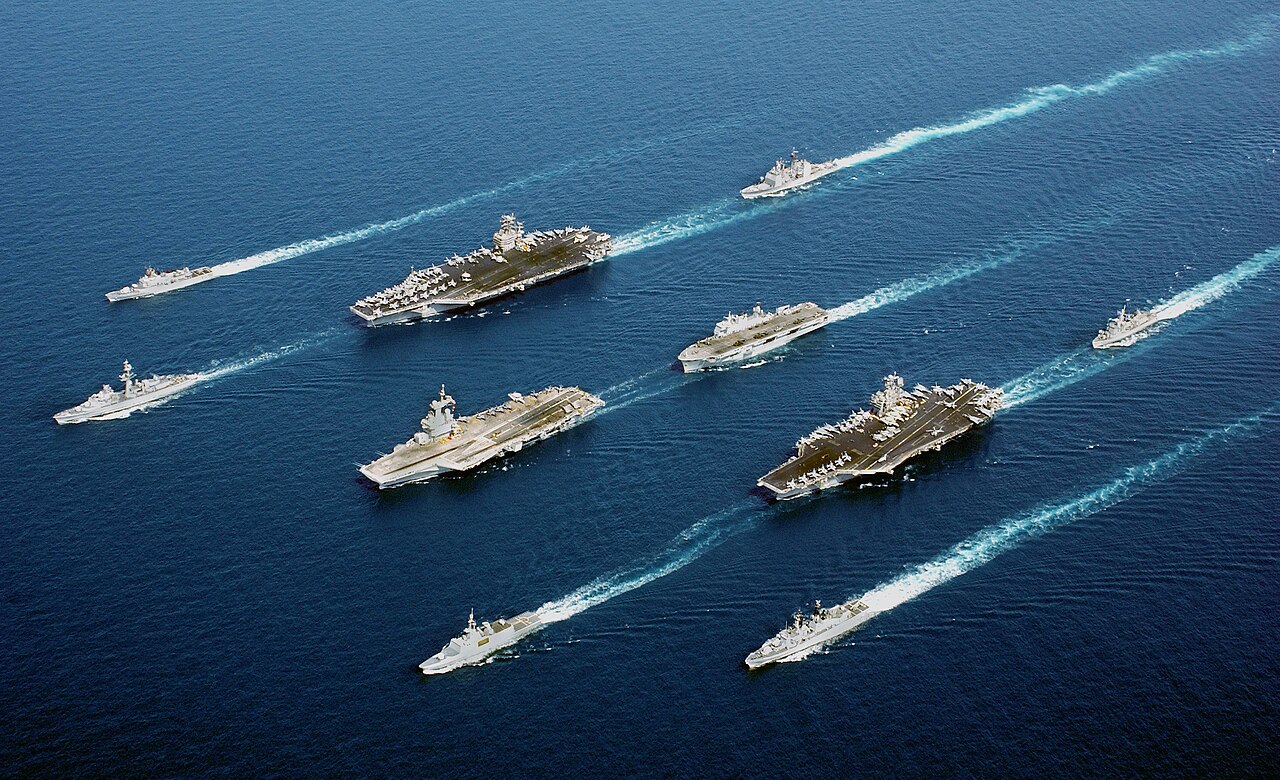
→ Aircraft carrier: after “The aircraft carrier grew from 1918-22 experiments (HMS Argus, H”, what about “The US Essex class and then Forresta
The aircraft carrier grew from 1918-22 experiments (HMS Argus, Hosho, Langley) into the Pacific war's decisive capital ship. Taranto (1940) and Pearl Harbor showed the type's reach; Midway showed that carriers could destroy each other without sighting a battleship. This page is that history -- not a deck-cycle or navigation manual.
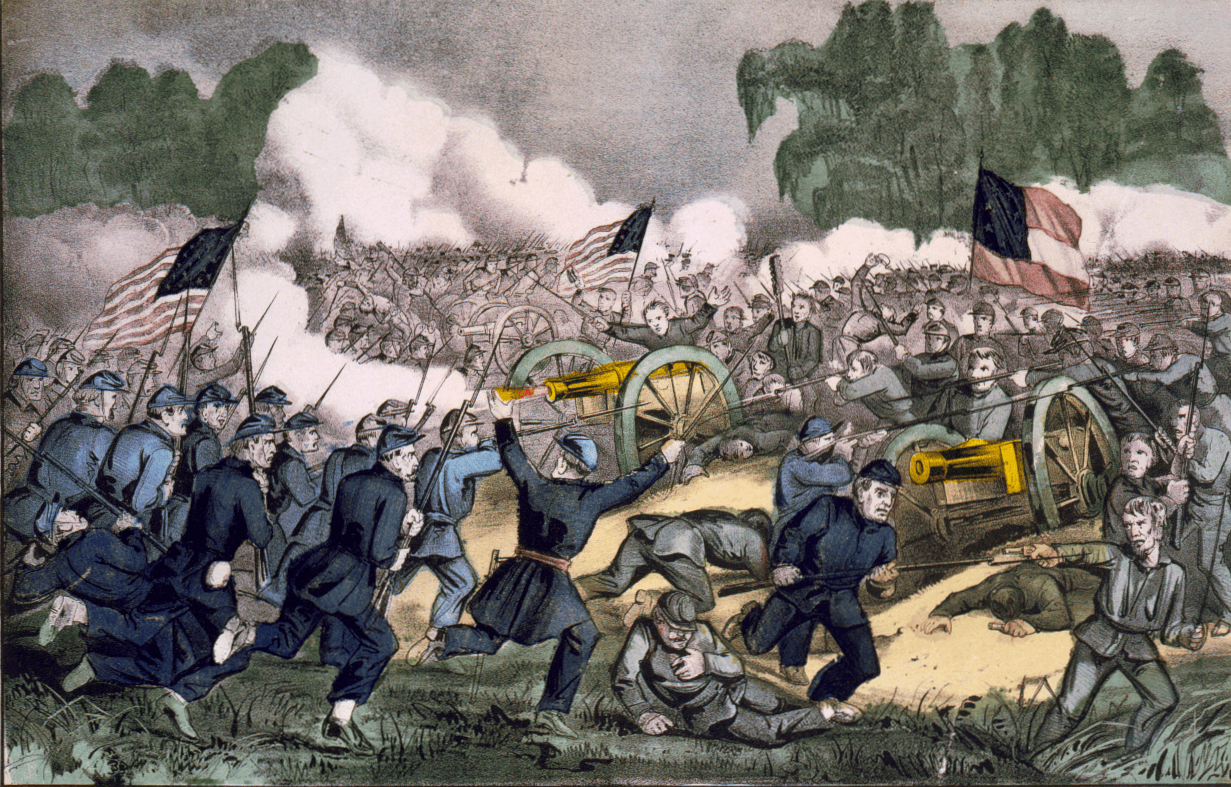
→ American Civil War: after “tagline”, what about “About 620,000-850,000 people died, scholarly range -- more US de”?
The 1861-65 US war over union and slavery that killed more Americans than any other US war and remade the Constitution. The American Civil War began with the Confederate attack on Fort Sumter on 12 April 1861, after eleven slaveholding states seceded following Abraham Lincoln's election. The Confederate States claimed independence; the United States fought to preserve the Union.
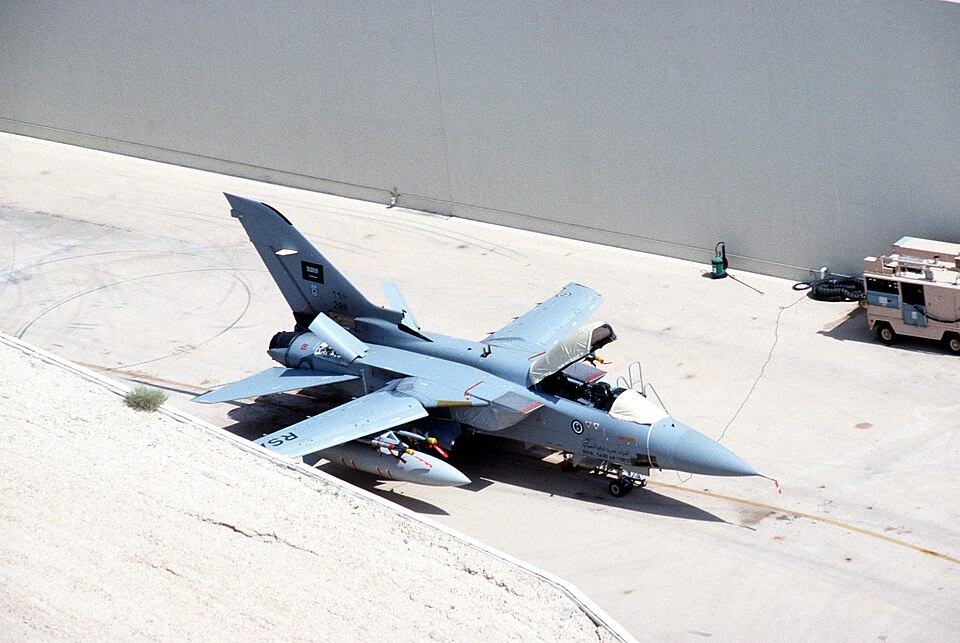
→ BAE Systems: after “tagline”, what about “The English public file is split: Typhoon as a European industri”?
From British Aerospace and Marconi Electronic Systems to the 1999 prime -- a firm history of Typhoon, yards, and export hearings. BAE Systems is a 30 November 1999 letterhead: British Aerospace (itself a 1977 nationalisation-era merger of Hawker Siddeley, BAC, and Scottish Aviation) plus Marconi Electronic Systems, the defence electronics cut from GEC.
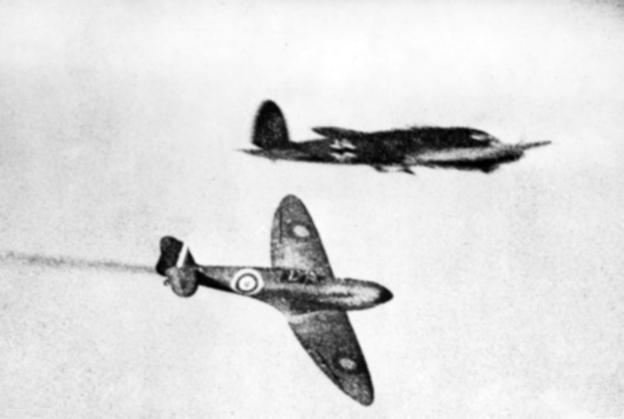
→ Battle of Britain: after “tagline”, what about “Fighter Command under Dowding, with Park's 11 Group in the south”?
The 1940 air campaign in which the RAF denied Germany daylight control of southern England -- a prerequisite for any invasion scare, and a British memory engine. The Battle of Britain, in RAF official dating, ran from 10 July to 31 October 1940: Kanalkampf over the Channel, then attacks on airfields and aircraft plants, then the turn toward London after 7 September.
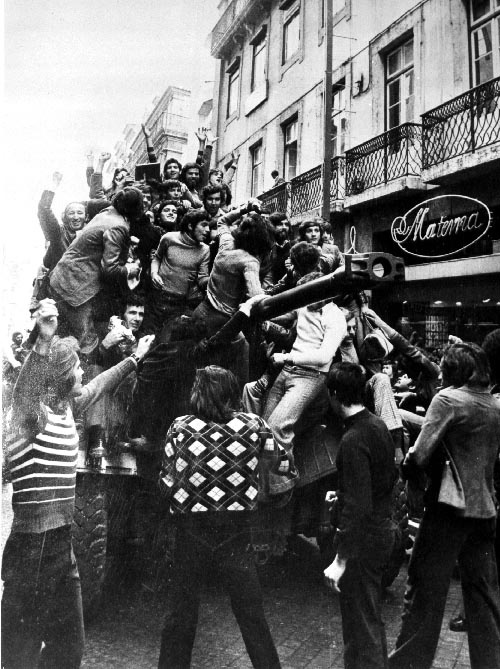
→ Carnation Revolution: after “tagline”, what about “Four people died when regime police fired on a crowd”?
The 25 April 1974 MFA coup that ended the Estado Novo with carnations in rifle barrels -- a junta against a dictatorship, not a manual. In the early hours of 25 April 1974 the Portuguese Armed Forces Movement (MFA) overthrew Marcelo Caetano's Estado Novo, the dictatorship Salazar had built. A banned song, "Grandola, Vila Morena," played on the radio as a signal. Troops secured Lisbon with almost no fighting.
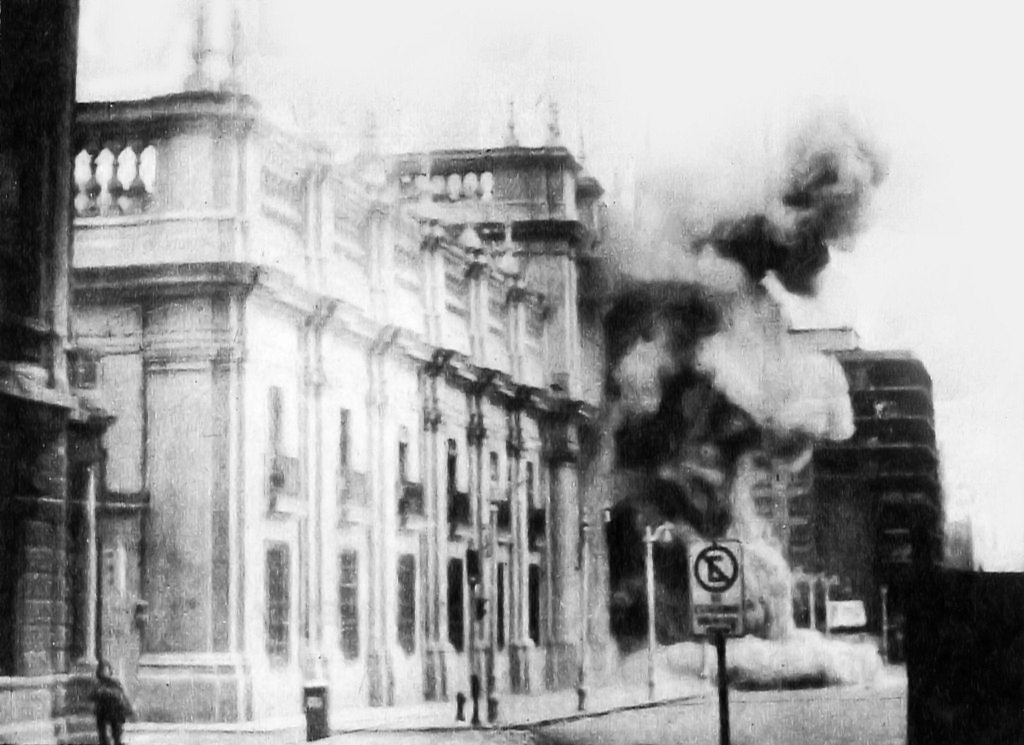
→ Chile 1973 coup: after “tagline”, what about “The coup followed three years of polarisation: Allende's Unidad ”?
The 11 September 1973 military overthrow of Salvador Allende that opened Pinochet's dictatorship -- political-military history, not a how-to. On 11 September 1973 the Chilean armed forces overthrew the elected government of Salvador Allende. Hawker Hunters struck La Moneda; Allende died in the palace -- suicide in the official and most historical accounts, a contested image in some memory camps.
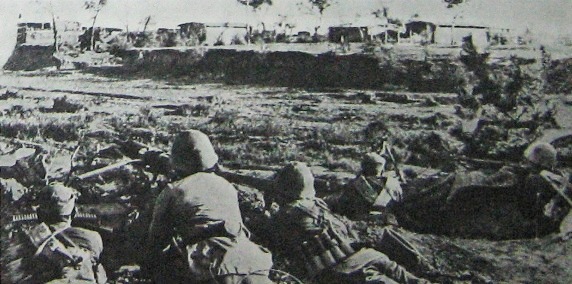
→ Chinese Civil War: after “tagline”, what about “After Japan's surrender, US-mediated talks failed”?
A 1927-49 struggle between Nationalists and Communists that, after Japan's war, produced the PRC and a Republic of China on Taiwan. The Chinese Civil War, in its conventional dating, runs from the 1927 Shanghai massacre and the collapse of the First United Front to the Communist victory of 1949 -- interrupted, but not erased, by the war against Japan (1937-45).
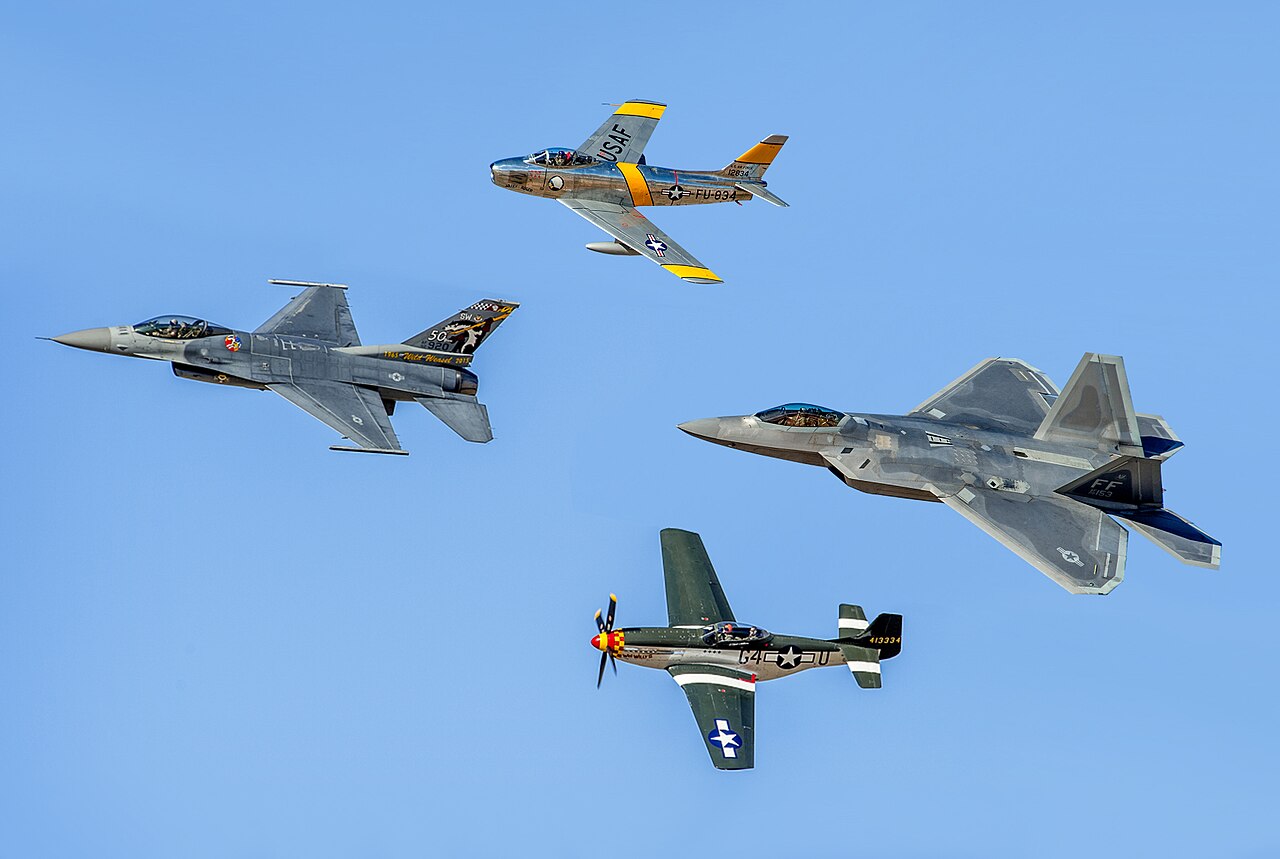
→ Fighter jet: after “tagline”, what about “Generations (a later marketing-and-staff word) run from those fi”?
The jet fighter from the Me 262 to MiG Alley and beyond -- a history of a type, not a flying or employment manual. Fighter aircraft began as gun-armed scouts in 1915-18. The jet fighter arrived in combat in 1944 with the Messerschmitt Me 262 -- late, few, and unable to change 1945.

→ Hanwha Aerospace: after “tagline”, what about “This page is Korean industrial-military history for a Korean and”?
From Samsung Techwin and Yulgok-era industrialisation to K9 exports -- a Korean firm history, not a how-to for any system. Hanwha Aerospace is a 2015 letterhead on a older Samsung machine-building line.
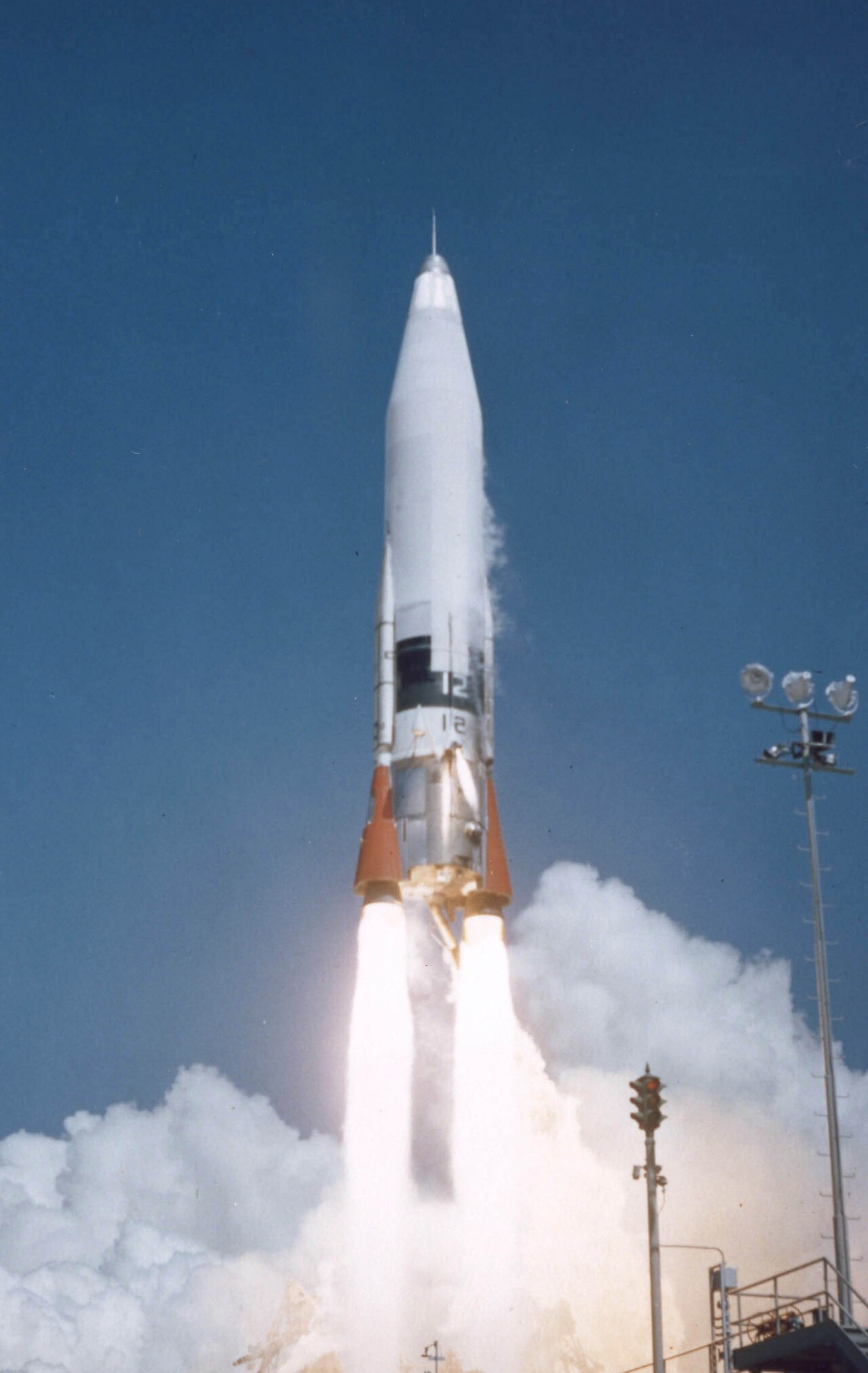
→ Intercontinental ballistic missile: after “tagline”, what about “On 21 August 1957 the Soviet R-7 flew as the first intercontinen”?
From the V-2 and the R-7 to SALT and New START -- a history of the ICBM as a political object, not a launch manual. The intercontinental ballistic missile is a Cold War political object with a Second World War grandfather. Germany's V-2 (first combat use 8 September 1944 against Paris; London from 8 September as well in the British memory) proved a liquid-fuel rocket could carry a warhead across a country.
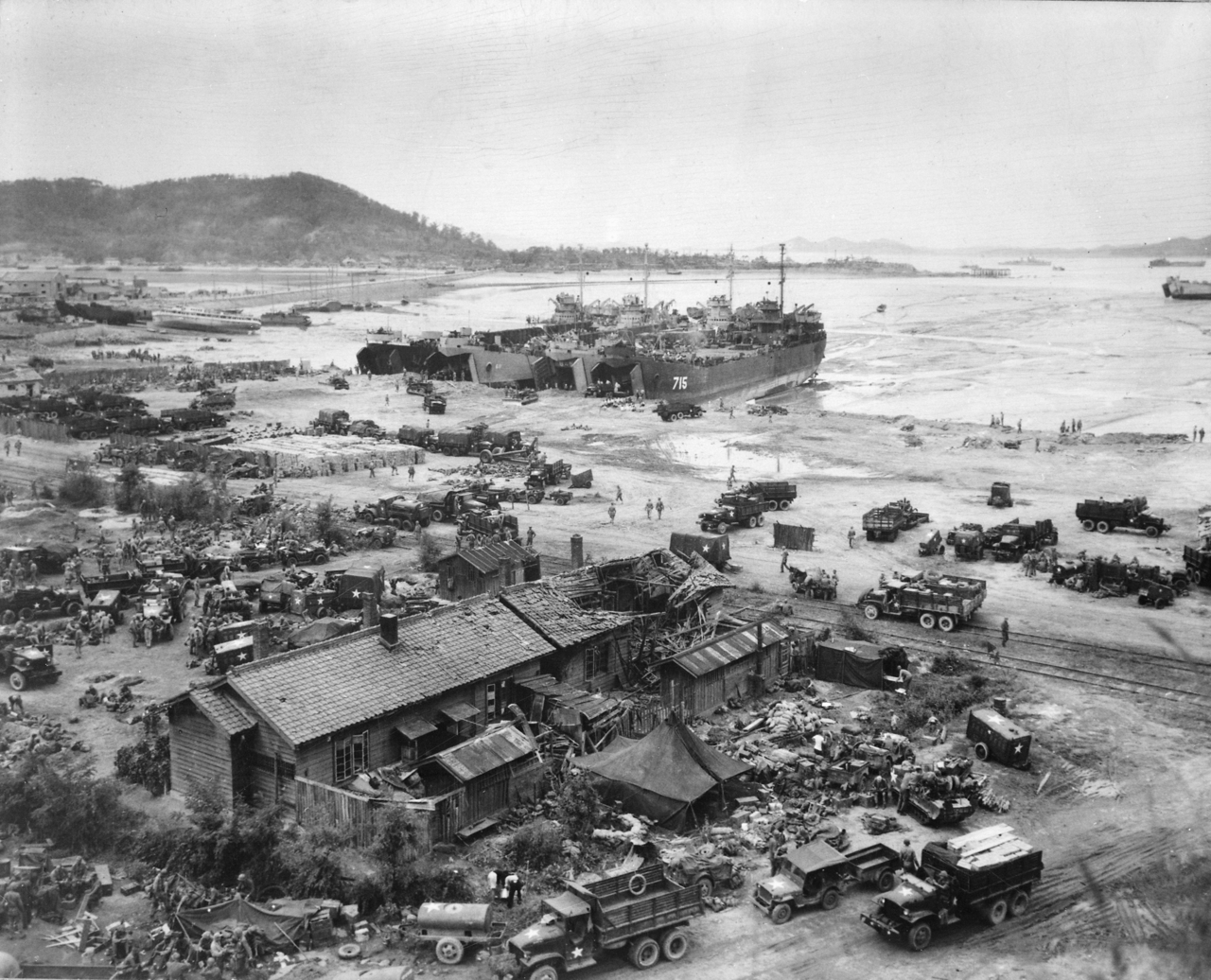
→ Battle of Inchon: after “tagline”, what about “Wolmi-do fell in the morning; the evening tide put Marines and s”?
The 15 September 1950 UN amphibious landing that cut KPA supply to the Pusan Perimeter and retook Seoul -- a tide-table gamble, not the end of the Korean War. Operation Chromite put X Corps ashore at Inchon on 15 September 1950, far behind the Korean People's Army fighting on the Pusan Perimeter.
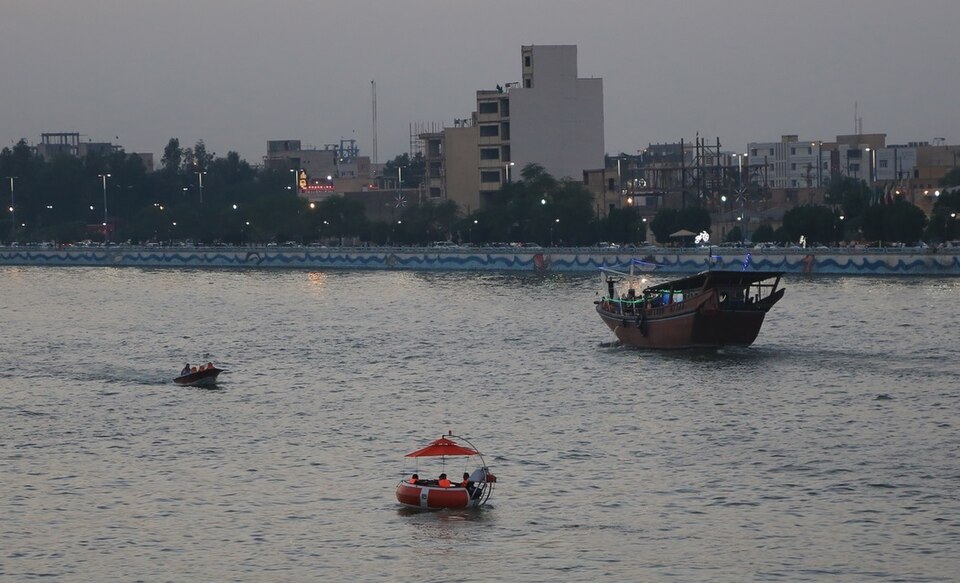
→ Iran-Iraq War: after “tagline”, what about “About 500,000-1 million people died, scholarly range, the majori”?
A 1980-88 war of trenches, cities and tankers that killed hundreds of thousands and ended with UN Resolution 598 -- no triumphant peace. Iraq invaded Iran on 22 September 1980, hoping to seize the Shatt al-Arab and a disordered post-revolutionary Iranian state.
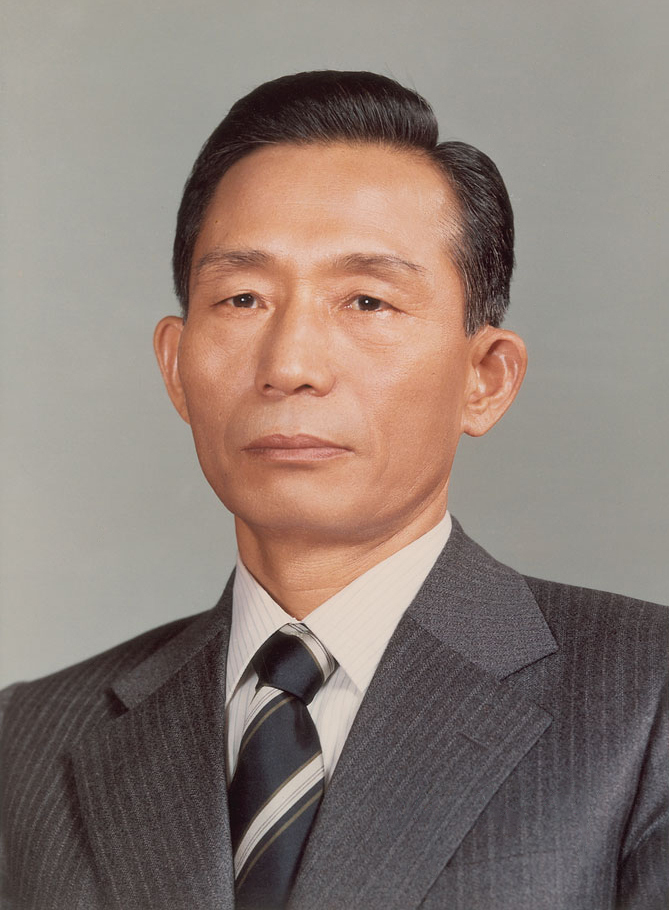
→ 12 December 1979 coup: after “tagline”, what about “Shooting in the capital that night was limited compared with a c”?
The 12 December 1979 seizure in which Chun Doo-hwan's Hanahoe arrested the army chief -- a Korean coup that led toward 17 May 1980 and Gwangju. On the night of 12 December 1979, Major General Chun Doo-hwan -- head of the Defense Security Command and of the secret officers' club Hanahoe -- moved troops in Seoul and arrested General Jeong Seung-hwa, the Army Chief of Staff.
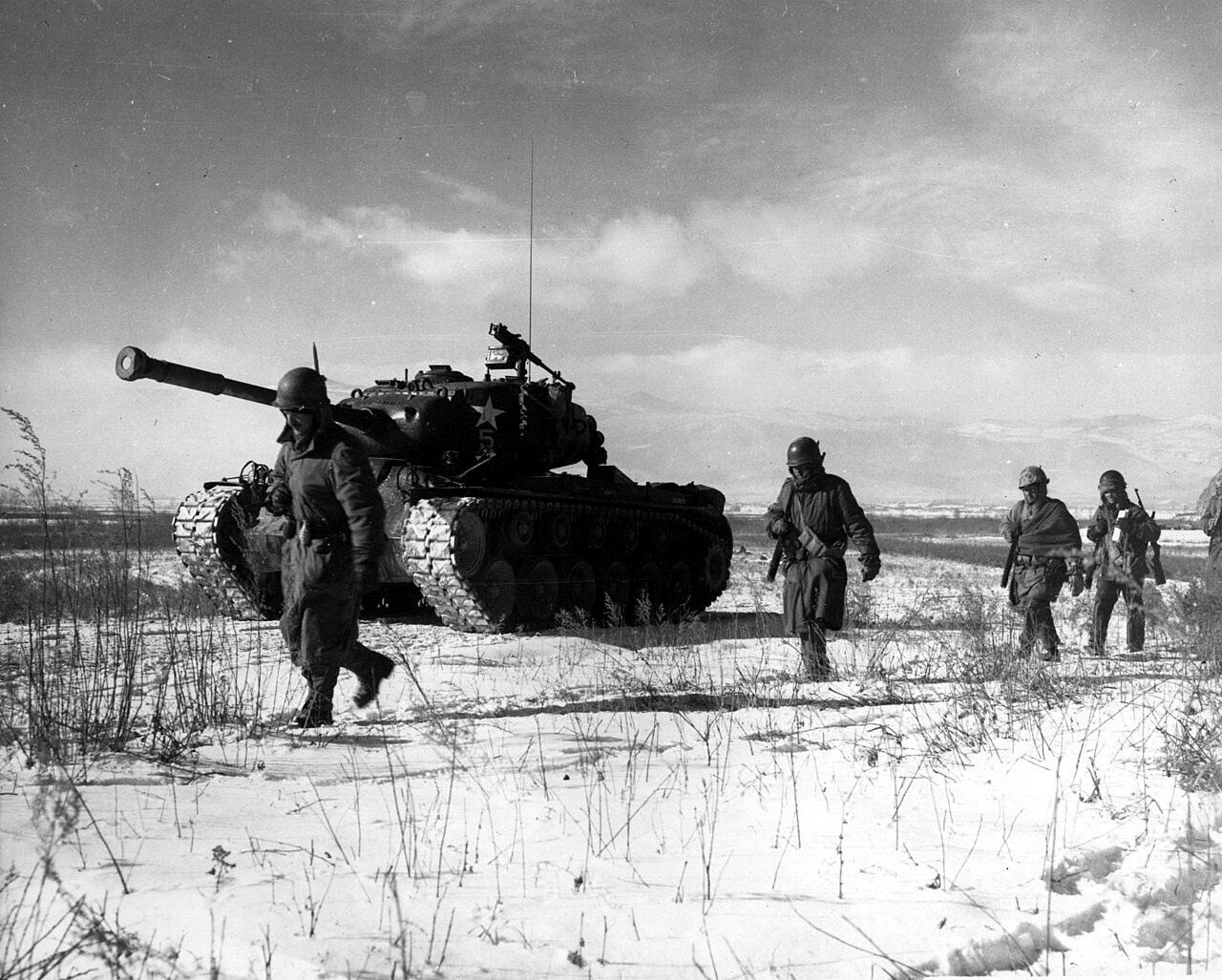
→ Korean War: after “The Korean War began before dawn on 25 June 1950 when the Korean”, what about “The front raced the length of the peninsul
The Korean War began before dawn on 25 June 1950 when the Korean People's Army crossed the 38th parallel, the 1945 US-Soviet occupation line that had already produced two states in 1948: the Republic of Korea under Syngman Rhee and the Democratic People's Republic under Kim Il-sung. The UN Security Council, with the Soviet seat empty, created a US-led United Nations Command.
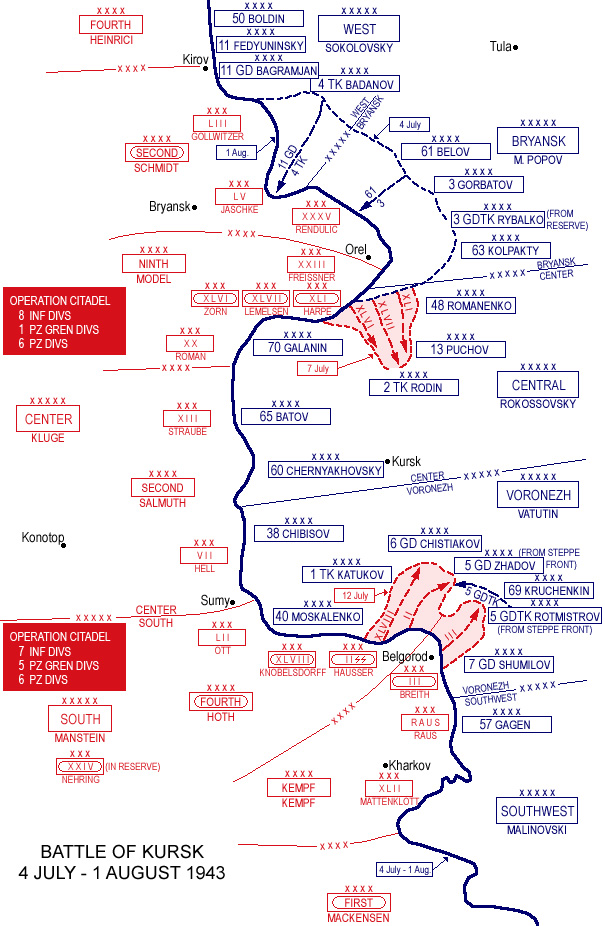
→ Battle of Kursk: after “tagline”, what about “Prokhorovka (12 July) became the named armour clash of the south”?
The 1943 German Citadel offensive against the Kursk bulge -- the last strategic German attack in the east -- and the Soviet counteroffensives that followed. Operation Citadel opened on 5 July 1943 against the Soviet-held Kursk salient, after months of delay that the Red Army used to pack the bulge with mines, guns, and reserves. Model attacked from the north, Manstein's wing from the south.

→ Lockheed Martin: after “tagline”, what about “This page is firm history -- plants, programmes, hearings -- not”?
From Lockheed and Glenn L. Martin to the 1995 merger -- a firm history of Skunk Works, missiles, and prime-contract politics. Lockheed Martin is a 1995 merger name laid over two older aviation companies. Allan Lockheed's firm (1926 in its famous form) became the Skunk Works of the U-2 (1955 first flight) and SR-71, the F-104 Starfighter, and the C-130 Hercules. Glenn L.
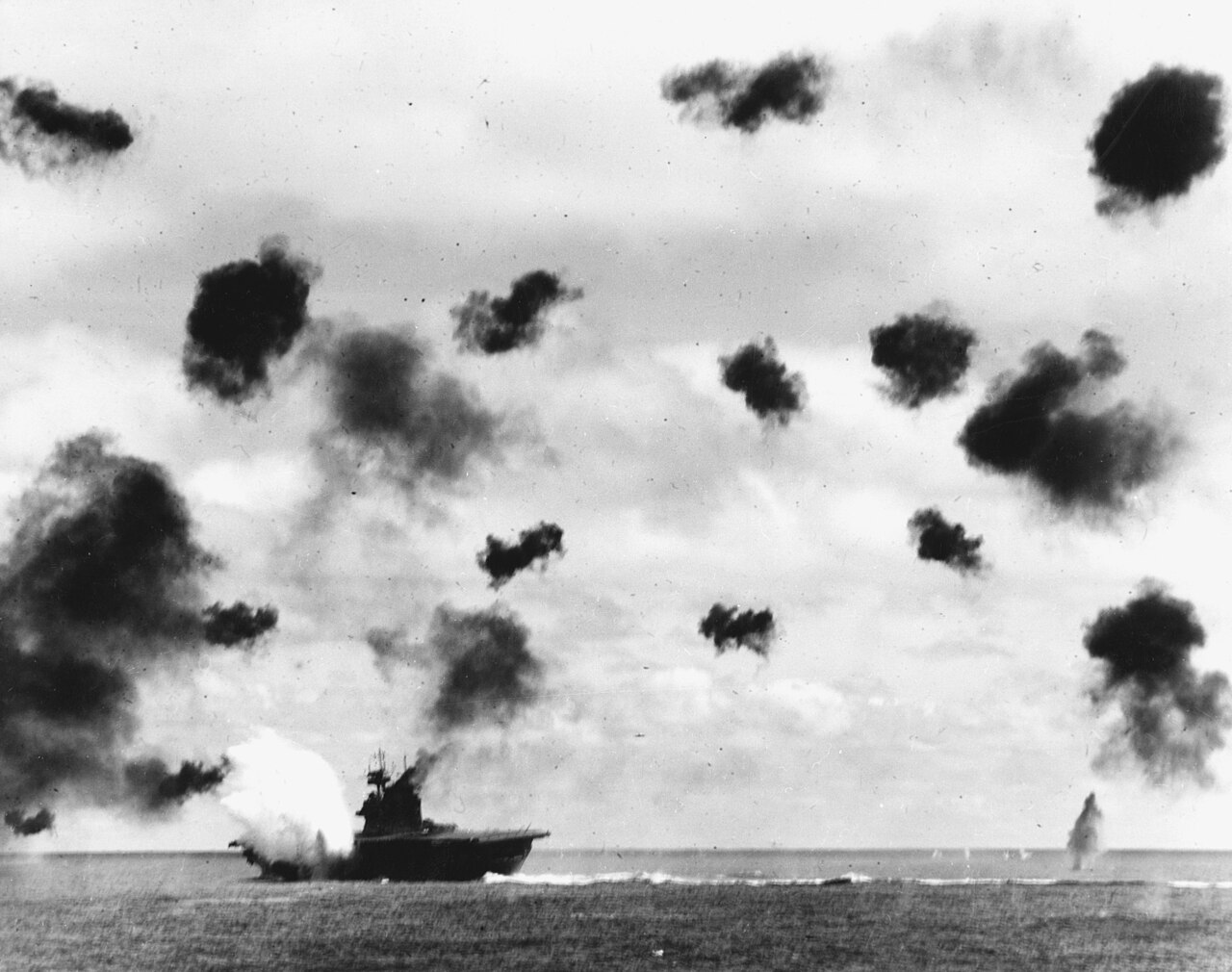
→ Battle of Midway: after “tagline”, what about “On 4 June, US dive bombers from Enterprise and Yorktown caught J”?
The 4-7 June 1942 carrier battle that wrecked Japan's first-line carrier force and shifted the Pacific war. The Battle of Midway (4-7 June 1942) was a carrier duel in the central Pacific, six months after Pearl Harbor. Admiral Yamamoto sought to draw out and destroy the US Pacific Fleet by seizing Midway Atoll.
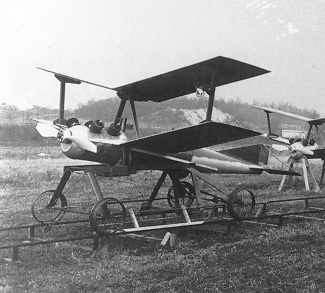
→ Military drone (UCAV): after “tagline”, what about “Abraham Karem's Amber lineage and General Atomics' Predator made”?
From the Kettering Bug and Firebee to the public UCAV era -- a history of remotely piloted combat aircraft, not a flying or building guide. Military drones are older than jet fighters as an idea and younger as a public political problem. Charles Kettering's 1918 "Bug" was a flying bomb that did not decide the First World War. Interwar and 1939-45 target drones (Reginald Denny's Radioplane among them) trained gunners.
→ Mongol conquests: after “tagline”, what about “Deaths are among the least certain in this atlas: published scho”?
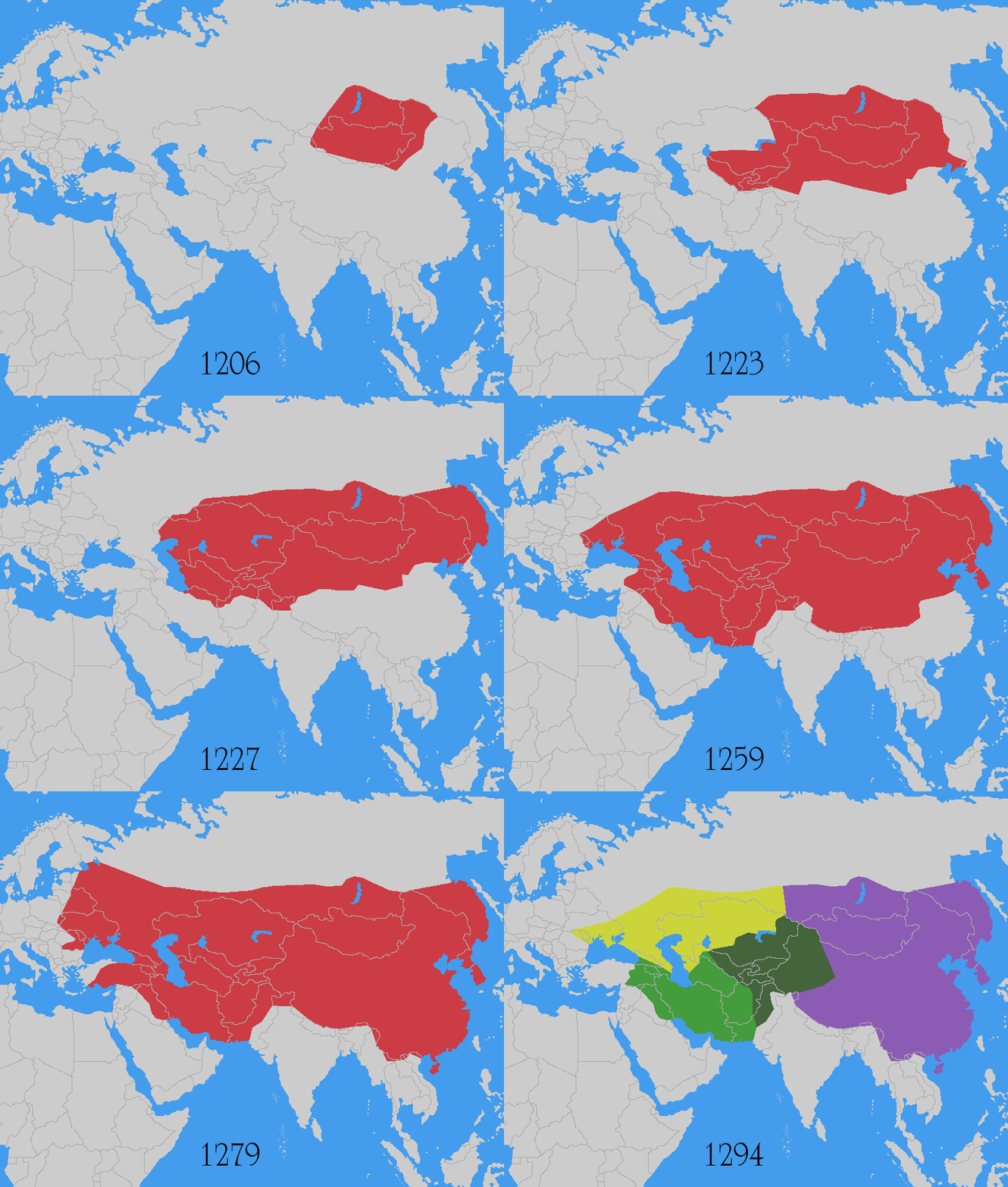
Thirteenth-century conquests that built the largest contiguous land empire and left a death toll still argued in wide scholarly ranges. The Mongol conquests began as Temujin unified the steppe and took the title Chinggis (Genghis) Khan in 1206. Within two generations Mongol armies had broken the Jin and Western Xia, shattered Khwarezm, taken Kiev's political world, and ridden into Hungary and Poland (1241).
→ Napoleonic Wars: after “tagline”, what about “The 1812 invasion of Russia destroyed the Grande Armee through b”?
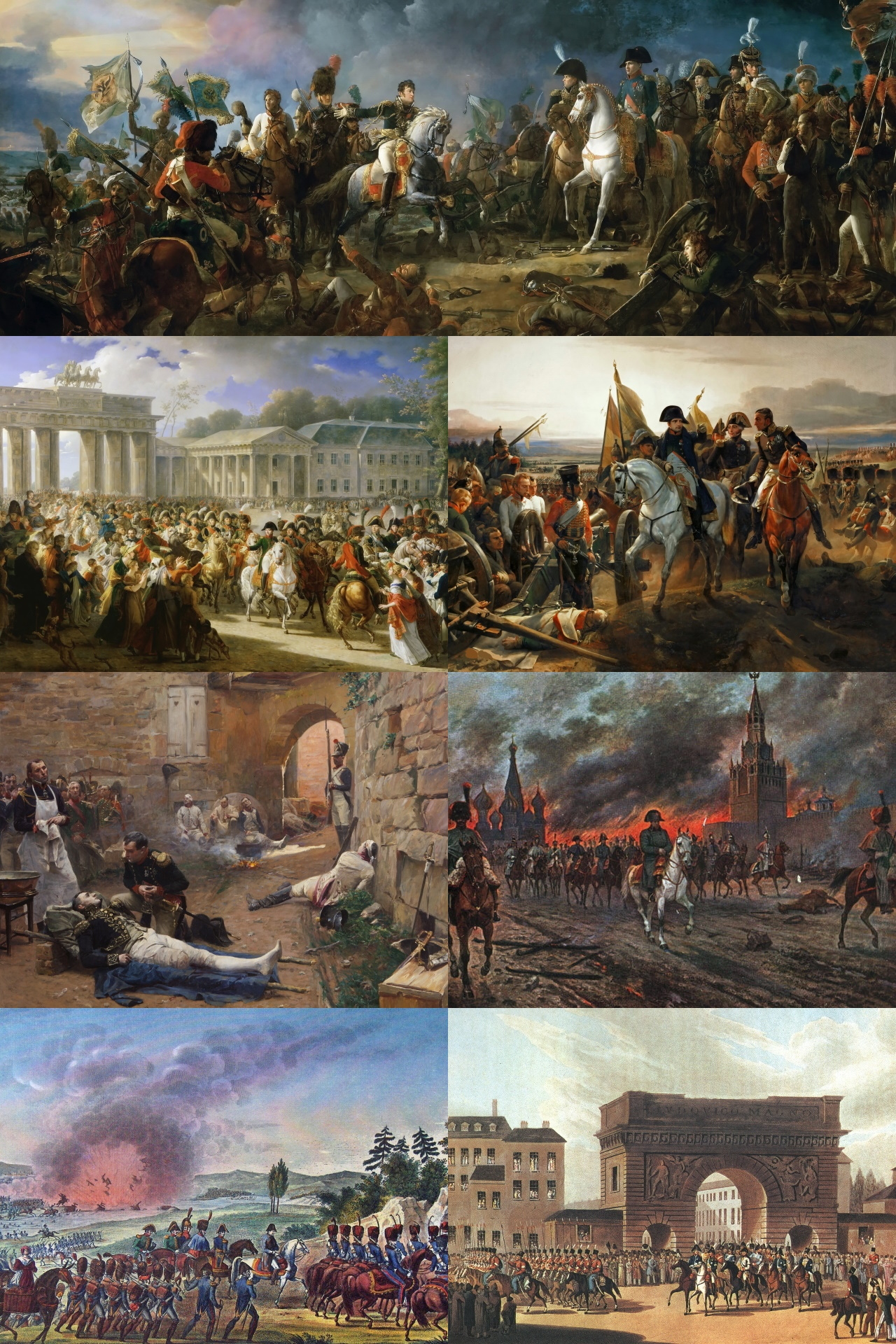
Coalition wars of 1803-1815 that spread conscription, the Code, and a British sea-power order -- ending at Waterloo. The Napoleonic Wars (usually dated 1803-1815) continued the French Revolutionary Wars that began in 1792. After the brief Peace of Amiens, Britain and France returned to war; seven coalitions formed and broke around Napoleon's France.
→ Normandy landings: after “tagline”, what about “The campaign that followed -- Caen, the bocage, Saint-Lo, Operat”?
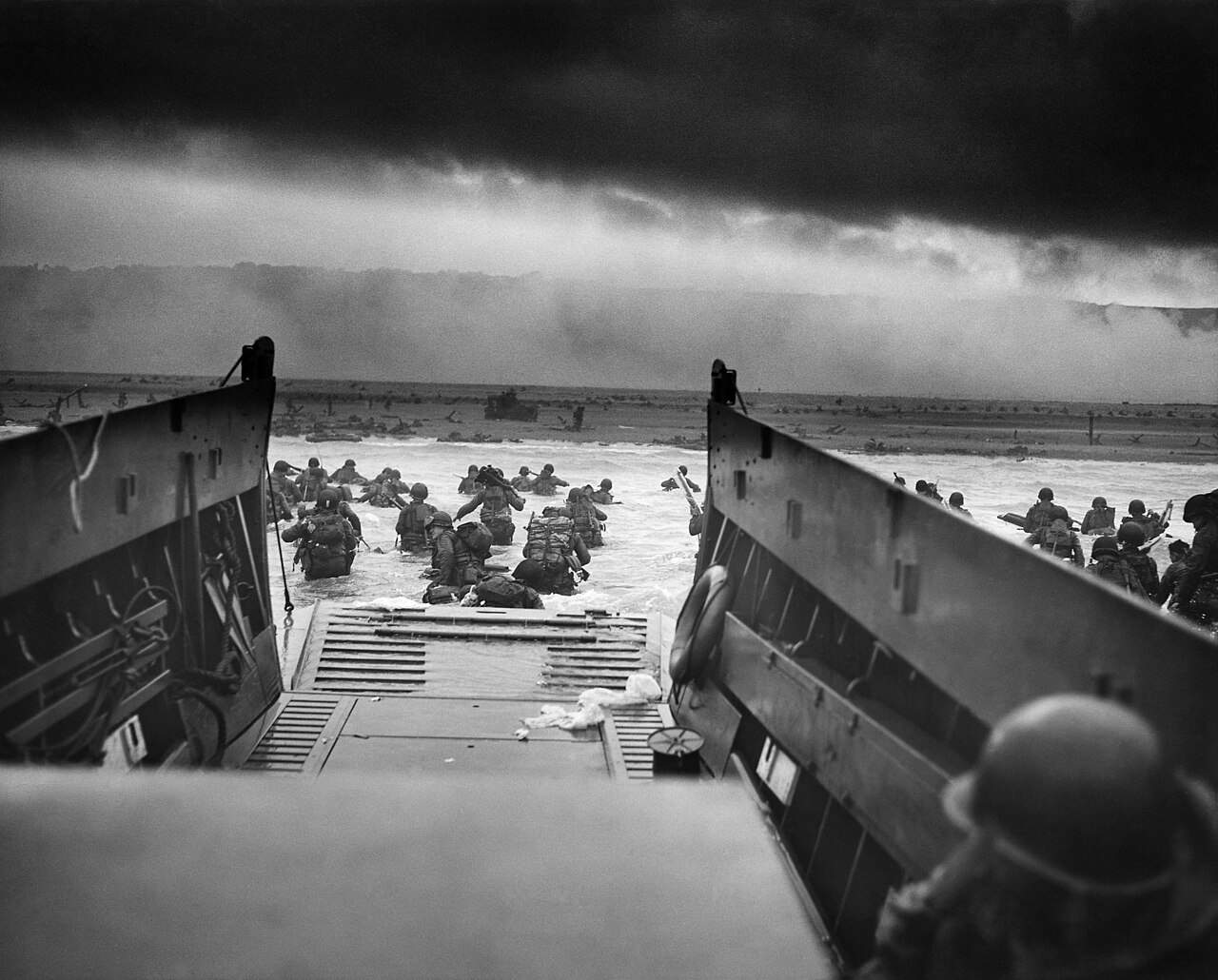
The 6 June 1944 cross-Channel landing that opened the long-delayed Western Front in France -- Overlord, not a war by itself. Operation Overlord began in the dark of 6 June 1944 with airborne drops and then five beach assaults: Utah and Omaha (US), Gold and Sword (British), Juno (Canadian). Eisenhower held supreme Allied command; Montgomery ran the ground battle.

→ Rheinmetall: after “tagline”, what about “The postwar legal and political break matters: West German rearm”?
From an 1889 Ruhr works to Bundeswehr rearmament and later K2/K9 partnerships -- a firm history, not a gun manual. Rheinmetall began in 1889 under Heinrich Ehrhardt as a Ruhr-area metals and munitions works. It grew with German rearmament before 1914 and again in the 1930s -- a firm file that includes the Nazi-era armaments economy and the 1945 collapse. This page will not turn those years into a production lesson.
→ Republic of Korea Armed Forces: after “tagline”, what about “Yulgok, in the Park Chung-hee decades, is the second hinge: a st”?
From a 1948 constabulary-to-army to Yulgok and a US treaty -- ROK defensive force-structure history, not a live order of battle. The Republic of Korea Armed Forces were organised with the 1948 state, out of a constabulary and a politics of occupation, and were nearly destroyed in the first weeks after 25 June 1950.
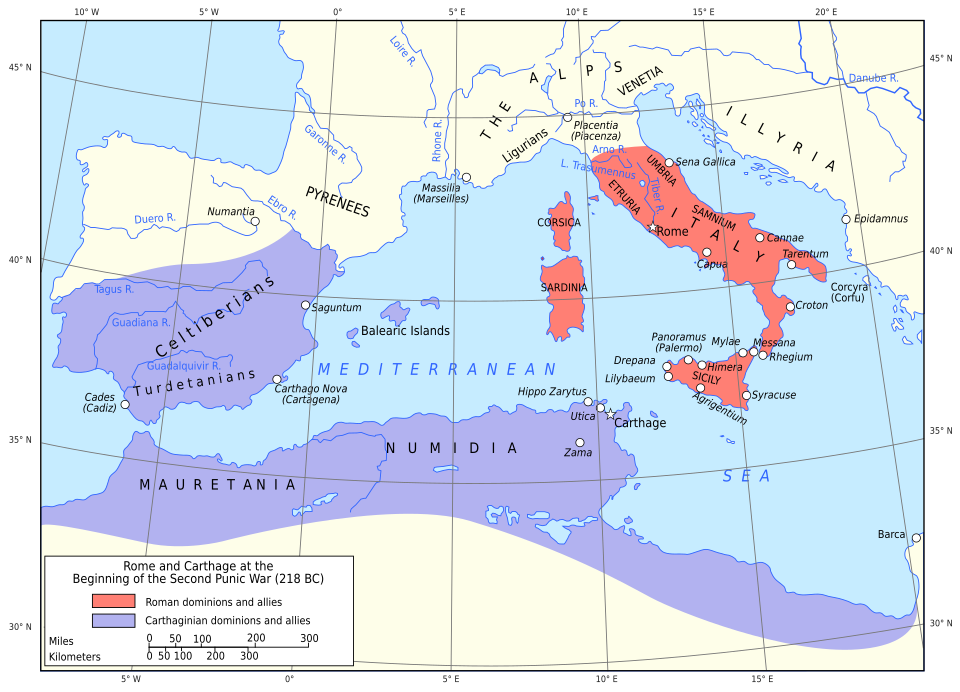
→ Roman military: after “tagline”, what about “Named hinges English readers already have: Cannae (216 BCE) and ”?
From the mid-Republic manipular legion to the late imperial army -- a force-structure history, not a reenactment manual. The Roman military is not a single army but a sequence of force structures that made and unmade a Mediterranean state.

→ Royal Navy: after “tagline”, what about “Political impact is high because the fleet was the hardware of a”?
From a Tudor standing fleet to Nelson, Jutland, and the Atlantic -- a force-structure history, not a live order of battle. The Royal Navy is an English-then-British state institution whose popular statue is Horatio Nelson at Trafalgar (21 October 1805) and whose industrial truth is coal, then oil, then a 1914 dreadnought race and a 1939-45 convoy war.
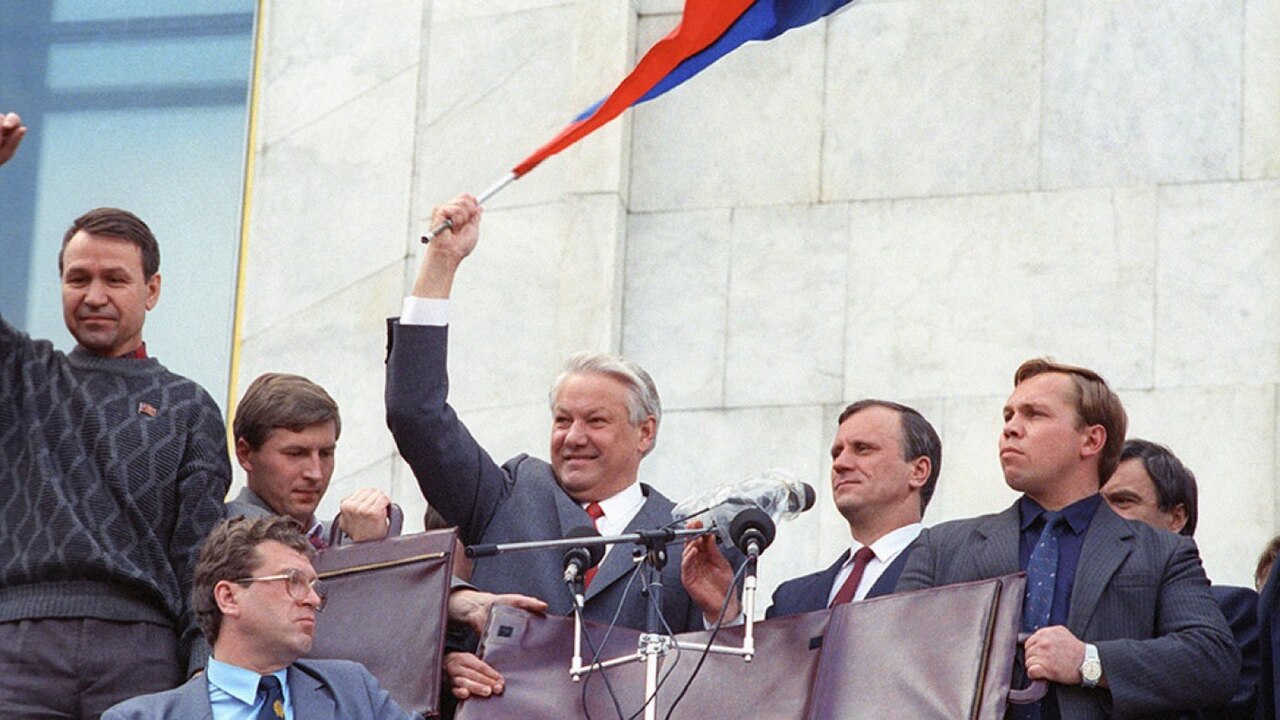
→ Soviet 1991 coup attempt: after “tagline”, what about “Boris Yeltsin, president of the RSFSR, climbed on a tank outside”?
The 19-21 August 1991 failed GKChP seizure that hastened the Soviet Union's end -- a junta that collapsed in three days. In the early hours of 19 August 1991 a self-styled State Committee on the State of Emergency (GKChP) announced that Mikhail Gorbachev was "unable" to govern and that it would run the Soviet Union. Tanks entered Moscow. Gorbachev was isolated at Foros in Crimea.
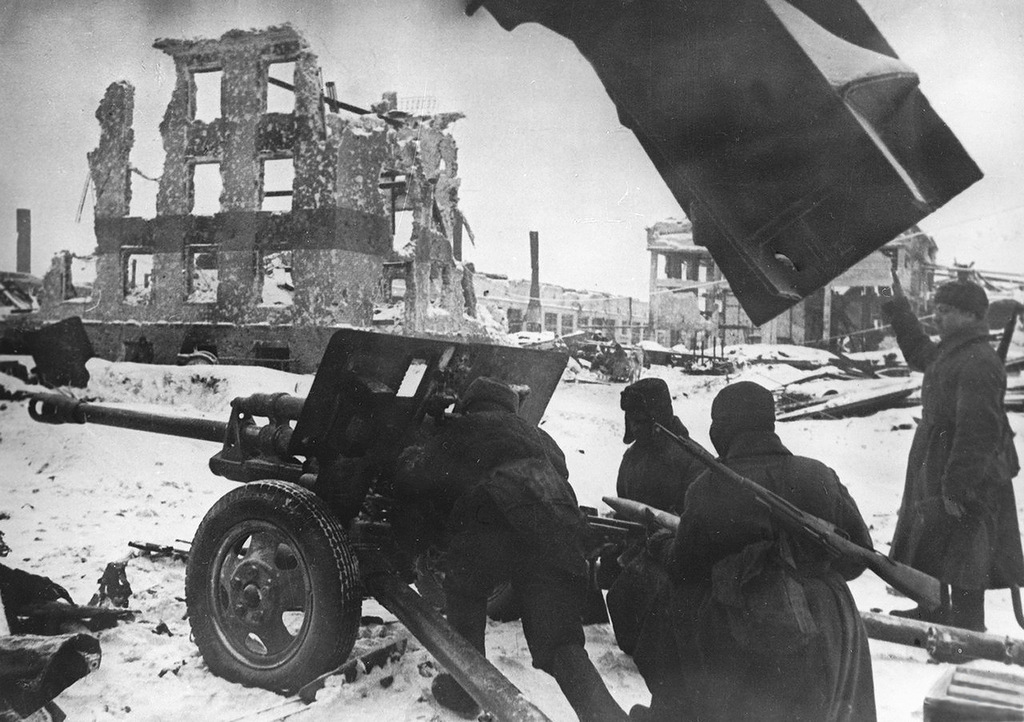
→ Battle of Stalingrad: after “tagline”, what about “Street fighting in the ruins, the factory district, and Mamayev ”?
The 1942-43 Volga battle that destroyed the German 6th Army and turned the European war on the Eastern Front. The Battle of Stalingrad ran from the German 6th Army's approach and the 23 August 1942 air raid to Field Marshal Paulus's surrender on 2 February 1943. Hitler had made the city that bore Stalin's name a political object; Stalin forbade retreat with Order No. 227 ("Not one step back").
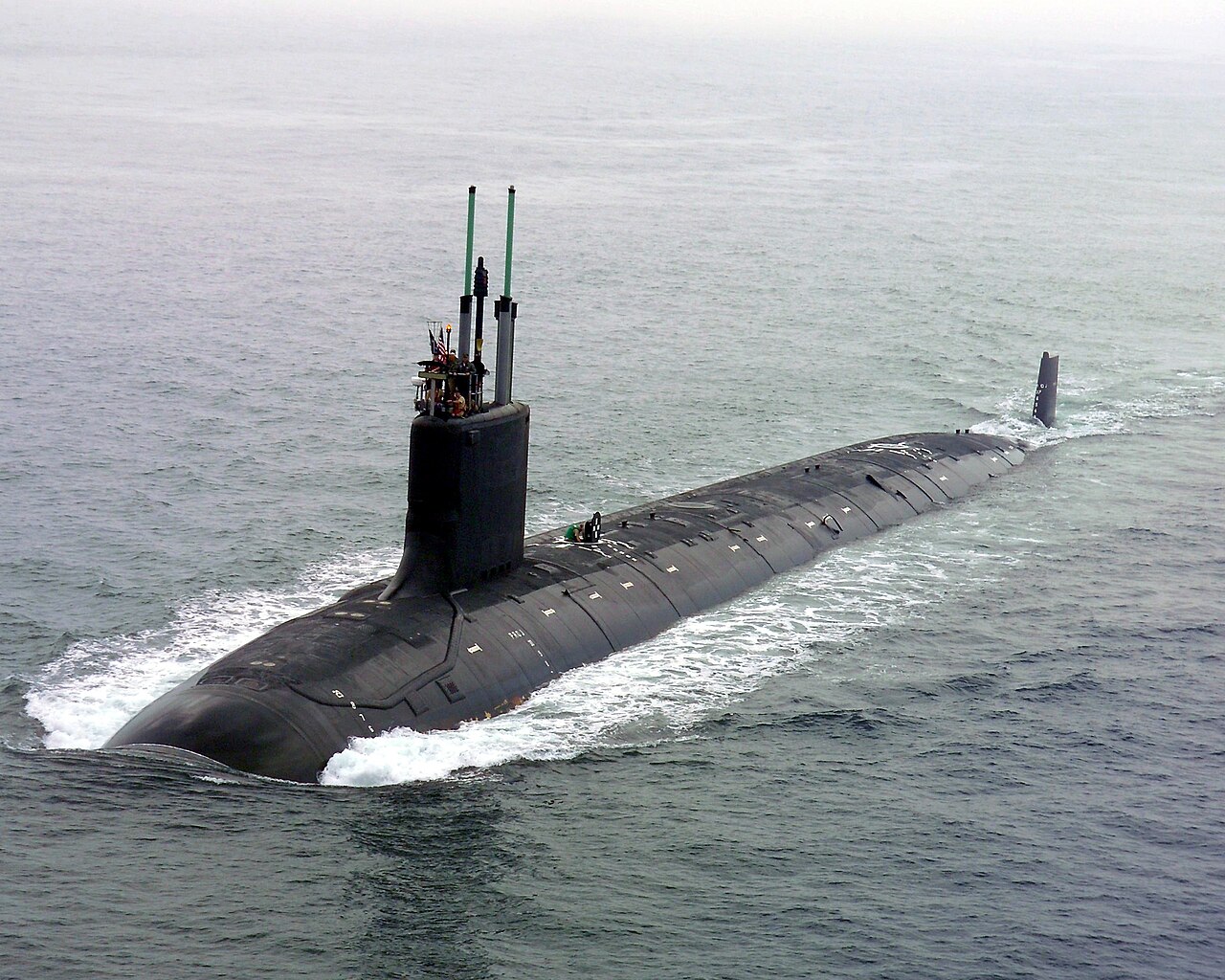
→ Submarine: after “tagline”, what about “1939-45 repeated and enlarged the Atlantic fight; US boats in th”?
From Holland boats and U-boats to nuclear deterrent submarines -- a history of a type, not a guide to diving, hunting, or building one. Practical military submarines arrived with Holland and early-century types; they became a strategic fact in 1914-18 when German U-boats threatened Britain's food. Unrestricted submarine warfare (1917) helped bring the United States into the First World War.
→ Tank: after “tagline”, what about “Interwar theorists (Fuller, Liddell Hart, Guderian, Tukhachevsky”?
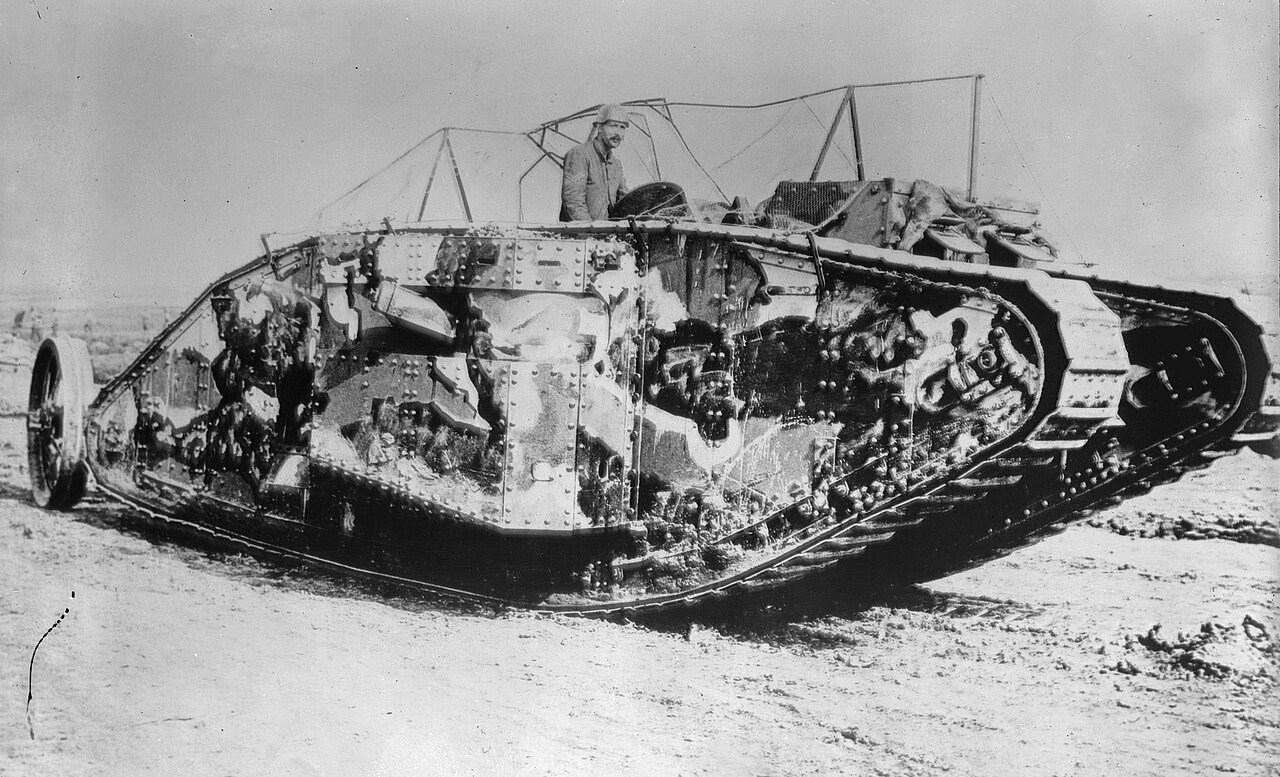
The armoured fighting vehicle born on the Somme in 1916 -- a history of a type, not a guide to building or fighting in one. The tank appeared as a British attempt to cross 1916 trench ground: Mark I machines at Flers-Courcelette on 15 September 1916. The cover name "tank" stuck. France's Schneider and Saint-Chamond, then the Renault FT (turret, rear engine), set a layout the twentieth century would repeat.
→ Thirty Years' War: after “The Thirty Years' War opened with the Defenestration of Prague o”, what about “About 4-8 million people died in th
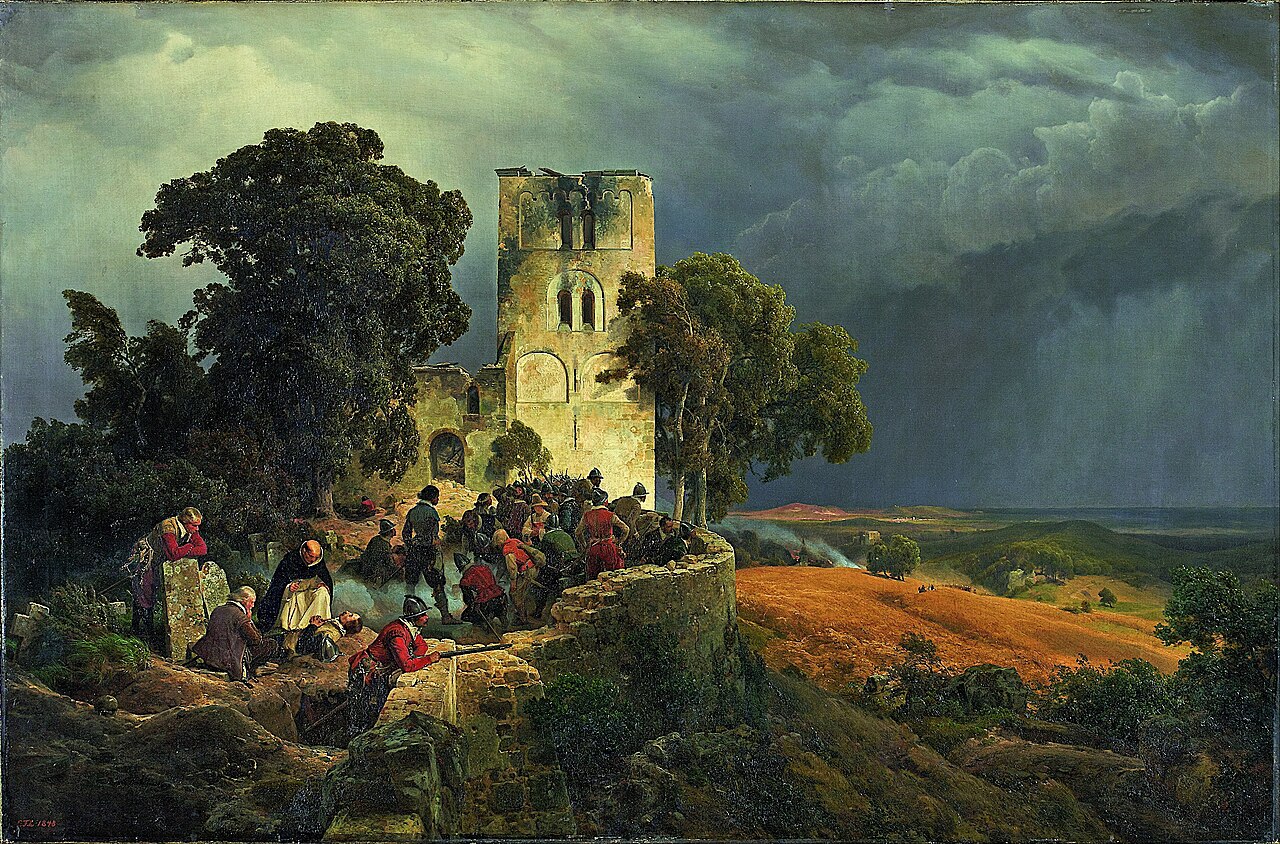
The Thirty Years' War opened with the Defenestration of Prague on 23 May 1618, when Bohemian Protestant estates threw Habsburg officials from a window. What began as a Bohemian revolt inside the Holy Roman Empire became a European war as the Palatinate, Denmark, Sweden and France entered against the Habsburgs and the Catholic League.
→ Battle of Tsushima: after “tagline”, what about “In daylight on the 27th Togo crossed the Russian T -- the manoeu”?
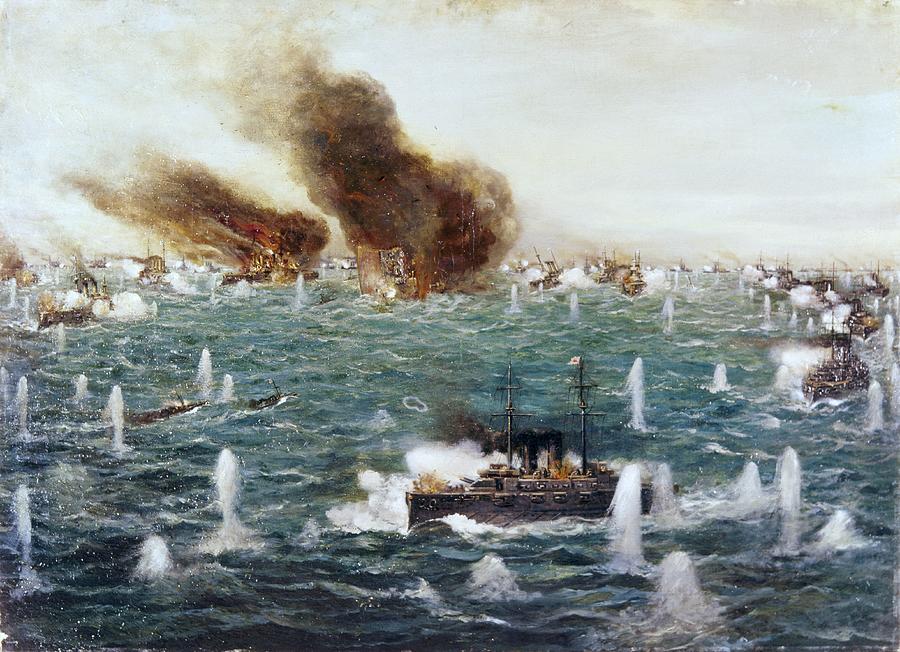
The 27-28 May 1905 fleet action in which Togo Heihachiro destroyed the Russian Baltic Fleet -- a Korean-strait day that ended a war and recast Asian naval hierarchy. The Battle of Tsushima was fought on 27-28 May 1905 in the strait between Korea and Japan, at the end of the Baltic Fleet's eight-month voyage from Europe.
→ United States military: after “tagline”, what about “Korea is not a footnote here”?
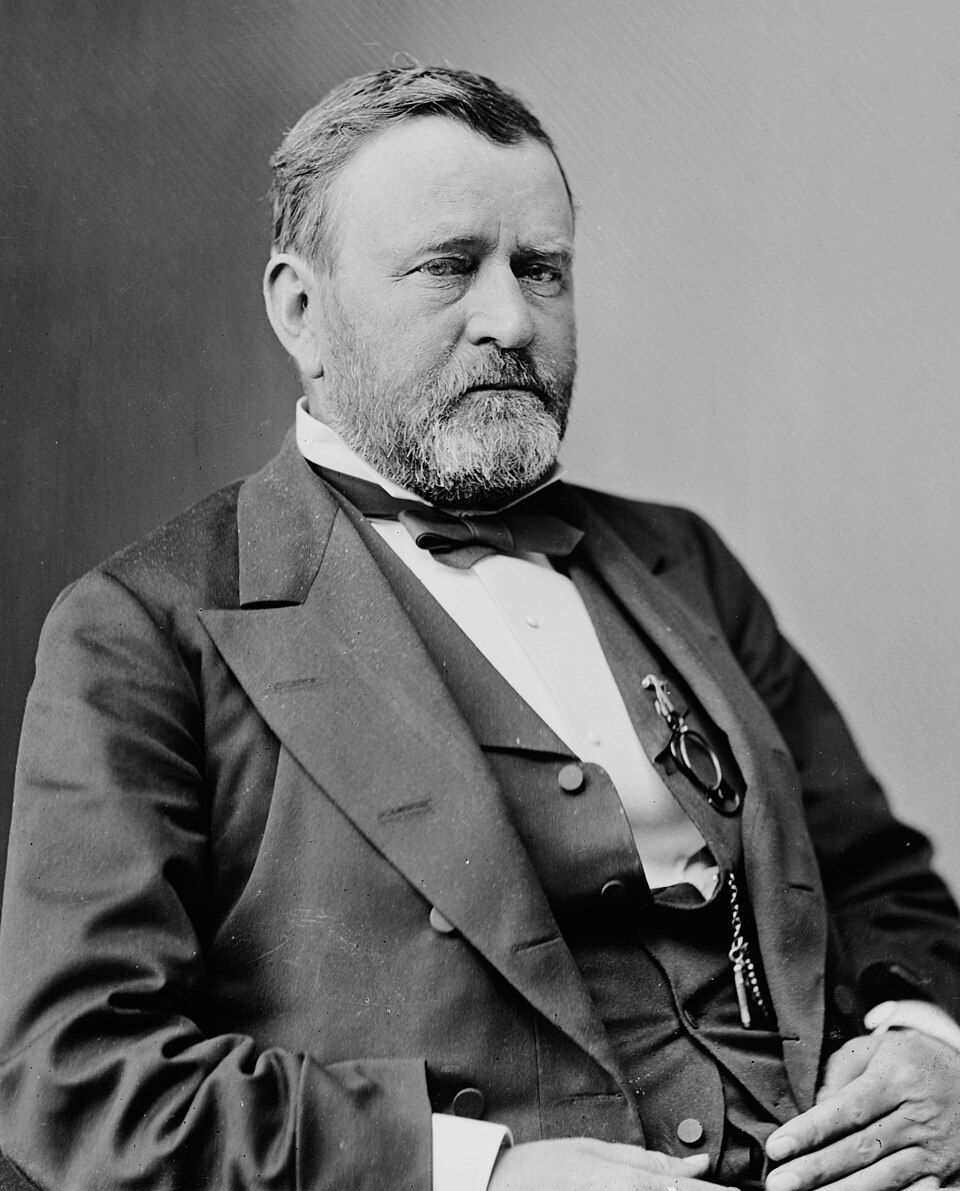
From a Revolutionary militia-and-line mix to the 1947 Pentagon and a Korean War alliance -- force-structure history, not a live ORBAT. The United States military is a set of services whose legal modern shape is the National Security Act of 26 July 1947 (Department of Defense, CIA, a separate Air Force) laid over a much older story: 1775 Continental forces, a small nineteenth-century regular army and navy, a mass
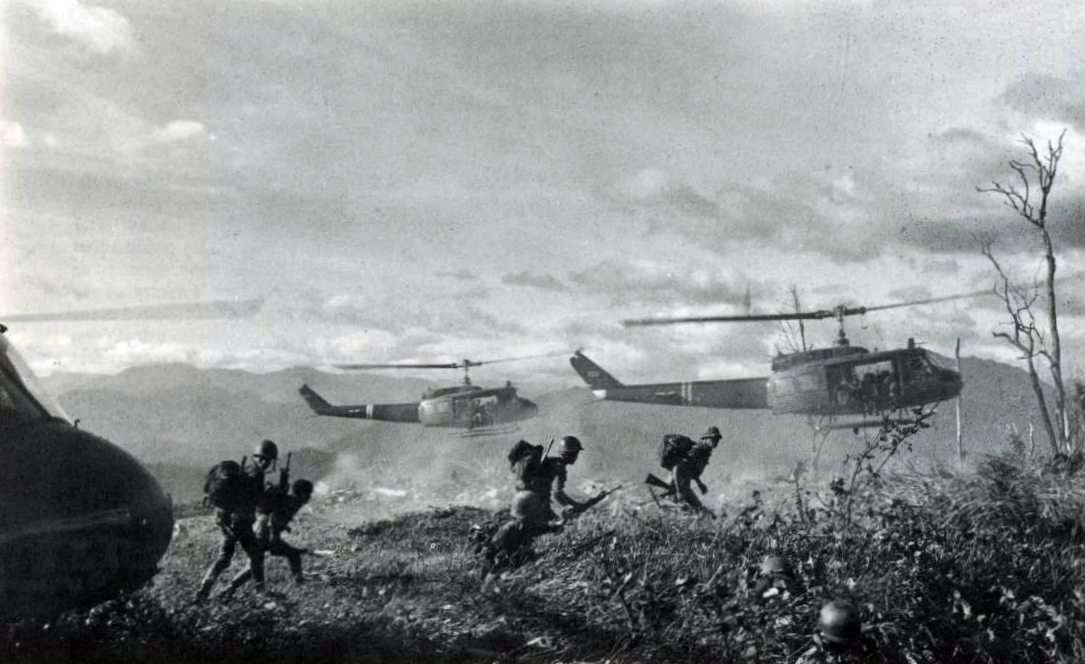
→ Vietnam War: after “tagline”, what about “The United States moved from advisers to a bombing campaign (Rol”?
A 1955-75 Indochina war that fused decolonisation, civil war and US intervention -- and remade English-language memory of limited war. The Vietnam War, or Second Indochina War, grew out of the First Indochina War (1946-54) and the 1954 Geneva partition at the 17th parallel.
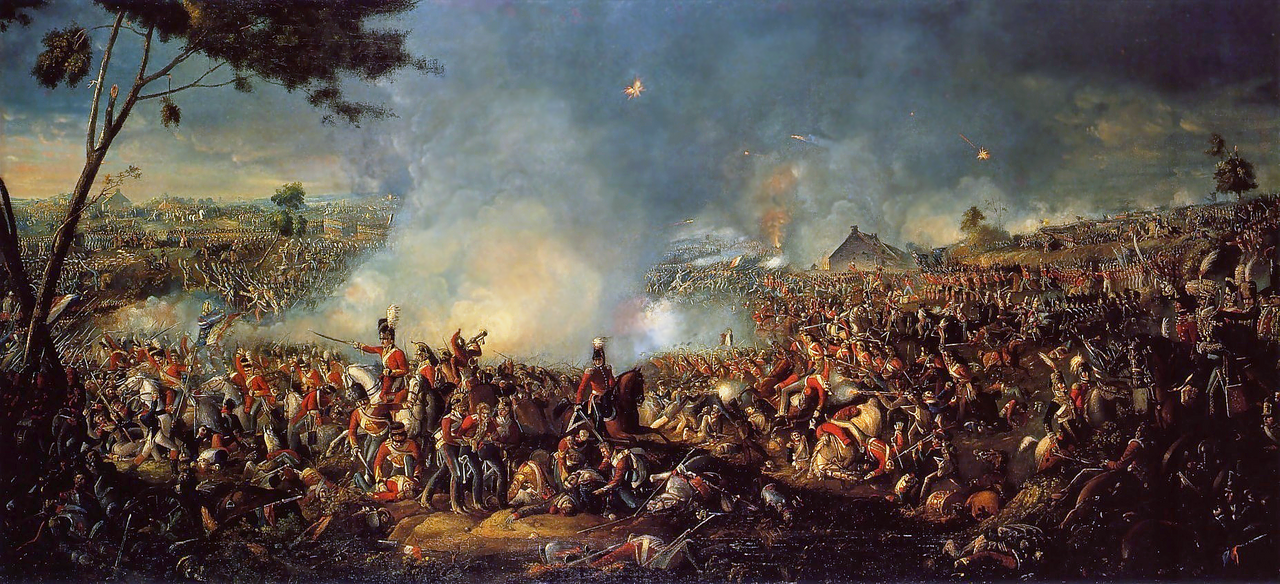
→ Battle of Waterloo: after “tagline”, what about “About 40,000-50,000 men were killed or wounded in a day of artil”?
The 18 June 1815 allied victory that ended the Hundred Days and Napoleon's return -- Wellington, Blucher, and a muddy ridge. Waterloo was fought on 18 June 1815 on a shallow ridge south of Brussels, after Napoleon's escape from Elba and the 16 June battles at Ligny and Quatre Bras. Wellington's Anglo-Allied army held the ridge; Blucher's Prussians arrived in the afternoon on the French right.
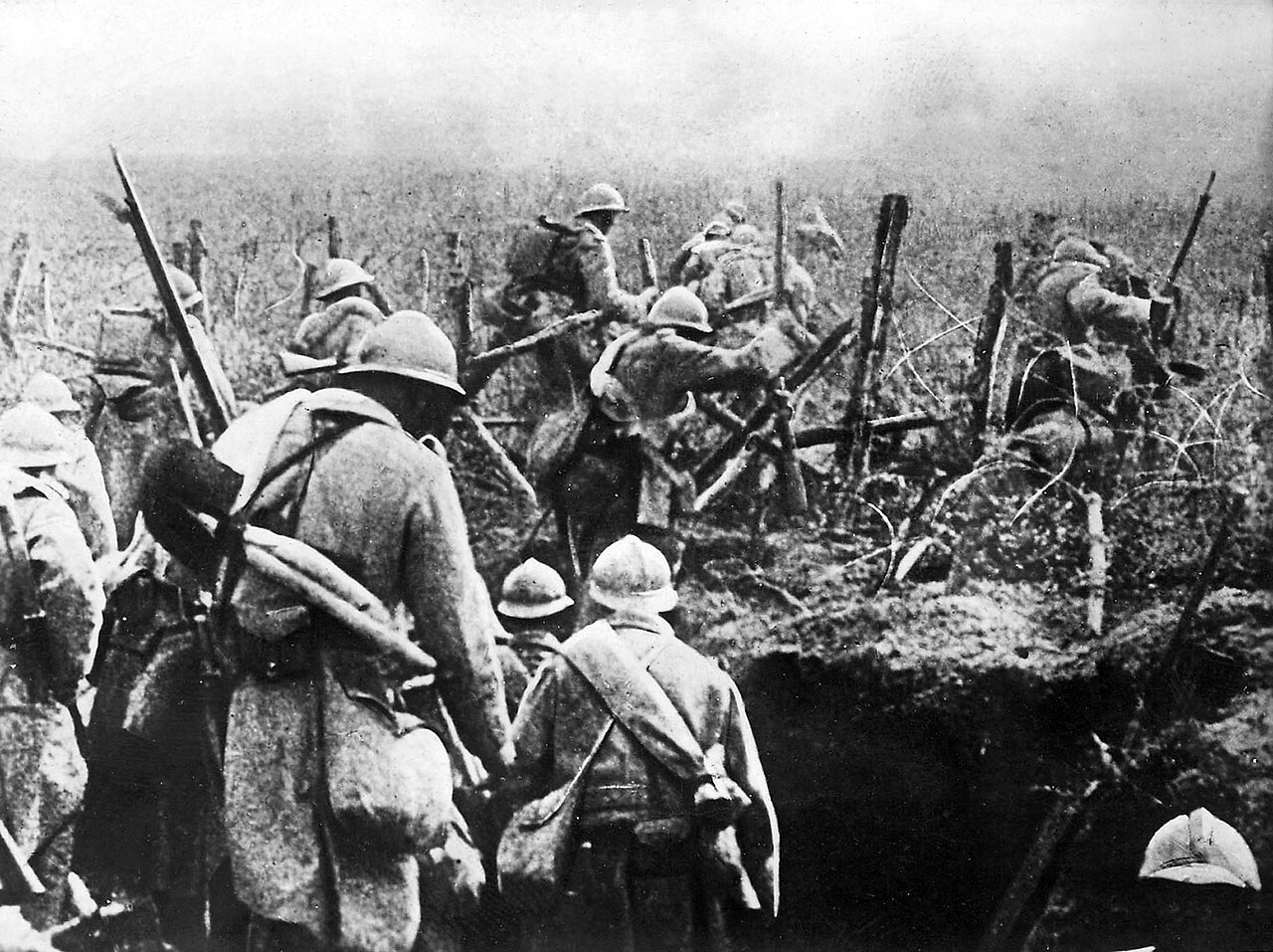
→ World War I: after “tagline”, what about “About 15-22 million people died, scholarly range, including roug”?
The 1914-1918 industrial war that broke empires, enfranchised mass mourning, and left a peace that did not hold. The First World War began with Austria-Hungary's declaration of war on Serbia on 28 July 1914, after the assassination of Archduke Franz Ferdinand in Sarajevo on 28 June.
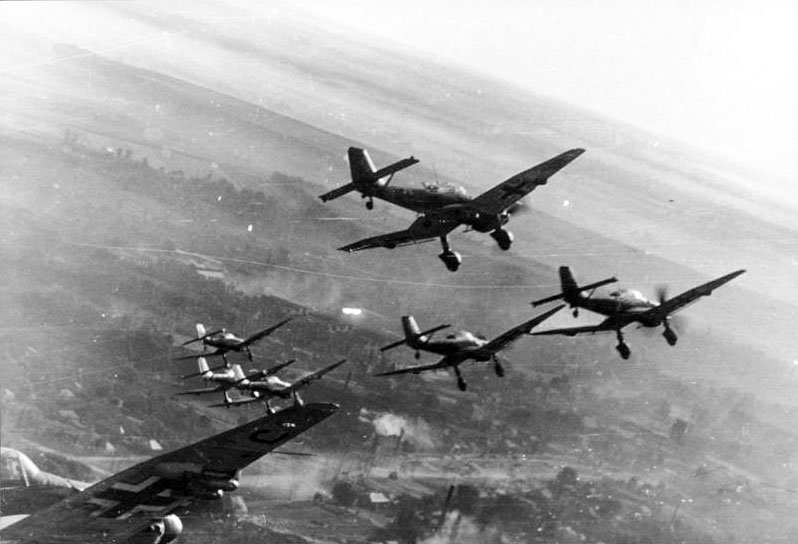
→ World War II: after “tagline”, what about “Scholarly tallies of the dead cluster around 70-85 million, a ma”?
A global industrial war, 1939-1945, that killed tens of millions and remade borders, law and nuclear politics. World War II opened in Europe when Germany invaded Poland on 1 September 1939, after a decade of Japanese war in China that many historians date from the 1937 Marco Polo Bridge clash.
→ Aircraft carrier: after “paras 1”, what about “paras 2”?
Nuclear propulsion (Enterprise, 1961), the US supercarrier as alliance theatre, the RN's political retreat, the Soviet Kiev/Kuznetsov path. Chinese carrier public progress, Indian and French large decks, ROK LPX/aviation debates in open press -- dated as politics, not as a building guide or a threat table.
→ American Civil War: after “paras 1”, what about “paras 2”?
Lincoln's early aim was union. The 1 January 1863 Emancipation Proclamation, tied to the Antietam moment, made freedom a Union war aim for Confederate-held territory and opened large-scale Black enlistment in USCT regiments.
→ BAE Systems: after “paras 1”, what about “paras 1”?
Marconi electronics plus BAe airframes made a "systems" company in the same decade Lockheed merged in the US. The name is a strategy: stop being only a plane maker. Al-Yamamah and the SFO investigation are the civic file English readers can actually read. They are political history, not a sales manual.
→ Battle of Britain: after “paras 1”, what about “paras 2”?
The Luftwaffe's turn to the capital eased pressure on the sector stations and opened the night Blitz. Whether this was revenge, a hoped-for RAF final battle, or both, it changed the campaign's object. The 1969 film, St Paul's in smoke, and the Capel-le-Ferne memorial taught a nation. Polish and Czech squadrons (303, 310) were late additions to popular English tellings that had been too English.
→ Carnation Revolution: after “paras 2”, what about “paras 1”?
Four dead from PIDE/DGS fire remain the day's ledger -- low is not none. 1974-76 saw nationalisations, land occupations, and a near-miss of civil conflict. Angola's independence became a Cold War war. Retornados flooded Portugal.
→ Chile 1973 coup: after “paras 1”, what about “paras 2”?
Navy, air force, and army moved. La Moneda was isolated and attacked. Allende's last broadcast is a primary source. This paragraph names a sequence; it does not teach one. DINA, exile, the 1980 constitution, the 1988 plebiscite that Pinochet lost -- a long afterlife of 11 September.
→ Chinese Civil War: after “paras 1”, what about “paras 1”?
While Chiang's government retreated to Chongqing, the CCP expanded in north China behind Japanese lines. US observers (the Dixie Mission) saw a disciplined guerrilla party; US aid still flowed mainly to the KMT. Corruption, inflation and conscription abuse hollowed Nationalist legitimacy even before 1946's open war.
→ Fighter jet: after “paras 1”, what about “paras 1”?
Century Series, MiG-21, and Vietnam's painful US relearning of guns and training (Topgun as a school, historically named). F-15, F-16, MiG-29, Su-27 -- the late Cold War pair. Israel's 1982 Bekaa is a named air-war date in staff talk -- history, not a playbook.
→ Hanwha Aerospace: after “paras 1”, what about “paras 1”?
The K9 Thunder (service from 1999 in ROKA) is the public signature: a 155 mm howitzer that became an export object to Turkey (as a partnership), India, Norway, Australia, Finland, Egypt, Poland, and others in dated deals -- names and years as news history.
→ Intercontinental ballistic missile: after “paras 1”, what about “paras 1”?
SAC under LeMay and later Schriever's missileers built a US land leg. The Strategic Rocket Forces became a Soviet service. October 1962 put medium-range missiles in Cuba and ICBM alert in the background of thirteen days.
→ Battle of Inchon: after “paras 2”, what about “paras 2”?
Almond's X Corps -- Marines and 7th Infantry, with ROK units -- was a MacArthur instrument as much as a joint team. Syngman Rhee and MacArthur's ceremony in the damaged capital was political theatre on a clock. The KPA in the south was already breaking toward the parallel.
→ Iran-Iraq War: after “paras 2”, what about “paras 1”?
Foreign states tilted: many Arab capitals and Western suppliers backed Iraq as a container of the revolution, while Iran was isolated. By 1982 Iran had expelled most invaders and faced a choice: stop, or carry the war into Iraq. Khomeini's government chose to continue toward Basra and a political end in Baghdad that never came.
→ 12 December 1979 coup: after “paras 1”, what about “paras 1”?
Hanahoe officers moved the 9th Division and other trusted units. Jeong was seized. Some loyalist resistance occurred at Army HQ. US Forces Korea was informed after the fact -- a still-argued alliance wrinkle, not a US-run coup.
→ Korean War: after “paras 2”, what about “paras 1”?
Border raids and the 1948-49 guerrilla war on Jeju and in the southern mountains were already killing Koreans before the conventional invasion of June 1950. Kim Il-sung obtained Stalin's and Mao's assent after months of lobbying.
→ Battle of Kursk: after “paras 1”, what about “paras 1”?
Operations Kutuzov and Rumyantsev took Orel and Kharkov. The campaign's meaning is this sequel, not only the defensive week. Later Soviet figures of wrecks were propaganda arithmetic. Recent work (Zamulin, Glantz, and others) cuts the "meeting of 1,200 tanks in a field" cartoon without making the day small.
→ Lockheed Martin: after “paras 1”, what about “lede”?
The merger, the F-22 and F-35 as political objects, and a services-and-C4ISR expansion. Hearings on cost and concurrency are the public file. ROK F-16 and F-35 buys are dated procurement stories -- offset, industrial participation, alliance signalling.
→ Battle of Midway: after “paras 2”, what about “paras 2”?
McClusky's Enterprise dive bombers and Leslie's Yorktown group found the carriers in a brief, decisive window. Hiryu's counterstrike fatally wounded Yorktown. US aircraft then found Hiryu. The Japanese surface fleet never got its night battle.
→ Military drone (UCAV): after “paras 1”, what about “paras 1”?
Karem to General Atomics to a 2001 armed deployment is the English newsreel. John P. Jumper and CIA directors sit in the political paragraph. The 2010s "drone war" essays are a legal-memory industry.
→ Mongol conquests: after “paras 1”, what about “paras 1”?
The Khwarezm war (from 1219) after the Otrar incident produced the most famous massacre chronicles. Batu and Subutai's 1237-42 western campaign broke Volga Bulgaria and many Rus' cities and defeated European knights at Legnica and Mohi -- then withdrew when Ogedei died.
→ Napoleonic Wars: after “paras 2”, what about “paras 2”?
Amiens (1802) was a pause. Malta, trade, and mutual distrust reopened the war in 1803. Ulm and Austerlitz (1805), Jena-Auerstedt (1806), and Friedland (1807) made Napoleon master of the German lands and imposed Tilsit on Russia. The Continental System tried to blockade Britain by land -- an economic war that created smugglers and enemies.
→ Normandy landings: after “paras 2”, what about “paras 1”?
Rommel was in Germany for his wife's birthday -- a famous absence, not a full explanation of German failure. Caen took weeks, not a day. Cobra (25 July) broke the west. The Falaise-Argentan pocket (August) wrecked German Army Group B but did not catch everyone.
→ Rheinmetall: after “paras 1”, what about “lede”?
Post-Cold War shrink, then export hunts, then electronics and vehicle packages. Partnerships with other European firms and with ROK industry begin as footnotes and thicken. Zeitenwende speeches and plant-expansion headlines are a late political chapter -- recorded as budget history, not as a current order book to update weekly.
→ Republic of Korea Armed Forces: after “paras 1”, what about “paras 2”?
The 1953/54 treaty, US wartime command arrangements as a dated legal-political fact, and a long argument about OPCON transition -- history of a bargain, not a present command diagram. Park-era modernisation, HCI plants, ADD, K1 then K2, K9, Chang Bogo submarines, a later KF-21 project as industrial politics. Hanwha and other chaebols are the works file.
→ Roman military: after “paras 1”, what about “paras 2”?
Augustus regularised pay, length of service, and the Rhine-Danube idea of a frontier. Trajan's column is a propaganda object as well as a source. The navy (Misene and Ravenna fleets) is the under-taught half. Adrianople, Vegetius, and the fifth-century West are a payroll, recruitment, and politics crisis. The East continues -- a sequel, not a vanishing.
→ Royal Navy: after “paras 1”, what about “paras 2”?
1917 and 1939-43 made convoy, air, and intelligence the surviving arts. See the submarine page for the opponent type. 1945-present shrinkage, the US special relationship at sea, Korea 1950-53 as a UN footnote, and later carriers as political objects. History of a smaller fleet, not a current list of hulls.
→ Soviet 1991 coup attempt: after “paras 2”, what about “paras 2”?
Yeltsin's personal myth was born on that armour -- a myth 1993 and the later 1990s would complicate. Belovezha (8 December) and the Alma-Ata protocol ended the USSR in law. The coup's irony is complete: it hastened the death it meant to prevent.
→ Battle of Stalingrad: after “paras 1”, what about “paras 2”?
Winter, disease, and Hitler's no-retreat order finished what Uranus began. Paulus, newly promoted to field marshal, surrendered rather than die by the implied script. Mamayev Kurgan's monument complex is a Soviet cathedral of the war. English readers meet the battle through Beevor, German memoirs, and Enemy at the Gates -- a thin film beside a thick Russian ritual.
→ Submarine: after “paras 1”, what about “paras 2”?
Nautilus; then SSBNs (George Washington, Resolution, Red October-as-fiction). A quieter Cold War with collisions and close calls in the public record. More states with boats; ROK KSS as an industrial-national chapter; accidents (Kursk 2000) as a civilian-memory shock. Still not a how-to.
→ Tank: after “paras 1”, what about “paras 1”?
Panzer divisions, T-34, Sherman, and the Eastern Front's densities. Kursk is the popular caption; logistics and numbers are the quieter story. NATO and Warsaw Pact types as industrial alliances. The 1973 war's ATGMs entered every staff college paragraph -- historically.
→ Thirty Years' War: after “paras 1”, what about “paras 2”?
Christian IV's Danish war (1625-29) failed. Gustavus Adolphus landed in 1630, won Breitenfeld, and made Sweden a great power before dying at Lutzen. His chancellor Oxenstierna kept Sweden in the war.
→ Battle of Tsushima: after “paras 1”, what about “paras 2”?
Roosevelt's mediation, Witte's diplomacy, and a treaty that gave Japan a free hand in Korea and a position in Manchuria -- without a huge indemnity, which sparked riots in Japan. Japan: Togo as nelson-like saint. Russia: a humiliation in the revolution year 1905. Korea: a strait battle that licensed a protectorate.
→ United States military: after “paras 1”, what about “paras 2”?
A new department, a new air force, NATO (1949), then Korea. MacArthur's relief (11 April 1951) is a civil-military hinge, not a personality show only. All-volunteer force; Goldwater-Nichols; a long post-9/11 period already thick in public files. This page stops at institutional hinges and will not become a current campaign tracker or a SOF manual.
→ Vietnam War: after “paras 2”, what about “paras 2”?
The Ho Chi Minh trail through Laos and Cambodia was a logistics system, not a metaphor. Hanoi's decision for armed reunification was made in stages, not in a single 1959 telegram. After the 1964 Gulf of Tonkin incident and resolution, Johnson chose open bombing and ground combat in 1965 rather than withdrawal or a wider war with China.
→ Battle of Waterloo: after “paras 1”, what about “paras 2”?
The rout unhooked the army. Paris could not be a second 1814. St Helena followed. Vienna's final act had its battlefield seal. British: Wellington and the squares. Prussian: Blucher's march. French: mud, Grouchy, and betrayal. All three are in the sources; none is the whole ridge.
→ World War I: after “paras 1”, what about “paras 2”?
Verdun, the Somme and Passchendaele were not accidents of stupidity alone; they were attempts to break a front that artillery and machine-guns favoured in defence. Commanders learned slowly, then all at once in 1918 with combined arms.
→ World War II: after “paras 2”, what about “paras 2”?
Lend-Lease, the Atlantic Charter and later the United Nations Declaration (1 January 1942) turned a set of bilateral fights into a coalition with shared -- if unequal -- aims. Detroit, the Urals, the Ruhr, Osaka and the Midlands became as decisive as any river crossing. Shipping, oil, aluminium and ball bearings set the tempo of offensives.
→ Aircraft carrier: after “What is a supercarrier?”, what about “Are carriers obsolete vs missiles?”?
A post-1955 US term for the Forrestal-and-after large CATOBAR decks, later nuclear-powered. A political size as much as a tonnage. It abandoned CVA-01 and large CATOBAR for a period, used VTOL Invincible-class decks, then built Queen Elizabeth-class large decks -- a political arc, not a simple funeral.
→ American Civil War: after “why”, what about “paras 1”?
Rifled weapons, rail and mass mobilisation here preview 1914's industrial killing, without matching its global scale. Ironclads and industrial production -- not tanks -- were this war's machines; the later tank age still cites Civil War rail and industry as ancestors of mobilisation.
→ BAE Systems: after “How does the Royal Navy relate?”, what about “Ancestor catalogue”?
Yards and combat-system work for UK fleets are a continuous industrial story. See the RN page for force structure; this page for the contractor. BAE is a major partner in a European programme. Workshare is the honest word -- not sole inventor.
→ Battle of Britain: after “paras 1”, what about “How many died?”?
Poles, Czechs, New Zealanders, Canadians -- the roster was imperial and exile, not only Home Counties. Keep Battle vs Blitz pinned to 1940-09-07 (London day raid): The turn to the capital; airfields breathe. Battle of Britain remains a 10 July-31 October 1940 (official RAF dates) file in English Channel, southeast England, London approaches, not a playbook.
→ Carnation Revolution: after “paras 2”, what about “Why did officers move?”?
Keep Democracy after argument pinned to 1974-05+ (Spinola vs MFA left): The junta argues. Carnation Revolution remains a 25 April 1974 (coup day; PREC to 1976 constitution) file in Lisbon and Portuguese armed forces; aftershocks in Angola, Mozambique, Guinea-Bissau, not a playbook.
→ Chile 1973 coup: after “why”, what about “How many were killed?”?
Another 1970s army seizure after a leader's death; different society, same atlas family of coups. Keep After the palace pinned to 1973-09+ (Stadium and DINA): Mass detention and the secret-police years. Chile 1973 coup remains a 11 September 1973 (coup day; dictatorship 1973-1990) file in Santiago and Chilean armed services; US political context, not a playbook.
→ Chinese Civil War: after “paras 1”, what about “paras 1”?
Land policy, not only rifles, decided much of the countryside. The KMT remained more urban and militarist in its late years. Hyperinflation in 1947-49 was a Nationalist political defeat as real as any lost city.
→ Fighter jet: after “What was MiG Alley?”, what about “Did Top Gun invent modern fighter training?”?
The airspace over northwestern North Korea where MiG-15s and UN jets (especially F-86s) fought. Soviet pilots flew in significant numbers under thin cover. A later staff-and-industry label for 1970s-80s types (F-15, F-16, MiG-29). It is a convenience, not a law of physics.
→ Hanwha Aerospace: after “What is K9 Thunder in this file?”, what about “How does Yulgok relate?”?
A ROK self-propelled 155 mm howitzer that entered ROKA service in 1999 and later became the firm's public export signature. Named as industrial history. No employment or manufacturing content. Public file: Samsung's portfolio choices after years of being a defence-and-engine maker; Hanwha's bid to be the land-and-aerospace chaebol. A 2014-15 political-industrial event.
→ Intercontinental ballistic missile: after “Did ICBMs come from the V-2?”, what about “What did SALT and START do?”?
Teams, drawings, and the idea of a ballistic rocket did. Range, warhead, and guidance of the 1957-62 types were a different industrial generation. Mittelbau-Dora slave labour is part of the V-2 ledger. October 1962 was about medium-range missiles in Cuba and a US blockade, with ICBM and bomber forces on high alert in the background. It is a political crisis file, not a firing drill.
→ Battle of Inchon: after “How does it relate to D-Day?”, what about “Argument”?
Both are amphibious coalition operations studied in staff colleges. Overlord was a build-up across a narrow sea against a fortified coast; Inchon was a surprise into a tidal city harbour. Do not copy either as a template. No. It is a historical battle file. Tide tables here are 1950 facts, not a current assault guide.
→ Iran-Iraq War: after “lede”, what about “why”?
A late-Cold-War conventional war that used twentieth-century trenches and chemical crime -- and left both states armed for the 1990s. Trenches, gas, and a war of exhaustion -- a comparison Iranians themselves sometimes made, not a claim of equal scale.
→ 12 December 1979 coup: after “Who was Hanahoe?”, what about “How does Gwangju connect?”?
A secret fraternity of officers, many from the 11th class of the Korea Military Academy, including Chun and Roh Tae-woo. It operated inside the formal army. The 26 October 1979 assassination of President Park by Kim Jae-gyu, his intelligence chief -- the vacuum 12.12 filled.
→ Korean War: after “paras 2”, what about “lede”?
A political conference at Geneva in 1954 failed to unify Korea. The US-ROK Mutual Defense Treaty (1953) and a continuous UN Command legal shell remain. Families divided by the front are a living archive. Korea in 1950-53 was at once a Korean civil war, a UN police action, and the first hot war of the Cold War, fought to a draw that still defines the peninsula.
→ Battle of Kursk: after “Who commanded?”, what about “Salient forms”?
Model (north), Manstein / Hoth (south), Zhukov and Vasilevsky at Stavka, Rokossovsky and Vatutin on the fronts, Konev's Steppe Front in reserve. Stalingrad and the March 1943 Kharkov riposte create the bulge. Citadel is a choice to hit the obvious.
→ Lockheed Martin: after “What was the "last supper"?”, what about “Burbank/Palmdale lore, Marietta, Fort Worth as F-16 geography, R”?
A 1990s US defence-industry consolidation story: Pentagon hints that too many primes would not survive the budget drawdown. Keep 1912 and 1926 in the first paragraph so 1995 does not look like a birth.
→ Battle of Midway: after “why”, what about “paras 1”?
The other decisive naval day in this atlas -- 1905, different weapons, same regional question of who commands the sea. The other 1940s air-defence-plus-intelligence victory in Anglophone myth -- different domain, similar "few" rhetoric.
→ Military drone (UCAV): after “paras 1”, what about “Who was Abraham Karem?”?
Radioplane, Ryan, General Atomics, and later chaebol lines made a market. See Lockheed Martin and Hanwha as firm cousins. Keep Industry is the type pinned to 2001 (Armed public hinge): Afghanistan deployment enters English news.
→ Mongol conquests: after “why”, what about “paras 1”?
No operational link -- related only through Korean historical memory of earlier foreign militaries on the peninsula, which Goryeo-Mongol wars inaugurate in a long series. Arban/jagun/mingghan/tumen organisation -- named as history, not a drill book.
→ Napoleonic Wars: after “paras 1”, what about “paras 1”?
The Civil Code, metric measures, and the abolition of some feudal residues travelled with French armies. Occupation also meant conscripts and taxes -- the dual export. Britain could not beat Napoleon in 1805-07 on the Elbe; Napoleon could not beat Britain at sea after Trafalgar. The war was a stalemate of elements until 1812 broke the land empire.
→ Normandy landings: after “paras 2”, what about “How many died on 6 June?”?
Keep Staff-college afterlife pinned to 1944-06-12 (Beaches linked): A continuous lodgement. Normandy landings remains a 6 June 1944 (landings); campaign to Aug 1944 file in Normandy, France -- five beaches and the bocage inland, not a playbook.
→ Rheinmetall: after “Why mention forced labour?”, what about “Founding to WW1”?
Because a Ruhr armaments firm in 1939-45 shares that ledger with peers. Skipping it is a brochure. Dusseldorf, Unterluss as a named test geography in public sources, Bundeswehr barracks museums, ROK plants as partner geography.
→ Republic of Korea Armed Forces: after “paras 1”, what about “What is Yulgok?”?
16 May 1961 and 12.12 1979 are why a defensive-force page must point at the coup file and then stop. Scholarly bands for ROK military dead are typically given in the low hundreds of thousands; civilian dead on the peninsula are a larger, still-debated range (see the Korean War page). Use ranges, not a single spectacle number.
→ Roman military: after “Why is cultural memory so high?”, what about “Republican levy”?
Because Latin, Christianity's Roman afterlife, Hollywood, and tourism stacked a thick file. Memory is not the same as understanding pay and citizenship. Rome, Capua, Cannae, Zama, the Rhine, Hadrian's Wall, Sirmium, Constantinople as a late map.
→ Royal Navy: after “Did the RN fight in Korea?”, what about “Pax and then race”?
Yes -- UN naval operations, including British light carriers and minesweeping. Thinner in UK public memory than the Glorious Glosters' Imjin story. Tudor-1815 in Home waters, the Atlantic, the Mediterranean, and a global imperial-then-alliance map: From standing navy to Nelson. A memory map, not a present overlay.
→ Soviet 1991 coup attempt: after “paras 2”, what about “How many died?”?
Keep Myths of 1991 pinned to 1991-08-21 (Three dead; collapse): Tunnel incident; committee flees the stage. Soviet 1991 coup attempt remains a 19-21 August 1991 file in Moscow, Foros (Gorbachev), union republics, not a playbook.
→ Submarine: after “What is an SSBN?”, what about “closing 1”?
A nuclear-powered boat that carries ballistic missiles as a hidden deterrent. See also the ICBM page for the land cousin. No patrol or launch content here. A later ROK submarine industrial line (Chang Bogo and successors) as defensive force structure. Not a 1950 U-boat war, not a live ORBAT.
→ Tank: after “How does Korea fit?”, what about “Theory”?
T-34s in 1950; then a ROK armour force and K1/K2 industry. See also the ROK military and Hanwha pages. 1916-18 in From the Somme to every later armoured front: Rhomboids to FT. A memory map, not a present overlay.