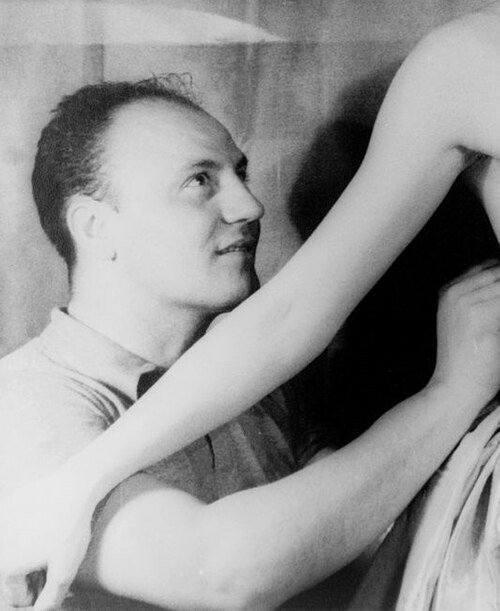
Vent Vert
1947– · France
Germaine Cellier’s galbanum shock for Balmain.
Vent Vert (1947–, France) is still the story a counter tells when this family needs a name.
Read Vent Vert as dose and geometry, not a mood board — that is how Green is argued.
Eight bottles and noses that still define Green.
Darker cells mean a higher score for this topic on that metric.
LessMore
Last reviewed Sources & creditsMedia creditsMethodology
Galbanum, snapped stem and tomato leaf — the florist's knife and the garden before bloom.
Concentration is oil in alcohol, not a quality score. EDT (about 5–15%) shows more top; EDP (about 15–20%) shows more heart and base. Houses vary; this is not a lab assay.
One or two sprays on skin or cloth — sternum or hair, not a cloud in a lift. Let it turn an hour before you add more.
Spring daylight. Night and wool can turn green into ink.
Yes. Warm, moist skin amplifies sweet and spice; dry or cool skin can turn the same juice woody, soapy or short. Test on your skin, not only a blotter.
IFRA sets industry limits on some naturals and synthetics. A reformulation is usually a legal edit, not a betrayal. This atlas is not a safety sheet.
Icons for Green are bottles and people — Nahéma, Chanel, Guerlain stay as names.
Scores below are editorial marks inside this atlas, not lab assays.
1947– · France
Germaine Cellier’s galbanum shock for Balmain.
Vent Vert (1947–, France) is still the story a counter tells when this family needs a name.
Read Vent Vert as dose and geometry, not a mood board — that is how Green is argued.
1970– · France
Green iris-galbanum; Coco Chanel’s last issued signature.
Chanel No. 19 (1970–, France) is still the story a counter tells when this family needs a name.
Read Chanel No. 19 as dose and geometry, not a mood board — that is how Green is argued.

1972– · United States
Lauder’s “sport fragrance”; green as motion.
Aliage (1972–, United States) is still the story a counter tells when this family needs a name.
Read Aliage as dose and geometry, not a mood board — that is how Green is argued.
1978– · France
Bitter green-floral cult.
Silences (1978–, France) is still the story a counter tells when this family needs a name.
Read Silences as dose and geometry, not a mood board — that is how Green is argued.

1973– · United States
Green-floral as private-label chic.
Private Collection (1973–, United States) is still the story a counter tells when this family needs a name.
Read Private Collection as dose and geometry, not a mood board — that is how Green is argued.
1909–1976 · France
Vent Vert and Bandit; greens and leather without apology.
Germaine Cellier (1909–1976, France) is still the story a counter tells when this family needs a name.
Read Germaine Cellier as dose and geometry, not a mood board — that is how Green is argued.
1899–1987 · France
No. 19’s nose; green in the Chanel line after Beaux.
Henri Robert (1899–1987, France) is still the story a counter tells when this family needs a name.
Read Henri Robert as dose and geometry, not a mood board — that is how Green is argued.
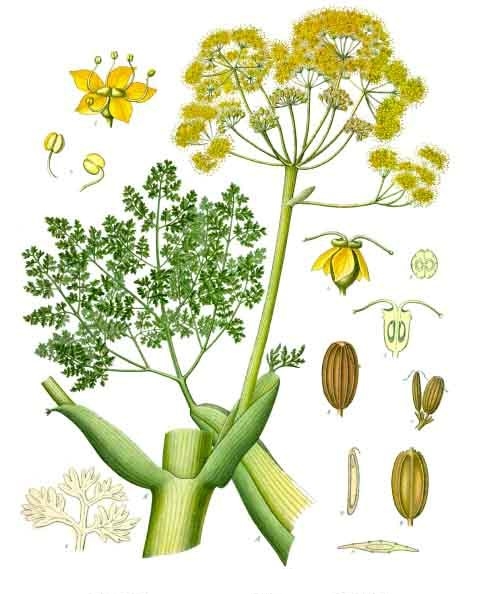
— · Iran
Ferula resin: incense ancestor of fashion green.
Galbanum (—, Iran) is still the story a counter tells when this family needs a name.
Read Galbanum as dose and geometry, not a mood board — that is how Green is argued.
An icon is a brief that other Green formulas still answer.
Origins & milestonesNotes & accordsCraft & methodCulture & meaningIcons & legendsHow to wearMarket & bottles