Skip to content Skip to a section
Oriental amber

Icons & legends

Eight bottles and noses that still define Oriental amber.

At a glance
Score intensity

Darker cells mean a higher score for this topic on that metric.

Last reviewed Sources & creditsMedia creditsMethodology

Quick answers

What is Oriental amber?

Amber, vanilla and balsam — the warm resinous night of the wheel. Not a synonym for oud.

EDP vs EDT — what changes?

Concentration is oil in alcohol, not a quality score. EDT (about 5–15%) shows more top; EDP (about 15–20%) shows more heart and base. Houses vary; this is not a lab assay.

How should I wear Oriental amber?

One or two sprays on skin or cloth — sternum or hair, not a cloud in a lift. Let it turn an hour before you add more.

Which season fits?

Cold nights, evening gold. Heat turns balsam into glue.

Does skin chemistry change it?

Yes. Warm, moist skin amplifies sweet and spice; dry or cool skin can turn the same juice woody, soapy or short. Test on your skin, not only a blotter.

What about IFRA and oakmoss?

IFRA sets industry limits on some naturals and synthetics. A reformulation is usually a legal edit, not a betrayal. This atlas is not a safety sheet.
Icons for Oriental amber are bottles and people — Nahéma, Chanel, Guerlain stay as names.

Scores below are editorial marks inside this atlas, not lab assays.

People

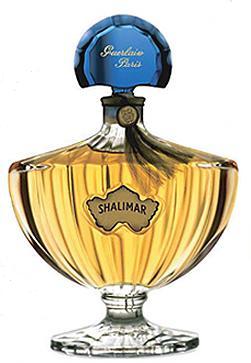
Shalimar — France
Gonna Fly Now · CC BY-SA 2.0 · Wikimedia Commons

Shalimar

1925– · France

Jacques Guerlain’s bergamot-vanilla balsam; the amber monument.

Shalimar (1925–, France) is still the story a counter tells when this family needs a name.

Read Shalimar as dose and geometry, not a mood board — that is how Oriental amber is argued.

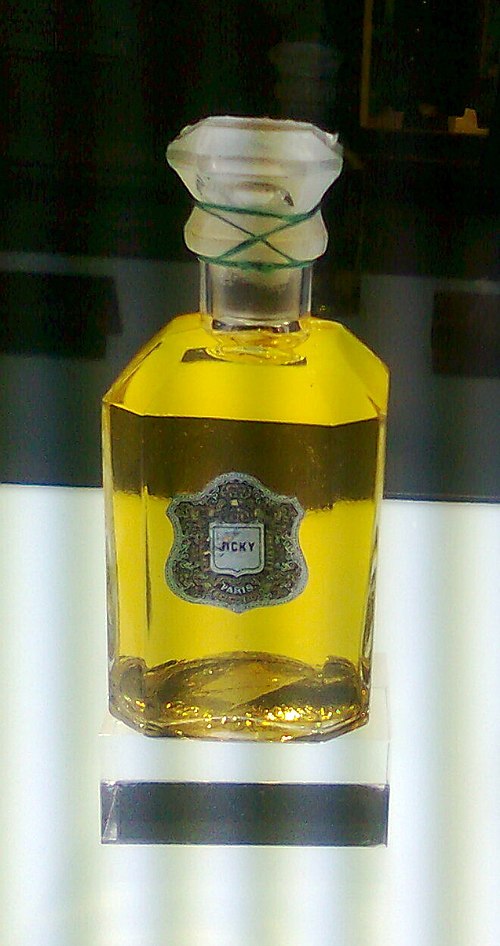
Jicky — France
Shakko · CC BY-SA 3.0 · Wikimedia Commons

Jicky

1889– · France

Aimé Guerlain’s proto-oriental: lavender, vanilla, civet.

Jicky (1889–, France) is still the story a counter tells when this family needs a name.

Read Jicky as dose and geometry, not a mood board — that is how Oriental amber is argued.

Opium

1977– · France

YSL’s spice-incense oriental; launch as theatre.

Opium (1977–, France) is still the story a counter tells when this family needs a name.

Read Opium as dose and geometry, not a mood board — that is how Oriental amber is argued.

Youth Dew — United States
Estée Lauder Companies · Public domain · Wikimedia Commons

Youth Dew

1953– · United States

Bath-oil amber that taught America balsam.

Youth Dew (1953–, United States) is still the story a counter tells when this family needs a name.

Read Youth Dew as dose and geometry, not a mood board — that is how Oriental amber is argued.

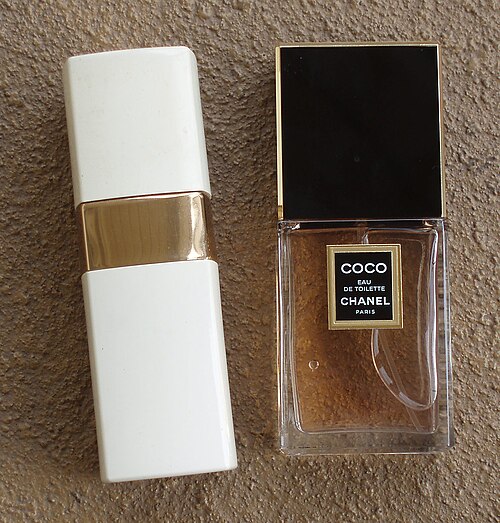
Coco — France
Paeonia · CC BY-SA 2.0 · Wikimedia Commons

Coco

1984– · France

Jacques Polge’s spicy Chanel oriental.

Coco (1984–, France) is still the story a counter tells when this family needs a name.

Read Coco as dose and geometry, not a mood board — that is how Oriental amber is argued.

Ambre Sultan

1993– · France

Labdanum-herb amber as niche doctrine.

Ambre Sultan (1993–, France) is still the story a counter tells when this family needs a name.

Read Ambre Sultan as dose and geometry, not a mood board — that is how Oriental amber is argued.

Jacques Guerlain

1874–1963 · France

Shalimar’s author; amber as cinema.

Jacques Guerlain (1874–1963, France) is still the story a counter tells when this family needs a name.

Read Jacques Guerlain as dose and geometry, not a mood board — that is how Oriental amber is argued.

Aimé Guerlain — France
Thomon · CC BY-SA 4.0 · Wikimedia Commons

Aimé Guerlain

1834–1910 · France

Jicky’s author; opened the amber door with vanillin and civet.

Aimé Guerlain (1834–1910, France) is still the story a counter tells when this family needs a name.

Read Aimé Guerlain as dose and geometry, not a mood board — that is how Oriental amber is argued.

Debate

An icon is a brief that other Oriental amber formulas still answer.

Origins & milestonesNotes & accordsCraft & methodCulture & meaningIcons & legendsHow to wearMarket & bottles