Alevi dede elders
Cem houses host music and shared meals — Islam as plural practice.
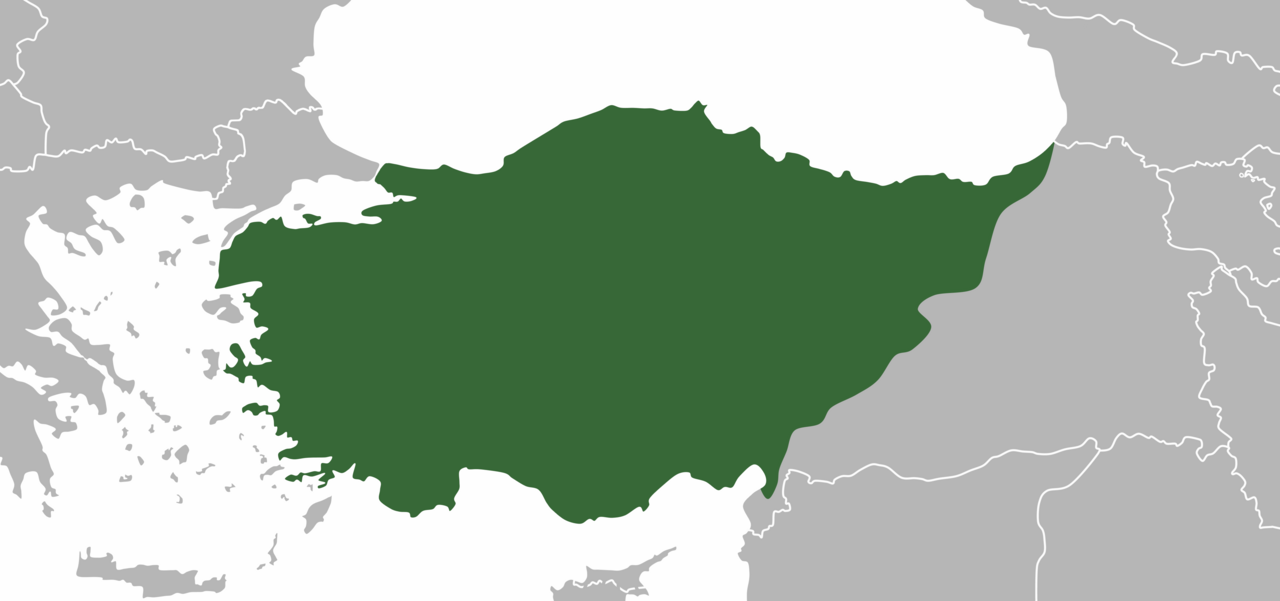
Asia Minor · Anadolu
A peninsula of Hittite ruins, Byzantine churches, Ottoman cities and living Turkic–Kurdish–Armenian memory — layered, not pure.
Milestones in order. This is history, not a weekly activity grid.
Last reviewed Sources & creditsMedia creditsMethodology
Five research punchlines — scan before you dive.
Anatolia is a geographic crossroads whose cultures stacked empires rather than replacing “races”.
Hittite, Greek, Armenian, Kurdish, Turkish and many other histories share the same valleys.
Read layers: archaeology, liturgy, cuisine and migration — never a purity story.
Early Anatolian empire leaves archives and law.
Greek polities deepen coastal urbanism.
Roman capital relocates; Christian Anatolia peaks.
Turkic political presence expands inland.
Istanbul becomes imperial hub.
Legal reforms remake subjects into citizens unevenly.
Mass violence and population transfers remake demography.
Nation-state standardizes language and schooling.
Gastarbeiter corridors remake Europe–Anatolia ties.
Istanbul’s arts scenes argue over memory and modernity.
From Hittites to republic without purity myths.
Archaeology shows continuous settlement with changing elites and languages.
Migration and conversion are normal historical processes, not racial replacements.
Turkish, Kurdish, minority and heritage tongues.
Modern Turkish is the public majority language; Kurdish and others remain vital.
Greek, Armenian and Ladino heritage languages survive in diaspora and pockets.
Wheat belt, olive coast, spice inland.
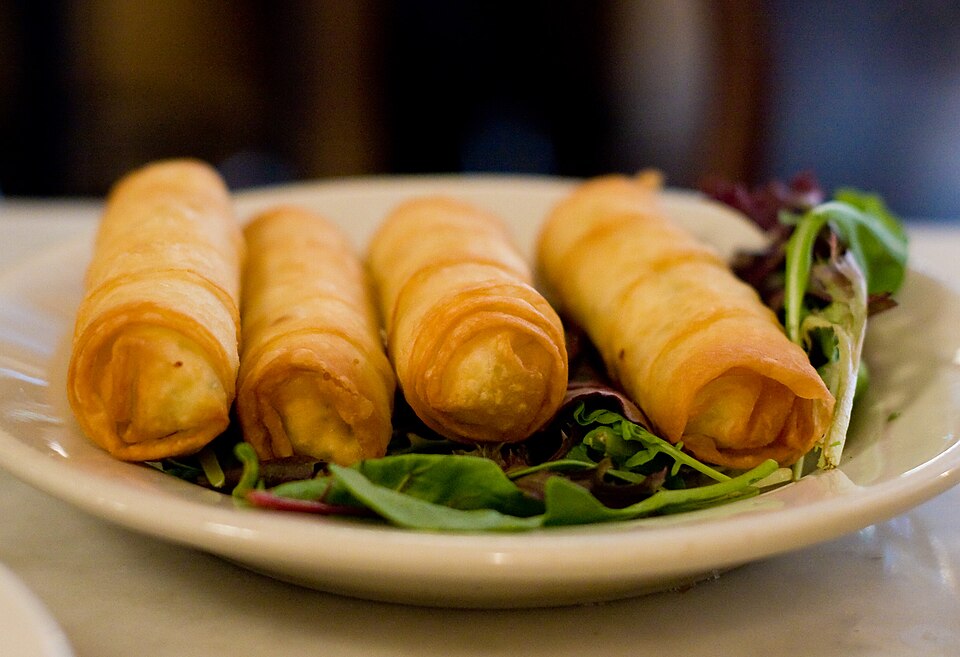
Bread, yogurt, lamb and vegetable stews vary sharply by climate band.
Street food and home meze encode regional pride without ranking peoples.
Religious calendars, republic days, local saints.
Islamic and Christian calendars historically overlapped in cities.
Republic Day and local harvest rites add civic layers.
From rock-cut churches to contemporary design.
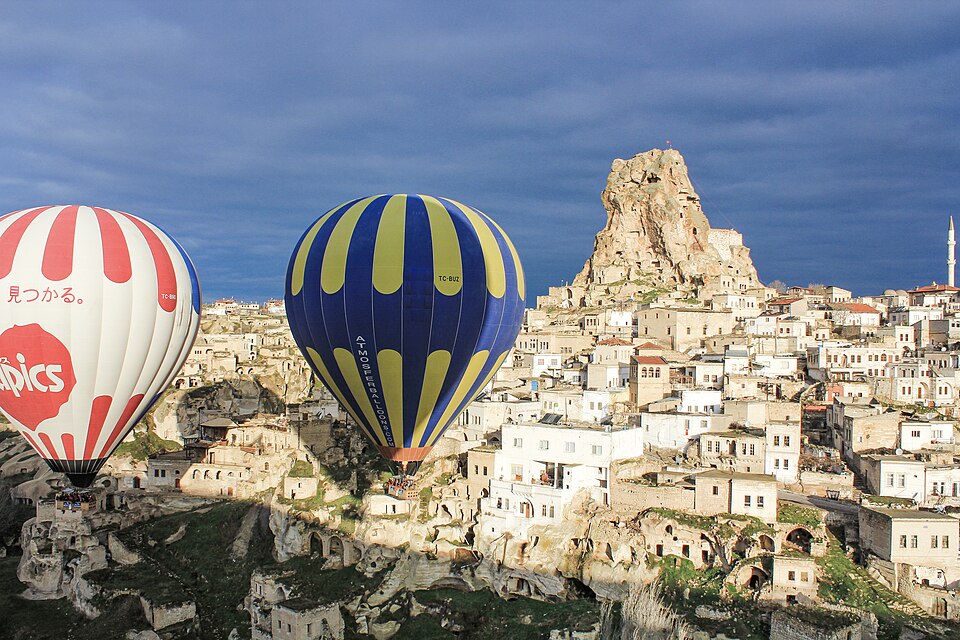
Cappadocian churches, Seljuk caravanserais and Ottoman mosques share stone craft.
Contemporary design and film remix imperial leftovers.
Urbanization, tourism, diaspora ties.
Tourism freezes some sites as postcard; residents negotiate housing and politics.
Diaspora remittances and media keep corridors open to Europe.
Named figures and living schools — culture as practice, not blood type.
Cem houses host music and shared meals — Islam as plural practice.
Oral historians preserve resistance poetry despite language bans.
Constantinople craftsmen set patterns reused under Ottoman patronage.
Regional pistachio sweets debated as craft dispute, not national essence.
Scholarly themes rewritten for curious readers — not paywalled jargon, and never a race ranking.
Treaty tablets from Hattusa show diplomacy and multilingual administration in the Late Bronze Age.
Takeaway Bureaucracy is ancient.
Research on Greek–Turkish forced exchanges measures cultural erasure sold as “unmixing” — a warning against purity politics.
Takeaway Homogenization was policy violence.
Ethnographies of cem houses document distinct ritual aesthetics inside Turkey’s plural Islam.
Takeaway Islam is not singular practice.
Studies of bans, broadcasting and schooling track how states police tongues.
Takeaway Grammar can be illegal.
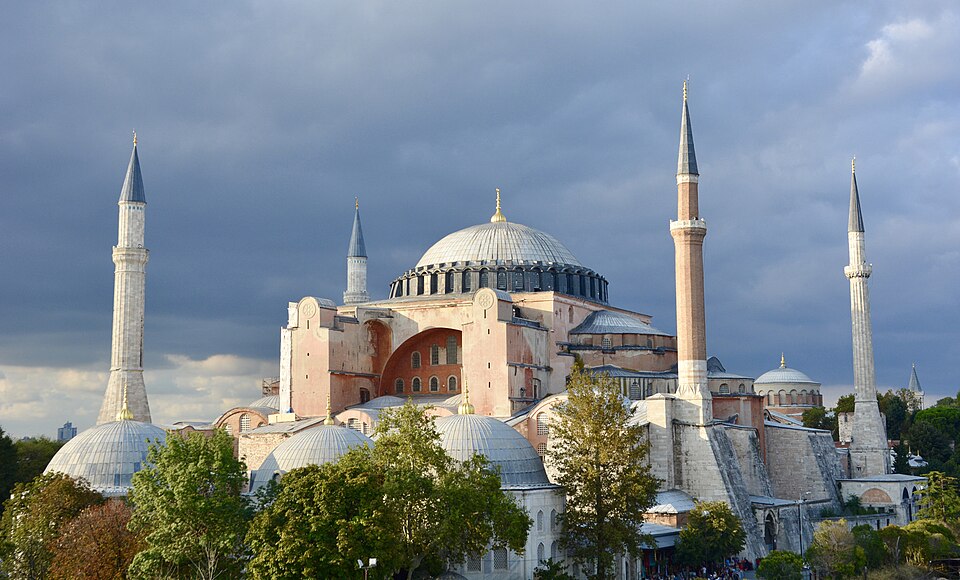
Hagia Sophia scholarship exemplifies how sacred buildings change liturgy without losing stone memory.
Takeaway Walls outlast creeds.
Books, reviews and museum trails — starting points, not a syllabus.
Ottoman history from founding to empire — Anatolia as layered polity.
Forced Greek–Turkish "unmixing" as policy violence, not natural separation.
Byzantine mosaics and Ottoman calligraphy in one shell — walls outlast creeds.
Macedonian beekeeper paralleled by Anatolian village ecology films — rural craft under pressure.
Online reference for folk arts, food and regions.
The Republic is Turkish-majority, but the peninsula’s deeper history is multilingual and multi-communal.
Twentieth-century expulsions and exchanges reshaped cities; they are political history, not biology.
Because stone, law and foodways outlived dynasties.
Integral to eastern and southeastern Anatolia; treat it as living culture, not a side note.
Architecture, liturgy and memory remain part of the peninsula’s story despite catastrophe and exile.
No. Geography and culture only.
Regional breads and meze show local ecology more than national essence.
Mediterranean and Caucasus culture pages; trade-routes atlas.