Aksumite coin minters
Early African state minted currency for Red Sea commerce.
Somali Peninsula · Northeast Africa
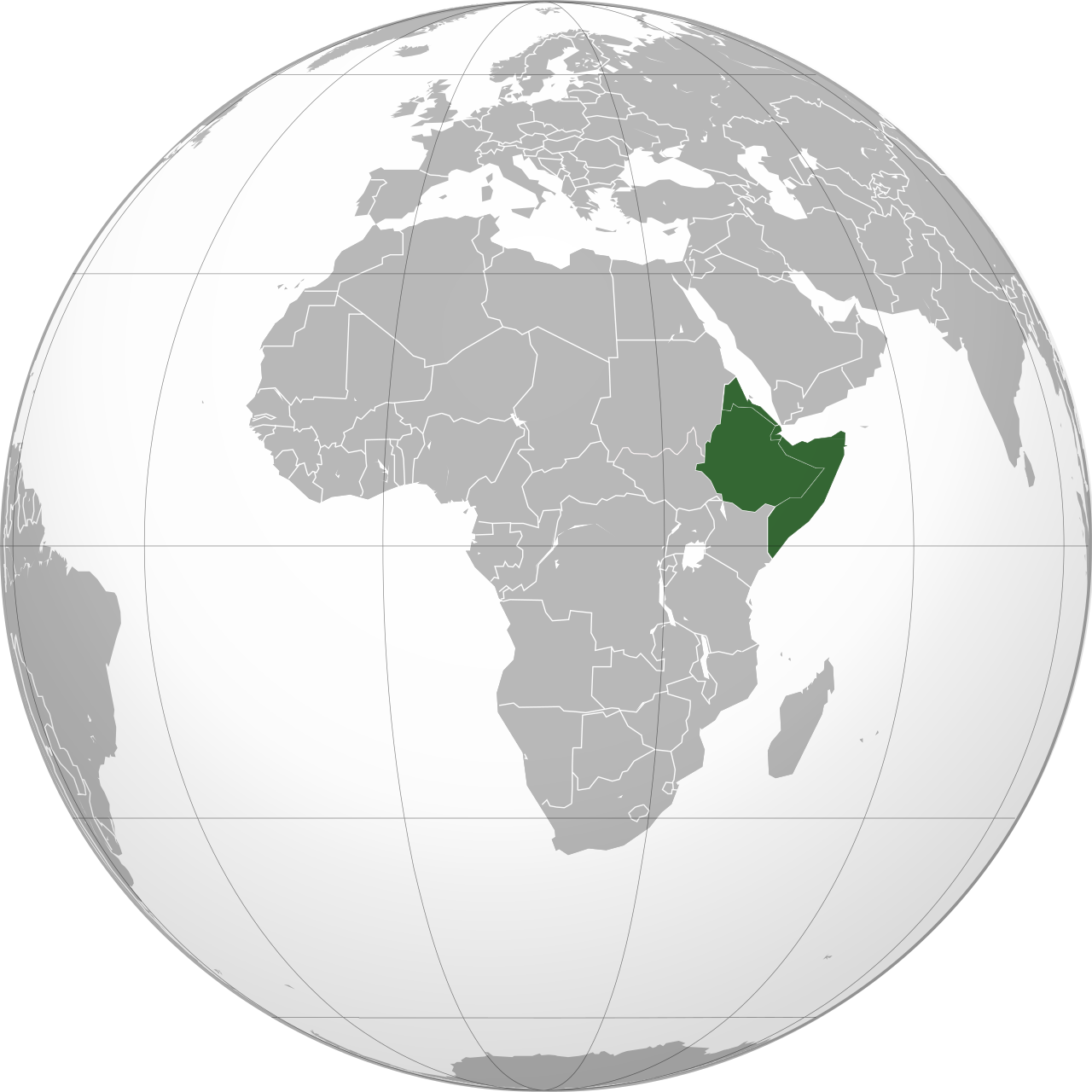
Coffee, Geʿez liturgy, Somali verse and Red Sea trade — cultures of the Horn without racial ranking.
Milestones in order. This is history, not a weekly activity grid.
Last reviewed Sources & creditsMedia creditsMethodology
Five research punchlines — scan before you dive.
The Horn links highland Christian kingdoms, Somali pastoral-urban networks and Red Sea commerce.
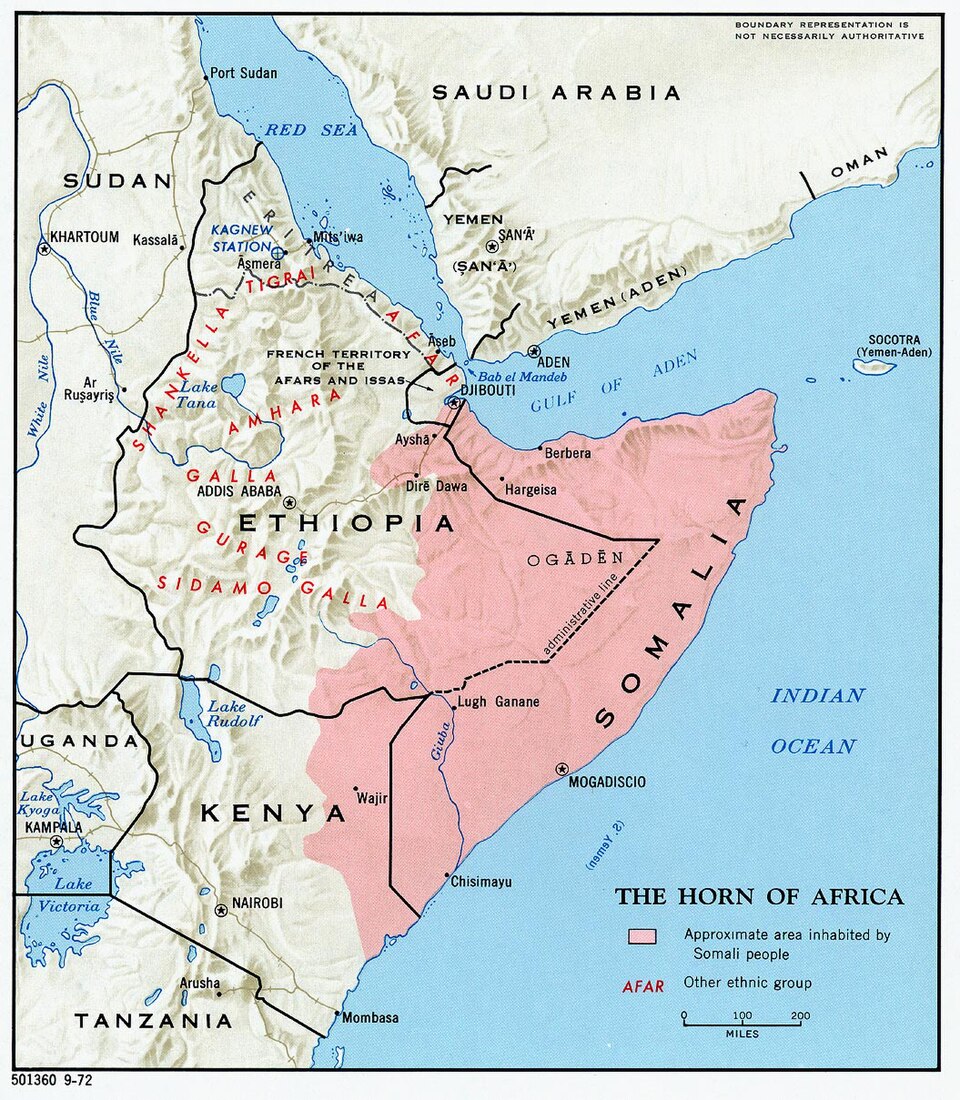
Languages and liturgies are diverse; colonial borders cut across older routes.
This page refuses racial caricatures of the region.
Highland polities enter Red Sea trade.
Coinage and Christianization reshape the highlands.
Ports and Somali towns join Indian Ocean Islam.
Rock-hewn churches mark Zagwe devotion.
External empires contest the Red Sea.
Italy, Britain, France draw new borders.
Republic experiments begin.
Ethiopian revolution remakes the state.
Somalia’s state collapse accelerates diaspora.
Verse and pop travel WhatsApp corridors.
Highlands, coasts and pastoral networks.
Altitude and monsoon coasts created different ecologies and polities.
Trade in incense, slaves and later coffee tied the Horn to Arabia and India.
Afroasiatic diversity without race labels.
Cushitic, Semitic and Omotic languages coexist; Somali and Amharic media dominate differently.
Geʿez remains liturgical; Latin and Osmanya orthographies compete historically.
Injera, stews, pasta and camel dairy.
Highland fermented flatbreads and spice blends differ from coastal pasta and rice dishes.
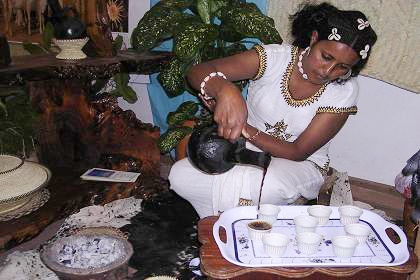
Coffee ceremony structures hospitality.
Timket, Eid, poetry contests.
Epiphany processions and Eid celebrations mark different communities sharing cities.
Poetry contests remain prestige arenas.
Icons, textiles, verse.
Highland icon painting and cross design sit beside Somali oral epic craft.
Contemporary photographers document war and joy without exoticism.
Ports, platforms, peace talks.
Logistics corridors and social media remake youth culture faster than ministries.
Climate stress and politics remain entangled with cultural production.
Named figures and living schools — culture as practice, not blood type.
Early African state minted currency for Red Sea commerce.
Illumination and chant as church craft — African Christianity as local art.
Alliterative verse argues politics at weddings and online — rhyme as parliament.
Roasting, grinding and three rounds mark guest honor — coffee as social infrastructure.
Scholarly themes rewritten for curious readers — not paywalled jargon, and never a race ranking.
Aksum research places the highlands in Red Sea–Indian Ocean circuits with local coin issues.
Takeaway African states minted modernity early.
Liturgical studies show a classical tongue sustained by church education long after speech shift.
Takeaway Sacred languages are schools.
Analyses of poetry contests treat verse as political argument and historical record.
Takeaway Rhyme can be parliament.
Detailed ritual studies of buna preparation map hospitality, time and gender labor.
Takeaway Coffee is social infrastructure.
Borderland research shows how Italy/Britain/France lines cut grazing and kinship routes still contested.
Takeaway Maps wound.
Books, reviews and museum trails — starting points, not a syllabus.
Accessible history of highland states, Christianity and trade.
Church education sustaining a classical tongue after speech shift.
Hominin fossils beside Aksumite coins — deep time and statehood together.
Cinema history pieces on Addis Ababa studios — culture under revolution.
Gabay and hees collections with translation notes.

No — Ethiopian, Eritrean, Somali, Djiboutian and many smaller communities differ.
Ethiopia is central to coffee’s cultural history; ritual differs from commodity export.
No. Language families are not subspecies.
Politics and drought matter; they do not define cultural essence.
Major communities in North America, Europe and the Gulf reshape food and media.
Pentatonic highland forms and Somali gabay poetry are distinct arts.
East Africa culture page; trade-routes atlas.
Rejected here. Biology belongs on diversity pages as clines, not Horn stereotypes.