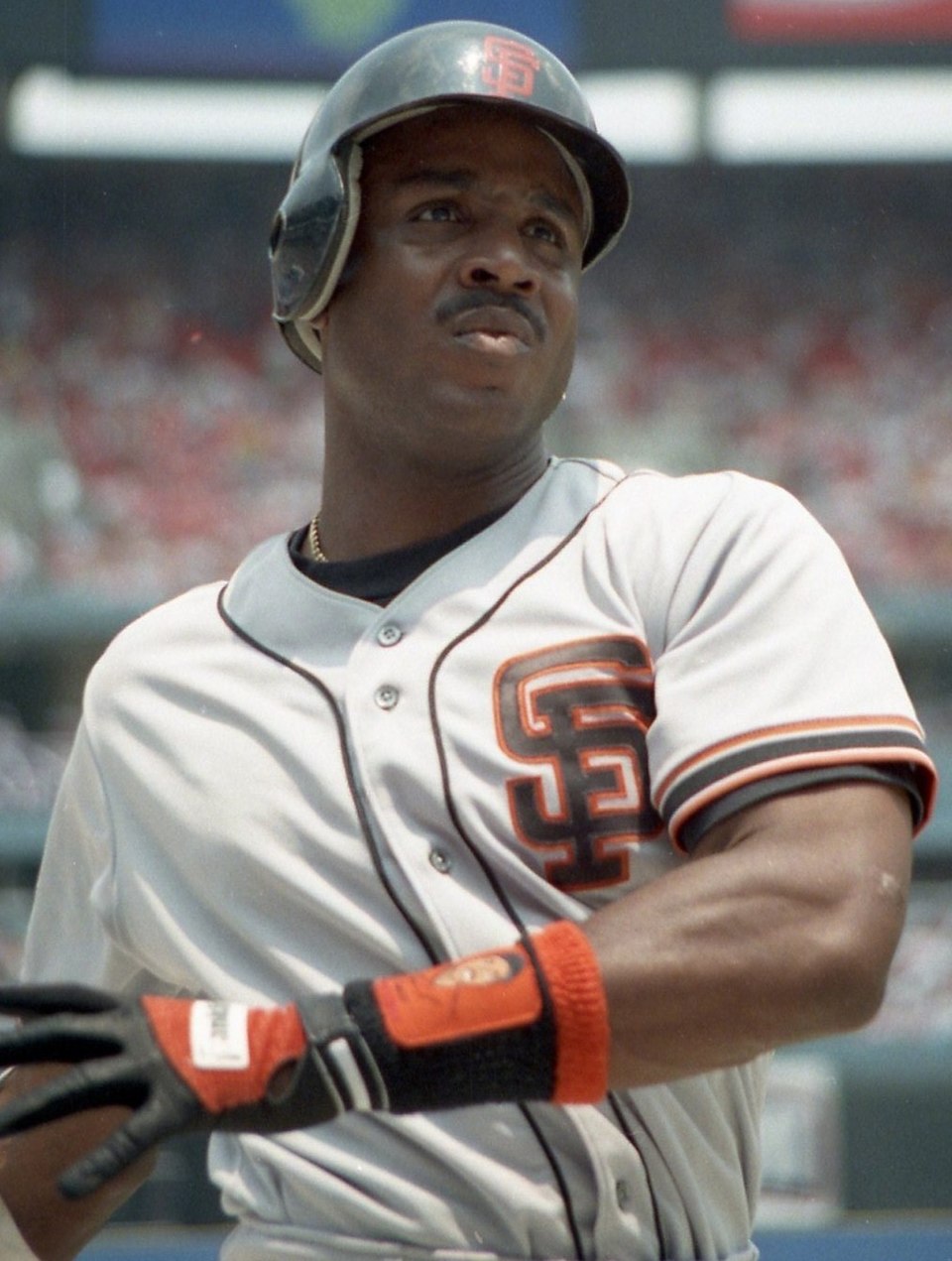
Barry Bonds
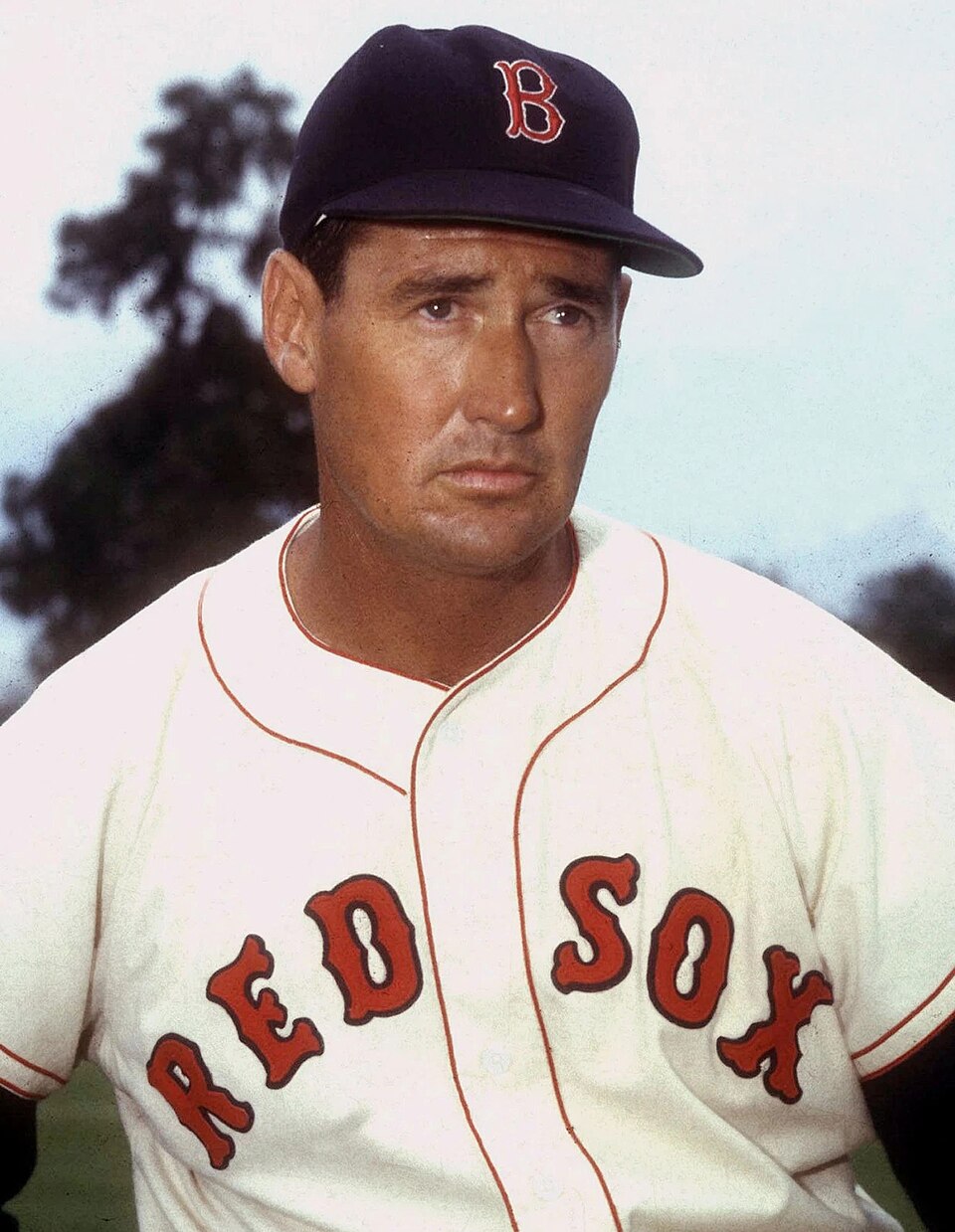
Ted Williams
Stat by stat
Bars are scaled to the leader in this list.
The verdict
Barry Bonds leads 2 of 3 categories. Our all-time ranking places Barry Bonds at #3 and Ted Williams at #5.
Head-to-head FAQ
Who leads more shared metrics?
How do the published ranks compare?
Are these live stats?
The case for Barry Bonds
The record book says Bonds is the greatest hitter who ever lived: 762 home runs, 73 in a single season (2001), seven MVP awards when no one else has more than three, 2,558 walks, and the only 500-homer, 500-steal career in history. His 2001-2004 peak is statistically unmatched by anyone including Ruth — in 2004 he reached base at a .609 clip, walked 232 times (120 intentionally), and posted a 1.422 OPS. The BALCO scandal is why he sits third rather than first, and why he never reached the Hall of Fame despite ten years on the ballot. The honest accounting: Bonds had accumulated three MVPs, eight Gold Gloves, and roughly 100 WAR — an inner-circle career — before the period his trainers' indictments cover began around 1999. He was an all-time great who then chemically extended and elevated his peak; both clauses are true, and any ranking must hold them together.
The case for Ted Williams
The purest hitter in history by nearly any rate measure. Williams's career .482 on-base percentage is the all-time record, his 1.116 OPS trails only Ruth, and his .344 average came with 521 home runs — power and discipline fused as no one has fused them since. He hit .406 in 1941, the last .400 season, famously refusing to sit on the final day and going 6-for-8 in a doubleheader to finish there. He won two Triple Crowns (1942, 1947) and somehow lost the MVP vote both times. The counterfactual defines him: he missed all of 1943-45 training as a naval aviator during World War II and most of 1952-53 flying combat missions as a Marine pilot in Korea, costing him roughly five prime years. Conservative projections put his career at 650-plus homers and near 3,300 hits. He hit .388 at age 38 and homered in his final at-bat in 1960.