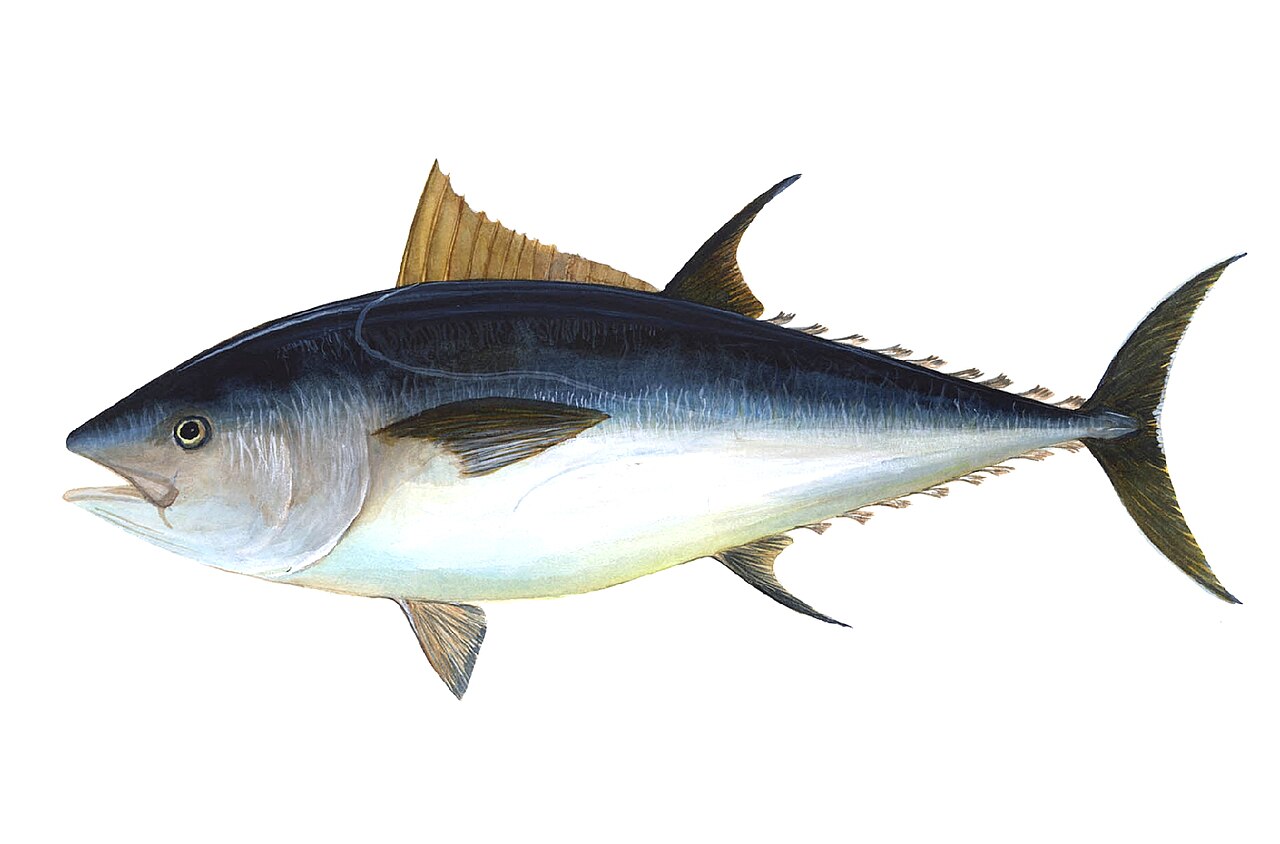
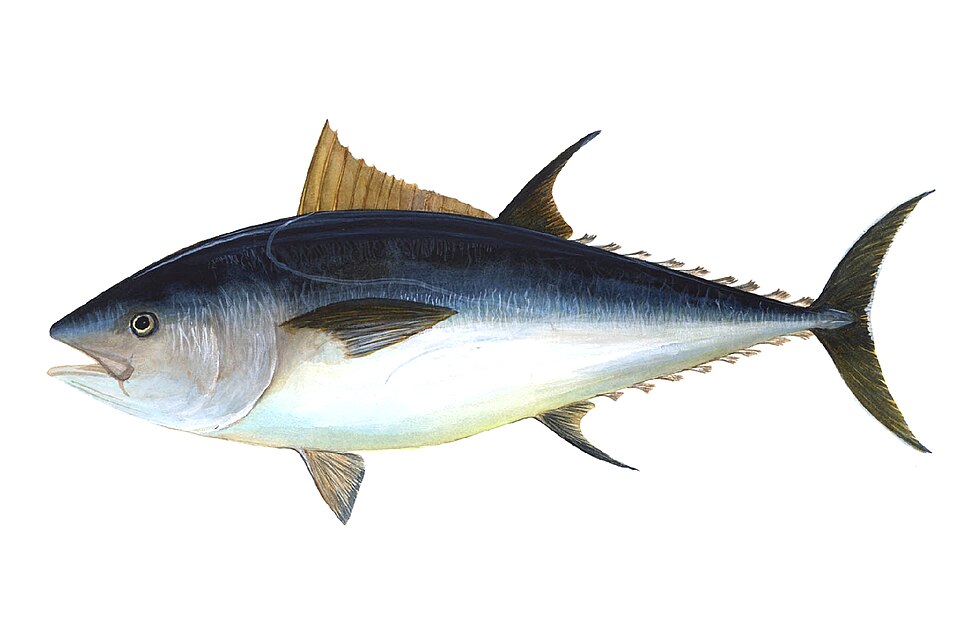
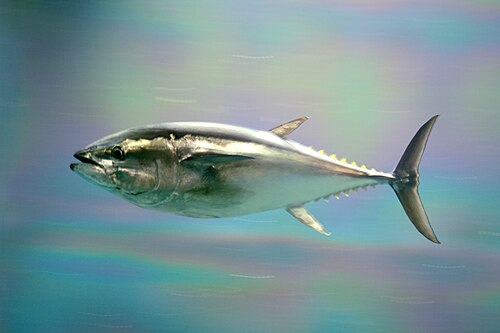
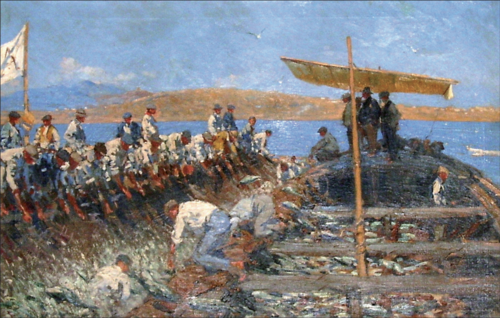
Atlantic bluefin tuna is one of 24 types in this animals atlas. The pages treat it as a full system -- history, anatomy, operating principles, culture, icons, future pressure and market shape -- not a ranking of a best species.
Scores compare the atlantic bluefin tuna with the other 23 types on speed, intelligence, range, resilience, cultural impact and ecological role. They are relative editorial marks. Resilience high means more secure; low means threatened. Atlantic bluefin was a textbook overfish; some stocks rose after 2010s quotas while Pacific bluefin remained a separate tight ledger.
Seven chapters follow: origins, systems, how the animal works, cultural life, named icons, what conservation can still change, and how tourism, conflict, fisheries and parks move money.
Deep introduction
Deep dive: Atlantic bluefin tuna
Atlantic bluefin tuna is not a single postcard animal. It is a set of populations, subspecies and human rules inside the fish family of this atlas.
Diversity, bodies, culture and ranges — plus a lens tuned to this language region.
Diversity inside the type
Field guides collapse many lineages into the word atlantic bluefin tuna. Subspecies, flyways and captive lines do not share one fate.
This atlas picks a Wikipedia title as the hero image and then keeps the rest of the grade in view so a recovered stock cannot launder a Critically Endangered cousin.
Life in the landscape
A fusiform thunnid with retractable fins and a keel. Rete mirabile keep swimming muscle warm; the heart is built for a high-output cruise.
Schooling forage fish and squid, taken at speed. Fat deposited for a sashimi market is the same fat that funds a transatlantic spawn.
Culture and meaning
Culture met the atlantic bluefin tuna through film, law, heraldry, zoos and local story. Those portrayals move money and sometimes take; they are not a field census.
The culture chapter dates posters and statutes so a 1975 film or a 1961 logo cannot pretend to be a 2020s Red List.
Conservation and money
Atlantic bluefin was a textbook overfish; some stocks rose after 2010s quotas while Pacific bluefin remained a separate tight ledger.
Tourism, conflict payments, quotas and captive loans are dated economic bands in the market chapter -- not live prices and not a best-species prize.
Life-science deep dive
Biology deep dive: Atlantic bluefin tuna
Atlantic bluefin tuna biology is a stack of structure, energy, sensing and hard limits. The four sections below are the same headings used across the atlas so types can be compared without a best-species frame.
Anatomy, senses, behaviour and limits — plus field language for this region.
Structure
A fusiform thunnid with retractable fins and a keel. Rete mirabile keep swimming muscle warm; the heart is built for a high-output cruise.
Load paths and tissues (not metals) are expanded in the anatomy chapter.
Energy and foraging
Schooling forage fish and squid, taken at speed. Fat deposited for a sashimi market is the same fat that funds a transatlantic spawn.
The how-it-works diagrams reduce that budget to a six-node loop.
Senses and control
Vision in clear pelagic light and a lateral line for school chaos. Heat in the eye and brain is part of the thunnid hunting kit.
Control here means the animal steering itself -- not a machine dashboard.
Limits
A price per kilogram that outruns patrol boats. Slow rebuilding if a year-class is seined for cages.
Resilience scores encode those limits relative to the other 23 types.
Four other atlas types, six terms, three threads and three local notes -- a map out of the atlantic bluefin tuna page without leaving the 24-id taxonomy.
See-also species, key terms, adjacent threads and regional notes for this language.
See also
🦈Great white sharkFellow regional endotherm; both rode 20th-century industrial gear.
🐟SalmonAnother migratory food fish whose law is written in treaties.
🐡PufferfishJapanese high-cuisine fish with a different risk (toxin vs quota).
🪽AlbatrossLongline neighbour -- tuna sets are the hooks ACAP also counts.
Key terms
ICCAT
International Commission for the Conservation of Atlantic Tunas -- the quota house since 1969.
Ranching
Wild-caught juveniles fattened in Mediterranean cages for a later sashimi date.
Hon-maguro
Japanese market name for bluefin -- the auction celebrity.
CCSBT
Commission for the Conservation of Southern Bluefin Tuna -- a different species, same price logic.
Toyosu
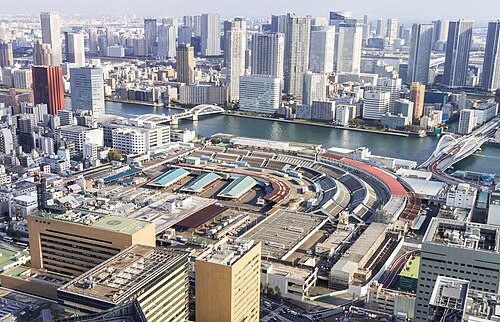
Tokyo market that replaced Tsukiji inner auction in 2018; January first-sale headlines persist.
Electronic catch document
ICCAT paper trail after the 2000s illegal-trade exposes.
Habitat and movement
Where the atlantic bluefin tuna breeds and feeds is the first constraint. Single lakes, islands and forests appear again in the history timeline.
Range scores in this atlas mark how widely that movement runs -- albatross and blue whale high, koi and panda low -- not a quality ranking.
Research and law
Named projects (Project Tiger, ACAP, ICCAT, Amboseli) are the conservation bureaucracy of the type.
Listings and downlists are dated events in the timeline, not eternal essences.
Culture and price
Film, auction and logo years are filed under culture and market so they cannot masquerade as demography.
The icons chapter keeps eight real Wikipedia titles so a later language pack can attach the same faces.
Visual field notes
Licensed photographs of this species — heroes, eras and icons on one wall.
No. First-sale theatrics at Tsukiji/Toyosu are marketing. ICCAT indices and spawning-stock biomass are the management numbers.
Did Atlantic bluefin recover in the 2010s?
Eastern Atlantic/Mediterranean quotas and enforcement improved some indices after a crash. Recovered is a press word; scientists speak in probabilities and two stocks.
What is Mediterranean ranching?
Purse seines catch live fish for fattening cages. It can hide juvenile take inside a farmed label.
Why did Carl Safina write about bluefin?
Song for the Blue Ocean (1997) and later essays treated giant tuna as a governance failure, not a recipe.
Is Pacific bluefin the same fight?
Thunnus orientalis is a different species under WCPFC/IATTC math. The sushi case looks identical; the commissions do not.
How fast and warm is a bluefin?
Burst speeds exceed 60 km/h. Regional endothermy lets the fish hunt in colder water than most tunas.
What did Seafood Watch change?
Monterey Bay Aquarium cards made bluefin a red-list menu item in US restaurants long before some stocks ticked up.
Are there spawning grounds still in the Gulf of Mexico?
Western stock spawning in the Gulf remains a closed-area and oil-spill argument after 2010 Deepwater Horizon papers.
Role, not a winner
Conservation literacy. Not a live IUCN fetch.
Embed this ranking
Paste this code into your blog or site — the ranking stays up to date.
Copied!
Similar species
Closest neighbours on the six atlas axes — speed, intelligence, range, resilience, culture and ecological role.