CAPS / structured interview
Gold-standard symptom assessment.
PTSD · Trauma memory, hyperarousal and avoidance — how threat learning overgeneralises and how evidence-based care supports recovery.
Reviewed 2026-08·Sources & research·Methodology·Media credits
Darker cells mean a higher score for this topic on that metric.
LessMore
Last reviewed Sources & creditsMedia creditsMethodology
Read Overview → Anatomy → Function, then use compare rails.
Educational atlas — not a diagnosis, treatment plan, or medical advice.
It names everyday desks for Disorders before English norms look universal.
No — editorial 0–100 browsing aids inside this atlas only.
Use related cards and best-of / quiz rails after the first three chapters.
Anatomy and Function carry mechanisms; skim Overview first.
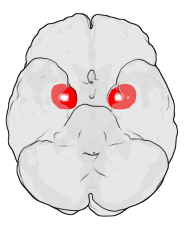
Methods include structured interviews, psychophysiology, imaging, genetics and randomised trials of trauma-focused therapies.
Educational neuroscience context only — not medical advice, diagnosis or a substitute for emergency or clinical care. If you are in crisis, seek local emergency services or a licensed clinician.
Gold-standard symptom assessment.
Progress tracking — not standalone diagnosis.
Mechanistic probes of threat learning.
Map amygdala–PFC–hippocampus dynamics.
Quantify hyperarousal objectively.
Evidence base for trauma-focused care.
Therapist-guided, graded, monitored.
Target stuck points in trauma meaning.
Separate nonspecific factors from mechanisms.
Track who recovers without full PTSD.
Combat ≠ assault ≠ disaster biologically or socially.
Overlaps with anxiety and depression circuitry.
Many never seek care despite impairment.
Online quizzes are not diagnoses; DIY exposure is not treatment.
Progressive dementia driven by protein pathology and network failure.
Research 74 🤲Dopamine circuit loss, movement symptoms and non-motor features.
Research 54 ⚡Sudden vascular injury — time, territory and the race to recover.
Research 64 ⚡Hyperexcitable networks, seizures and modern treatment options.
Research 95 🌧️Mood circuits, stress biology and evidence-based interventions.
Research 66 🌀Perception, belief and cognition when predictive models go awry.
Research 93 💢Sensory gain, aura and the brain’s recurrent pain networks.
Research 74 📱Attention control, impulsivity and developmental self-regulation.
Research 51 🧩Neurodevelopmental diversity in social communication and sensory processing.
Research 89 🧬Immune attack on myelin — disconnection across white-matter highways.
Research 80 🩹Mechanical insult, diffuse injury and the long arc of recovery.
Research 87 🔁Compulsive seeking when reward prediction and control circuits tip.
Research 69 😰Threat circuitry, worry loops and avoidance — how brains over-predict danger and how care can recalibrate risk.
Research 86 ⚖️Mania, depression and the networks between — mood-state biology, sleep disruption and evidence-based stabilising care.
Research 84