Extreme diversity
Thousands of taxa per gram, mostly uncultured.
Soil microbes — The hidden workforce of land — decomposers, mycorrhizae and a mostly uncultured majority.
Darker cells mean a higher score for this topic on that metric.
LessMore
Last reviewed Sources & creditsMedia creditsMethodology
Read Identity → How they live → Body & health, then use compare rails.
Public-health education — not a care plan, prescription, or outbreak briefing.
It names everyday desks for Beneficial allies before English norms look universal.
No — editorial 0–100 browsing aids inside this atlas only.
Use related cards and best-of / quiz rails after the first three chapters.
How they live and Body & health carry mechanisms; skim Identity first.
Aggregates create anaerobic pockets beside oxygenated films. That architecture is why one gram is a city.
Winogradsky columns in classrooms show coloured layers of metabolism. They are teaching theatres, not pathogen kits.
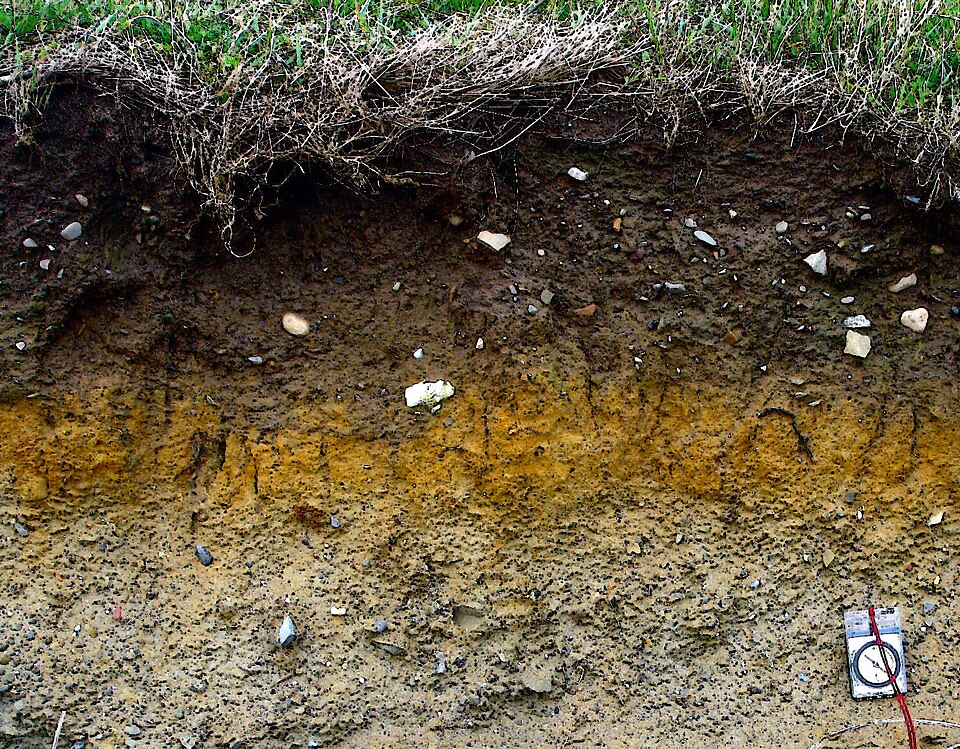
Thousands of taxa per gram, mostly uncultured.
Pores hold water films and air.
Most land plants quietly pay fungi for phosphorus.
Actinomycetes gave clinics streptomycin. History, not a DIY lab.
Amoebae eat bacteria and release plant-available nutrients.
Pathogens are a thin slice. Cycles are the main plot.
Once you see soil as alive, bleach-the-garden advice sounds like deleting a library.
A diverse intestinal community fed by fibre — not a single ideal species list and not a wellness shop.
Familiarity 88Live microbes in food or capsules — strain-specific guests, not a whole microbiome and not medical advice.
Familiarity 90Microbes turning food into kimchi, doenjang, yoghurt and other living crafts — chemistry plus culture.
Familiarity 85A site-specific living film — oily, moist and dry neighbourhoods, not a sterile wrapper.
Familiarity 62How microbes move nitrogen between air, soil, water and food — plus the industrial shortcut that feeds billions.
Familiarity 40