Afrikanischer Elefant ist eine der 24 Arten in diesem Atlas. Kein Katalog: Evolution, Anatomie, Verhalten, Kultur, Ikonen, Schutz und Areal sind ein System.
Scores vergleichen Tempo, Intelligenz, Areal, Resilienz, kulturellen Einfluss und ökologische Rolle. Redaktionelle Relativwerte, kein Laborranking.
Sieben Kapitel graben nach: Ursprünge, Körper und Sinne, Leben und Verhalten, Kultur, Ikonen, Schutzdruck und das mit Menschen geteilte Areal.
Tiefe Einführung
Tiefgang: Afrikanischer Elefant
Afrikanischer Elefant ist kein Postkarten-Tier. Es ist ein Satz von Populationen, Unterarten und menschlichen Regeln in der Familie Wildtiere dieses Atlas.
Vielfalt, Körper, Kultur und Areale — plus eine Linse für diese Sprachregion.
Vielfalt im Typ
Feldführer falten viele Linien in das Wort Afrikanischer Elefant. Unterarten, Zugwege und Haltungslinien teilen nicht ein Schicksal.
Dieser Atlas wählt einen Wikipedia-Titel als Heldenbild und lässt den Rest der Stufe sichtbar, damit ein erholter Bestand keine vom Aussterben bedrohte Cousine wäscht.
Life in the landscape
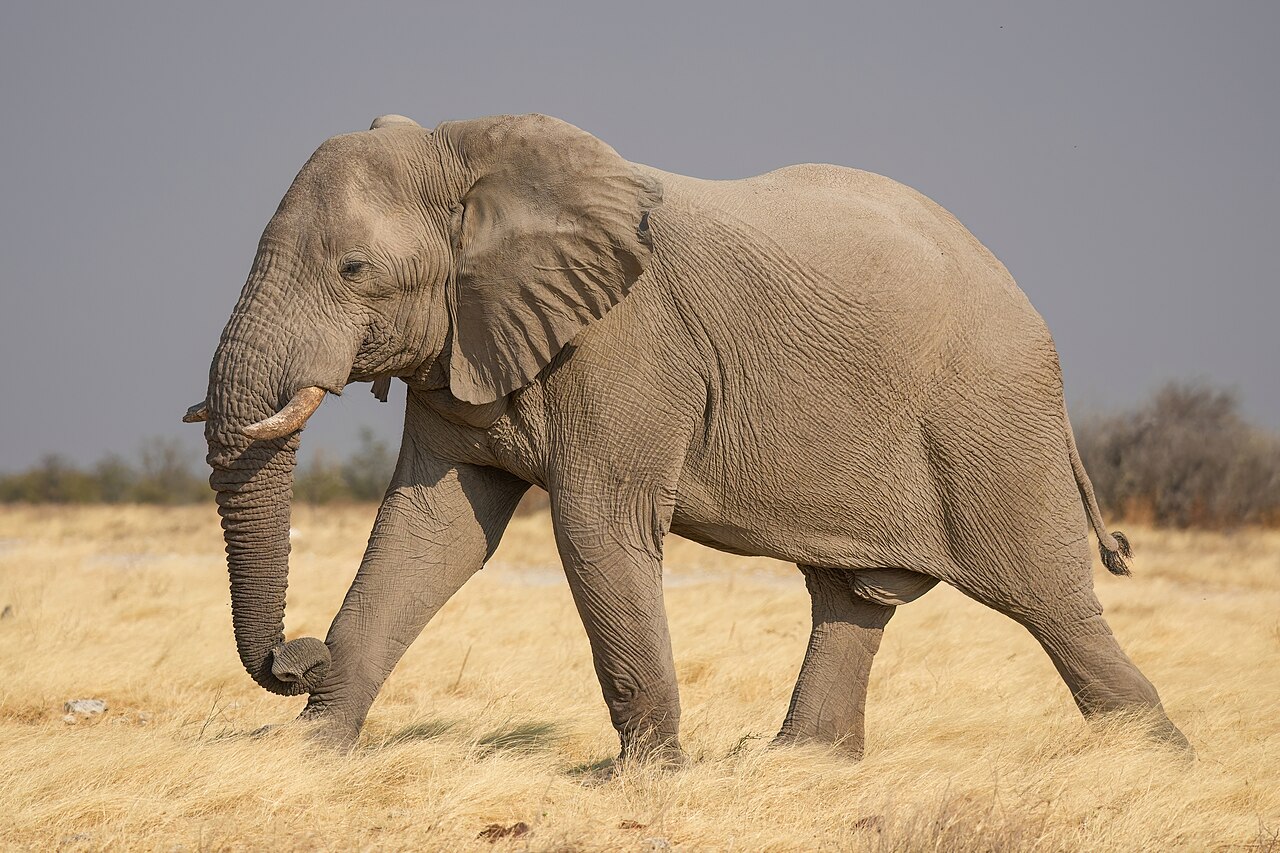
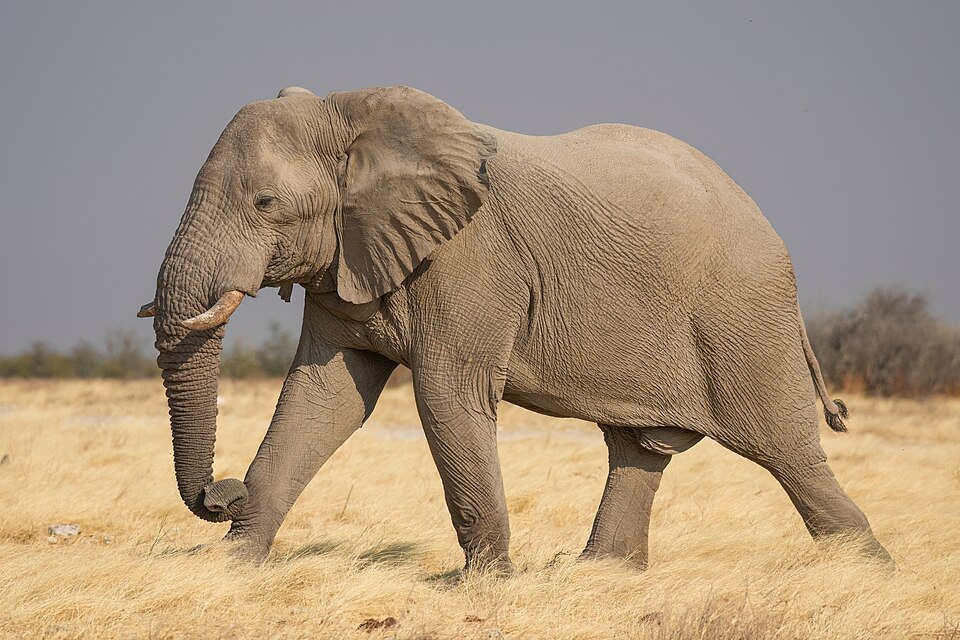
Pillar legs, a trunk of tens of thousands of muscle units, and tusks that are incisors. Heat dumps through ears; the brain is large and long-memoried.
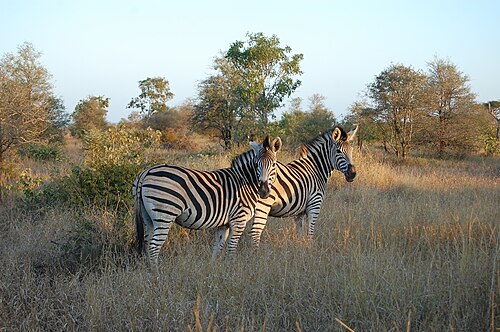
A daily mass of grass, browse and bark. Engineers open woodland and dig wells that other species drink -- the ecological-role reason.
Kultur und Bedeutung
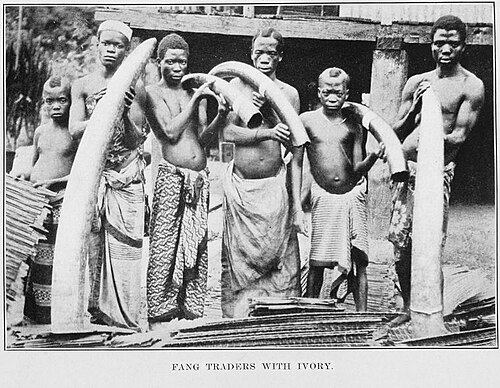
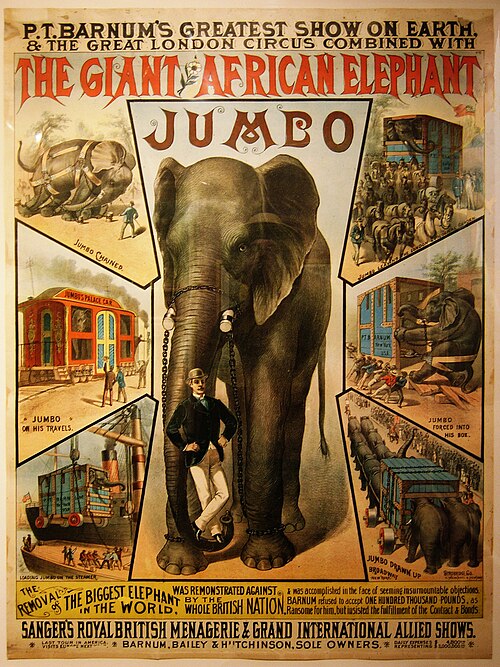
Film, Recht, Heraldik, Zoos und lokale Geschichte trafen Afrikanischer Elefant. Diese Bilder bewegen Geld; sie sind keine Feldzählung.
Das Kulturkapitel datiert Plakate und Gesetze, damit ein Film von 1975 oder ein Logo von 1961 nicht als Rote Liste der 2020er auftreten.
Conservation and money
Savanna elephant Endangered (2021 assessment); forest elephant separately Critically Endangered. Ivory and habitat loss are the twin ledgers.
Tourism, conflict payments, quotas and captive loans are dated economic bands in the market chapter -- not live prices and not a best-species prize.
Lebenswissenschaftlicher Tiefgang
Biologie im Tiefgang: Afrikanischer Elefant
Die Biologie von Afrikanischer Elefant stapelt Struktur, Energie, Sinne und harte Grenzen. Die vier Abschnitte nutzen dieselben Atlas-Überschriften, damit Typen ohne Best-Species-Rahmen vergleichbar bleiben.
Anatomie, Sinne, Verhalten und Grenzen — plus Feldsprach dieser Region.
Structure
Pillar legs, a trunk of tens of thousands of muscle units, and tusks that are incisors. Heat dumps through ears; the brain is large and long-memoried.
Load paths and tissues (not metals) are expanded in the anatomy chapter.
Energy and foraging
A daily mass of grass, browse and bark. Engineers open woodland and dig wells that other species drink -- the ecological-role reason.
The how-it-works diagrams reduce that budget to a six-node loop.
Senses and control
Infrasound rumbles, smell, and a trunk that is a hand. Musth rewrites male social smell.
Control here means the animal steering itself -- not a vehicle ECU.
Limits
Ivory price, fences, and maize. A full park does not cancel an EN assessment.
Resilience scores encode those limits relative to the other 23 types.
Four other atlas types, six terms, three threads and three local notes -- a map out of the Afrikanischer Elefant page without leaving the 24-id taxonomy.
Siehe-auch-Arten, Begriffe, Nachbarfäden und Regionalnoten für diese Sprache.
Siehe auch
🦁LöweSavanna neighbour in the same tourist and conflict economy.
🐋BlauwalAnother giant managed by a 20th-century international kill-then-ban arc.
🦍GorillaAfrican forest megafauna with a different social science (Fossey vs Moss).
🐅TigerAnother EN flagship whose national projects (India vs several African states) diverge.
Schlüsselbegriffe
CITES 1989 ban
International commercial ivory trade ban -- the year the maps changed, not the poaching.
Amboseli
Cynthia Moss long-term study -- named matriarchs as data, not only stories.
Musth
Male testosterone and temporal-gland state that rewrites who may approach a female.
Tusker
Large-tusked bull; poaching selects against the trait.
Iain Douglas-Hamilton
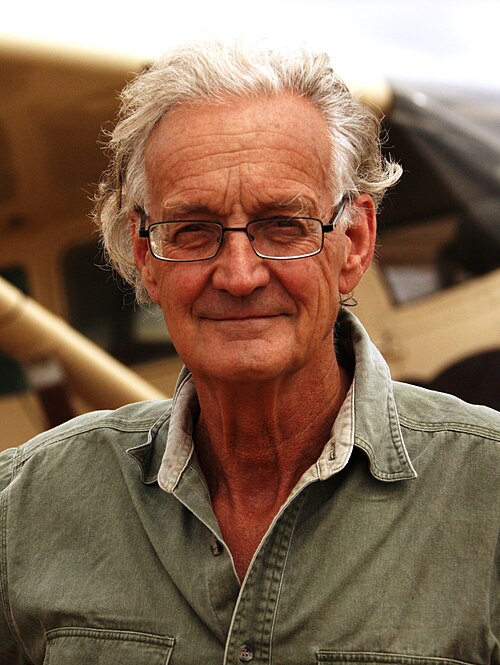
Save the Elephants; aerial counts and later collar work.
Culling debate
Kruger and others -- density versus ethics, still unfinished.
Habitat and movement
Where the Afrikanischer Elefant breeds and feeds is the first constraint. Single lakes, islands and forests appear again in the history timeline.
Range scores in this atlas mark how widely that movement runs -- albatross and blue whale high, koi and panda low -- not a quality ranking.
Research and law
Named projects (Project Tiger, ACAP, ICCAT, Amboseli) are the English-language bureaucracy of the type.
Listings and downlists are dated events in the timeline, not eternal essences.
Culture and price
Film, auction and logo years are filed under culture and market so they cannot masquerade as demography.
The icons chapter keeps eight real Wikipedia titles so a later language pack can attach the same faces.
Visuelle Feldnotizen
Lizenzierte Fotos dieser Art — Helden, Epochen und Ikonen an einer Wand.
Giles LaurentGiles LaurentGiles LaurentOriginal: Ndovultome ; Derivative work: Nagae IkuUnknown via Fleming H. Revell CompanyUnknown author Unknown authorNithin bolar k
Das Profil
Tempo36
Intelligenz91
Areal43
Resilienz17
Kultureller Einfluss79
Ökologische Rolle97
Anatomie gegen Verhalten heften
Wählen Sie ein Anatomiesystem und eine Betriebsfakt, die schon auf dieser Artseite stehen. Ein Lesepaar — kein Siegerbrett.
Lesehilfe in diesem Atlas. Feldbiologie und örtliches Recht entscheiden jede echte Begegnung. Kein Live-Feed.
Why bush elephant, not African elephant in general?
The taxonomy wiki is African bush elephant. Forest elephants (L. cyclotis) were widely recognised as a separate EN/CR story in the 2021 IUCN assessments.
What did the 1989 ivory ban do?
It collapsed legal international commercial trade. Domestic markets, stockpiles and later one-off sales (2008) kept the argument alive. Poaching did not end in 1989.
Who is Cynthia Moss in this file?
Amboseli Elephant Research Project since 1972 -- matrilines with names and decades of calves, the opposite of an anonymous ivory graph.
Are elephants the highest ecological-role score for a reason?
They open woodland, dig water, disperse seeds and rewrite fire. In this 24-type atlas that engineer role outranks even wolves and whales.
What is musth?
A periodic male state with urine dribble, temporal secretion and aggression. It is physiology, not a mood.
Did Kruger culling end?
Large-scale culling paused in the 1990s. Contraception, range expansion and later density debates replaced it without a final peace.
Why is resilience low if some parks are full?
Local highs (Chobe, parts of Kruger) sit beside collapsed miombo and Sahel populations. EN is a continental mean, not a waterhole photo.
What did Joyce Poole add?
Elephant Voices work on rumble communication and later musth and de-tusking ethics -- a second Amboseli-adjacent science.
Rolle, kein Sieger
Naturschutzlesen. Kein Live-Abruf der IUCN.
Dieses Ranking einbetten
Fügen Sie diesen Code in Ihr Blog oder Ihre Website ein — das Ranking bleibt aktuell.
Kopiert!
Ähnliche Arten
Nächste Nachbarn auf den sechs Achsen — Tempo, Intelligenz, Areal, Resilienz, Kultur und ökologische Rolle.