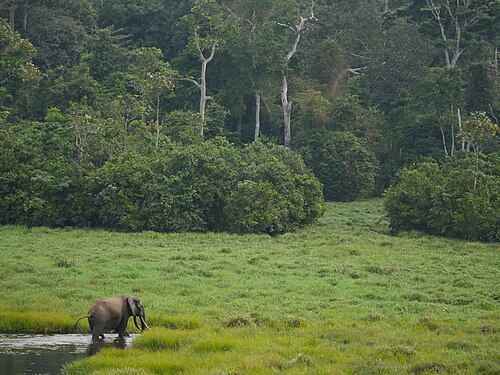
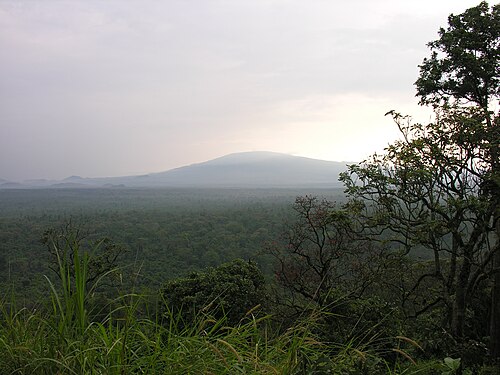
Gorilla ist eine der 24 Arten in diesem Atlas. Kein Katalog: Evolution, Anatomie, Verhalten, Kultur, Ikonen, Schutz und Areal sind ein System.
Scores vergleichen Tempo, Intelligenz, Areal, Resilienz, kulturellen Einfluss und ökologische Rolle. Redaktionelle Relativwerte, kein Laborranking.
Sieben Kapitel graben nach: Ursprünge, Körper und Sinne, Leben und Verhalten, Kultur, Ikonen, Schutzdruck und das mit Menschen geteilte Areal.
Tiefe Einführung
Tiefgang: Gorilla
Gorilla ist kein Postkarten-Tier. Es ist ein Satz von Populationen, Unterarten und menschlichen Regeln in der Familie Wildtiere dieses Atlas.
Vielfalt, Körper, Kultur und Areale — plus eine Linse für diese Sprachregion.
Vielfalt im Typ
Feldführer falten viele Linien in das Wort Gorilla. Unterarten, Zugwege und Haltungslinien teilen nicht ein Schicksal.
Dieser Atlas wählt einen Wikipedia-Titel als Heldenbild und lässt den Rest der Stufe sichtbar, damit ein erholter Bestand keine vom Aussterben bedrohte Cousine wäscht.
Life in the landscape
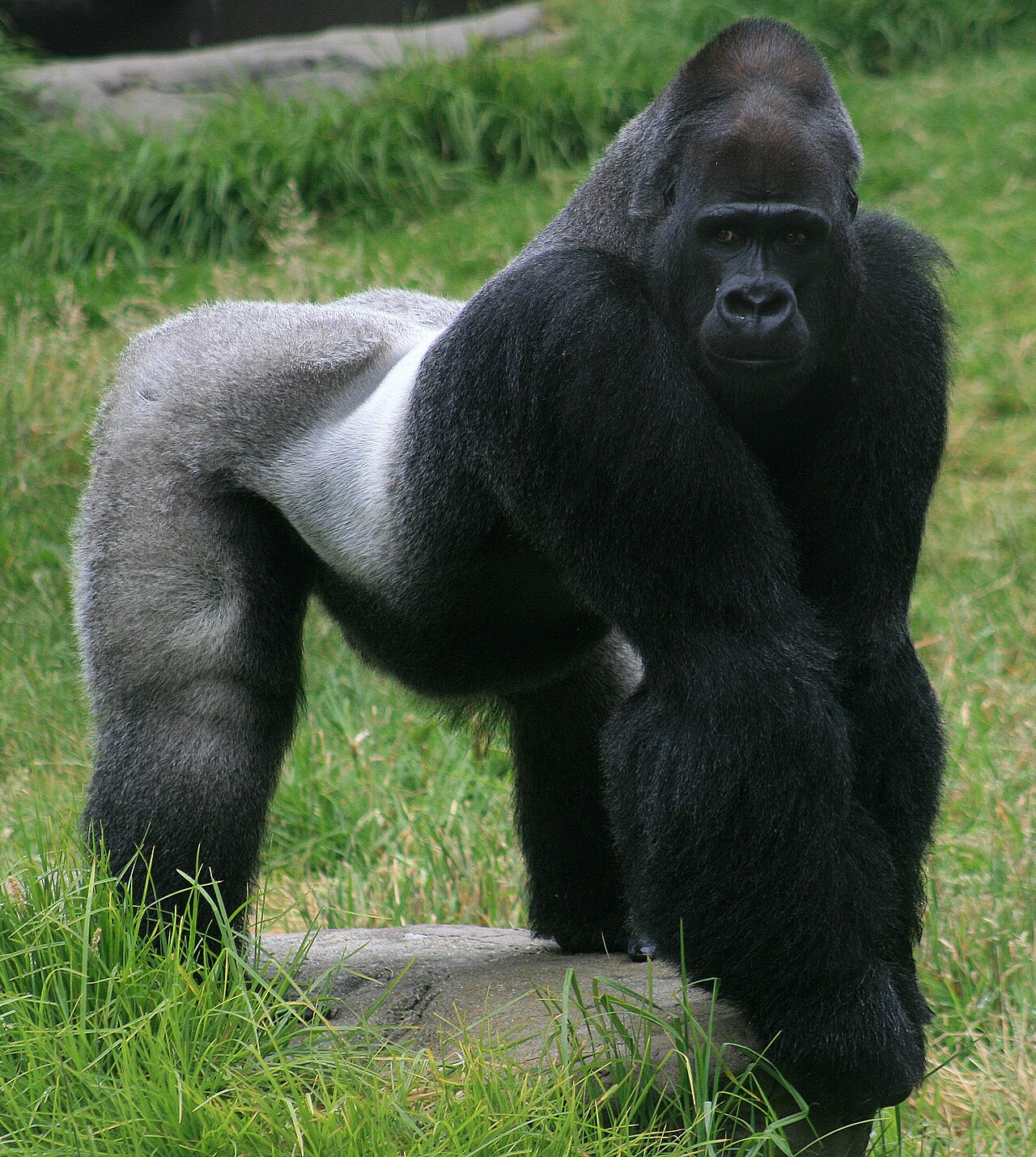
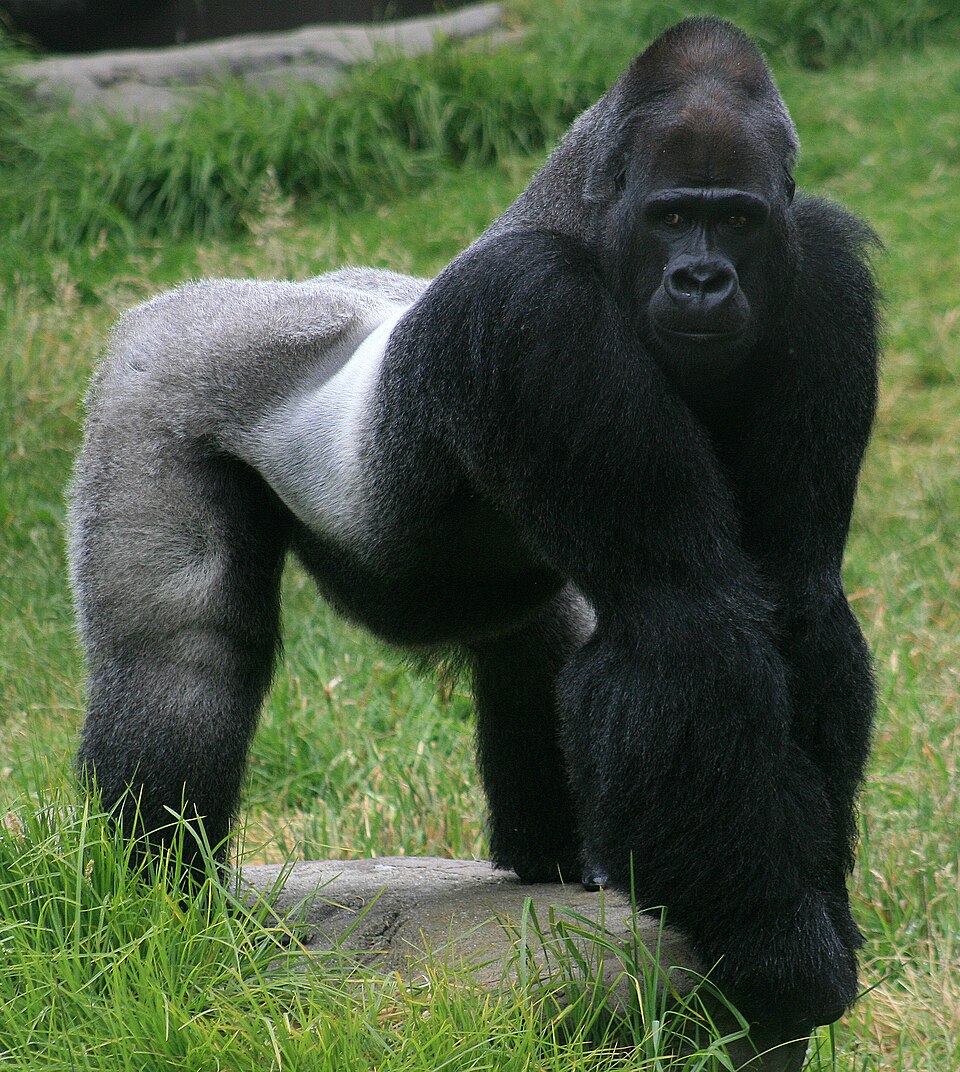
A massive knuckle-walker with a sagittal crest in males, a gut for fibrous plants, and nests built new each night. The atlas type is western; the silverback image is shared.
All-day herbivory -- fruit in western forests, more pith in some mountain diets. A CR ape is a slow calorie machine, not a hunter.
Kultur und Bedeutung
Film, Recht, Heraldik, Zoos und lokale Geschichte trafen Gorilla. Diese Bilder bewegen Geld; sie sind keine Feldzählung.
Das Kulturkapitel datiert Plakate und Gesetze, damit ein Film von 1975 oder ein Logo von 1961 nicht als Rote Liste der 2020er auftreten.
Conservation and money
Western Gorilla Critically Endangered; mountain Gorilla (a different species, G. beringei) is Endangered after a guarded rebound. Resilience here follows the atlas type: CR.
Tourism, conflict payments, quotas and captive loans are dated economic bands in the market chapter -- not live prices and not a best-species prize.
Lebenswissenschaftlicher Tiefgang
Biologie im Tiefgang: Gorilla
Die Biologie von Gorilla stapelt Struktur, Energie, Sinne und harte Grenzen. Die vier Abschnitte nutzen dieselben Atlas-Überschriften, damit Typen ohne Best-Species-Rahmen vergleichbar bleiben.
Anatomie, Sinne, Verhalten und Grenzen — plus Feldsprach dieser Region.
Structure
A massive knuckle-walker with a sagittal crest in males, a gut for fibrous plants, and nests built new each night. The atlas type is western; the silverback image is shared.
Load paths and tissues (not metals) are expanded in the anatomy chapter.
Energy and foraging
All-day herbivory -- fruit in western forests, more pith in some mountain diets. A CR ape is a slow calorie machine, not a hunter.
The how-it-works diagrams reduce that budget to a six-node loop.
Senses and control
Close social vision and smell. Intelligence here is ranked highest among the 24 for ape social learning -- still below a marketing superlative.
Control here means the animal steering itself -- not a vehicle ECU.
Limits
Ebola, bushmeat and logging. A mountain rebound is a different species. Lowest resilience in the atlas is a CR statement.
Resilience scores encode those limits relative to the other 23 types.
The taxonomy wiki is Western gorilla. Mountain gorillas are G. beringei, fewer, more filmed, and less CR. The atlas follows the listed type, not the movie.
Did Fossey study this type?
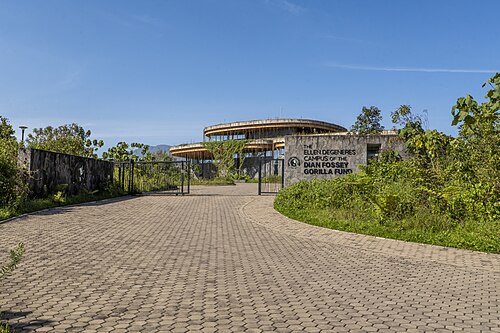
Karisoke watched mountain gorillas in Rwanda. The methods and the murder belong to that species; western gorillas have Mbeli Bai and different threats (Ebola, bushmeat).
What about Koko and language?
Francine Patterson project treated signs as words. Linguists remain split. The atlas files Koko as culture and a research programme, not as proof that wild western gorillas recite English.
Why the lowest resilience in the 24?
CR western gorillas plus Ebola, logging and hunt. Mountain gorilla rebound is real and is a different species card.
What is Mbeli Bai?
A forest clearing in Nouabale-Ndoki where western gorillas come for minerals -- a platform study that rarely makes a biopic.
Did Gorillas in the Mist help the type?
The 1988 film helped mountain gorilla tourism and the Fossey myth. Western lowland numbers kept falling on a different map.
Are zoos a sink or a tank?
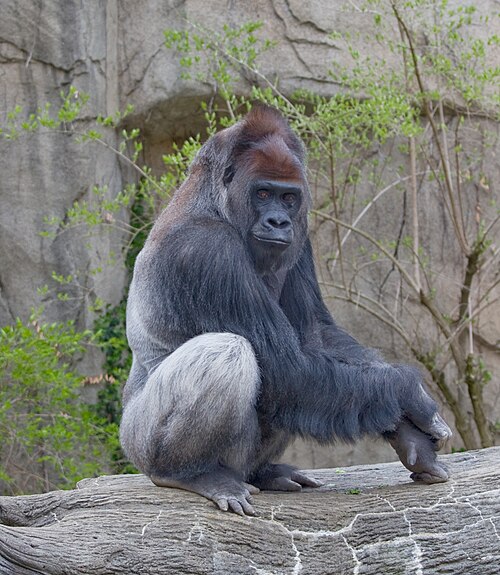
Western lowland gorillas are the usual zoo gorilla. Captive groups do not replace Gabon and Congo forests.
Who was Digit?
A mountain gorilla poached in 1977. Fossey used the death to fund anti-poaching -- a mountain, not western, story that still titles books.
Rolle, kein Sieger
Naturschutzlesen. Kein Live-Abruf der IUCN.
Dieses Ranking einbetten
Fügen Sie diesen Code in Ihr Blog oder Ihre Website ein — das Ranking bleibt aktuell.
Kopiert!
Ähnliche Arten
Nächste Nachbarn auf den sechs Achsen — Tempo, Intelligenz, Areal, Resilienz, Kultur und ökologische Rolle.