Skip to content Skip to a section

🦢Icons & legends

Crane · Tall wetland dancers whose red-crowned East Asian population is the atlas type and a conservation bottleneck.

At a glance
Score intensity

Darker cells mean a higher score for this topic on that metric.

Last reviewed Sources & creditsMedia creditsMethodology

Quick answers

Why does this atlas use the red-crowned crane?

The taxonomy hero is Grus japonensis -- Kushiro, the Korean DMZ and Izumi. Other Grus species appear as comparison, not as the page type.

How close did whooping cranes come to zero?

The Aransas-Wood Buffalo flock was about 21 birds in 1941. That nadir still defines US recovery graphs.

What did George Archibald do at ICF?

He courtship-danced with a human-imprinted whooping crane named Tex so she would ovulate -- a 1980s method story, not a field census.

Why is Izumi a single-point risk?

A large share of the migratory island population winters on one Kyushu floodplain. Influenza years there are species-level events.

Do cranes mate with a lifelong dance?

Pairs are typically socially monogamous. The dance is pair-bond and territorial display, not a fairy-tale wedding.

What is the Korean DMZ crane role?

Wintering red-crowned and white-naped cranes use the Civilian Control Zone. Peace-time development is a documented risk to that accidental reserve.

IUCN: Endangered

Icons here are not a ranking of living animals as best. They are the Wikipedia-titled faces a later chapter can attach images to.

Stats are relative 0-100 marks inside this type, for comparison on the page, not a global scoreboard.

Podium

Whooping crane
Whooping crane
United States / Canada
2
Red-crowned crane
Red-crowned crane
East Asia
1
🥉
George Archibald
Canada / United States
3

The legends

1
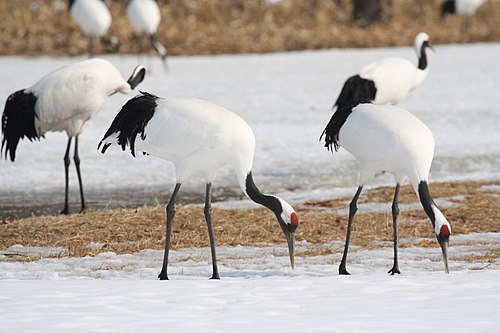
Red-crowned crane -- Crane Alastair Rae from London, United Kingdom · CC BY-SA 2.0

Red-crowned crane

East Asia · Grus japonensis

Atlas type -- Kushiro, DMZ, Izumi.

Story

Red-crowned crane (Grus japonensis, East Asia) is filed here as a dated individual, programme or portrayal -- not as a rank of the living animal.

“Icons teach constraints: law, habitat and methods matter as much as a famous face.”

Public reach
high
Record depth
documented
Conservation weight
material
2
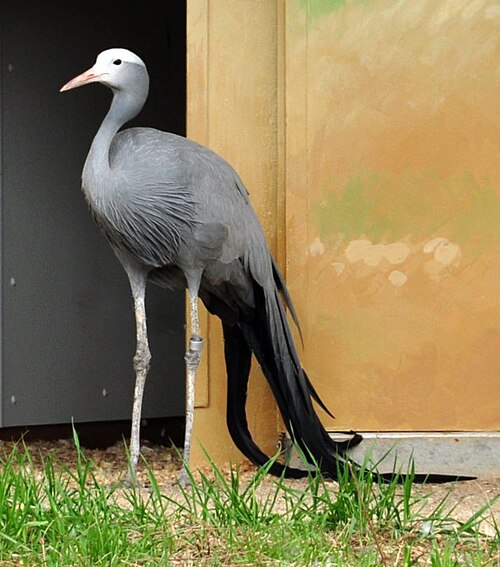
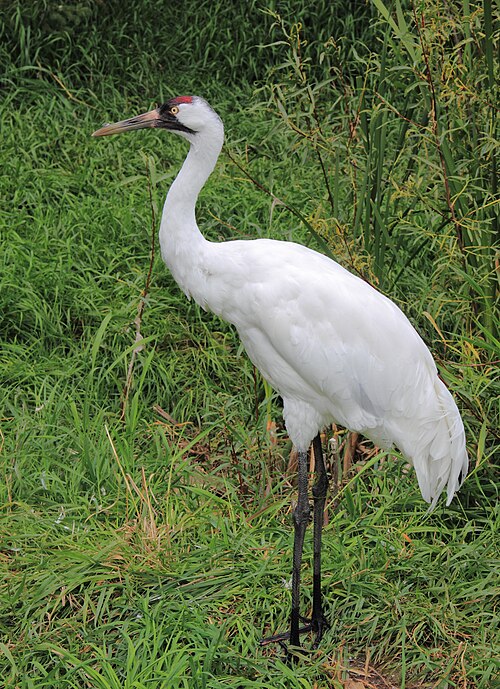
Whooping crane -- Crane Sasata · CC BY-SA 3.0

Whooping crane

United States / Canada · 21 in 1941

Aransas-Wood Buffalo recovery graph.

Story

Whooping crane (21 in 1941, United States / Canada) is filed here as a dated individual, programme or portrayal -- not as a rank of the living animal.

“Icons teach constraints: law, habitat and methods matter as much as a famous face.”

Public reach
high
Record depth
documented
Conservation weight
material
3

George Archibald

Canada / United States · 1946-

ICF cofounder; the Tex dance story.

Story

George Archibald (1946-, Canada / United States) is filed here as a dated individual, programme or portrayal -- not as a rank of the living animal.

“Icons teach constraints: law, habitat and methods matter as much as a famous face.”

Public reach
high
Record depth
documented
Conservation weight
material
4
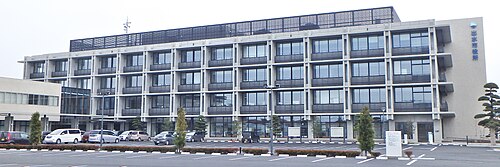
International Crane Foundation -- Crane Rod from Livonia, Michigan · CC BY 2.0

International Crane Foundation

United States · 1973-

Baraboo comparative crane centre.

Story

International Crane Foundation (1973-, United States) is filed here as a dated individual, programme or portrayal -- not as a rank of the living animal.

“Icons teach constraints: law, habitat and methods matter as much as a famous face.”

Public reach
notable
Record depth
documented
Conservation weight
material
5
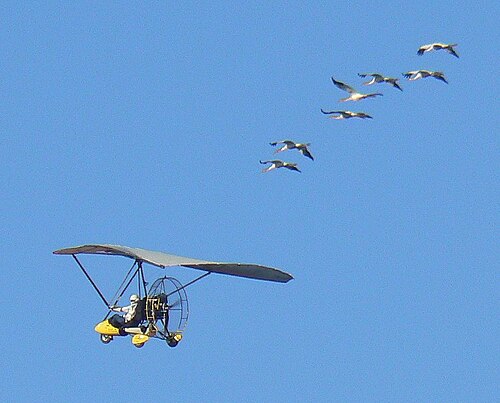
Operation Migration -- Crane Tim Ross · Public domain

Operation Migration

United States · 2001-2015

Ultralight-led whooping-crane flyway.

Story

Operation Migration (2001-2015, United States) is filed here as a dated individual, programme or portrayal -- not as a rank of the living animal.

“Icons teach constraints: law, habitat and methods matter as much as a famous face.”

Public reach
notable
Record depth
documented
Conservation weight
material
6
Izumi crane wintering -- Crane アラツク · CC BY-SA 4.0

Izumi crane wintering

Japan · Kagoshima

Single-floodplain winter risk.

Story

Izumi crane wintering (Kagoshima, Japan) is filed here as a dated individual, programme or portrayal -- not as a rank of the living animal.

“Icons teach constraints: law, habitat and methods matter as much as a famous face.”

Public reach
notable
Record depth
documented
Conservation weight
material
7
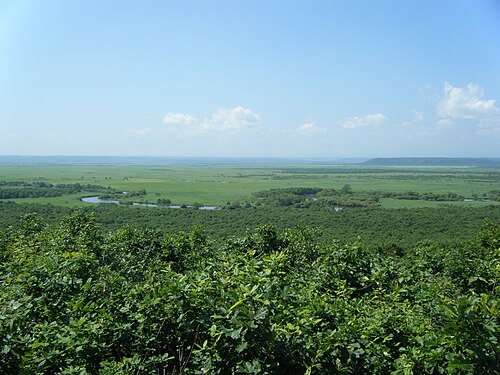
Kushiro-shitsugen -- Crane 欅 (Keyaki) · CC BY-SA 3.0

Kushiro-shitsugen

Japan · Hokkaido tancho

Resident Japanese breeding stronghold.

Story

Kushiro-shitsugen (Hokkaido tancho, Japan) is filed here as a dated individual, programme or portrayal -- not as a rank of the living animal.

“Icons teach constraints: law, habitat and methods matter as much as a famous face.”

Public reach
notable
Record depth
documented
Conservation weight
material
8
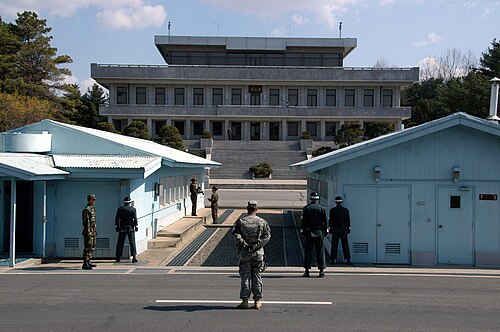
Korean DMZ cranes -- Crane Driedprawns at en.wikipedia · CC BY 2.5

Korean DMZ cranes

Korea · winter refuge

Accidental sanctuary for red-crowned and white-naped cranes.

Story

Korean DMZ cranes (winter refuge, Korea) is filed here as a dated individual, programme or portrayal -- not as a rank of the living animal.

“Icons teach constraints: law, habitat and methods matter as much as a famous face.”

Public reach
notable
Record depth
documented
Conservation weight
material

Stats are relative 0–100 marks within this species, for comparison only.

Comparison Lab

Toggle icons on and off — every bar rescales to the leader of your selection.

5 / 8

Debate

Taught flyways vs wild culture

Ultralight whooping cranes migrated on a human route. Pairing and predator skills did not always follow the GPS track.

Winter feeding vs wild forage

Hokkaido grain piles raised counts and created a public tancho. Dependency and disease concentration came with the gift.

Keep exploring

More in Birds