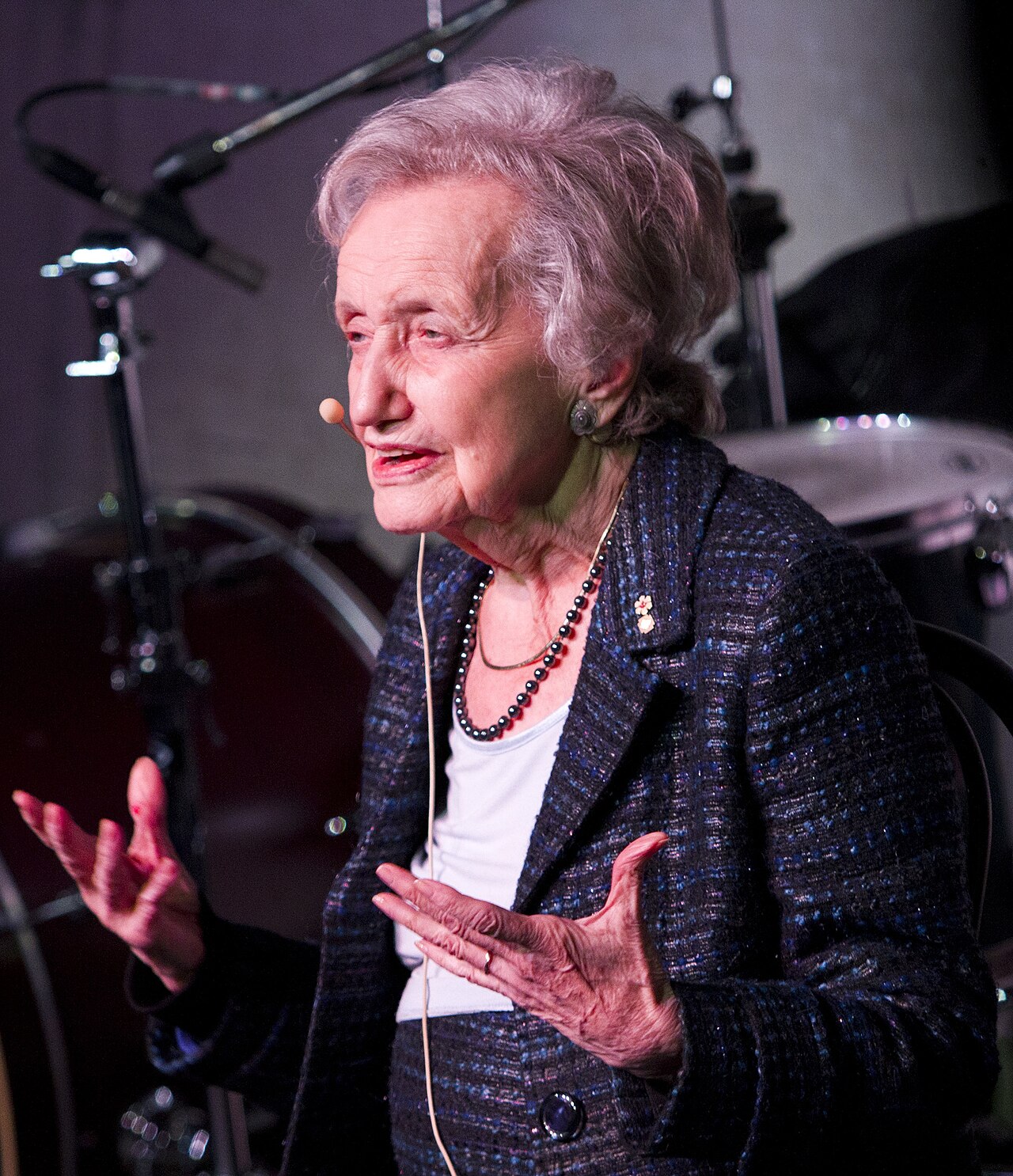
Brenda Milner helped found cognitive neuroscience by showing that memory is not one faculty: after bilateral medial temporal surgery, patient H.M. lost new episodic memory while retaining skills, language and much of his past.
Her career at the Montreal Neurological Institute spanned decades of careful testing, frontal-lobe work and mentorship. The H.M. story is also an ethics story — consent, anonymity and the limits of what surgery can promise.
Educational history of neuroscience — not medical advice. Patient identities and clinical details are discussed at the level of published science.
1953H.M.medial temporal surgery year
1957Scoville & Milnerclassic paper
80Researcheditorial band
0Diagnosishistory, not surgical guide
Brenda Milner — concrete atlas depth on Tool-Lifes.
Henry Molaison (1953 bilateral medial temporal surgery). He lost new episodic memory while retaining skills — the dissociation that remade memory science.
What year marks Scoville and Milner report?
1957. The paper tied hippocampal removal to anterograde amnesia without collapsing language or IQ in the teaching summary.
What did mirror-tracing show?
H.M. improved at mirror-tracing across days without remembering the sessions — procedural skill without episodic recall.
Is this a clinical guide to epilepsy surgery?
No. History of published cognitive neuroscience. Not medical advice, diagnosis, or surgical counsel.
Where did Milner work for decades?
Montreal Neurological Institute — careful testing, frontal-lobe work, and mentorship alongside the H.M. archive.
What atlas regions pair with her lesson?
Hippocampus (memory index) and frontal lobes (control). Use dual-view; do not invent a personal lesion map.
Research score 80 — a fame ranking?
No. Editorial browsing aid in this pioneers field. Compare with Penfield and Kandel neighbours.
What do readers hit on the function chapter?
How tasks were matched to candidate systems to find clean dissociations — classroom method, not a clinic form.